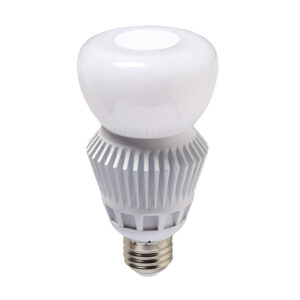
Understanding the Critical Role of Light Bulbs in Lighting Projects
In the realm of lighting projects, contractors often focus heavily on fixtures, wiring, and control systems. However, one crucial element frequently overlooked is the light bulb itself. The choice of light bulb can dramatically influence the overall performance, aesthetics, energy efficiency, and longevity of any lighting installation.
Light bulbs are not merely sources of illumination; they are the heart of the lighting system. Selecting the right bulb ensures that the intended ambiance, color rendering, and brightness levels are achieved. Conversely, an inappropriate choice can lead to dissatisfaction, increased maintenance costs, and energy inefficiency.
The Impact of Light Bulb Selection on Project Outcomes
Lighting contractors who neglect the nuances of light bulb selection risk compromising their projects. For example, using bulbs with poor color rendering indices (CRI) can distort the appearance of interior spaces, affecting everything from retail displays to residential comfort. Similarly, bulbs with incompatible dimming capabilities can cause flickering or reduced lifespan, frustrating both clients and contractors.
Moreover, the energy consumption of the bulb directly affects operational costs. With increasing emphasis on sustainability and energy codes, contractors must prioritize bulbs that meet efficiency standards without sacrificing quality. This balance is essential for client satisfaction and regulatory compliance.
Additionally, the type of light bulb can significantly influence the mood and functionality of a space. For instance, warm white LEDs can create a cozy atmosphere ideal for homes and restaurants, while cooler daylight bulbs are often preferred in workspaces to enhance focus and productivity. Understanding the psychological effects of different color temperatures allows contractors to tailor their lighting solutions to the specific needs of their clients, ensuring that each project not only meets technical specifications but also resonates on an emotional level.
Furthermore, advancements in smart lighting technology have opened up new avenues for customization and control. Smart bulbs can be programmed to change color or intensity based on the time of day or the activities taking place in a room. This flexibility not only enhances the user experience but also contributes to energy savings by allowing users to optimize their lighting according to real-time needs. As such, contractors must stay informed about the latest innovations in light bulb technology to provide clients with the most effective and cutting-edge solutions available.
Key Factors to Consider When Choosing Light Bulbs
Choosing the right light bulb involves a multifaceted evaluation. Lighting contractors must consider technical specifications, compatibility, and the specific needs of the project environment.
Color Temperature and Its Influence on Ambiance
Color temperature, measured in Kelvins (K), defines the warmth or coolness of the light emitted. Warm light (2700K–3000K) creates cozy, inviting spaces ideal for residential or hospitality settings. Neutral light (3500K–4100K) suits offices and retail environments, promoting alertness and accurate color perception. Cool light (5000K and above) is often used in industrial or task-oriented spaces where clarity and focus are paramount.
Lighting contractors must align color temperature choices with the function and mood of the space. Incorrect color temperature can lead to visual discomfort or misinterpretation of colors, undermining the project’s objectives. For instance, a restaurant aiming for a romantic atmosphere would benefit from warm lighting, while a gallery showcasing vibrant artwork would require cooler, more neutral tones to enhance the visual appeal of the pieces on display. Understanding the psychological effects of color temperature can significantly impact the overall experience of the space.
Color Rendering Index (CRI) and Visual Accuracy
CRI is a measure of a light source’s ability to reveal the colors of objects faithfully compared to natural light. A higher CRI (above 80) is generally preferred for most applications, with values above 90 recommended for art galleries, retail, and medical environments where color accuracy is critical.
Ignoring CRI can result in dull or misleading color presentation, which can affect everything from product displays to patient care. Lighting contractors should specify bulbs with appropriate CRI values to meet the demands of each project. For example, in a clothing store, a high CRI can make fabrics appear more vibrant and appealing, potentially increasing sales. Additionally, in healthcare settings, accurate color rendering can be vital for diagnosing conditions, making the choice of lighting not just aesthetic but also functional and impactful.
Energy Efficiency and Regulatory Compliance
Energy codes and standards increasingly demand the use of efficient lighting solutions. LEDs have become the industry standard due to their superior energy performance, longevity, and decreasing costs. However, not all LED bulbs are created equal; efficiency ratings, lumen output, and power consumption vary widely.
Contractors must verify that chosen bulbs comply with local energy codes and certifications such as ENERGY STAR or DLC listings. This ensures not only regulatory compliance but also client savings on energy bills and maintenance. Furthermore, the transition to energy-efficient lighting can contribute to sustainability goals, reducing the carbon footprint of buildings and aligning with green building certifications like LEED. As clients become more environmentally conscious, the demand for energy-efficient solutions continues to rise, making it imperative for contractors to stay informed about the latest technologies and regulations.
Dimming Compatibility and Control Integration
Modern lighting projects often incorporate dimming and smart controls to enhance flexibility and energy savings. However, not all bulbs are compatible with every dimming system. Using incompatible bulbs can cause flickering, buzzing, or premature failure.
Contractors should test bulbs with the intended dimmers or consult manufacturer specifications to ensure seamless integration. This attention to detail prevents costly callbacks and improves client satisfaction. Additionally, the integration of smart lighting systems allows for advanced control options, such as scheduling and remote access, which can further enhance user experience and energy management. As technology evolves, staying ahead of trends in smart lighting can provide contractors with a competitive edge, enabling them to offer innovative solutions that meet the dynamic needs of their clients.
Common Pitfalls in Light Bulb Selection and How to Avoid Them
Despite the importance of light bulbs, many lighting projects suffer from avoidable issues due to improper selection. Understanding these pitfalls is crucial for contractors aiming to deliver high-quality results.
Overlooking the Lumen Output
Lumens measure the brightness of a bulb. A common mistake is to select bulbs based solely on wattage, which indicates power consumption rather than light output. This can lead to spaces that are either underlit or excessively bright, both of which are undesirable.
Contractors should specify bulbs based on lumen requirements tailored to the space’s function, size, and fixture design. This ensures balanced illumination and energy efficiency.
Ignoring Fixture Compatibility
Not all bulbs fit or function properly in all fixtures. For instance, enclosed fixtures may require bulbs rated for such use to prevent overheating and premature failure. Similarly, some decorative fixtures necessitate specific bulb shapes or sizes.
Failing to consider fixture compatibility can result in safety hazards and increased maintenance. Contractors must verify bulb specifications against fixture requirements before installation.
Neglecting Environmental Conditions
Environmental factors such as temperature, humidity, and vibration can affect bulb performance and lifespan. For example, standard LED bulbs may not perform well in cold storage areas or outdoor applications without proper ratings.
Contractors should select bulbs with appropriate environmental ratings (e.g., IP ratings for moisture resistance) to ensure durability and reliability in the intended setting.
Emerging Trends and Innovations in Light Bulb Technology
The lighting industry is rapidly evolving, with new technologies offering enhanced performance and design possibilities. Staying informed about these trends can give contractors a competitive edge.
Advancements in LED Technology
LEDs continue to improve in efficiency, color quality, and form factors. Innovations such as tunable white LEDs allow dynamic adjustment of color temperature to suit different times of day or activities, enhancing occupant comfort and productivity.
Additionally, miniaturization and integration with smart controls enable more creative lighting designs and energy management strategies.
Smart Lighting and IoT Integration
Smart bulbs with wireless connectivity enable remote control, scheduling, and automation. Integration with building management systems and Internet of Things (IoT) platforms allows for data-driven lighting optimization, reducing energy consumption and improving user experience.
Lighting contractors should consider these capabilities when specifying bulbs for commercial or residential projects seeking modern, adaptable solutions.
Sustainable and Circular Lighting Solutions
Environmental concerns are driving the adoption of sustainable lighting practices. This includes bulbs designed for easy recycling, reduced hazardous materials, and longer lifespans to minimize waste.
Contractors can support sustainability goals by choosing bulbs that align with green building certifications such as LEED or WELL, adding value to their projects and appealing to environmentally conscious clients.
Best Practices for Lighting Contractors: Integrating Light Bulb Selection into Project Planning
To avoid the common pitfalls and leverage the benefits of modern light bulb technology, contractors should adopt a systematic approach to bulb selection.
Early Collaboration with Designers and Clients
Engaging with architects, interior designers, and clients early in the project ensures that lighting goals are clearly understood. Discussions about ambiance, functionality, and energy targets help guide appropriate bulb choices that complement fixture and control selections.
Specification and Documentation
Clear specifications detailing bulb type, color temperature, CRI, lumen output, dimming compatibility, and environmental ratings should be included in project documentation. This reduces ambiguity and ensures that procurement and installation teams select the correct products.
Testing and Quality Assurance
Whenever possible, contractors should test sample bulbs in the actual fixtures and environments before full installation. This helps identify any compatibility or performance issues early, preventing costly rework.
Ongoing Maintenance and Client Education
Providing clients with information about bulb maintenance, replacement schedules, and control operation supports long-term satisfaction. Offering maintenance services or guidance can also create additional business opportunities for contractors.
Conclusion: Elevating Lighting Projects Through Thoughtful Light Bulb Selection
Light bulb lighting is indeed the missing piece in many lighting projects. By giving careful consideration to bulb characteristics and their interaction with fixtures and controls, lighting contractors can significantly enhance the quality, efficiency, and durability of their installations.
In an industry where details matter, mastering light bulb selection not only prevents common issues but also elevates the contractor’s reputation and client satisfaction. Embracing emerging technologies and sustainable practices further positions contractors as forward-thinking professionals ready to meet the evolving demands of the lighting market.
Illuminate Your Projects with LumenWholesale
Ready to enhance your lighting projects with the perfect light bulbs? At LumenWholesale, we offer an extensive range of high-quality, spec-grade lighting products at unbeatable wholesale prices. Say goodbye to local distributor markups and hello to top-notch lighting that meets the highest industry standards. With free shipping on bulk orders, you can trust us to provide the best value without any hidden fees. Elevate your lighting installations today and experience the ideal combination of quality, affordability, and convenience. Wholesale Lighting at the Best Value is just a click away.