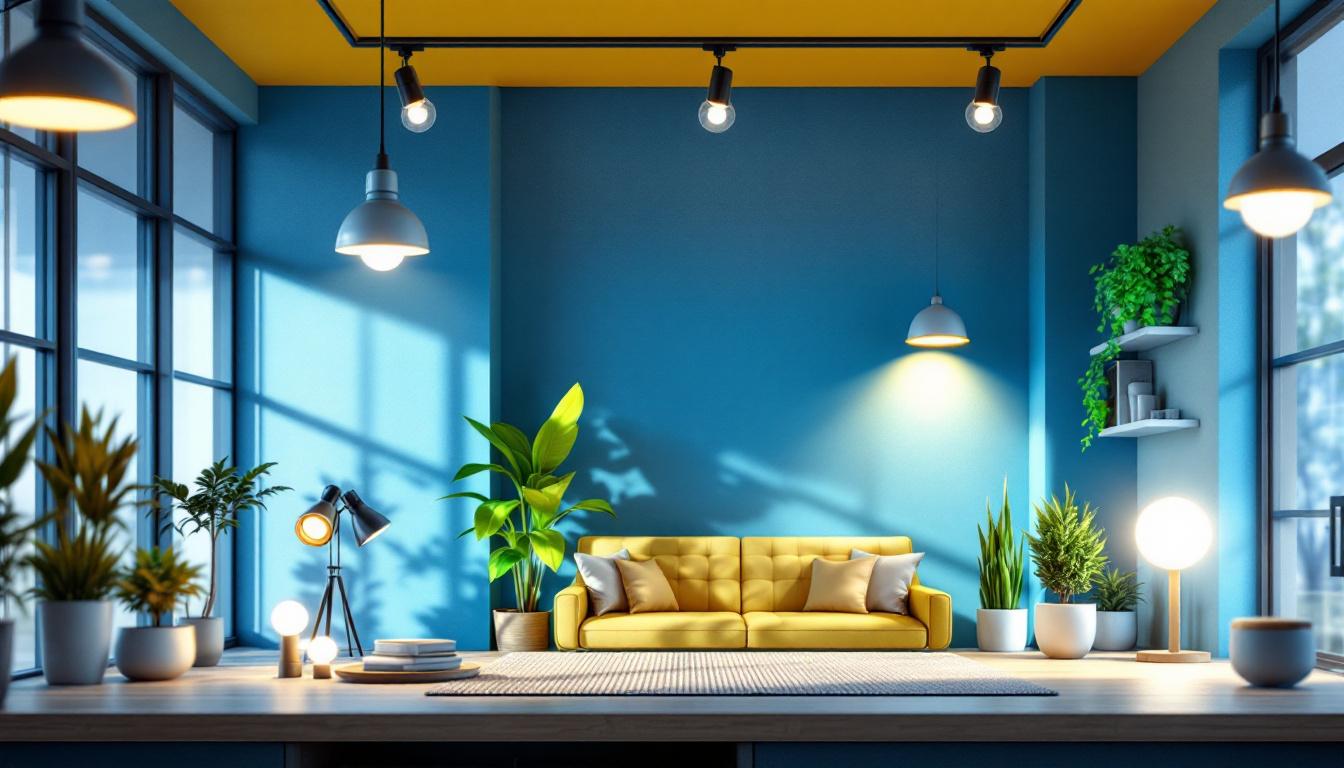
Understanding the Role of Pendant Lamps in Modern Lighting Design
Pendant lamps have become a cornerstone in both residential and commercial lighting projects. Their versatility, aesthetic appeal, and functional benefits make them a favorite among lighting contractors aiming to deliver smart, efficient, and visually striking solutions. Unlike traditional ceiling fixtures, pendant lamps offer targeted illumination, which can be tailored to specific tasks or ambiance requirements.
For lighting contractors, mastering pendant lamp installations is not just about hanging a fixture; it’s about integrating lighting that enhances the space’s overall design while meeting energy efficiency and client expectations. With the rise of smart home technologies and energy-conscious designs, pendant lamps now often incorporate smart controls, dimming capabilities, and energy-efficient bulbs, making them a vital component in modern lighting strategies.
Why Pendant Lamps Matter to Lighting Contractors
Pendant lamps provide contractors with an opportunity to showcase their expertise in both aesthetics and technical installation. They are often a focal point in kitchens, dining areas, offices, and retail spaces, where lighting quality directly impacts usability and mood. Contractors who understand how to optimize pendant lamp placement, wiring, and control integration can significantly enhance client satisfaction and project value.
Moreover, the design of pendant lamps has evolved dramatically, with an array of styles ranging from industrial chic to minimalist elegance. This diversity allows contractors to cater to various tastes and design themes, ensuring that each installation not only meets functional requirements but also complements the overall decor. For instance, a cluster of glass pendant lamps can create a stunning visual effect in a modern dining room, while rustic metal fixtures might enhance the warmth of a farmhouse-style kitchen. Additionally, the height at which pendant lamps are hung can dramatically influence the perception of space, making it essential for contractors to consider both the aesthetic and practical implications of their choices.
Furthermore, the integration of pendant lamps with other lighting elements, such as recessed lighting or wall sconces, can create a layered lighting effect that enhances the ambiance of a space. This approach not only improves functionality by providing adequate illumination for various tasks but also adds depth and interest to the overall design. As clients increasingly seek personalized lighting solutions that reflect their unique style and needs, contractors who can skillfully combine pendant lamps with other lighting sources will find themselves at a significant advantage in the competitive market.
Smart Lighting Integration: Enhancing Pendant Lamp Functionality
Integrating smart lighting technology with pendant lamps is a game-changer for contractors looking to offer cutting-edge solutions. Smart pendant lamps can be controlled remotely via apps, voice assistants, or automated schedules, allowing users to customize brightness, color temperature, and even color hues to suit different activities or times of day.
For contractors, this means understanding the compatibility of pendant fixtures with smart bulbs and control systems, as well as the technical requirements for installation. Proper wiring, secure mounting, and ensuring network connectivity are critical steps to guarantee a seamless smart lighting experience.
Choosing the Right Smart Components
Not all smart lighting components are created equal. When selecting bulbs or control modules for pendant lamps, contractors should prioritize products that offer reliable connectivity (such as Zigbee, Z-Wave, or Wi-Fi), energy efficiency, and ease of installation. Many smart bulbs now come with tunable white light options, which allow users to adjust the warmth or coolness of the light, enhancing comfort and productivity.
Moreover, integrating smart sensors, such as motion detectors or ambient light sensors, can further optimize pendant lamp usage by automating lighting based on occupancy or daylight levels. This not only improves user convenience but also contributes to energy savings, a key selling point for environmentally conscious clients.
Installation Hacks for Efficient and Safe Pendant Lamp Setup
Efficient installation of pendant lamps requires a combination of technical knowledge, practical tools, and safety awareness. Contractors who adopt smart installation hacks can save time, reduce errors, and ensure long-lasting results.
Pre-Installation Planning
Before beginning any installation, it’s essential to conduct a thorough site assessment. This includes measuring ceiling heights, identifying power source locations, and considering the pendant lamp’s weight and size. Using laser distance measurers can speed up this process and improve accuracy.
Additionally, planning the wiring route and verifying circuit capacity helps prevent overloads and future maintenance issues. For smart pendant lamps, contractors should also assess the strength and reach of the home or building’s wireless network to avoid connectivity problems.
Use of Specialized Tools
Employing the right tools can streamline pendant lamp installation. For example, using a voltage tester ensures circuits are de-energized before work begins, enhancing safety. A wire stripper with multiple gauge settings allows for precise cable preparation, reducing the risk of loose connections.
When mounting heavy or large pendant lamps, adjustable ceiling hooks or temporary support brackets can hold the fixture in place while wiring is completed. This hands-free approach minimizes strain and improves installation quality.
Wire Management and Safety Tips
Neat and secure wiring is critical for both safety and aesthetics. Contractors should use cable clips or conduits to organize wires and prevent them from hanging loosely. Ensuring all connections are made with appropriate connectors and insulated properly reduces the risk of electrical faults.
Additionally, adhering to local electrical codes and regulations is non-negotiable. This includes using the correct gauge wire, grounding the fixture properly, and installing circuit breakers or fuses as required. Smart pendant lamp installations often involve additional components, so verifying compatibility and compliance is essential.
Design Considerations: Balancing Form and Function
Lighting contractors must balance the visual impact of pendant lamps with their functional role. This requires a keen eye for design and an understanding of how light interacts with space.
Height and Placement Optimization
The height at which pendant lamps are installed significantly affects both their appearance and effectiveness. In kitchens and dining rooms, pendants are typically hung 28 to 34 inches above countertops or tables to provide adequate task lighting without obstructing sightlines.
In commercial settings, such as retail or office spaces, pendant height may vary depending on ceiling height and the desired lighting effect. Contractors should collaborate with designers or clients to determine the optimal placement that complements the room’s layout and purpose.
Layered Lighting Strategies
Pendant lamps rarely work alone. They are most effective when integrated into a layered lighting scheme that includes ambient, task, and accent lighting. Contractors who can advise clients on combining pendant lamps with recessed lighting, wall sconces, or floor lamps add value by creating balanced and adaptable environments.
For example, in a kitchen, pendant lamps over an island provide focused task lighting, while recessed ceiling lights offer general illumination. Smart controls can synchronize these layers, allowing users to adjust the overall mood or focus on specific areas as needed.
Energy Efficiency and Sustainability in Pendant Lighting
Energy efficiency is a critical concern for lighting contractors and their clients. Pendant lamps equipped with LED technology and smart controls can significantly reduce energy consumption without sacrificing performance or style.
LED Technology Advantages
LED bulbs consume up to 80% less energy than traditional incandescent bulbs and last significantly longer, reducing replacement frequency and maintenance costs. Their compact size and directional light output make them ideal for pendant lamps, which often require focused illumination.
Contractors should recommend LED-compatible pendant fixtures and ensure that dimming controls are compatible with LED technology to avoid flickering or reduced bulb lifespan.
Smart Controls for Energy Management
Smart lighting systems enable precise control over when and how pendant lamps are used. Features such as scheduling, occupancy sensing, and daylight harvesting can minimize unnecessary energy use. For instance, pendant lamps can automatically dim or turn off when a room is unoccupied or when sufficient natural light is available.
These energy-saving features not only reduce utility bills but also contribute to sustainability goals, which are increasingly important to commercial clients and environmentally conscious homeowners.
Common Challenges and Solutions in Pendant Lamp Projects
Despite their popularity, pendant lamp installations can present challenges. Anticipating and addressing these issues helps contractors maintain professionalism and client trust.
Uneven Ceiling Surfaces
Uneven or textured ceilings can complicate pendant lamp mounting, leading to crooked fixtures or insecure installations. Contractors can use adjustable mounting brackets or shims to level the fixture. In some cases, installing a canopy plate that compensates for ceiling irregularities is an effective solution.
Wireless Connectivity Issues
Smart pendant lamps rely on stable wireless connections. In buildings with thick walls or multiple floors, signal strength may be insufficient. Contractors should perform wireless site surveys and, if necessary, recommend network extenders or mesh Wi-Fi systems to ensure reliable control of smart lighting.
Client Education and Expectations
Clients may not always understand the capabilities or limitations of pendant lamps and smart lighting systems. Providing clear explanations, demonstrations, and user guides helps set realistic expectations and encourages proper use. Offering ongoing support or maintenance services can also enhance client satisfaction and foster long-term relationships.
Conclusion: Elevating Your Craft with Pendant Lamp Expertise
Pendant lamps represent a dynamic intersection of design, technology, and functionality in modern lighting projects. For lighting contractors, developing expertise in smart pendant lamp installations and leveraging practical hacks can differentiate their services and deliver superior value to clients.
By focusing on smart integration, efficient installation techniques, thoughtful design, and energy-conscious solutions, contractors can meet the evolving demands of today’s lighting market. Embracing these strategies not only enhances project outcomes but also positions contractors as trusted partners in creating illuminated spaces that inspire and perform.
Upgrade Your Lighting Projects with LumenWholesale
Ready to elevate your lighting installations with the expertise and high-quality products you deserve? Look no further than LumenWholesale for all your pendant lamp needs. Our spec-grade lighting solutions are designed to give you the competitive edge in smart lighting integration, backed by unbeatable wholesale prices and the convenience of bulk buying. Say goodbye to inflated markups and hello to a vast selection of reliable, high-performance lighting that meets the highest industry standards. Plus, with free shipping on all orders, you can trust that you’re getting premium lighting at the best value — every time. Don’t compromise on quality or cost. Wholesale Lighting at the Best Value is just a click away. Enhance your craft today with LumenWholesale.