Understanding Bollard Solar Lighting: An Overview for Contractors
Solar bollard lights have become an increasingly popular choice in outdoor lighting projects, offering an eco-friendly and cost-effective solution. For lighting contractors, understanding the fundamentals of bollard solar lighting is essential to making informed recommendations and ensuring client satisfaction.
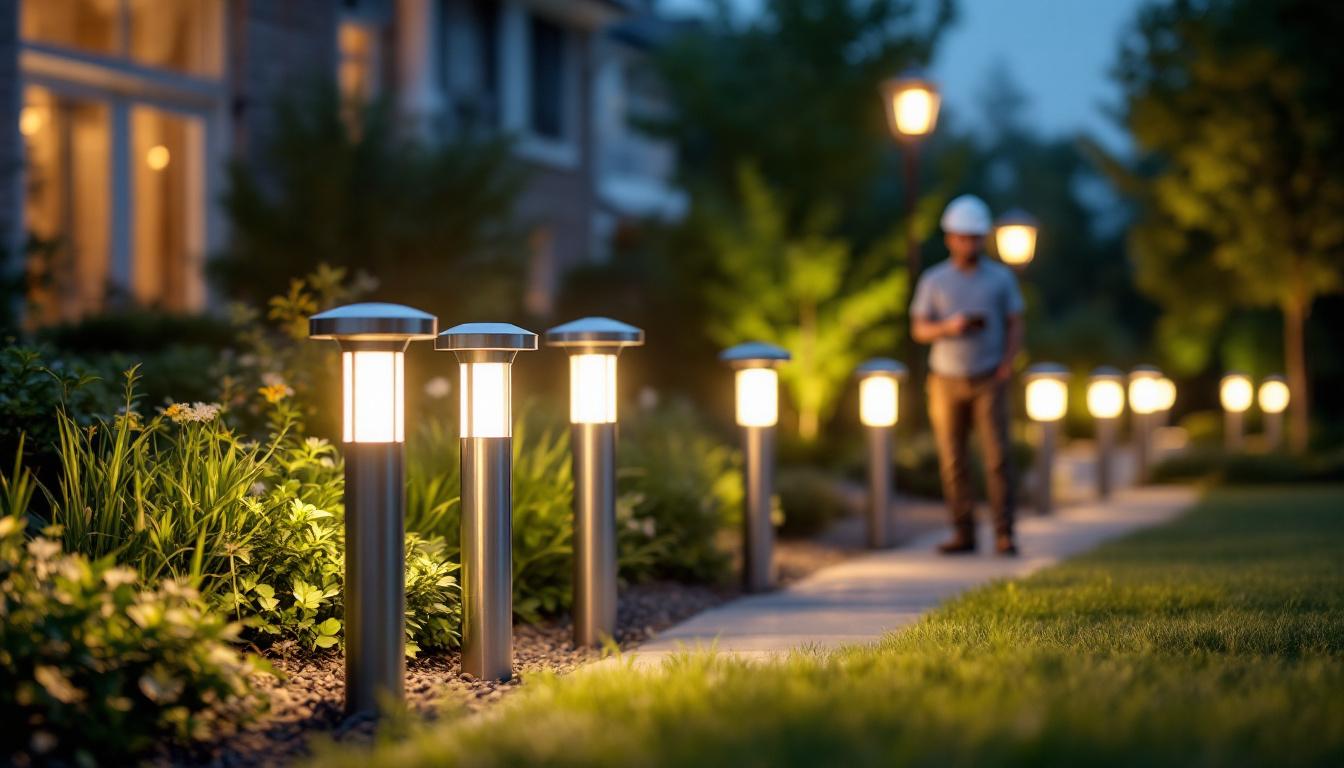
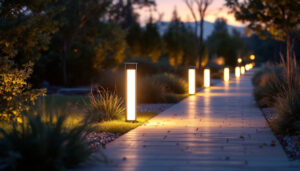
Bollard solar lights are freestanding, post-like fixtures typically used to illuminate pathways, gardens, parking lots, and public spaces. Unlike traditional wired lighting, they operate independently by harnessing solar energy through integrated photovoltaic panels. This autonomy reduces installation complexity and eliminates ongoing electricity costs, making them appealing for both residential and commercial projects.
However, not all bollard solar lights are created equal. Variations in design, battery capacity, solar panel efficiency, and durability can significantly impact performance. Contractors must evaluate these factors carefully to select products that meet the specific requirements of each project.
In addition to the technical specifications, aesthetic appeal plays a crucial role in the selection of bollard solar lights. Many manufacturers offer a variety of styles, colors, and finishes, allowing contractors to choose fixtures that complement the surrounding architecture and landscaping. From sleek modern designs to more traditional looks, the right choice can enhance the overall ambiance of the space while providing functional lighting. Furthermore, some models come with customizable features, such as adjustable brightness levels and motion sensors, which can be particularly beneficial in high-traffic areas where safety and visibility are paramount.
Another important consideration is the geographical location and climate where the solar bollard lights will be installed. Factors such as average sunlight exposure, seasonal variations, and weather conditions can influence the efficiency and longevity of solar lighting systems. Contractors should assess the local environment to ensure that the selected products are equipped with robust batteries and weather-resistant materials, enabling them to withstand harsh conditions while maintaining optimal performance. By taking these elements into account, contractors can provide tailored solutions that not only meet the functional needs of their clients but also contribute to sustainable and energy-efficient outdoor spaces.
Key Factors to Consider When Selecting Bollard Solar Lights
Solar Panel Quality and Efficiency
The heart of any solar bollard light is its photovoltaic panel. Contractors should prioritize lights equipped with high-efficiency monocrystalline or polycrystalline solar panels. These panels convert sunlight into electricity more effectively, ensuring the batteries charge fully even in less-than-ideal weather conditions.
For example, monocrystalline panels typically offer efficiencies between 15% and 20%, which can translate to longer illumination hours and better reliability. In contrast, lower-quality panels may struggle to charge adequately, resulting in dim or inconsistent lighting. Additionally, advancements in solar technology are leading to the development of bifacial solar panels, which can capture sunlight from both sides, further enhancing energy production. This innovation is particularly beneficial in urban environments where light can reflect off surrounding surfaces, maximizing the energy harvested throughout the day.
Battery Capacity and Type
Battery technology directly affects how long a bollard light can operate after sunset. Lithium-ion batteries have become the preferred choice due to their higher energy density, longer lifespan, and better performance in various temperatures compared to traditional nickel-metal hydride (NiMH) or lead-acid batteries.
Contractors should look for bollard solar lights with batteries rated for at least 6 to 8 hours of continuous illumination. Additionally, it’s important to check if the battery is easily replaceable, as this can extend the fixture’s service life and reduce maintenance costs. Some manufacturers are now offering smart battery management systems that optimize charging and discharging cycles, further enhancing battery longevity. This technology can help prevent overcharging and deep discharging, which are common issues that can significantly reduce the lifespan of traditional batteries.
Light Output and Color Temperature
Illumination quality is critical for safety and aesthetics. The light output is measured in lumens, and contractors should select bollard solar lights that provide sufficient brightness for the intended application. For pedestrian pathways, a range of 100 to 300 lumens is generally adequate, while larger areas might require higher output.
Color temperature, measured in Kelvins (K), affects the ambiance. Warm white (2700K–3000K) creates a cozy atmosphere, ideal for residential settings, whereas neutral white (3500K–4500K) or cool white (5000K–6000K) enhances visibility and is often preferred in commercial or public spaces. Furthermore, some modern bollard lights come with adjustable color temperature settings, allowing users to customize the lighting to suit different occasions or seasonal changes. This feature can be particularly appealing for event spaces or parks, where the ambiance may need to shift from functional to festive.
Durability and Weather Resistance
Since bollard solar lights are exposed to outdoor elements, durability is paramount. Contractors should ensure the fixtures have a robust build, typically using materials like powder-coated aluminum or stainless steel, which resist corrosion and physical damage.
Ingress Protection (IP) ratings indicate resistance to dust and water. A rating of at least IP65 is recommended for bollard lights to withstand rain, dust, and occasional splashes. Additionally, UV-resistant finishes help prevent fading and degradation from prolonged sun exposure. Beyond just the materials, some manufacturers are incorporating impact-resistant designs that can withstand harsh weather conditions, including hail and strong winds. This added resilience is essential for installations in areas prone to extreme weather, ensuring that the lights remain functional and visually appealing over time.
Installation Flexibility and Maintenance
One of the advantages of solar bollard lighting is simplified installation, but contractors should still consider mounting options and site conditions. Some models come with adjustable heads or modular designs that facilitate alignment and customization.
Maintenance considerations include battery replacement, cleaning solar panels, and checking for damage. Products designed with easy access to internal components reduce labor time and costs over the lifespan of the installation. Moreover, some advanced models now feature self-cleaning solar panels that utilize hydrophobic coatings to repel dirt and debris, minimizing the need for manual cleaning. This innovation not only enhances the efficiency of the solar panels but also significantly reduces the overall maintenance burden, making them an attractive option for busy commercial environments or public spaces where upkeep can be challenging.
Practical Applications and Project Considerations
Residential Pathways and Gardens
In residential settings, bollard solar lights enhance safety by illuminating walkways and driveways while adding decorative appeal. Lighting contractors should recommend fixtures with warm white light and moderate brightness to create inviting outdoor spaces without glare.
Because residential areas often have shaded spots, selecting bollard lights with efficient solar panels and batteries capable of storing excess energy is crucial to maintain consistent lighting throughout the night.
Commercial and Public Spaces
For commercial properties, parks, and municipal projects, bollard solar lighting must meet higher standards of durability and brightness. Lighting contractors should prioritize models with robust construction, higher lumen output, and neutral to cool white light to ensure safety and visibility.
In these applications, compliance with local lighting codes and standards, such as those related to light pollution and energy efficiency, should guide product selection. Additionally, contractors should consider vandal-resistant features and tamper-proof designs to protect investments in public areas.
Parking Lots and Transit Areas
Illuminating parking lots and transit zones requires bollard solar lights that deliver consistent, bright illumination over extended periods. Contractors should evaluate products with larger solar panels and high-capacity batteries to accommodate longer operating hours and higher energy demands.
Integration with smart lighting controls, such as motion sensors or dimming capabilities, can optimize energy use and enhance security. These features allow lights to brighten when activity is detected and dim during low-traffic periods, extending battery life and reducing maintenance.
Emerging Trends and Innovations in Bollard Solar Lighting
Smart Connectivity and IoT Integration
The rise of smart city initiatives has driven innovation in solar bollard lighting. Modern fixtures increasingly incorporate wireless connectivity, enabling remote monitoring and control. Lighting contractors can leverage these technologies to offer clients enhanced functionality, such as scheduling, fault detection, and energy consumption tracking.
Such integration not only improves operational efficiency but also supports sustainability goals by optimizing light usage and facilitating predictive maintenance.
Advanced Materials and Sustainable Design
Manufacturers are adopting sustainable materials and eco-friendly manufacturing processes to reduce the environmental footprint of bollard solar lights. Biodegradable plastics, recycled metals, and low-impact coatings are becoming more common, aligning with the growing demand for green building solutions.
Contractors who prioritize these products can position themselves as leaders in sustainable lighting, appealing to environmentally conscious clients and complying with green building certifications.
Hybrid Power Options
Some bollard solar lights now feature hybrid power systems that combine solar energy with traditional electrical sources or battery backups. This approach addresses challenges related to inconsistent sunlight or high energy demands, ensuring reliable illumination regardless of weather conditions.
While hybrid systems may involve more complex installation, they offer contractors flexibility in meeting diverse project requirements and client expectations.
Best Practices for Lighting Contractors When Specifying Bollard Solar Lights
Conduct Thorough Site Assessments
Before specifying bollard solar lights, contractors should perform detailed site evaluations, considering factors such as sunlight exposure, shading, foot traffic patterns, and environmental conditions. This information guides the selection of appropriate fixtures and placement to maximize performance.
Collaborate with Manufacturers and Suppliers
Building strong relationships with reputable manufacturers and suppliers ensures access to the latest product information, technical support, and warranty services. Contractors can benefit from training sessions and product demonstrations to deepen their expertise.
Educate Clients on Benefits and Limitations
Clear communication with clients about the advantages and potential limitations of solar bollard lighting fosters realistic expectations. Discussing factors like battery lifespan, maintenance requirements, and performance variability due to weather helps build trust and reduces the likelihood of dissatisfaction.
Plan for Maintenance and Lifecycle Management
Incorporating maintenance plans into project proposals adds value and extends the life of installations. Contractors should advise clients on routine cleaning, battery replacement schedules, and inspection protocols to maintain optimal functionality.
Conclusion: Making Informed Choices for Successful Projects
Solar bollard lighting offers lighting contractors a versatile and sustainable option for a wide range of outdoor applications. By carefully evaluating solar panel efficiency, battery capacity, light output, durability, and emerging technologies, contractors can select products that deliver reliable performance and meet client needs.
Staying informed about industry trends and best practices empowers contractors to design and implement lighting solutions that enhance safety, aesthetics, and energy efficiency. Ultimately, choosing the right bollard solar lights contributes to successful projects, satisfied clients, and a stronger reputation in the competitive lighting industry.
Illuminate Your Projects with LumenWholesale
Ready to elevate your outdoor lighting projects with the most efficient and sustainable bollard solar lights? Look no further than LumenWholesale, where we provide contractors with top-quality, spec-grade lighting products at unbeatable wholesale prices. Our extensive selection is designed to meet the highest industry standards, ensuring you get reliable, high-performance lighting for every project. Plus, with free shipping on bulk purchases, you can enjoy premium lighting solutions at the best value — without hidden fees or compromises. Don’t let middleman markups dim your project’s potential. Experience the perfect blend of quality, affordability, and convenience by visiting Wholesale Lighting at the Best Value today, and light up your next project with confidence.