Understanding the Importance of LED Wall Lighting in Modern Design
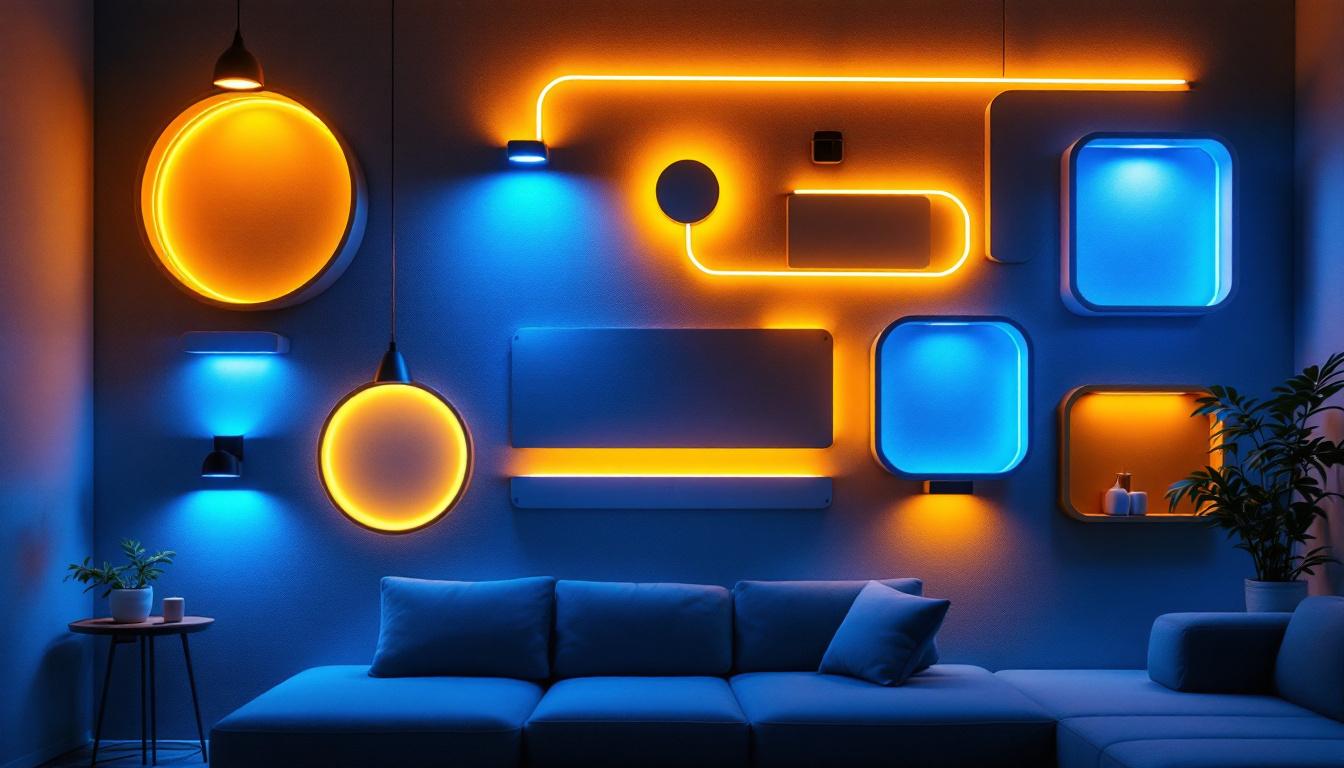
LED lighting has revolutionized the way walls are illuminated in both residential and commercial spaces. For lighting contractors, mastering LED light design for walls is essential to meet client expectations for aesthetics, energy efficiency, and functionality. Walls are more than just structural elements; they serve as canvases for creative lighting that can transform the ambiance and highlight architectural features.
Unlike traditional lighting, LED technology offers unparalleled flexibility in terms of color temperature, brightness, and form factor. This allows contractors to tailor lighting solutions that complement the interior design while optimizing energy consumption. As LED prices continue to decline and their efficiency improves, demand for sophisticated LED wall lighting solutions is growing rapidly.
Why Walls Matter in Lighting Design
Walls provide a large surface area that can be strategically used to enhance spatial perception and mood. Properly designed LED wall lighting can create depth, texture, and visual interest. For example, accent lighting can emphasize artwork or textured wall finishes, while indirect wall lighting can soften the room’s overall illumination.
Moreover, walls often serve as the backdrop for functional lighting such as task lighting in workspaces or ambient lighting in hospitality settings. Lighting contractors must understand how to balance these roles to deliver solutions that are both practical and visually appealing.
In addition to aesthetic considerations, the choice of LED wall lighting can significantly impact the overall energy efficiency of a space. LEDs consume far less power than traditional incandescent or fluorescent bulbs, which not only reduces energy bills but also contributes to a smaller carbon footprint. This is particularly important in commercial settings, where lighting can account for a substantial portion of energy consumption. By utilizing smart lighting controls, such as dimmers and motion sensors, contractors can further enhance energy savings while providing a customizable experience for users.
Furthermore, the versatility of LED wall lighting extends beyond mere illumination; it can also be integrated with smart home technology. This allows homeowners to control their lighting through mobile apps or voice commands, creating a seamless and interactive environment. For instance, programmable LED strips can change colors to match different moods or occasions, making them ideal for both residential and commercial applications. As the trend toward smart homes continues to grow, the integration of LED wall lighting with intelligent systems is becoming an essential consideration for modern design.
Key Considerations When Designing LED Wall Lighting
Assessing the Wall Surface and Environment
The first step in LED wall light design is evaluating the wall itself. Factors such as wall texture, color, material, and size influence how light interacts with the surface. For instance, a glossy or reflective wall will bounce light differently than a matte or textured surface, affecting the choice of LED fixtures and beam angles. Understanding these characteristics can help in creating a lighting scheme that not only illuminates but also enhances the architectural features of the space.
Environmental conditions also play a critical role. In outdoor or damp environments, contractors must select LED fixtures with appropriate IP ratings to ensure durability and safety. Indoor environments may require considerations for heat dissipation and integration with existing electrical systems. Additionally, the surrounding elements, such as furniture placement and window locations, can affect how light is perceived within a room. For example, natural light sources during the day can alter the effectiveness of artificial lighting, necessitating a thoughtful approach to the overall lighting design.
Choosing the Right LED Fixtures
LED wall fixtures come in a variety of forms including wall washers, sconces, linear strips, and recessed lights. Each type serves different design purposes:
- Wall washers: Provide even illumination across large wall surfaces, ideal for galleries or commercial spaces.
- Sconces: Add decorative and functional lighting, often used in residential and hospitality settings.
- Linear LED strips: Perfect for creating continuous lines of light along architectural features or niches.
- Recessed LED lights: Offer subtle, integrated lighting that maintains clean wall aesthetics.
Lighting contractors should match fixture types to the design intent, considering factors such as beam angle, lumen output, and color rendering index (CRI). High CRI LEDs are preferred for spaces where color accuracy is important, such as art galleries or retail displays. Furthermore, the choice of fixtures can also reflect the overall design theme of the space; for instance, sleek, modern fixtures may complement contemporary interiors, while ornate sconces may enhance traditional decor. The interplay between fixture design and the surrounding environment can create a cohesive look that resonates with the intended ambiance.
Color Temperature and Its Impact
Color temperature, measured in Kelvins (K), significantly influences the mood and functionality of a space. Warm white (2700K–3000K) creates a cozy and inviting atmosphere, while cool white (4000K–5000K) is more energizing and suitable for work environments.
Lighting contractors must collaborate with designers and clients to select color temperatures that complement the wall colors and the overall interior palette. Dynamic or tunable white LEDs offer flexibility by allowing users to adjust color temperature throughout the day, enhancing comfort and productivity. This adaptability can be particularly beneficial in multi-functional spaces, where the lighting needs may shift from casual gatherings to focused work sessions. Moreover, the strategic use of color temperature can help delineate different areas within an open floor plan, guiding the flow of movement and interaction among occupants.
Design Techniques to Enhance Wall Lighting with LEDs
Accent and Feature Lighting
Accent lighting is a powerful tool to draw attention to specific wall features such as artwork, textured finishes, or architectural details. Using directional LED spotlights or adjustable wall washers, contractors can create focal points that add drama and visual interest.
For example, in a retail environment, LED accent lighting can highlight merchandise displays, increasing product visibility and appeal. In residential settings, it can enhance the ambiance by spotlighting decorative elements or textured wall panels.
Indirect and Cove Lighting
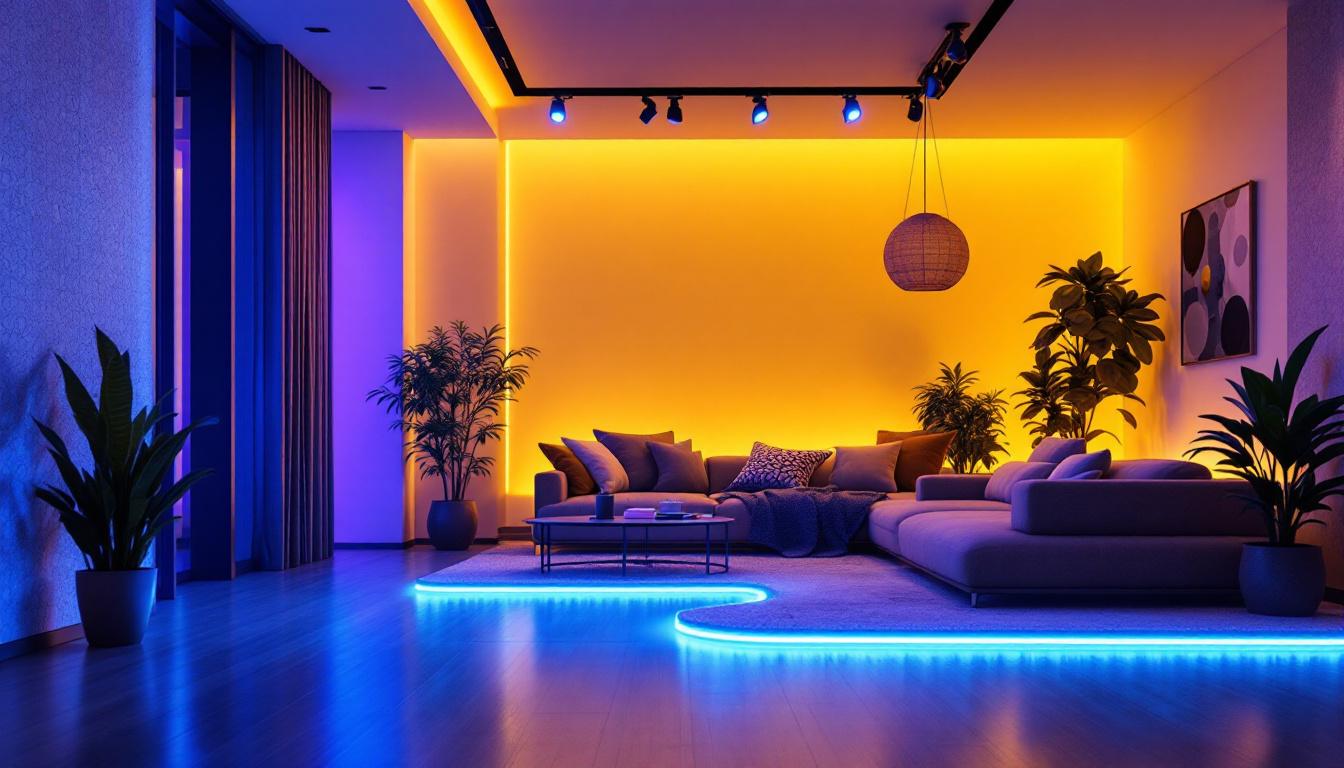
Indirect lighting techniques involve hiding the LED source behind moldings, ledges, or coves to create a soft, diffused glow on the wall. This approach reduces glare and produces a warm, inviting atmosphere. It is especially effective in living rooms, corridors, and hospitality spaces.
Lighting contractors must carefully plan the placement and intensity of LED strips used for indirect lighting to avoid uneven illumination or hotspots. Selecting high-quality diffusers and ensuring proper installation are key to achieving a seamless effect.
Layering Light for Depth and Dimension
Layered lighting combines ambient, task, and accent lighting to create a balanced and dynamic environment. For walls, this might mean using a combination of recessed LED downlights for general illumination, wall washers for texture, and sconces for decorative accents.
This multi-layered approach enhances spatial perception and allows users to customize lighting according to their needs. Contractors should design control systems that enable easy adjustment of different lighting layers, improving user experience and energy efficiency.
Technical and Practical Challenges in LED Wall Lighting
Heat Management and Longevity
Although LEDs generate less heat than traditional bulbs, heat dissipation remains a critical concern, especially for high-output fixtures or installations with limited ventilation. Excessive heat can reduce LED lifespan and performance.
Lighting contractors must ensure that LED fixtures are installed with adequate heat sinks and that wall materials do not trap heat. Consulting manufacturer specifications and adhering to recommended installation guidelines can prevent premature failures.
Wiring and Control Integration
Modern LED wall lighting often incorporates advanced control systems such as dimming, color tuning, and smart automation. Integrating these controls requires careful planning of wiring routes and compatibility with existing electrical infrastructure.
Contractors should stay updated on the latest communication protocols like DALI, Zigbee, or DMX to offer clients flexible and scalable lighting solutions. Proper labeling and documentation during installation also facilitate future maintenance and upgrades.
Ensuring Uniformity and Avoiding Glare
Achieving uniform illumination on walls can be challenging, particularly with uneven surfaces or complex architectural features. Uneven light distribution can create distracting shadows or bright spots.
Using LED fixtures with appropriate beam angles and employing diffusers can help achieve consistent lighting. Additionally, positioning fixtures to minimize direct line-of-sight exposure reduces glare, enhancing visual comfort.
Best Practices and Trends for Lighting Contractors
Energy Efficiency and Sustainability
Energy efficiency remains a top priority for clients and regulatory bodies. LED wall lighting inherently offers significant energy savings, but contractors can further optimize designs by selecting high-efficiency drivers, using occupancy sensors, and implementing daylight harvesting controls.
Incorporating sustainable practices not only reduces operational costs but also aligns with growing environmental standards and certifications such as LEED or WELL Building Standard.
Customization and Client Collaboration
Successful LED wall lighting projects depend on clear communication and collaboration with clients. Understanding their functional needs, aesthetic preferences, and budget constraints enables contractors to propose tailored solutions.
Offering mock-ups, lighting simulations, or sample installations can help clients visualize the final outcome, reducing revisions and enhancing satisfaction. Staying informed about emerging LED technologies and design trends empowers contractors to provide innovative and competitive services.
Embracing Smart Lighting Technologies
The integration of smart lighting controls is transforming the role of lighting contractors. Systems that allow remote control, scene setting, and integration with building management systems add significant value to LED wall lighting installations.
Contractors should develop expertise in programming and troubleshooting these systems to meet the increasing demand for intelligent lighting solutions that enhance convenience, security, and energy management.
Conclusion
LED light design for walls is a multifaceted discipline requiring technical knowledge, creative vision, and practical skills. For lighting contractors, understanding the nuances of wall surfaces, fixture selection, color temperature, and control integration is crucial to delivering high-quality, efficient, and visually compelling lighting solutions.
By staying abreast of technological advancements and adopting best practices, contractors can not only meet but exceed client expectations, positioning themselves as trusted experts in the evolving lighting industry.
Illuminate Your Projects with LumenWholesale
Ready to elevate your LED wall lighting designs with products that blend quality, efficiency, and value? Look no further than LumenWholesale for your lighting needs. Our extensive selection of spec-grade lighting products is designed to meet the highest industry standards, ensuring that every installation shines with reliability and performance. With unbeatable wholesale prices and the convenience of free shipping on bulk orders, you can access premium lighting solutions that fit your budget. Say goodbye to inflated markups and hidden fees, and hello to the perfect lighting for your projects. Take the first step towards exceptional lighting by visiting Wholesale Lighting at the Best Value today.