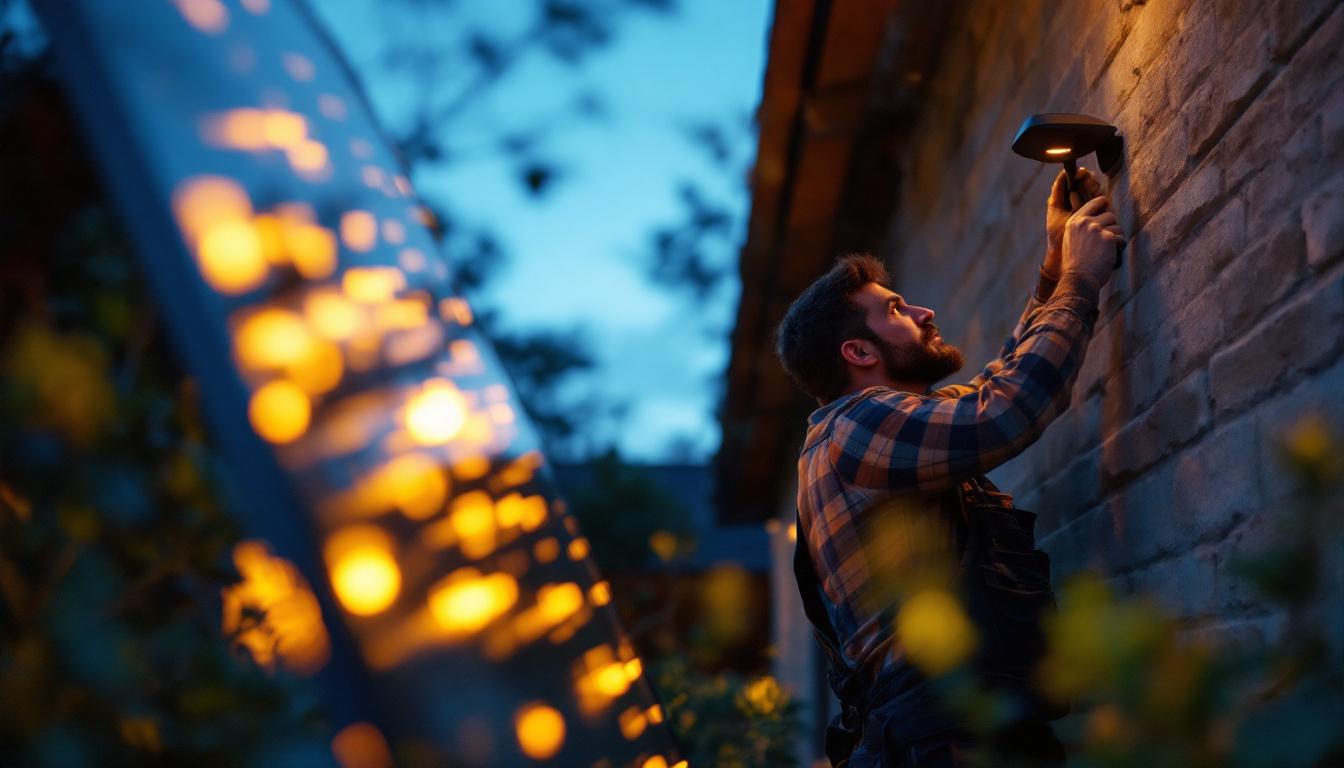
As the demand for sustainable energy solutions continues to rise, large solar lights are becoming a popular choice for outdoor lighting projects. For lighting contractors, understanding the intricacies of these systems is essential to deliver high-quality installations that meet client expectations. This article provides valuable insights and practical tips for effectively working with large solar lights in outdoor settings.
Understanding Large Solar Lights
Large solar lights are designed to harness solar energy for outdoor illumination. They typically consist of solar panels, LED lights, batteries, and a control system. Unlike traditional lighting systems, solar lights operate independently of the electrical grid, making them an eco-friendly and cost-effective solution. Their ability to reduce energy costs while providing reliable lighting makes them an increasingly popular choice for both residential and commercial applications. Moreover, the installation of large solar lights often requires minimal infrastructure, allowing for greater flexibility in placement and design.
Components of Large Solar Lights
To master the installation and maintenance of large solar lights, it is crucial to understand their components. Each part plays a vital role in the overall functionality of the lighting system. The durability and efficiency of these components can significantly influence the performance and longevity of the lights, making it essential to choose high-quality materials and designs.
- Solar Panels: These capture sunlight and convert it into electricity. The efficiency of the panels directly impacts the performance of the lights. Modern solar panels often come with advanced technologies, such as monocrystalline or polycrystalline designs, which can enhance energy capture even in less-than-ideal weather conditions.
- LED Lights: Known for their longevity and energy efficiency, LED lights are the primary source of illumination in solar lighting systems. They produce bright light while consuming significantly less power compared to traditional bulbs, and their lifespan can extend up to 50,000 hours, reducing the need for frequent replacements.
- Batteries: These store the energy generated by the solar panels, allowing the lights to operate during the night or on cloudy days. Lithium-ion batteries are becoming increasingly popular due to their higher energy density and longer life cycle compared to older battery technologies.
- Control System: This includes sensors and timers that regulate when the lights turn on and off, optimizing energy use. Some advanced systems even feature smart technology that allows for remote monitoring and control, providing users with the ability to adjust settings based on specific needs or environmental conditions.
Types of Large Solar Lights
When selecting large solar lights for a project, it is essential to consider the various types available. Each type serves different purposes and is suited for specific environments. Understanding these distinctions can help ensure that the chosen lighting solution meets both functional and aesthetic requirements.
- Solar Flood Lights: Ideal for illuminating large areas, these lights provide powerful illumination and are often used in parks or commercial spaces. Their wide beam angle and high lumen output make them perfect for security applications, ensuring that dark corners and expansive areas are well-lit.
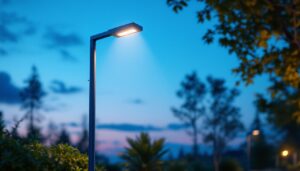
- Solar Street Lights: Designed to mimic traditional street lighting, these fixtures are perfect for roadways and pathways. Many models come equipped with motion sensors that increase brightness when movement is detected, enhancing safety for pedestrians and cyclists.
- Solar Garden Lights: These are typically smaller and used for decorative purposes, enhancing the aesthetics of outdoor spaces. They can be found in various designs, from whimsical to elegant, allowing homeowners to express their personal style while benefiting from sustainable lighting solutions.
Installation Best Practices
Proper installation is crucial for maximizing the performance and longevity of large solar lights. Lighting contractors must adhere to best practices to ensure optimal functionality.
Site Assessment
Before installation, conducting a thorough site assessment is essential. This involves evaluating the location for sunlight exposure, potential obstructions, and the specific lighting needs of the area.
Identify any trees, buildings, or other structures that may cast shadows on the solar panels. A location with unobstructed sunlight for most of the day will ensure that the solar lights charge effectively.
Correct Placement of Solar Panels
The placement of solar panels significantly affects the performance of large solar lights. Panels should be positioned to receive maximum sunlight throughout the day.
Consider the angle and orientation of the panels. In many cases, a south-facing orientation is optimal in the northern hemisphere, while a north-facing orientation works best in the southern hemisphere. Additionally, ensure that the panels are mounted securely and at an angle that allows for optimal sunlight capture.
Wiring and Connections
While many large solar lights come with integrated wiring, ensuring that all connections are secure is vital. Loose or corroded connections can lead to power loss and reduced performance.
Use weather-resistant materials and follow manufacturer guidelines for wiring to prevent issues caused by moisture or temperature fluctuations. Regularly inspect connections during maintenance checks to ensure ongoing reliability.
Maintenance Tips for Longevity
Maintaining large solar lights is essential to ensure their longevity and consistent performance. Regular maintenance can prevent issues and extend the lifespan of the components.
Regular Cleaning
Dust, dirt, and debris can accumulate on solar panels, reducing their efficiency. Regular cleaning is necessary to maintain optimal performance.
Use a soft cloth or sponge with mild soap and water to clean the panels. Avoid using abrasive materials that could scratch the surface. Cleaning should be done at least twice a year, or more frequently in dusty environments.
Battery Maintenance
The batteries in solar lights are critical for storing energy. Over time, they may degrade and require replacement to maintain performance.
Monitor battery performance regularly. If lights are dimming or not operating as expected, it may be time to replace the batteries. Always use compatible batteries as recommended by the manufacturer to ensure optimal performance.
Inspecting Components
Regular inspections of all components, including the solar panels, LED lights, and control systems, are essential for identifying potential issues before they become significant problems.
Look for signs of wear, corrosion, or damage. Addressing minor issues promptly can prevent costly repairs or replacements down the line.
Choosing the Right Products
For lighting contractors, selecting the right products is crucial for project success. Understanding the various features and specifications of large solar lights can help in making informed decisions.
Evaluating Brightness and Lumens
Brightness is a key factor when choosing large solar lights. Measured in lumens, the brightness level should be appropriate for the intended application.
For example, areas requiring high visibility, such as parking lots or pathways, may need lights with higher lumen outputs. Conversely, decorative garden lights may require lower lumen outputs for ambient lighting.
Battery Capacity and Runtime
The battery capacity of solar lights determines how long they can operate after sunset. A higher capacity battery allows for longer runtimes, which is essential for areas with limited sunlight exposure.
Consider the average number of hours the lights will need to operate each night and choose products with sufficient battery capacity to meet those needs.
Durability and Weather Resistance
Outdoor lighting fixtures must withstand various weather conditions. Look for products made from durable materials that are resistant to corrosion, rust, and UV damage.
Check for IP ratings, which indicate the level of protection against dust and water ingress. Products with higher IP ratings are better suited for harsh outdoor environments.
Addressing Common Challenges
Lighting contractors may encounter various challenges when working with large solar lights. Understanding these challenges and knowing how to address them can lead to more successful installations.
Limited Sunlight Exposure
In some locations, limited sunlight exposure can hinder the performance of solar lights. This can be particularly challenging in areas with tall buildings or dense tree cover.
To mitigate this issue, consider using solar lights with larger panels or higher-capacity batteries. Additionally, strategically positioning the lights to maximize sunlight exposure can help improve performance.
Seasonal Variations
Seasonal changes can affect the performance of solar lights. Shorter days and inclement weather during winter months can lead to reduced charging time.
Contractors should inform clients about potential seasonal variations and recommend solutions, such as installing additional lights or using hybrid systems that combine solar and grid power for consistent performance year-round.
Client Education
Educating clients about the operation and maintenance of large solar lights is essential for ensuring satisfaction and longevity. Many clients may not be familiar with how solar lights work or what maintenance is required.
Providing clear instructions and resources can empower clients to take care of their solar lights effectively. This includes guidance on cleaning, battery maintenance, and troubleshooting common issues.
Future Trends in Solar Lighting
The solar lighting industry is rapidly evolving, with new technologies and trends emerging regularly. Staying informed about these developments can help lighting contractors remain competitive and offer the best solutions to clients.
Smart Solar Lighting
Smart technology is making its way into solar lighting systems, allowing for enhanced control and efficiency. Features such as motion sensors, remote control, and integration with smart home systems are becoming increasingly popular.
Contractors should explore smart solar lighting options to provide clients with innovative solutions that enhance security and convenience.
Improved Battery Technologies
Advancements in battery technology are leading to longer-lasting and more efficient batteries for solar lights. Lithium-ion batteries, for example, offer higher energy density and longer lifespans compared to traditional lead-acid batteries.
Staying updated on the latest battery technologies can help contractors recommend the best products for their clients’ needs.
Integration with Renewable Energy Sources
As the push for renewable energy continues, integrating solar lighting systems with other renewable sources, such as wind or hydro power, is becoming more feasible.
This integration can enhance the reliability and efficiency of outdoor lighting systems, providing contractors with additional options to meet client demands for sustainability.
Conclusion
Large solar lights offer a sustainable and cost-effective solution for outdoor lighting projects. By mastering the intricacies of these systems, lighting contractors can deliver high-quality installations that meet client needs while contributing to a greener future.
From understanding the components and installation best practices to addressing common challenges and staying informed about future trends, contractors can position themselves as experts in the solar lighting field. By doing so, they not only enhance their service offerings but also play a crucial role in promoting environmentally friendly practices in the lighting industry.
Illuminate Your Projects with LumenWholesale
Ready to elevate your outdoor lighting projects with the best solar solutions on the market? Look no further than LumenWholesale. We provide lighting contractors with high-quality, spec-grade solar lights at unbeatable wholesale prices. Our commitment to cutting out the middleman means you get the superior products your clients demand, without the inflated markups. With our wide selection that meets the highest industry standards, you can ensure reliable, high-performance lighting for every project. Plus, our hassle-free bulk buying and free shipping mean you get premium lighting at the best value — without hidden fees or compromises. Don’t miss out on the perfect blend of quality, affordability, and convenience. Wholesale Lighting at the Best Value is just a click away.