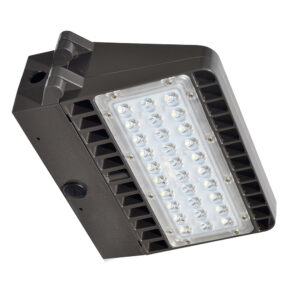
Introduction to Solar Powered LED Garden Lights
For lighting contractors, understanding the latest advancements in outdoor lighting technology is essential to meet client demands and stay competitive. Solar powered LED garden lights have surged in popularity due to their energy efficiency, sustainability, and ease of installation. These lighting solutions harness solar energy to illuminate gardens, pathways, and outdoor spaces without relying on traditional electrical wiring.
Unlike conventional garden lighting, solar powered LED lights operate independently of the grid, reducing installation costs and environmental impact. This article breaks down the key components, benefits, and considerations of solar powered LED garden lights, providing contractors with a comprehensive overview in just five minutes.
The core of solar powered LED garden lights lies in their photovoltaic cells, which convert sunlight into electricity. This process not only allows for energy independence but also ensures that the lights can function even in remote areas where electrical access is limited. Additionally, many models come equipped with motion sensors and timers, enhancing security and convenience while further optimizing energy use. As technology advances, these lights are becoming increasingly sophisticated, with features like adjustable brightness levels and color temperature settings that allow homeowners to customize their outdoor ambiance.
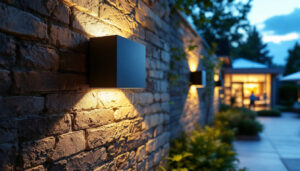
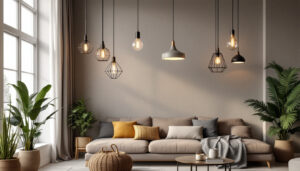
Moreover, the aesthetic appeal of solar powered LED garden lights cannot be overlooked. Available in a variety of designs, from sleek modern fixtures to charming vintage lanterns, they can complement any garden style or landscape architecture. This versatility makes them an attractive option for homeowners looking to enhance their outdoor spaces. Furthermore, the integration of smart technology is paving the way for remote control capabilities and integration with home automation systems, allowing users to manage their garden lighting from their smartphones or tablets. As the demand for sustainable and innovative outdoor lighting solutions continues to grow, contractors who are well-versed in solar powered LED technology will be well-positioned to meet the evolving needs of their clients.
How Solar Powered LED Garden Lights Work
Core Components
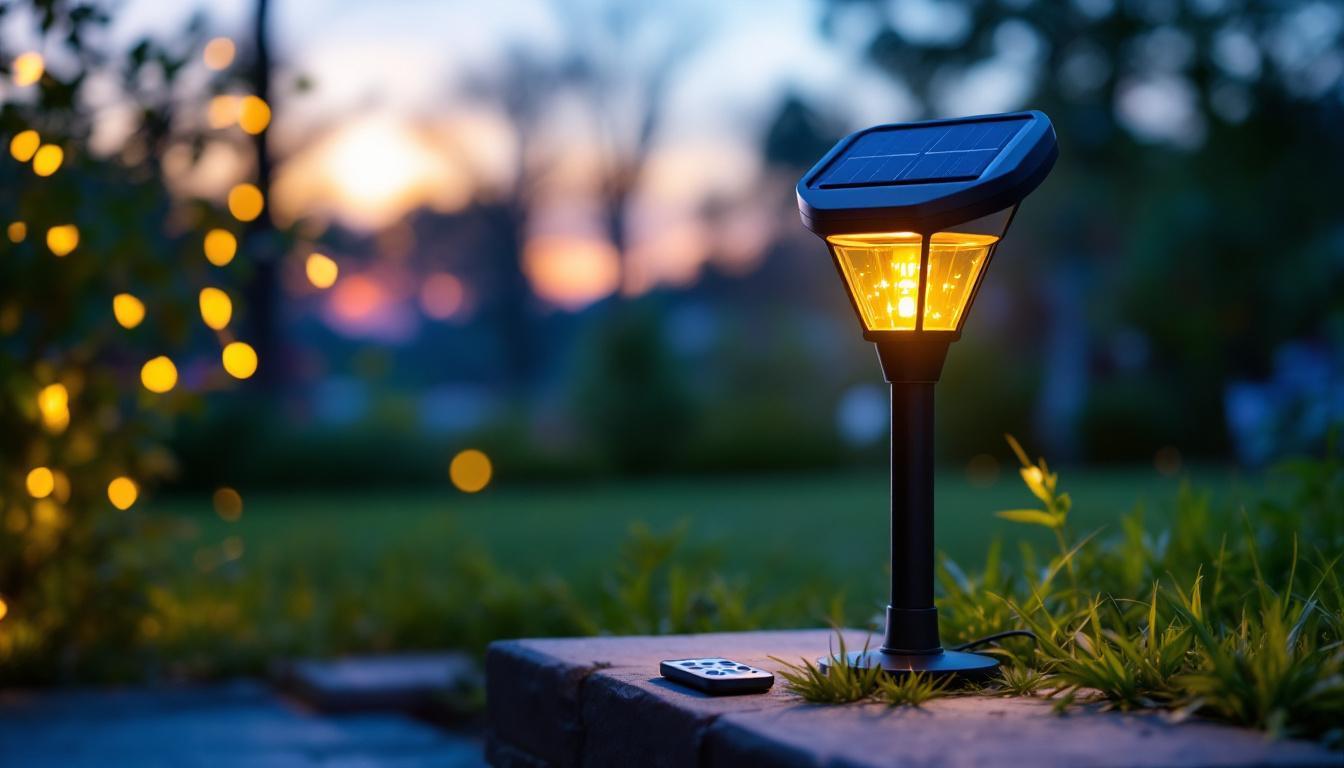
At the heart of every solar powered LED garden light are three main components: the solar panel, the rechargeable battery, and the LED light source. The solar panel captures sunlight during the day, converting it into electrical energy. This energy is stored in the rechargeable battery, typically a lithium-ion or nickel-metal hydride type, which powers the LED light after dusk.
The LED (Light Emitting Diode) is the illumination source known for its longevity and energy efficiency. LEDs consume significantly less power compared to incandescent or halogen bulbs, making them ideal for solar-powered applications where energy storage is limited. Additionally, the color temperature of LEDs can vary, allowing for a range of lighting effects—from warm white tones that create a cozy atmosphere to cooler shades that enhance visibility in outdoor spaces.
Operation Cycle
Solar garden lights generally include a built-in light sensor that automatically turns the LED on at dusk and off at dawn. During daylight hours, the solar panel charges the battery, ensuring the light has sufficient power to operate throughout the night. The efficiency of this cycle depends on factors such as panel size, battery capacity, and local sunlight availability. In regions with prolonged cloudy days or shorter daylight hours, it may be beneficial to choose lights with larger solar panels or batteries with higher storage capacity to ensure consistent performance.
Moreover, many modern solar garden lights come equipped with additional features such as motion sensors or adjustable brightness settings. Motion sensors can enhance security by activating the light when movement is detected, while adjustable brightness allows users to customize the intensity based on their needs, whether for ambiance or safety. For contractors, understanding these components helps in selecting the right products for varying site conditions and client expectations. This knowledge can also guide decisions on installation locations, ensuring that solar panels receive optimal sunlight exposure for maximum efficiency.
Advantages of Solar Powered LED Garden Lights for Contractors
Cost-Effective Installation
One of the most attractive benefits of solar powered LED garden lights is the elimination of trenching and wiring costs. Traditional outdoor lighting often requires extensive electrical work, which can be time-consuming and expensive. Solar lights are typically plug-and-play, allowing for rapid deployment even in remote or hard-to-wire locations.
This ease of installation translates to reduced labor hours and lower overall project costs, which can be a significant selling point when proposing lighting solutions to clients.
Energy Efficiency and Sustainability
LED technology is inherently energy efficient, consuming up to 80% less energy than traditional bulbs. When paired with solar power, these lights operate entirely off-grid, reducing carbon footprints and utility expenses. For environmentally conscious clients, this combination offers an appealing, green alternative to conventional lighting.
Contractors can leverage these sustainability benefits to align with growing market trends favoring eco-friendly products and to comply with increasingly stringent energy regulations.
Low Maintenance and Longevity
Solar powered LED garden lights require minimal maintenance. LEDs have lifespans exceeding 25,000 hours, and modern rechargeable batteries can endure several years before replacement is necessary. Additionally, the absence of wiring reduces potential points of failure and safety hazards.
For contractors managing multiple outdoor lighting installations, recommending solar LED solutions can reduce long-term service calls and enhance client satisfaction.
Key Considerations When Selecting Solar LED Garden Lights
Brightness and Light Quality
Brightness, measured in lumens, is a critical factor in garden lighting. Solar powered LED lights typically range from 100 to 800 lumens. Contractors should assess the intended use—whether for subtle pathway illumination or accentuating landscape features—to select appropriate brightness levels.
Color temperature also affects ambiance. Warm white (2700K-3000K) creates a cozy atmosphere, while cool white (4000K-5000K) offers a more modern, crisp look. Understanding client preferences and site requirements will guide optimal product choices.
Battery Capacity and Runtime
The battery capacity, usually expressed in milliampere-hours (mAh), determines how long the light can operate after sunset. High-capacity batteries enable longer illumination periods, which is particularly important in regions with shorter daylight hours or during overcast weather.
Contractors should verify battery specifications and consider seasonal variations to ensure consistent performance year-round.
Solar Panel Efficiency and Placement
Solar panel efficiency varies based on technology and size. Monocrystalline panels tend to be more efficient than polycrystalline, capturing more sunlight in limited space. Proper placement is essential; panels must receive direct sunlight for several hours daily to fully charge batteries.
When planning installations, contractors should evaluate shading from trees, buildings, or other obstructions that could impair solar charging.
Durability and Weather Resistance
Outdoor lighting must withstand diverse weather conditions. Look for fixtures with high ingress protection (IP) ratings—IP65 or higher is preferable—to ensure resistance against dust and water. Materials such as stainless steel, aluminum, and UV-resistant plastics enhance durability.
Contractors should select products designed for local climate challenges, including heavy rain, snow, or extreme temperatures, to guarantee longevity.
Installation Best Practices for Lighting Contractors
Site Assessment and Planning
Before installation, conduct a thorough site assessment to identify optimal locations for solar panels and lights. Consider sun exposure, landscape features, and client preferences. Mapping out the lighting layout ensures balanced illumination and maximizes solar charging efficiency.
Engaging clients in this planning phase can help align expectations and avoid costly adjustments later.
Mounting and Positioning Tips
Solar panels should be mounted at angles that maximize sun exposure, typically facing true south in the northern hemisphere. Avoid placing panels in shaded areas or near reflective surfaces that could cause glare. Lights should be positioned to highlight pathways, garden beds, or architectural features without causing light pollution or glare.
Using adjustable mounts or stakes can provide flexibility for fine-tuning after installation.
Testing and Quality Assurance
After installation, test each light to confirm proper operation. Verify that sensors activate the LEDs at dusk and that the lights maintain illumination for the expected duration. It’s advisable to monitor performance over several days to account for varying weather conditions.
Documenting these tests and providing clients with maintenance guidelines enhances professionalism and trust.
Emerging Trends and Innovations in Solar LED Garden Lighting
Smart Controls and Automation
Modern solar LED garden lights increasingly integrate smart technology, including motion sensors, remote controls, and app-based management. These features allow for customized lighting schedules, brightness adjustments, and energy-saving modes, offering clients enhanced control and convenience.
For contractors, familiarity with these innovations can open new business opportunities and differentiate service offerings.
Hybrid Solar and Battery Systems
Some advanced systems combine solar power with auxiliary battery backups or grid connectivity to ensure uninterrupted lighting during extended cloudy periods. These hybrid solutions provide reliability without sacrificing sustainability.
Understanding these options allows contractors to tailor solutions for clients with higher performance expectations or challenging environments.
Design Integration and Aesthetics
As outdoor lighting becomes an integral part of landscape design, manufacturers offer a wider variety of styles, finishes, and customizable options. From minimalist fixtures to ornate lanterns, solar LED garden lights can complement diverse architectural themes.
Contractors who can advise on both technical and aesthetic aspects are better positioned to deliver comprehensive lighting solutions.
Conclusion
Solar powered LED garden lights represent a compelling combination of energy efficiency, ease of installation, and environmental responsibility. For lighting contractors, mastering the technical details and practical considerations of these systems is vital to delivering high-quality outdoor lighting projects that satisfy client needs and regulatory standards.
By understanding component functionality, evaluating product specifications, and applying best installation practices, contractors can confidently recommend and deploy solar LED garden lighting solutions that enhance outdoor spaces while reducing operational costs and environmental impact.
Illuminate Your Projects with LumenWholesale
Ready to elevate your lighting projects with the most efficient and sustainable solar powered LED garden lights? At LumenWholesale, we provide lighting contractors with the highest quality, spec-grade lighting products at prices that can’t be beaten. Say goodbye to middleman markups and hello to our extensive selection that meets rigorous industry standards. With free shipping on bulk orders, you can trust that you’re getting premium lighting solutions at the best value — all with the convenience you deserve. Enhance your outdoor lighting offerings and delight your clients by choosing Wholesale Lighting at the Best Value with LumenWholesale.