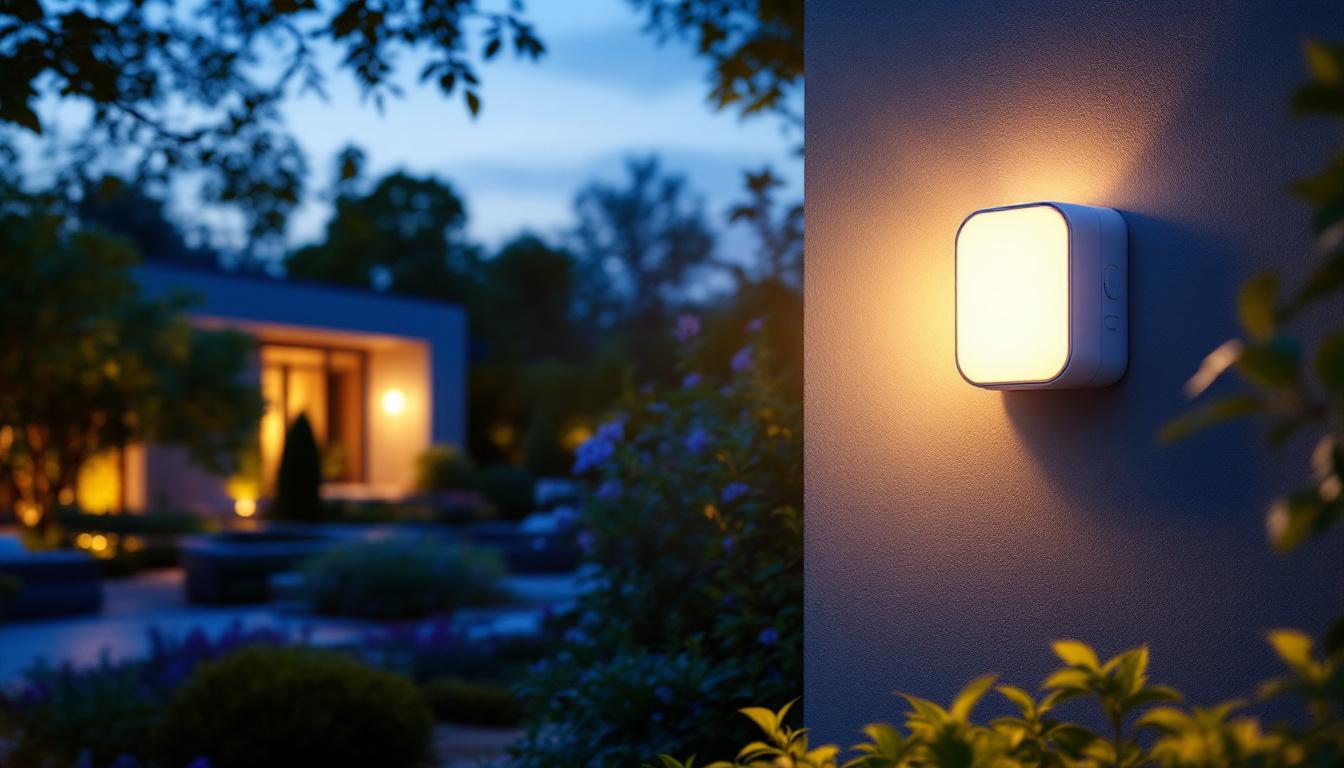
Understanding Outdoor Light Timers with Light Sensors
Outdoor lighting is a critical element in both residential and commercial environments, enhancing safety, security, and aesthetic appeal. For lighting contractors, integrating outdoor light timers with light sensors offers a sophisticated solution that optimizes energy efficiency and user convenience. These devices automatically control lighting based on ambient light levels and preset schedules, ensuring lights operate only when needed.
Light sensors, often referred to as photocells, detect natural light intensity and trigger the lighting system accordingly. When combined with timers, they provide dual-layer control—lights can be programmed to turn on or off at specific times while also responding dynamically to changing daylight conditions. This synergy reduces unnecessary energy consumption and extends the lifespan of lighting fixtures.
Key Components and Functionality
Outdoor light timers with light sensors typically consist of a photocell sensor, a programmable timer module, and a relay switch. The photocell measures ambient light, while the timer allows contractors or end-users to set specific operational windows. The relay acts as the switch controlling the power flow to the lighting fixture.
For example, a streetlight equipped with such a system might be programmed to turn on at dusk but only if the ambient light falls below a certain threshold, preventing activation during overcast days or early evening bright conditions. This intelligent control ensures optimal lighting performance and energy savings.
Moreover, the integration of smart technology into outdoor light timers has revolutionized their functionality. Many modern systems now offer remote control capabilities via smartphone apps, allowing users to adjust settings from anywhere. This feature is particularly beneficial for property managers overseeing multiple locations, as they can monitor and modify lighting schedules in real-time, ensuring that each area is adequately illuminated without wasting energy. Additionally, some advanced models incorporate motion sensors, which can further enhance security by activating lights only when movement is detected, thus providing an extra layer of protection for homes and businesses alike.
In addition to their practical benefits, outdoor light timers with light sensors also contribute to sustainability efforts. By minimizing energy usage during peak hours and reducing light pollution, these systems align with green building practices and environmental conservation. As communities become more conscious of their ecological footprint, the adoption of such technologies is likely to increase, paving the way for smarter, more efficient outdoor lighting solutions that benefit both users and the planet.
Benefits of Using Outdoor Light Timers with Light Sensors
Lighting contractors who incorporate these devices into their projects can offer clients several tangible benefits:
Energy Efficiency and Cost Savings
One of the most compelling reasons to use outdoor light timers with light sensors is the significant reduction in energy consumption. According to studies by energy efficiency organizations, lighting accounts for approximately 15-20% of total electricity use in commercial buildings. By ensuring lights operate only when necessary, these systems can reduce energy usage by up to 30-50% compared to manual or non-sensor-controlled lighting.
For clients, this translates into lower utility bills and a reduced carbon footprint. Contractors who emphasize these savings can position themselves as environmentally responsible and cost-conscious professionals, enhancing their market appeal. Furthermore, many utility companies offer rebates or incentives for the installation of energy-efficient lighting systems, providing an additional financial benefit for clients who invest in these technologies.
Enhanced Security and Safety
Proper outdoor lighting is vital for deterring criminal activity and preventing accidents. Light timers with sensors ensure that exterior lights are reliably activated during nighttime hours or low-light conditions, maintaining consistent illumination without manual intervention.
Moreover, these systems can be integrated with motion sensors or security cameras to create comprehensive security solutions. This integration helps contractors offer more value-added services, meeting the increasing demand for smart and automated outdoor security lighting. Additionally, the presence of well-lit outdoor areas can enhance the overall aesthetic of a property, making it more inviting and safer for guests and residents alike. A well-lit environment can also reduce liability for property owners, as adequate lighting can help prevent slips, trips, and falls in poorly illuminated areas.
Extended Fixture Lifespan and Reduced Maintenance
By limiting the operational hours of lighting fixtures, outdoor light timers with light sensors reduce wear and tear on bulbs and electrical components. This leads to longer service intervals and fewer replacements, which benefits both contractors and their clients by lowering maintenance costs and minimizing downtime.
In addition to extending the lifespan of lighting fixtures, the use of these timers can also promote the adoption of more sustainable lighting technologies, such as LED bulbs, which are already known for their longevity and energy efficiency. By combining timers with LEDs, clients can achieve even greater energy savings and lower maintenance requirements. This synergy not only enhances the overall performance of the lighting system but also aligns with the growing trend towards sustainable building practices, making it an attractive option for environmentally conscious clients.
Best Practices for Lighting Contractors When Installing Outdoor Light Timers with Light Sensors
Successful installation and configuration of outdoor light timers with light sensors require careful planning and attention to detail. The following best practices can help contractors deliver reliable, efficient, and effective lighting solutions.
Site Assessment and Light Level Analysis
Before selecting or installing any timer or sensor, conduct a thorough site assessment. Evaluate the ambient light conditions throughout the day and night, considering factors such as nearby streetlights, building reflections, and seasonal changes in daylight duration.
Using a light meter to measure lux levels at different times can help determine the optimal sensor sensitivity settings. This ensures the photocell activates lighting only when necessary, avoiding premature or delayed switching.
Choosing the Right Timer and Sensor Combination
Not all outdoor light timers and sensors are created equal. Contractors should select devices that are compatible with the lighting fixtures and electrical systems in use. Key considerations include:
- Load Capacity: Ensure the timer and sensor can handle the wattage and type of lighting load, whether LED, incandescent, or HID.
- Weather Resistance: Outdoor devices must have appropriate IP ratings to withstand rain, dust, and temperature fluctuations.
- Programmability: Look for timers with flexible programming options, including multiple on/off cycles and override capabilities.
- Sensor Sensitivity Adjustment: Adjustable photocells allow fine-tuning to match site-specific lighting conditions.
By carefully selecting equipment, contractors can avoid common issues such as false triggering or premature lamp burnout.
Proper Installation Techniques
Installation quality directly impacts system performance. Follow these guidelines to ensure optimal operation:
- Mounting Location: Position photocells away from artificial light sources that could cause false readings, such as nearby streetlights or illuminated signs.
- Orientation: Install sensors facing the open sky to accurately detect natural light levels without obstruction.
- Wiring and Connections: Use weatherproof connectors and conduit to protect wiring from environmental damage. Verify all connections are secure and compliant with local electrical codes.
- Testing: After installation, test the system under varying light conditions to confirm correct operation and adjust settings as needed.
Programming and Configuration Tips
Effective programming maximizes the benefits of outdoor light timers with light sensors. Contractors should:
- Set timer schedules to align with client needs and local sunset/sunrise times.
- Adjust photocell sensitivity to prevent activation during twilight or artificial light interference.
- Incorporate manual override options for maintenance or special events.
- Document all settings and provide clients with clear instructions for operation and troubleshooting.
Common Challenges and How to Overcome Them
Despite their advantages, outdoor light timers with light sensors can present challenges. Awareness of these issues enables contractors to proactively address them.
False Triggering and Inconsistent Operation
One frequent problem is false triggering caused by nearby light sources or shadows. To mitigate this, ensure sensors are mounted in locations free from stray light and obstructions. Using sensors with adjustable sensitivity settings also helps tailor the system to the environment.
Compatibility Issues with LED Lighting
LED lighting has become the standard for outdoor applications due to its efficiency and longevity. However, some older timers and sensors may not be fully compatible with LED loads, leading to flickering or failure to switch properly. Contractors should verify compatibility and, if necessary, select devices specifically designed for LED lighting.
Environmental Factors Affecting Sensor Performance
Extreme weather conditions, dirt accumulation, and insect interference can degrade sensor accuracy. Regular maintenance, including cleaning sensor lenses and inspecting for damage, is essential. Additionally, choosing high-quality, weather-resistant devices reduces the risk of environmental impact.
Advancements and Innovations in Outdoor Lighting Control
The field of outdoor lighting control continues to evolve, offering contractors new tools to enhance their installations.
Integration with Smart Home and Building Automation Systems
Modern outdoor light timers with light sensors increasingly support integration with smart home hubs and building management systems. This connectivity allows remote monitoring, scheduling adjustments, and real-time alerts, providing clients with greater control and convenience.
Adaptive and Predictive Lighting Controls
Emerging technologies utilize machine learning algorithms to analyze usage patterns and environmental data, enabling adaptive lighting that optimizes energy use without compromising safety. Contractors familiar with these innovations can differentiate their services by offering cutting-edge solutions.
Wireless and Solar-Powered Options
Wireless outdoor light timers with light sensors simplify installation by eliminating the need for extensive wiring. Solar-powered units further enhance sustainability by harnessing renewable energy, ideal for remote or off-grid locations.
Conclusion: Delivering Value Through Expertise
For lighting contractors, mastering the installation and configuration of outdoor light timers with light sensors is essential to meet the growing demand for efficient, reliable, and intelligent lighting solutions. By understanding the technology, selecting appropriate equipment, and adhering to best practices, contractors can deliver superior results that benefit clients through energy savings, enhanced security, and reduced maintenance.
Staying informed about industry advancements and addressing common challenges proactively positions contractors as trusted experts in outdoor lighting. Ultimately, this expertise not only improves project outcomes but also strengthens client relationships and business growth.
Illuminate Your Projects with LumenWholesale
Ready to elevate your lighting projects with the most efficient, reliable, and intelligent solutions? Look no further than LumenWholesale. We provide lighting contractors with spec-grade lighting products that meet the highest industry standards, all at unbeatable wholesale prices. Say goodbye to inflated markups and hello to premium lighting with the convenience of free shipping. Make your next project shine brighter while enjoying the best value in lighting. Visit LumenWholesale now to explore our extensive selection and start saving on superior lighting solutions.