Understanding the Role of Large Sconces in Lighting Projects
Lighting contractors frequently encounter the challenge of balancing aesthetic appeal with functional efficiency. Large sconces, as architectural lighting fixtures mounted on walls, have evolved beyond mere decorative elements to become pivotal components in lighting design strategies. Their size and placement offer unique advantages that can significantly streamline lighting projects.
Unlike smaller wall fixtures, large sconces provide expansive illumination with fewer units, reducing installation complexity and material costs. This is particularly beneficial in commercial and hospitality environments where consistent lighting levels and ambiance are critical. By understanding the intrinsic benefits of large sconces, contractors can leverage them to optimize both design and operational efficiency.
What Defines a Large Sconce?
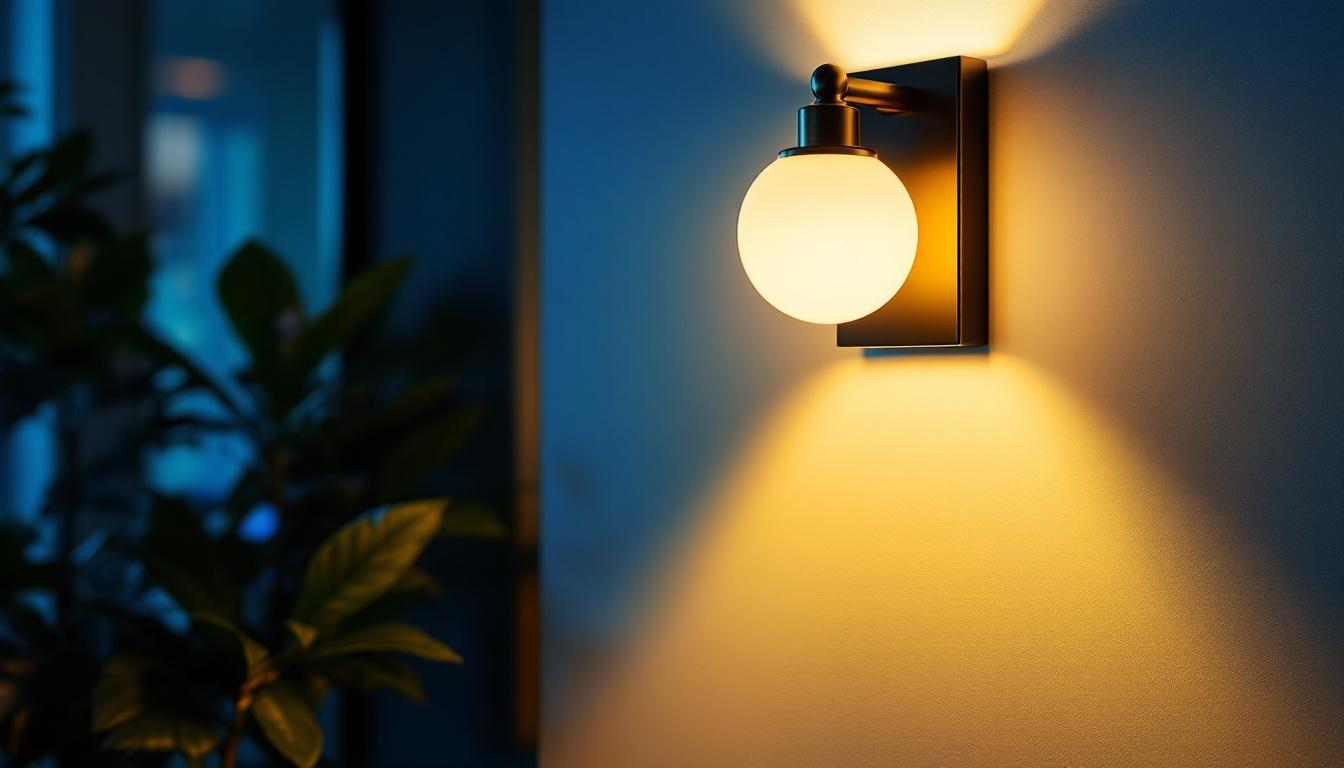
Large sconces are characterized by their substantial physical dimensions and higher lumen output compared to standard wall lights. They often feature wide shades or diffusers that distribute light over a broader area. This design not only enhances visual impact but also improves light coverage, minimizing dark spots and the need for supplementary fixtures.
Materials and finishes for large sconces are diverse, ranging from metal and glass to fabric and acrylic, allowing them to complement various interior styles. Their versatility makes them suitable for corridors, lobbies, conference rooms, and even residential spaces where statement lighting is desired.
In addition to their aesthetic versatility, large sconces can also play a crucial role in energy efficiency. Many modern designs incorporate LED technology, which not only extends the lifespan of the fixtures but also significantly reduces energy consumption. This shift towards sustainable lighting solutions is increasingly important in today’s eco-conscious market, where clients are looking for ways to minimize their carbon footprint while still achieving beautiful and functional spaces. Furthermore, smart lighting controls can be integrated with large sconces, allowing for dynamic adjustments to brightness and color temperature based on the time of day or specific activities, enhancing both comfort and efficiency.
Large sconces also offer opportunities for creative expression in lighting design. With the ability to customize shapes, colors, and finishes, designers can create unique focal points that enhance the overall theme of a space. For instance, a sleek, modern sconce in a polished chrome finish can add a touch of sophistication to a contemporary office, while a rustic, wrought-iron sconce can evoke warmth and charm in a cozy restaurant. This adaptability not only meets the functional needs of lighting but also contributes to the narrative of the environment, making large sconces an essential element in the toolkit of any lighting designer.
Efficiency Gains Through Reduced Fixture Count and Installation Time
One of the most tangible benefits of using large sconces in lighting projects is the reduction in the number of fixtures required to achieve desired illumination levels. This directly correlates to decreased installation time and labor costs, which are significant factors in project budgeting and scheduling.
For example, in a hotel corridor, replacing multiple small sconces with fewer large sconces can cut down installation points, wiring complexity, and maintenance requirements. This simplification accelerates project timelines and reduces the potential for installation errors, which can lead to costly rework. Additionally, fewer fixtures mean less time spent on adjusting and aligning lights, allowing contractors to focus on other critical aspects of the project, such as ensuring that the overall design aesthetics are met and the lighting complements the architecture of the space.
Streamlined Wiring and Electrical Considerations
Large sconces often accommodate higher wattage bulbs or integrated LED modules capable of delivering greater light output. Consequently, fewer circuits and wiring runs are necessary. This not only simplifies electrical design but also reduces material expenses such as conduit, connectors, and junction boxes.
Moreover, the reduced fixture count minimizes the risk of electrical faults and improves overall system reliability. Contractors can benefit from easier troubleshooting and maintenance, which further enhances long-term project efficiency. The integration of smart lighting technology with large sconces also presents an opportunity to optimize energy consumption. By utilizing dimmable options or sensors, these fixtures can adapt to the natural light available or the presence of occupants, further enhancing energy savings and extending the lifespan of the lighting system. This not only contributes to sustainability goals but also aligns with the growing trend of energy-efficient design in modern architecture.
Enhancing Energy Efficiency and Sustainability
Energy efficiency is a critical consideration in modern lighting projects, driven by regulatory standards and client expectations for sustainability. Large sconces, when paired with advanced LED technology, offer substantial energy savings without compromising light quality. These fixtures not only provide a warm and inviting ambiance but also utilize energy more effectively, making them an ideal choice for both residential and commercial spaces.
Because fewer fixtures are needed, the cumulative power consumption decreases. Additionally, many large sconces incorporate dimming capabilities and smart controls, enabling adaptive lighting strategies that respond to occupancy and daylight availability. This intelligent management reduces energy waste and extends fixture lifespan, which is particularly beneficial in high-traffic areas where lighting is frequently adjusted. The integration of sensors and smart technology not only enhances user comfort but also promotes a culture of energy consciousness among occupants.
Case Study: Energy Savings in Commercial Spaces
In commercial office buildings, integrating large LED sconces with occupancy sensors has demonstrated energy reductions of up to 40% compared to traditional lighting layouts. The ability to illuminate expansive wall areas with fewer fixtures allows for more precise control and less overlap, contributing to these savings. This efficiency is particularly advantageous in open-plan offices where lighting needs can vary significantly throughout the day, depending on the number of employees present and the amount of natural light filtering in through windows.
Furthermore, the use of recyclable materials and low-maintenance designs in large sconces aligns with green building certifications such as LEED and WELL, adding value for contractors and clients focused on sustainability. The lifecycle assessment of these fixtures often reveals a lower environmental impact, as they are designed to minimize waste during production and installation. By choosing large sconces that meet these sustainability criteria, businesses not only enhance their aesthetic appeal but also contribute to a healthier planet, fostering a positive image among environmentally conscious consumers and stakeholders.
Improving Lighting Design Flexibility and Aesthetics
Large sconces offer lighting contractors and designers a versatile tool to enhance both the functional and aesthetic aspects of a space. Their size and form factor allow for creative placement and layering of light, which can transform environments and influence occupant experience. By strategically positioning these fixtures, designers can create dynamic light patterns that not only illuminate but also define spaces, guiding movement and attention within a room.
By combining ambient, accent, and task lighting within a single fixture or grouping, large sconces can reduce the need for multiple lighting types. This consolidation simplifies design complexity and material procurement, further improving project efficiency. Moreover, the use of large sconces can lead to energy savings, as they often utilize LED technology, providing brighter illumination with lower energy consumption compared to traditional lighting options.
Customization and Integration with Architectural Elements
Many manufacturers offer customizable large sconces that can be tailored to specific project requirements, including color temperature, finish, and mounting options. This adaptability enables contractors to seamlessly integrate lighting with architectural features such as columns, wall panels, and artwork. The ability to match the sconce design with the overall theme of the space allows for a cohesive look, enhancing the architectural integrity of the environment.
Additionally, large sconces can serve as focal points or branding elements in commercial settings, enhancing the overall design narrative. This dual function reduces the need for additional decorative lighting, contributing to a more streamlined and cost-effective lighting scheme. Furthermore, the thoughtful placement of sconces can highlight key design elements, such as textured walls or unique furniture pieces, creating a layered visual experience that captivates visitors and elevates the ambiance of the space. The interplay of light and shadow produced by these fixtures can also evoke different moods, making them an essential consideration in both residential and commercial design projects.
Maintenance and Longevity Advantages
From a contractor’s perspective, the long-term maintenance implications of lighting choices are crucial. Large sconces, particularly those utilizing LED technology, typically offer extended service life and reduced maintenance frequency compared to multiple smaller fixtures.
Fewer fixtures mean fewer points of failure and less routine upkeep. This translates to lower operational costs for clients and fewer service calls for contractors, enhancing reputation and client satisfaction.
Durability and Accessibility Considerations
Large sconces are often designed with robust materials and protective finishes that withstand environmental factors such as humidity, dust, and temperature fluctuations. Their wall-mounted position also makes them more accessible for maintenance compared to ceiling fixtures, reducing labor time and safety risks during servicing.
Conclusion: Strategic Implementation for Maximum Efficiency
Incorporating large sconces into lighting projects presents a strategic opportunity for lighting contractors to improve efficiency across multiple dimensions—installation, energy consumption, design flexibility, and maintenance. By reducing fixture counts and simplifying electrical systems, contractors can achieve faster project completion and cost savings.
Moreover, the aesthetic and functional versatility of large sconces supports innovative lighting designs that meet client expectations while adhering to sustainability goals. Selecting the right large sconce fixtures, tailored to project specifications and integrated with smart controls, can position contractors as leaders in delivering efficient, high-quality lighting solutions.
Ultimately, embracing large sconces as a core component of lighting strategies empowers contractors to enhance project outcomes, satisfy clients, and contribute to more sustainable built environments.
Illuminate Your Projects with LumenWholesale
Ready to elevate your lighting projects with the efficiency and elegance of large sconces? At LumenWholesale, we offer an extensive selection of spec-grade lighting solutions that blend quality with affordability. Say goodbye to inflated markups and hello to premium lighting at wholesale prices, all with the convenience of free shipping. Enhance your lighting designs and exceed client expectations while adhering to sustainability goals. Discover the perfect lighting for your next project and take advantage of our unbeatable value. Wholesale Lighting at the Best Value is just a click away.