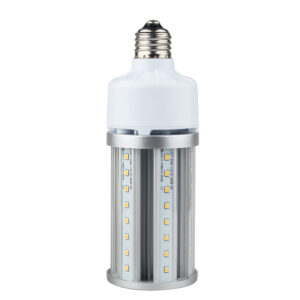
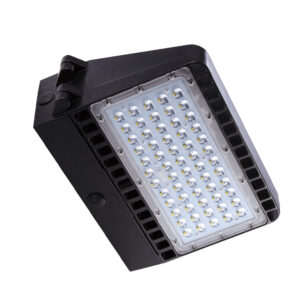
Understanding Industrial Flood Lamps: A Foundation for Smart Lighting
Industrial flood lamps are a cornerstone in the realm of commercial and industrial lighting. Their robust design and high lumen output make them ideal for illuminating large spaces such as warehouses, factories, construction sites, and outdoor areas. For lighting contractors, mastering the nuances of these fixtures is essential to delivering efficient, durable, and cost-effective lighting solutions.
At their core, industrial flood lamps are designed to provide broad, intense illumination. Unlike residential floodlights, these lamps must withstand harsher environments, including exposure to dust, moisture, and extreme temperatures. This durability requirement influences the choice of materials, lamp types, and installation methods. Understanding these factors allows contractors to select the right products and installation techniques tailored to each project’s unique demands.
Key Types of Industrial Flood Lamps
Several types of industrial flood lamps dominate the market, each with distinct advantages. High-Intensity Discharge (HID) lamps, such as metal halide and high-pressure sodium, have long been popular due to their powerful light output and efficiency. However, the shift toward sustainability has accelerated the adoption of LED flood lamps, which offer longer lifespans, reduced energy consumption, and lower maintenance costs.
LED technology has revolutionized industrial lighting by providing superior color rendering and instant-on capabilities, which are critical in environments where safety and visibility are paramount. For contractors, staying current with these technologies ensures the ability to recommend and install lighting that meets modern standards and client expectations. Moreover, the integration of smart lighting systems with industrial flood lamps is becoming increasingly prevalent. These systems can be programmed to adjust brightness based on ambient light levels or occupancy, further enhancing energy efficiency and operational effectiveness.
In addition to energy efficiency, the environmental impact of lighting choices is a growing concern. Many industrial facilities are now seeking to minimize their carbon footprint, leading to a preference for LED flood lamps that contain no hazardous materials and are fully recyclable. This shift not only aligns with corporate sustainability goals but also often results in significant cost savings over time due to lower energy bills and reduced maintenance needs. As a result, lighting contractors must not only be knowledgeable about the technical specifications of these products but also be prepared to discuss the long-term benefits they offer to both the environment and the bottom line.
Smart Installation Hacks for Lighting Contractors
Efficient installation is a key differentiator for lighting contractors aiming to maximize productivity and client satisfaction. Industrial flood lamps, due to their size and weight, can present challenges during installation. Employing smart hacks can streamline the process and reduce errors.
Pre-Installation Planning and Site Assessment
Before any installation begins, a thorough site assessment is crucial. This includes evaluating the mounting surfaces, power supply availability, and environmental conditions. Using laser distance meters and photometric analysis tools helps in determining the optimal placement and angle for flood lamps, ensuring uniform light distribution and minimizing shadows or glare.
Additionally, contractors should verify the structural integrity of mounting points, especially when installing heavy fixtures on poles or building exteriors. Reinforcing mounts or choosing alternative locations can prevent future maintenance issues and safety hazards. It’s also beneficial to document the site conditions and any potential obstacles, such as nearby trees or buildings that could obstruct light, which can be helpful for future reference or follow-up installations.
Utilizing Modular and Adjustable Mounting Systems
Modern industrial flood lamps often come with modular mounting brackets that allow for easy angle adjustments post-installation. Leveraging these systems enables contractors to fine-tune lighting direction without dismantling fixtures, saving time and effort. Incorporating quick-release mechanisms can also facilitate maintenance and lamp replacement, reducing downtime for clients. Furthermore, using adjustable mounts can cater to varying illumination needs, allowing contractors to adapt to different project requirements or client requests without the need for extensive rework.
Implementing Weatherproofing and Safety Measures
Given the exposure of industrial flood lamps to the elements, ensuring proper weatherproofing is non-negotiable. Contractors should use silicone seals, waterproof connectors, and corrosion-resistant fasteners to protect electrical connections. Additionally, grounding the fixtures correctly prevents electrical hazards and complies with safety regulations. Regular inspections of the weatherproofing integrity can also be scheduled as part of maintenance contracts, ensuring long-term functionality and safety. Moreover, educating clients about the importance of these measures can enhance their trust in the contractor’s expertise and commitment to quality work.
Energy Efficiency and Sustainability: Beyond Compliance
Energy efficiency is not just a regulatory requirement but a value proposition that lighting contractors can leverage to differentiate their services. Industrial clients increasingly seek lighting solutions that reduce operational costs and environmental impact. By adopting energy-efficient practices, businesses can not only comply with regulations but also enhance their corporate image as environmentally responsible entities, which can be a significant competitive advantage in today’s market.
Leveraging LED Technology for Long-Term Savings
Switching to LED flood lamps can reduce energy consumption by up to 70% compared to traditional HID lamps. This reduction translates into significant savings on electricity bills, especially in facilities that operate around the clock. Moreover, LEDs have a longer lifespan—often exceeding 50,000 hours—cutting down replacement frequency and maintenance costs. The durability of LED technology also means fewer materials are consumed over time, contributing to a reduction in waste and promoting a more sustainable approach to lighting.
Contractors should educate clients on the total cost of ownership, emphasizing how upfront investments in LED technology pay off over time. Providing detailed energy savings projections and return-on-investment analyses can facilitate informed decision-making. Additionally, showcasing case studies from similar industries can help clients visualize the potential benefits and encourage them to take the leap towards more sustainable lighting solutions.
Incorporating Smart Controls and Automation
Integrating smart controls such as motion sensors, dimmers, and programmable timers enhances energy efficiency further. For example, motion sensors can reduce lighting in unoccupied areas, while daylight harvesting systems adjust lamp brightness based on ambient light levels. These technologies not only conserve energy but also extend lamp life by reducing unnecessary operation. The implementation of smart lighting systems can also lead to improved employee productivity and comfort, as lighting can be tailored to specific tasks and preferences.
Lighting contractors skilled in installing and configuring smart controls position themselves as forward-thinking professionals who deliver cutting-edge solutions. This expertise can open doors to larger projects and ongoing service contracts. Furthermore, as the Internet of Things (IoT) continues to evolve, the potential for integrating lighting systems with other building management systems grows, allowing for a more holistic approach to energy management and operational efficiency. By staying ahead of technological trends, contractors can offer their clients innovative solutions that not only meet current needs but also anticipate future demands in the realm of energy efficiency and sustainability.
Maintenance Strategies for Longevity and Reliability
Proper maintenance is essential to ensure industrial flood lamps perform optimally throughout their lifespan. Lighting contractors who offer comprehensive maintenance plans add value and build long-term client relationships.
Routine Inspection and Cleaning
Industrial environments often expose flood lamps to dust, dirt, and grime, which can diminish light output and cause overheating. Scheduling regular inspections to check for physical damage, corrosion, and electrical issues is vital. Cleaning lamp lenses and fixtures with appropriate materials prevents light degradation and maintains efficiency.
Proactive Replacement and Upgrades
Rather than waiting for lamps to fail, contractors should recommend proactive replacement schedules based on manufacturer guidelines and operational hours. This approach minimizes unexpected outages and ensures consistent lighting quality. Additionally, staying abreast of technological advancements allows contractors to suggest timely upgrades, such as retrofitting older HID systems with LED alternatives.
Documentation and Client Communication
Maintaining detailed records of installations, inspections, and maintenance activities helps contractors track performance and anticipate future needs. Transparent communication with clients about the condition of their lighting systems fosters trust and facilitates budgeting for replacements or upgrades.
Safety and Compliance: Navigating Regulations with Confidence
Lighting contractors must navigate a complex landscape of safety standards and electrical codes when working with industrial flood lamps. Compliance not only ensures legal adherence but also protects workers and property.
Understanding Relevant Standards
Standards such as the National Electrical Code (NEC) and Occupational Safety and Health Administration (OSHA) guidelines dictate installation practices, grounding requirements, and fixture ratings. Contractors should stay updated on these regulations and incorporate them into every project. For instance, selecting fixtures with appropriate Ingress Protection (IP) ratings ensures suitability for wet or dusty environments.
Training and Certification
Investing in ongoing training and certification programs enhances contractors’ expertise in handling industrial lighting safely. Certified electricians and lighting professionals are better equipped to identify potential hazards and implement best practices, reducing liability and increasing client confidence.
Emergency Preparedness and Backup Systems
In critical industrial settings, lighting failure can pose serious risks. Contractors should consider recommending emergency backup lighting systems or uninterruptible power supplies (UPS) to maintain illumination during outages. Installing these systems requires careful planning and integration, underscoring the importance of contractor proficiency.
Conclusion: Elevating Industrial Lighting Through Expertise and Innovation
For lighting contractors, mastering the intricacies of industrial flood lamps is a pathway to delivering superior service and fostering client loyalty. By understanding lamp technologies, employing smart installation hacks, prioritizing energy efficiency, and adhering to safety standards, contractors can position themselves as indispensable partners in industrial lighting projects.
The evolving landscape of lighting technology offers abundant opportunities for contractors to innovate and add value. Embracing these advancements with a proactive, knowledgeable approach not only benefits clients but also drives business growth in a competitive market.
Illuminate Your Projects with LumenWholesale
Ready to take your industrial lighting projects to the next level? At LumenWholesale, we provide lighting contractors with the high-quality, specification-grade industrial flood lamps you need to outshine the competition. Our direct-to-contractor approach means you enjoy the best wholesale prices without the middleman markups. With our extensive selection that meets rigorous industry standards, you can trust in the reliability and performance of every product you purchase. Plus, with the convenience of free shipping on bulk orders, LumenWholesale is your go-to source for premium lighting solutions that combine quality, affordability, and hassle-free service. Elevate your lighting game and discover the best value in wholesale lighting today!