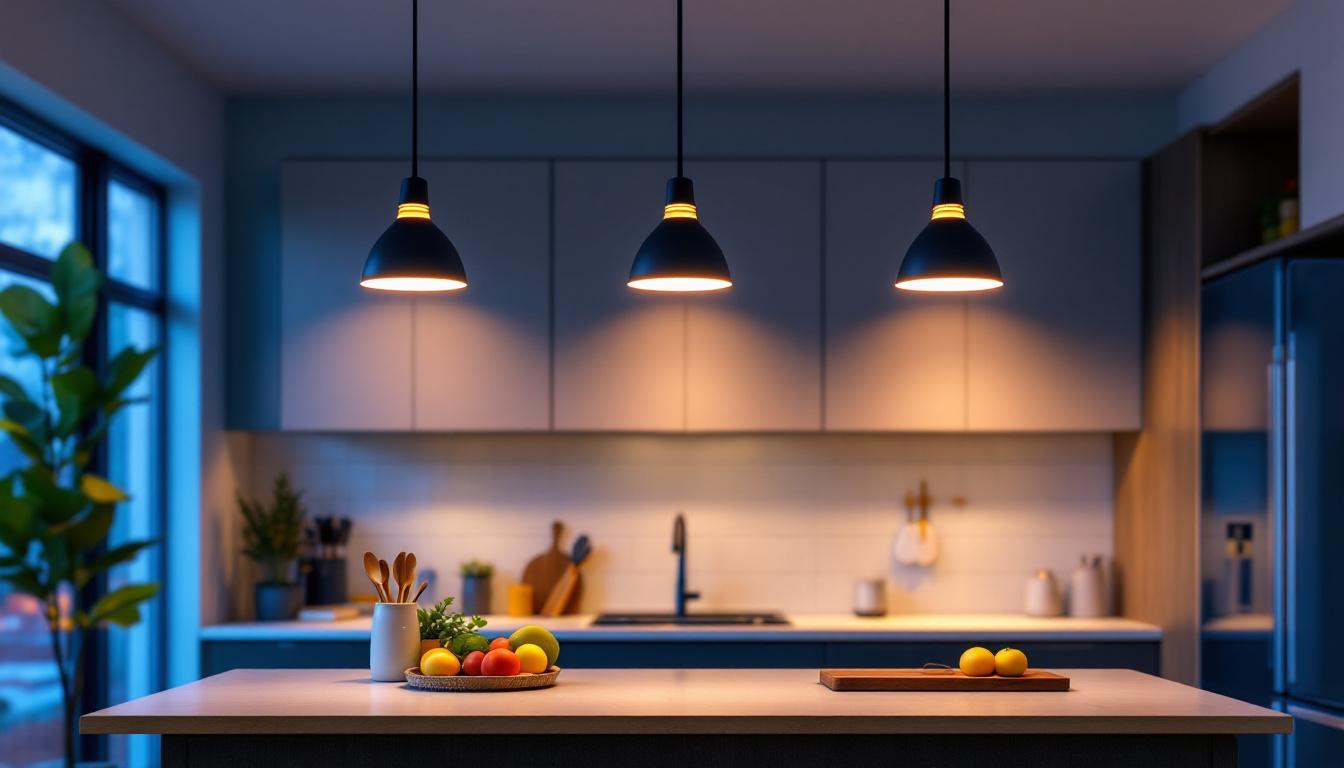
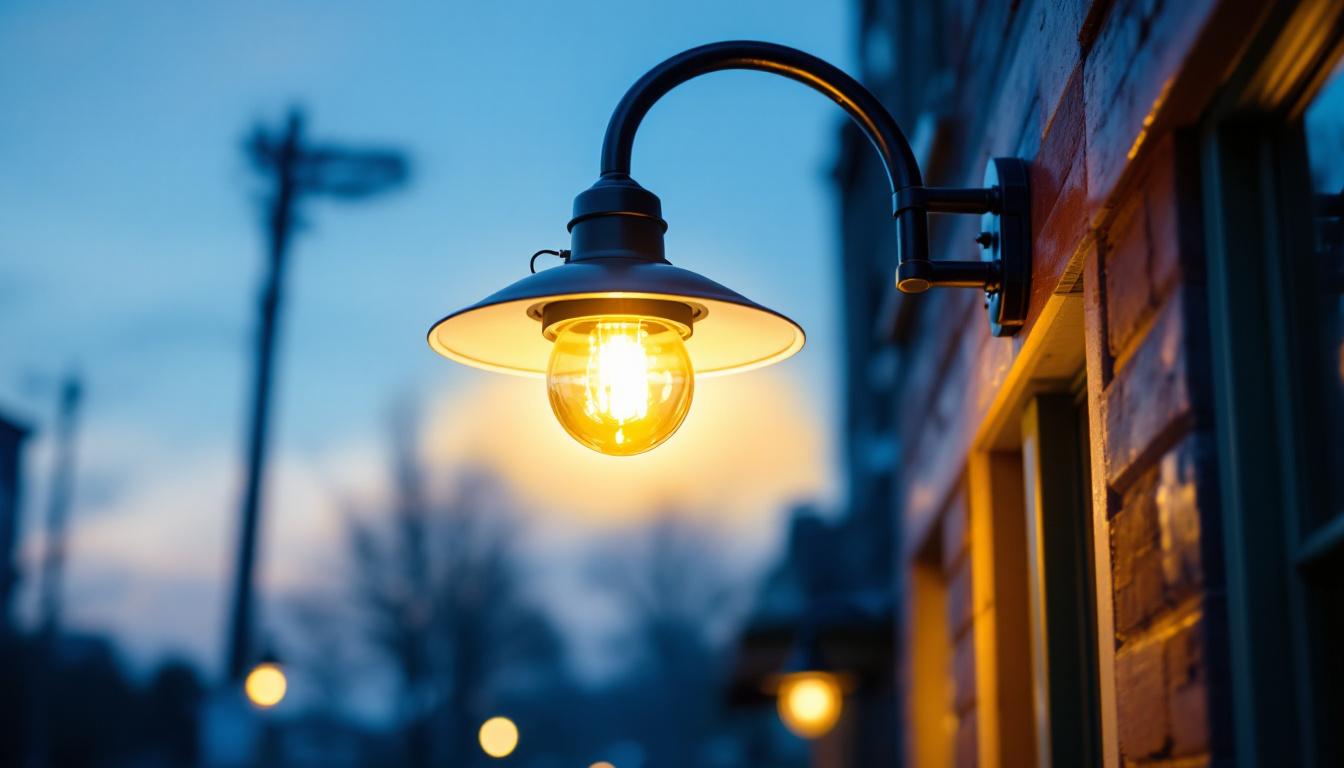
Understanding the Shift to LED Lighting
The lighting industry has undergone a significant transformation with the widespread adoption of LED (Light Emitting Diode) technology. For lighting contractors, mastering the nuances of LED lighting is no longer optional but essential to stay competitive and deliver high-quality installations. LEDs offer numerous advantages over traditional incandescent and fluorescent bulbs, including superior energy efficiency, longer lifespan, and better durability.
According to industry reports, LED lighting can reduce energy consumption by up to 75% compared to incandescent bulbs and lasts up to 25 times longer. This not only translates into cost savings for clients but also reduces maintenance frequency, making LED installations highly attractive in both residential and commercial projects. Contractors who understand these benefits and can effectively communicate them to clients position themselves as trusted experts.
However, LEDs come with their own set of challenges, such as compatibility with existing fixtures, heat management, and the need for proper dimming controls. Lighting contractors must be well-versed in these technical aspects to ensure successful installations and customer satisfaction. Additionally, the rapid evolution of LED technology means that contractors must stay informed about the latest advancements, such as smart lighting solutions that integrate with home automation systems. These innovations not only enhance user experience but also provide opportunities for contractors to offer more comprehensive services, setting them apart in a competitive market.
Moreover, the environmental impact of switching to LED lighting cannot be overlooked. As communities and businesses increasingly prioritize sustainability, the role of lighting contractors extends beyond mere installation. They are becoming key players in promoting energy-efficient practices and reducing carbon footprints. By advocating for LED solutions, contractors contribute to a larger movement towards greener living, which resonates with eco-conscious clients. This alignment with sustainability not only enhances their reputation but also opens doors to new projects, as more organizations seek to meet regulatory standards and corporate social responsibility goals.
Choosing the Right LED Products for Every Project
Assessing Project Requirements
One of the first steps in any lighting project is assessing the specific needs of the space. This includes understanding the purpose of the lighting—whether it’s for ambient, task, or accent lighting—and the environment in which the fixtures will be installed. For example, outdoor LED fixtures require different specifications compared to indoor ones, particularly regarding weather resistance and brightness levels. Outdoor lights must be designed to withstand various weather conditions, including rain, snow, and extreme temperatures, which necessitates a higher level of durability and protection against moisture intrusion.
Lighting contractors should work closely with architects, designers, and clients to determine the ideal color temperature, lumen output, and beam angle. LEDs come in a variety of color temperatures, from warm white (2700K-3000K) to daylight (5000K-6500K), each creating a different ambiance. Selecting the right temperature can dramatically affect the mood and functionality of a space. For instance, warmer tones are often preferred in residential settings to create a cozy atmosphere, while cooler tones may be more suitable for commercial spaces where productivity is key. Furthermore, understanding the layout and design of the space can help in choosing fixtures that not only illuminate effectively but also enhance the overall aesthetic appeal.
Evaluating Quality and Certification
Not all LED products are created equal. Contractors must prioritize quality to avoid premature failures and ensure safety. Look for LEDs that have certifications such as UL (Underwriters Laboratories), DLC (DesignLights Consortium), or Energy Star, which indicate compliance with safety and energy efficiency standards. These certifications not only assure the reliability of the products but also often qualify projects for rebates and incentives, making the investment more economical in the long run.
Additionally, understanding the specifications like CRI (Color Rendering Index) is crucial. A CRI above 80 is generally recommended for most indoor applications, as it ensures colors appear natural and vibrant under the light source. For retail or art spaces, a CRI of 90 or higher may be necessary. Beyond CRI, factors such as flicker rate and dimming capabilities should also be considered. High-quality LEDs should offer smooth dimming without noticeable flicker, which can be distracting and detrimental to the overall experience in spaces like theaters or galleries. By carefully evaluating these elements, contractors can ensure that the selected LED products meet not only the functional requirements but also enhance the visual quality of the environment.
Installation Best Practices for LED Lighting
Preparing the Site and Fixtures
Proper preparation is key to a smooth LED lighting installation. This includes verifying the electrical infrastructure, ensuring compatibility with existing wiring and controls, and inspecting fixtures for any damage or defects prior to installation. Contractors should also confirm that the power supply matches the LED driver requirements to prevent flickering or premature burnout.
Heat dissipation is another critical factor. Unlike incandescent bulbs, LEDs generate heat at the base rather than the bulb surface. Ensuring adequate ventilation around fixtures helps maintain optimal performance and extends the lifespan of the LEDs. Additionally, it’s advisable to consider the installation environment; for instance, in areas with high ambient temperatures, using fixtures with built-in heat sinks can further enhance cooling and efficiency. Furthermore, the orientation of the fixtures can also impact heat management, so positioning them to allow for airflow is essential.
Wiring and Dimming Considerations
LEDs often require specialized drivers and dimmers. Using incompatible dimmers can cause flickering, buzzing, or reduced dimming range. Lighting contractors should select dimmers specifically designed for LED loads and verify that the total wattage of the LED fixtures falls within the dimmer’s capacity. It is also beneficial to test the dimming capabilities before finalizing the installation, as some dimmers may not perform well with certain LED models, leading to dissatisfaction after the project is completed.
When wiring multiple LED fixtures in a circuit, it is important to calculate the total current draw and ensure the wiring gauge is sufficient. Overloading circuits can lead to overheating and safety hazards. Employing LED-specific wiring diagrams and consulting manufacturer guidelines can prevent common pitfalls. Additionally, consider the use of smart lighting controls that can enhance energy efficiency and provide users with greater flexibility. These systems often come with features such as scheduling, remote access, and integration with home automation systems, making them an attractive option for modern installations.
Energy Efficiency and Sustainability Strategies
Leveraging LED Technology for Green Building
Energy efficiency is a top priority for many clients, especially in commercial and institutional projects. LEDs play a pivotal role in achieving sustainability goals and meeting green building certifications such as LEED (Leadership in Energy and Environmental Design). Lighting contractors who can design and implement energy-saving solutions add significant value to their services. The transition to LED lighting not only reduces energy consumption but also enhances the quality of light, creating more inviting and productive environments for occupants. With their longer lifespan, LEDs also reduce the frequency of replacements, further contributing to sustainability by minimizing waste.
Integrating LEDs with smart controls—such as occupancy sensors, daylight harvesting systems, and programmable timers—can further reduce energy consumption and operational costs. These technologies allow lighting to adjust dynamically based on occupancy and ambient light levels, ensuring lights are only on when needed. Additionally, the use of smart lighting systems can provide valuable data analytics for facility managers, enabling them to monitor energy usage patterns and make informed decisions about future energy-saving initiatives. This data-driven approach not only supports sustainability goals but also enhances overall building performance.
Recycling and Disposal of LED Components
While LEDs are more environmentally friendly than traditional bulbs, they still contain electronic components that require proper disposal. Lighting contractors should educate clients about recycling programs and responsible disposal methods to minimize environmental impact. Partnering with certified e-waste recyclers ensures compliance with local regulations and promotes sustainable practices. Furthermore, by raising awareness about the importance of recycling LED components, contractors can help foster a culture of sustainability within their client organizations, encouraging them to take proactive steps in their environmental stewardship.
In addition to recycling, it is essential to highlight the potential for repurposing LED fixtures and components. Many organizations are exploring innovative ways to give new life to outdated or unused lighting systems, such as transforming them into artistic installations or functional decor. This not only reduces waste but also showcases a commitment to sustainability in a creative manner. By emphasizing both recycling and repurposing, lighting contractors can provide clients with a comprehensive understanding of the lifecycle of LED products, reinforcing the message that sustainability extends beyond initial installation to encompass the entire lifespan of the lighting system.
Staying Ahead with Continuing Education and Industry Trends
Ongoing Training and Certification
The LED lighting market continues to evolve rapidly, with new products, technologies, and standards emerging regularly. Lighting contractors can maintain a competitive edge by pursuing ongoing education through manufacturer training programs, industry workshops, and certification courses such as the Certified Lighting Efficiency Professional (CLEP) credential.
Staying informed about the latest advancements enables contractors to recommend cutting-edge solutions to clients and troubleshoot complex issues effectively. It also enhances credibility and opens opportunities for higher-profile projects.
Embracing Smart Lighting and IoT Integration
The integration of LED lighting with smart home and building automation systems is transforming how spaces are illuminated and managed. Internet of Things (IoT) enabled lighting allows for remote control, customization, and data-driven energy management. Lighting contractors who develop expertise in these systems can offer comprehensive solutions that appeal to tech-savvy clients.
Understanding protocols such as Zigbee, DALI, and Bluetooth Mesh, as well as compatibility with popular platforms like Google Home and Amazon Alexa, is increasingly important. This knowledge empowers contractors to design lighting systems that enhance user experience and operational efficiency.
Conclusion: Mastering LED Lighting for Long-Term Success
Mastering LED lighting requires a blend of technical knowledge, practical skills, and an understanding of evolving market demands. Lighting contractors who invest in learning about product selection, installation best practices, energy efficiency, and emerging technologies position themselves as leaders in the industry.
By delivering reliable, efficient, and innovative LED lighting solutions, contractors not only satisfy client expectations but also contribute to a more sustainable future. Embracing continuous improvement and staying attuned to industry trends will ensure long-term success in the dynamic world of lighting.
Illuminate Your Projects with LumenWholesale
Ready to elevate your lighting game with the most efficient LED solutions? Look no further than LumenWholesale for all your lighting needs. Our commitment to quality and affordability ensures that you have access to the best spec-grade lighting products at wholesale prices. Say goodbye to unnecessary markups and hello to a vast selection of industry-standard lighting that will make every installation shine. Plus, with free shipping on bulk orders, you can stock up on premium lighting without any hidden costs. Take the first step towards a brighter future and explore our collection for Wholesale Lighting at the Best Value today.