Understanding the Unique Lighting Needs of Hair and Beauty Studios
Lighting in a hair and beauty studio isn’t just about visibility; it’s about creating an environment that enhances both the client’s experience and the professional’s ability to perform precision work. Unlike typical commercial spaces, these studios demand lighting that accurately renders color, minimizes shadows, and complements the overall aesthetic. Getting this wrong can lead to dissatisfied clients, rework, and wasted investment.
For lighting contractors, this means recognizing that a one-size-fits-all approach won’t cut it. The lighting must support detailed tasks like hair coloring, makeup application, and skin treatments, where even subtle color shifts can alter the outcome dramatically. Understanding these nuances upfront is critical to avoid costly mistakes down the line.
Color Rendering Index (CRI) and Its Importance
The Color Rendering Index (CRI) measures how accurately a light source reveals the colors of objects compared to natural light. In hair and beauty studios, a high CRI—typically 90 or above—is essential. It ensures that hair colors and makeup shades appear true to life, preventing misjudgments that could lead to client dissatisfaction.
Using lighting with a low CRI can cause colors to look dull or distorted, which is unacceptable in this industry. Lighting contractors should prioritize fixtures with excellent color rendering properties and verify CRI ratings before installation. Additionally, incorporating daylight-mimicking LED lights can further enhance the natural appearance of colors, making it easier for professionals to achieve their desired results. This is particularly important in settings where clients are selecting shades for hair dye or makeup, as the right lighting can significantly influence their choices.
Balancing Brightness and Comfort
While bright lighting is necessary for detailed work, overly harsh illumination can cause discomfort and fatigue for both clients and professionals. The goal is to create a balanced environment where the light is sufficient but soft enough to avoid glare.
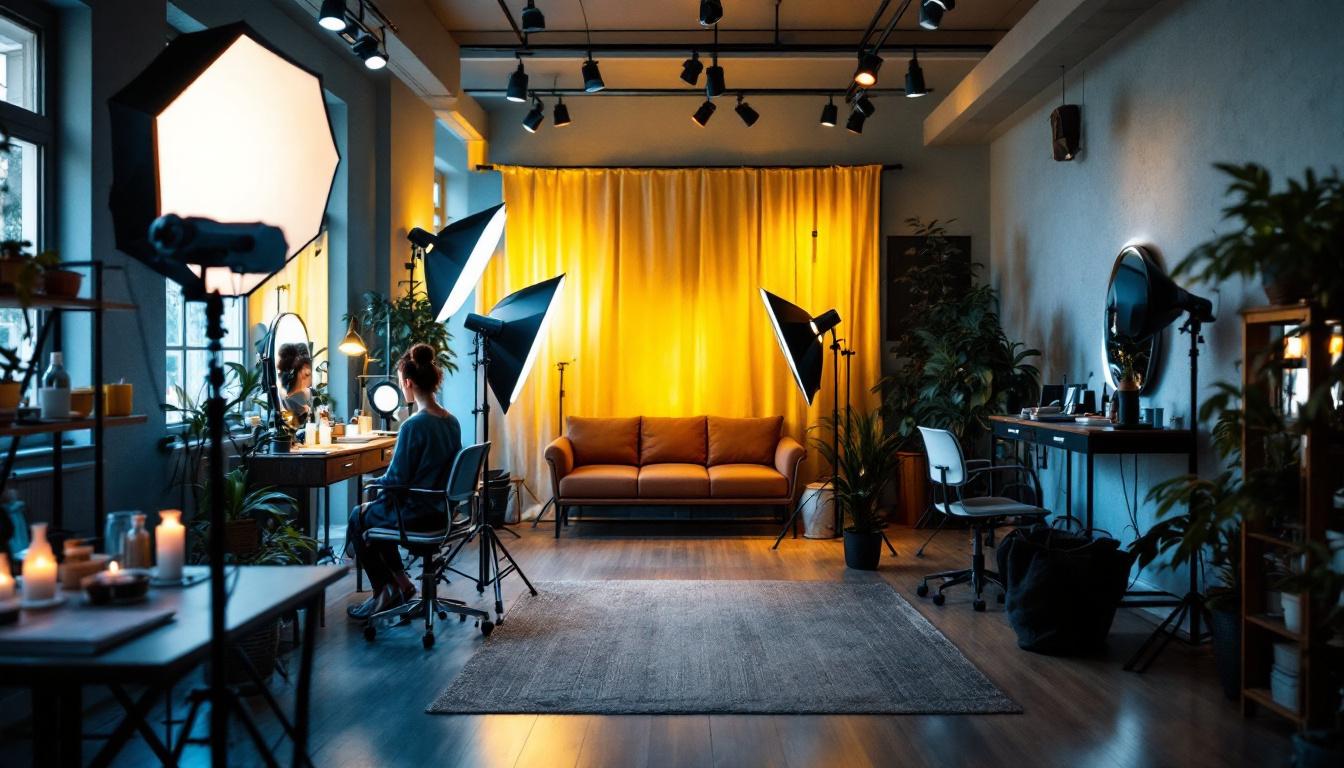
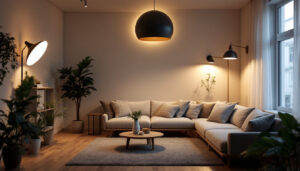
Layered lighting strategies—combining ambient, task, and accent lighting—help achieve this balance. Task lighting should be focused and bright, while ambient lighting provides a comfortable overall glow. Accent lighting adds depth and highlights key design features, enhancing the studio’s atmosphere. Furthermore, adjustable lighting options can allow stylists to modify the intensity based on the specific service being performed, ensuring that both the client and stylist remain comfortable throughout the process. This adaptability not only improves the experience but also showcases the studio’s design elements, making it a visually appealing space that clients will want to return to.
Moreover, the strategic placement of mirrors in conjunction with lighting can amplify the effects of both. Well-placed mirrors can reflect light, enhancing brightness without the need for excessive fixtures. This not only saves on energy costs but also contributes to a more inviting ambiance. By considering the interplay between lighting, mirrors, and interior design, studios can create a cohesive look that resonates with their brand identity while also prioritizing functionality.
Common Pitfalls in Lighting Installation and How to Avoid Them
Lighting contractors often face challenges when installing systems in hair and beauty studios. Many of these issues stem from insufficient planning or misunderstanding the client’s specific needs. Avoiding these pitfalls saves time, money, and reputation.
Ignoring the Client’s Workflow and Space Layout
Each hair and beauty studio has a unique layout and workflow. Installing lighting without considering how professionals move and work within the space can result in poorly lit stations or uncomfortable glare. For example, a stylist’s chair positioned directly under a harsh overhead light may cause shadows on the client’s face, complicating color matching or makeup application.
Contractors should conduct thorough site assessments and engage with studio staff to understand daily operations. This insight allows for strategic placement of lights that enhance functionality without compromising comfort. Additionally, considering the placement of mirrors and reflective surfaces is crucial, as these can amplify or distort light, affecting the overall ambiance and the professionals’ ability to perform their tasks effectively. By prioritizing a collaborative approach with the studio team, contractors can create a lighting plan that not only meets aesthetic goals but also supports the practical needs of the space.
Overlooking Energy Efficiency and Maintenance
High-quality lighting systems are an investment, but ongoing energy costs and maintenance can quickly add up if not carefully considered. Using outdated or inefficient fixtures may save money upfront but lead to higher electricity bills and frequent replacements.
LED technology offers a solution with long lifespans and low power consumption. Selecting fixtures that are easy to maintain and replace also reduces downtime and operational disruptions. Contractors should advise clients on these benefits and incorporate energy-efficient solutions into their designs. Furthermore, implementing smart lighting systems that adjust based on occupancy or natural light levels can significantly enhance energy savings. Educating clients about the long-term financial and environmental benefits of energy-efficient lighting can also foster a sense of responsibility and sustainability within the beauty industry.
Failing to Integrate Dimming and Control Systems
Flexibility in lighting control is crucial in hair and beauty studios. Different services require varying light intensities and moods. Without dimming capabilities or smart controls, the studio loses adaptability, which can affect both client comfort and the quality of work.
Incorporating dimmers, programmable scenes, or even app-controlled lighting allows professionals to tailor illumination to specific tasks and times of day. This adaptability enhances the studio’s functionality and client experience, making it a worthwhile feature to include. Moreover, integrating control systems that can be easily adjusted by staff ensures that lighting can be optimized for different services, from bright, focused light for precision cuts to softer, ambient light for relaxing treatments. This level of customization not only elevates the overall atmosphere of the studio but also demonstrates a commitment to client satisfaction and professional excellence.
Design Strategies for Optimal Lighting Performance
Successful lighting projects in hair and beauty studios combine technical precision with creative design. Contractors who master this balance deliver results that satisfy clients and stand the test of time.
Using Layered Lighting for Depth and Dimension
Layered lighting involves combining multiple types of lighting to create a versatile and visually appealing environment. Ambient lighting sets the overall tone, task lighting focuses on work areas, and accent lighting adds highlights and texture.
For example, recessed ceiling lights provide general illumination, adjustable LED task lights at styling stations ensure precision, and wall sconces or track lighting accentuate mirrors and décor. This approach prevents flat, lifeless spaces and supports the varied activities within the studio.
Choosing the Right Color Temperature
Color temperature, measured in Kelvins (K), affects the mood and functionality of a space. Hair and beauty studios typically benefit from lighting in the 3500K to 4500K range, which offers a natural, neutral white light that closely mimics daylight without being too cool or warm.
Warmer light (below 3000K) can distort color perception, while cooler light (above 5000K) may feel clinical or harsh. Contractors should select fixtures with adjustable color temperatures when possible, providing flexibility for different tasks and client preferences.
Eliminating Shadows with Proper Fixture Placement
Shadows can obscure details and cause frustration during haircuts, coloring, or makeup application. To minimize shadows, lighting should come from multiple angles, especially around mirrors and workstations.
Installing lights on either side of mirrors, combined with overhead sources, helps evenly illuminate faces. Avoid placing fixtures directly above the client’s head, which can cast unflattering shadows. Thoughtful placement ensures consistent, shadow-free lighting that supports precision work.
Ensuring Compliance and Safety in Lighting Projects
Adhering to electrical codes and safety standards is non-negotiable in any lighting installation. For hair and beauty studios, where water and chemicals are often present, safety considerations become even more critical.
Choosing Fixtures Rated for Wet or Damp Locations
Many beauty treatments involve water, steam, or humidity. Using fixtures rated for wet or damp locations prevents electrical hazards and extends the lifespan of the lighting system. Contractors must verify the appropriate ratings and install fixtures accordingly.
Failing to do so risks damage, costly repairs, and potential safety violations that can shut down the business.
Proper Wiring and Circuit Protection
Hair and beauty studios often have multiple electrical devices running simultaneously. Lighting systems should be integrated with the overall electrical plan to avoid overloads and ensure reliable operation.
Using dedicated circuits, ground-fault circuit interrupters (GFCIs), and surge protection safeguards both equipment and personnel. Contractors should coordinate with electricians and follow local regulations to maintain compliance.
Planning for Future Upgrades and Scalability
Studios evolve over time, adding new services or expanding their space. Designing lighting systems with scalability in mind saves money and disruption in the future. This might include installing extra conduit, choosing modular fixtures, or integrating smart controls that can be updated remotely.
Forward-thinking contractors help clients avoid costly retrofits by anticipating growth and technological advances during the initial project.
Final Thoughts: Delivering Value Beyond Illumination
Lighting contractors working with hair and beauty studios have a unique opportunity to impact both the functional success and aesthetic appeal of these spaces. Avoiding common mistakes requires a deep understanding of the industry’s demands, meticulous planning, and attention to detail.
By prioritizing high CRI fixtures, balancing brightness with comfort, incorporating flexible controls, and ensuring safety and compliance, contractors deliver lighting solutions that enhance every aspect of the studio experience. This approach not only prevents costly errors but builds lasting client trust and opens doors to future projects.
Illuminate Your Projects with LumenWholesale
Ready to elevate your lighting projects in hair and beauty studios to the next level? At LumenWholesale, we provide you with the high CRI fixtures and energy-efficient solutions you need to create stunning, functional spaces. Our commitment to quality and affordability ensures that you can deliver exceptional value to your clients without compromising on performance. Say goodbye to costly mistakes and hello to seamless installations with our spec-grade lighting products. Take advantage of our unbeatable wholesale prices and free shipping on bulk orders today. Enhance your professional lighting projects by visiting Wholesale Lighting at the Best Value and discover the LumenWholesale difference.