Understanding the Role of House Outlets in Residential Lighting
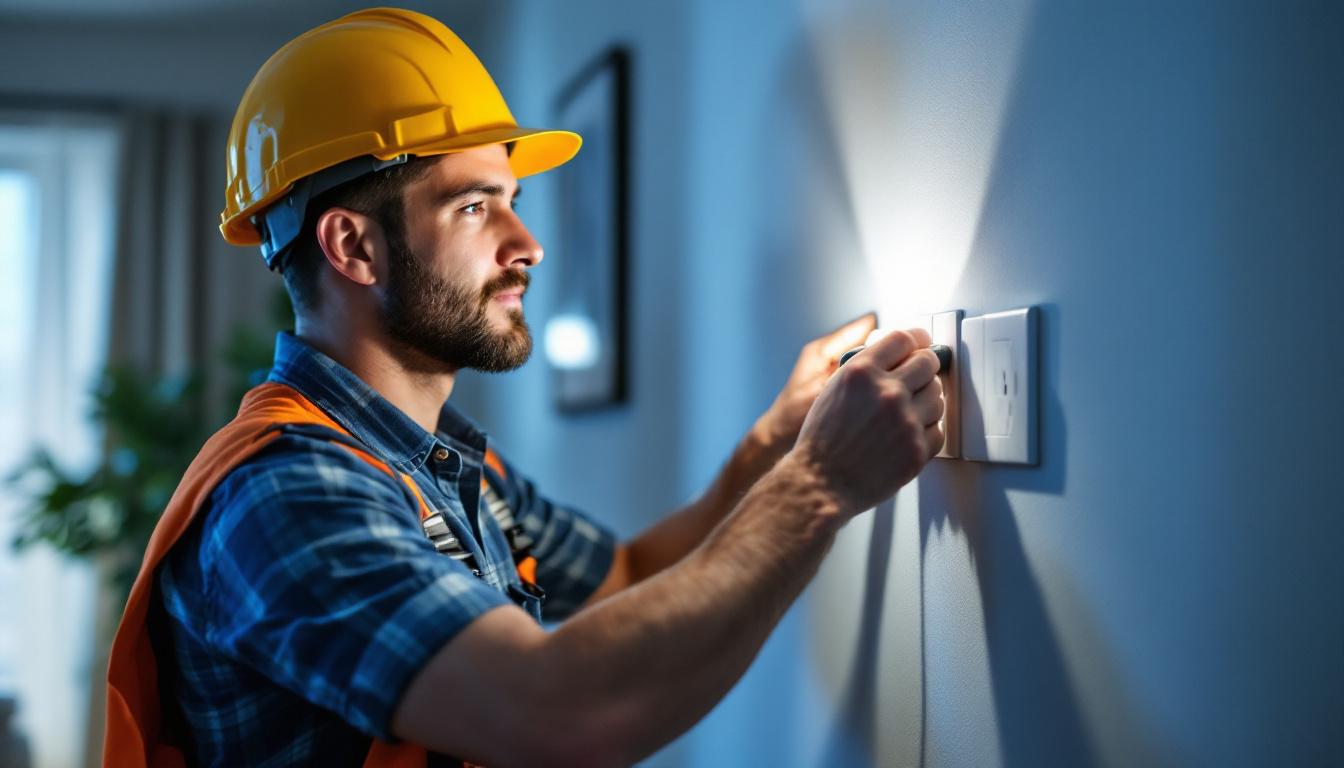
For lighting contractors, house outlets are more than just power points—they are critical junctions that influence the performance, safety, and aesthetics of residential lighting systems. Properly installed and strategically placed outlets can enhance the functionality of lighting fixtures, facilitate future upgrades, and ensure compliance with electrical codes.
House outlets serve as the primary source of power for various lighting configurations, including lamps, chandeliers, recessed lighting, and smart lighting systems. Their placement and wiring directly impact the ease of installation and maintenance, as well as the overall user experience for homeowners.
Moreover, with the increasing adoption of energy-efficient lighting solutions and smart home technologies, lighting contractors must be adept at integrating outlets that support these innovations. This requires a thorough understanding of electrical load capacities, circuit design, and the latest industry standards.
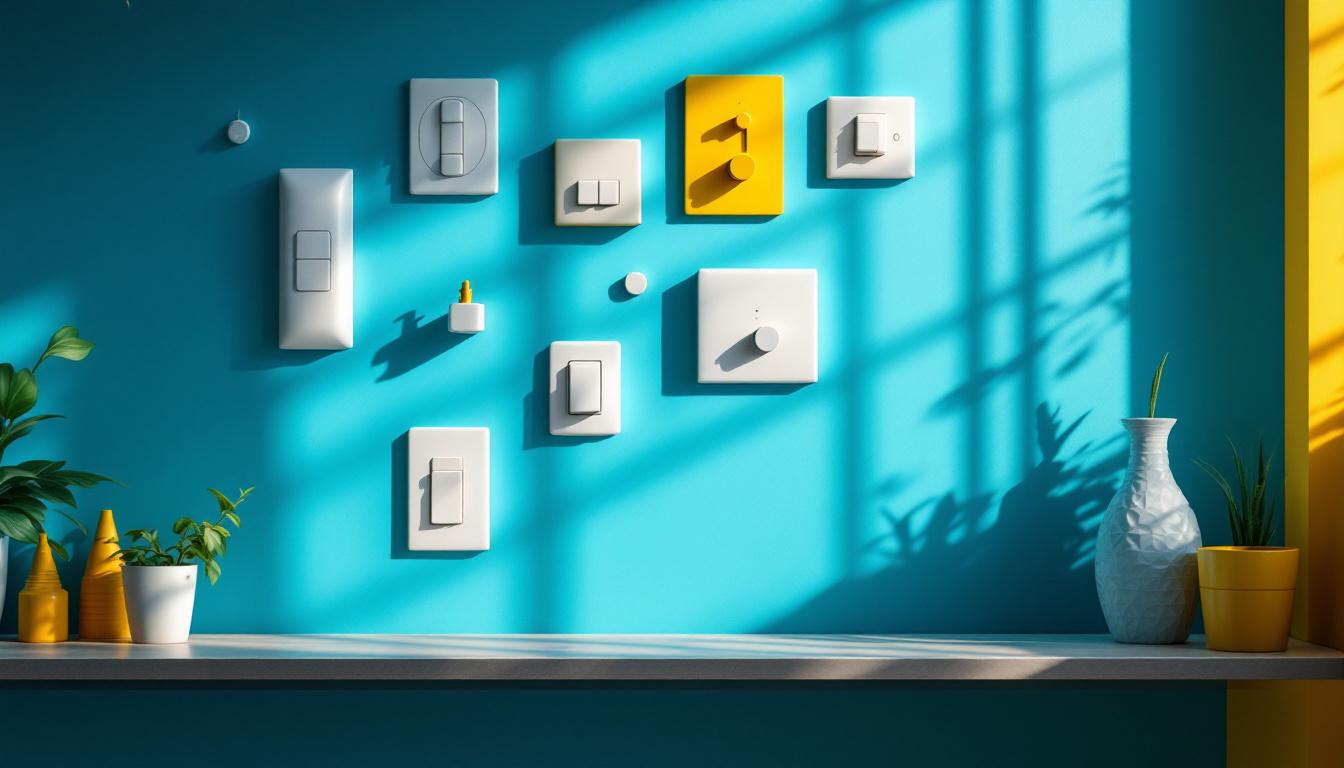
In addition to functionality, the aesthetic appeal of house outlets should not be overlooked. Outlets can be designed to blend seamlessly with the interior decor, offering options that range from traditional to modern finishes. Decorative outlet covers and smart outlets with built-in USB ports can enhance the visual appeal of a room while providing additional convenience for charging devices. This attention to detail not only improves the overall look of a space but also reflects the homeowner’s personal style and preferences.
Furthermore, the strategic placement of house outlets can significantly influence the ambiance of a room. For instance, outlets positioned near seating areas can facilitate the use of table lamps, while those near artwork can support accent lighting that highlights the features of a home. Lighting contractors must consider the flow of the space and the activities that will take place within it, ensuring that outlets are accessible and functional without disrupting the design. This thoughtful approach can transform a standard room into a well-lit, inviting environment that enhances the quality of life for its inhabitants.
Planning and Placement: Strategic Considerations for Lighting Outlets
Assessing Room Functionality and Lighting Needs
Effective outlet placement begins with a comprehensive assessment of the room’s intended use and lighting requirements. For example, living rooms and bedrooms often require multiple outlets to accommodate floor lamps, table lamps, and accent lighting. Kitchens and bathrooms, on the other hand, demand outlets that can support task lighting and comply with safety regulations related to moisture exposure.
Lighting contractors should collaborate closely with homeowners and interior designers to understand the desired ambiance and lighting zones. This collaboration helps in determining the optimal locations for outlets to minimize visible cords and maximize convenience.
Compliance with Electrical Codes and Safety Standards
Adhering to national and local electrical codes is paramount when installing house outlets. The National Electrical Code (NEC), for example, specifies minimum requirements for outlet spacing, grounding, and circuit protection to ensure safety and functionality.
In residential settings, outlets must be installed so that no point along the floor line in any wall space is more than 6 feet from an outlet. This spacing prevents the overuse of extension cords, which can pose fire hazards. Additionally, outlets in kitchens, bathrooms, and outdoor areas must be GFCI (Ground Fault Circuit Interrupter) protected to reduce the risk of electrical shock.
Considering Future-Proofing and Smart Home Integration
With the rise of smart lighting systems and home automation, lighting contractors should anticipate future upgrades by installing outlets that support these technologies. This might include outlets with USB ports, surge protection, or compatibility with smart switches and hubs.
Planning for future needs not only adds value to the home but also reduces the need for costly rewiring or outlet relocation down the line. Contractors can recommend wiring methods and outlet types that facilitate easy integration with smart devices, such as installing conduit pathways or using modular outlet designs.
Technical Best Practices for Installing Lighting Outlets
Choosing the Right Outlet Types and Materials
Selecting the appropriate outlet type is essential for both safety and functionality. Standard 15-amp, 120-volt outlets are common in most residential lighting circuits, but certain applications may require 20-amp outlets or specialized receptacles.
Materials also play a role in durability and aesthetics. Contractors should opt for outlets with robust construction and finishes that complement the interior design. For outdoor or damp locations, weather-resistant outlets with protective covers are necessary to prevent moisture ingress.
Ensuring Proper Wiring and Circuit Load Management
Correct wiring practices are fundamental to the safe operation of lighting outlets. This includes using the appropriate gauge of wire—typically 14-gauge for 15-amp circuits and 12-gauge for 20-amp circuits—and ensuring secure connections with wire nuts or terminal screws.
Lighting contractors must also calculate the total load on each circuit to avoid overloading, which can lead to tripped breakers or fire hazards. Balancing lighting loads across multiple circuits and using dedicated circuits for high-demand fixtures can enhance system reliability.
Grounding and Surge Protection
Proper grounding is a critical safety measure that protects both the electrical system and occupants from electrical faults. All lighting outlets should be grounded according to code, with grounding conductors securely connected to the outlet’s grounding terminal.
Additionally, installing surge protection devices at the panel or at individual outlets can safeguard sensitive lighting equipment from voltage spikes caused by lightning strikes or utility fluctuations. This is particularly important in regions prone to storms or unstable power grids.
Enhancing Efficiency and User Experience Through Outlet Design
Incorporating Dimmer Switches and Multi-Outlet Configurations
Dimmer switches paired with strategically placed outlets allow homeowners to customize lighting levels, improving comfort and energy efficiency. Lighting contractors should ensure that outlets intended for dimmable fixtures are compatible with the dimmer controls used.
Furthermore, multi-outlet configurations, such as duplex or quad receptacles, can provide greater flexibility for lighting setups, reducing the need for extension cords and adapters.
Utilizing Smart Outlets and Automation Features
Smart outlets that enable remote control, scheduling, and energy monitoring are increasingly popular in modern homes. Lighting contractors can add significant value by recommending and installing smart outlets that integrate seamlessly with home automation platforms.
These outlets often include features such as voice control compatibility, app-based management, and energy usage reports, empowering homeowners to optimize their lighting systems for convenience and cost savings.
Maintaining Aesthetic Consistency and Accessibility
Outlets should be installed at heights and locations that are both visually unobtrusive and easily accessible. For instance, placing outlets near baseboards or behind furniture can hide cords, while ensuring they remain reachable for maintenance or adjustments.
Matching outlet faceplates with wall colors or textures can further enhance the room’s aesthetic appeal, a detail that lighting contractors should not overlook when aiming for a polished finish.
Common Challenges and Solutions in Lighting Outlet Installation
Dealing with Limited Wall Space and Obstructions
In some homes, wall space may be limited due to furniture placement, architectural features, or existing wiring. Lighting contractors can overcome these challenges by using creative outlet placements, such as installing floor outlets, pop-up outlets in countertops, or outlets within cabinetry.
Planning during the early stages of construction or renovation allows for better integration of outlets without compromising design or functionality.
Addressing Electrical Interference and Compatibility Issues
Lighting systems that incorporate dimmers, transformers, or LED drivers can sometimes cause electrical interference or compatibility problems with outlets and switches. Contractors should select components that are tested and certified to work together, minimizing flicker, buzzing, or other performance issues.
Using high-quality wiring and connectors also reduces the risk of signal degradation and ensures stable operation of lighting controls.
Ensuring Safety During Retrofitting and Upgrades
When upgrading existing lighting outlets, contractors must carefully assess the condition of the existing wiring and infrastructure. Older homes may have outdated wiring that does not meet current safety standards, necessitating partial rewiring or replacement of outlets.
Proper labeling, circuit identification, and adherence to lockout/tagout procedures are essential to protect workers and residents during retrofit projects.
Maintenance and Inspection: Sustaining Outlet Performance Over Time
Regular Testing and Troubleshooting
Periodic inspection of lighting outlets helps identify issues such as loose connections, wear, or damage that could compromise safety or functionality. Lighting contractors should advise homeowners on routine testing using outlet testers or multimeters to detect wiring faults or grounding problems.
Prompt troubleshooting and repair of identified issues prevent more serious electrical hazards and extend the lifespan of lighting systems.
Cleaning and Environmental Considerations
Dust, moisture, and exposure to chemicals can degrade outlet performance over time. Cleaning outlets with appropriate methods and materials, while ensuring power is disconnected, maintains reliable operation.
In areas prone to humidity or outdoor exposure, using sealed or weatherproof outlets reduces corrosion and electrical failures.
Documentation and Client Education
Providing homeowners with detailed documentation of outlet locations, circuit assignments, and maintenance recommendations empowers them to manage their lighting systems effectively. Lighting contractors should also educate clients on safe usage practices and signs of electrical issues to watch for.
Conclusion: Elevating Residential Lighting Through Expert Outlet Installation
For lighting contractors, mastering the best practices in house outlet installation is essential to delivering safe, efficient, and aesthetically pleasing lighting solutions. From strategic planning and code compliance to technical execution and future-proofing, every step plays a vital role in the success of residential lighting projects.
By staying informed about emerging technologies, adhering to rigorous safety standards, and collaborating closely with clients, lighting contractors can ensure that house outlets not only power lighting fixtures but also enhance the overall living experience. This comprehensive approach ultimately builds trust, satisfaction, and long-term value for homeowners.
Get Your Premium Lighting Supplies at LumenWholesale
Ready to elevate your lighting projects with the best materials on the market? Look no further than LumenWholesale for all your lighting needs. We offer an extensive selection of top-quality, spec-grade lighting products at unbeatable wholesale prices, ensuring you get the most reliable and high-performance lighting solutions for your installations. Say goodbye to inflated markups and enjoy the convenience of free shipping on bulk orders. Make your next project a shining example of quality and efficiency with Wholesale Lighting at the Best Value from LumenWholesale.