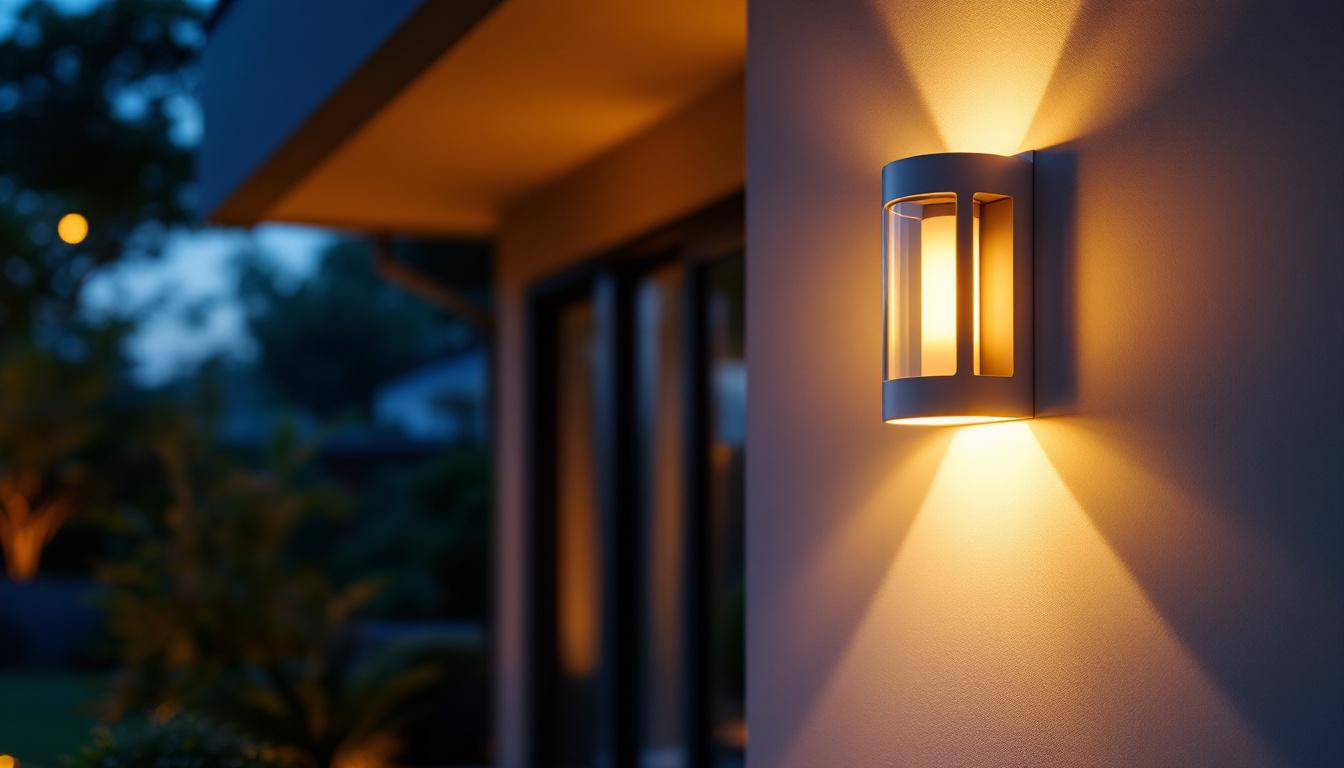
When it comes to enhancing the aesthetics and functionality of outdoor spaces, exterior wall mount lights play a crucial role. However, selecting and installing these fixtures is not without its challenges. For lighting contractors, understanding the common pitfalls associated with exterior wall mount lights can significantly improve project outcomes and client satisfaction. This guide aims to shed light on these potential issues and provide practical solutions.
Understanding the Basics of Exterior Wall Mount Lights
Before diving into the pitfalls, it is essential to have a firm grasp of what exterior wall mount lights are and their primary functions. Typically installed on the exterior walls of buildings, these fixtures serve both decorative and practical purposes. They illuminate pathways, enhance security, and highlight architectural features. Properly placed exterior wall mount lights can create a welcoming atmosphere while also ensuring safety for residents and visitors alike, making them a vital component of any outdoor lighting plan.
In addition to their functional roles, exterior wall mount lights can also significantly influence the ambiance of outdoor spaces. For instance, strategically positioned lights can cast intriguing shadows and create a warm, inviting glow that enhances the overall aesthetic appeal of a home. This not only improves the visual impact of the property but can also increase its market value, as prospective buyers often appreciate well-lit and beautifully presented exteriors.
Types of Exterior Wall Mount Lights
There are various types of exterior wall mount lights available, each designed for specific applications. Some common types include sconces, floodlights, and lanterns. Sconces are often used for decorative purposes, while floodlights provide broad illumination for security and safety. Understanding the differences helps contractors choose the right type for their projects. Additionally, there are also wall-mounted spotlights and motion-sensor lights that cater to more specialized needs, such as accentuating garden features or providing enhanced security in dark areas.
Moreover, the choice of material plays a significant role in the functionality and longevity of these fixtures. For example, stainless steel and aluminum are popular choices for their durability and resistance to rust, while glass and plastic options can offer a more traditional or vintage look. Each material has its own advantages and can complement different architectural styles, making it essential for homeowners to consider the overall design scheme when selecting their exterior wall mount lights.
Key Features to Consider
When selecting exterior wall mount lights, several key features should be evaluated. These include brightness, energy efficiency, weather resistance, and design. Brightness is typically measured in lumens, while energy efficiency can be assessed through the use of LED technology. Weather resistance is crucial, especially in regions prone to harsh weather conditions. Lastly, the design should align with the overall aesthetic of the property. Additionally, the installation height and angle can significantly affect the light’s effectiveness and coverage area, making it important to plan the placement carefully.
Another feature worth considering is the availability of smart technology in modern exterior wall mount lights. Many of today’s fixtures come equipped with smart capabilities, allowing homeowners to control their lighting remotely through smartphone apps or voice commands. This not only adds convenience but also enhances security by enabling homeowners to simulate occupancy by scheduling lights to turn on and off at specific times. Such advancements in technology are revolutionizing outdoor lighting, making it more adaptable to the needs of contemporary living while ensuring energy savings and increased safety.
Common Pitfalls When Installing Exterior Wall Mount Lights
Despite the straightforward nature of exterior wall mount lights, several pitfalls can arise during installation. Awareness of these issues can help contractors avoid costly mistakes and ensure a successful project.
Improper Placement
One of the most significant mistakes is improper placement of the fixtures. Wall mount lights should be positioned at a height that maximizes their effectiveness. Generally, a height of 60 to 72 inches from the ground is recommended for optimal illumination. Additionally, placing lights too close to the ground can result in inadequate lighting coverage, while positioning them too high can create shadows and diminish their effectiveness. It’s also crucial to consider the surrounding landscape and architecture; for instance, placing lights near trees or shrubs can lead to obstructions that block light, reducing visibility and safety. Moreover, the angle of the fixtures should be adjusted to ensure that light is directed where it is most needed, such as walkways, doorways, or patios, enhancing both functionality and aesthetic appeal.
Neglecting Electrical Considerations
Electrical considerations are paramount when installing exterior wall mount lights. Contractors must ensure that the wiring is suitable for outdoor use and that it complies with local electrical codes. Using indoor-rated wiring in outdoor settings can lead to safety hazards, including electrical shorts and fire risks. Furthermore, ensuring that the circuit can handle the load of the lights is essential for preventing overload issues. It’s also advisable to install a weatherproof junction box to protect connections from moisture and debris, which can significantly extend the lifespan of the lighting system. Additionally, incorporating a timer or motion sensor can enhance energy efficiency and security, allowing lights to operate only when necessary, thus reducing electricity costs and increasing the overall effectiveness of the lighting design.
Choosing the Right Fixtures
The selection of fixtures is a critical aspect of any lighting project. Choosing the wrong fixtures can lead to inefficiencies and dissatisfaction among clients.
Quality vs. Cost
While it may be tempting to opt for cheaper fixtures to save costs, this can backfire in the long run. Low-quality lights may not withstand outdoor conditions, leading to frequent replacements and increased maintenance costs. Investing in high-quality fixtures ensures durability and performance, ultimately saving money and time for both the contractor and the client.
Style Compatibility
Another common pitfall is failing to consider the architectural style of the building. Exterior wall mount lights should complement the overall design of the property. For instance, modern fixtures may look out of place on a traditional home, while vintage styles may clash with contemporary architecture. Ensuring style compatibility enhances the property’s curb appeal and satisfies client expectations.
Installation Best Practices
To avoid common pitfalls, adhering to best practices during installation is crucial. This section outlines key steps that contractors should follow to ensure a successful installation process.
Planning the Layout
Before installation, a comprehensive plan should be developed. This includes determining the number of fixtures needed, their placement, and the wiring layout. Using software or tools to visualize the lighting design can help identify potential issues before installation begins.
Testing Before Finalizing
Once the fixtures are installed, testing them before finalizing the project is essential. This allows contractors to assess the lighting quality and make adjustments as needed. Ensuring that each fixture is functioning correctly and providing adequate illumination can prevent future complaints and enhance client satisfaction.
Addressing Client Concerns
Clients may have specific concerns regarding exterior wall mount lights, and addressing these proactively can foster trust and satisfaction.
Energy Efficiency
With growing awareness of energy consumption, clients often inquire about the energy efficiency of lighting solutions. Providing information about LED options and their long-term savings can help alleviate concerns. Highlighting the benefits of energy-efficient lighting not only addresses client worries but also positions the contractor as knowledgeable and responsible.
Maintenance Requirements
Clients may also be concerned about the maintenance of exterior wall mount lights. Discussing the maintenance requirements upfront can set realistic expectations. Providing guidance on cleaning and bulb replacement can empower clients to take care of their fixtures and prolong their lifespan.
Enhancing Security with Exterior Wall Mount Lights
Exterior wall mount lights can significantly enhance security when installed strategically. Understanding how to leverage lighting for safety is essential for contractors.
Illuminating Entry Points
One effective strategy is to illuminate entry points such as doors and windows. Well-lit entryways deter potential intruders and provide a sense of safety for residents. Contractors should ensure that these areas are adequately lit, using fixtures that provide sufficient brightness without creating glare.
Creating a Sense of Visibility
In addition to illuminating entry points, creating a sense of visibility throughout the property is crucial. Pathways, driveways, and outdoor living spaces should be well-lit to prevent accidents and enhance safety. Using a combination of wall mount lights and other outdoor lighting solutions can create a cohesive and secure environment.
Future Trends in Exterior Wall Mount Lighting
The lighting industry is continually evolving, and staying updated on future trends can give contractors a competitive edge.
Smart Lighting Technology
One of the most significant trends is the integration of smart lighting technology. Smart exterior wall mount lights can be controlled remotely, allowing homeowners to adjust brightness and set schedules. This technology not only enhances convenience but also contributes to energy savings. Contractors should consider offering smart lighting solutions to meet the growing demand for home automation.
Eco-Friendly Options
As sustainability becomes a priority, eco-friendly lighting options are gaining popularity. Fixtures made from recycled materials or those designed for energy efficiency are increasingly sought after. Contractors should stay informed about eco-friendly products and highlight these options to environmentally conscious clients.
Conclusion
Exterior wall mount lights are an essential component of outdoor lighting design, but they come with their own set of challenges. By understanding the common pitfalls and implementing best practices, lighting contractors can enhance their projects and ensure client satisfaction. From selecting the right fixtures to addressing client concerns, every aspect plays a vital role in the success of exterior lighting installations.
As the industry evolves, staying informed about trends and innovations will further empower contractors to deliver exceptional results. Ultimately, a well-executed exterior wall mount lighting project not only enhances the beauty and functionality of a property but also contributes to a safer and more inviting environment.
Illuminate Your Projects with LumenWholesale
Ready to elevate your lighting projects with the best in quality and value? Look no further than LumenWholesale, where we provide contractors with spec-grade lighting products at unbeatable wholesale prices. Our extensive selection is designed to meet the highest industry standards, ensuring that you deliver reliable and high-performance lighting solutions. With free shipping on bulk orders, you can enjoy premium lighting at the best price, without any hidden fees. Make your next exterior wall mount lighting project a shining success with LumenWholesale. Wholesale Lighting at the Best Value is just a click away.