Understanding the Growing Demand for Home Hand Dryers
In recent years, the home hand dryer market has seen a notable surge, driven by increasing consumer interest in hygiene, sustainability, and convenience. For lighting contractors, this trend presents both an opportunity and a challenge. Integrating hand dryers into residential settings requires a nuanced understanding of electrical requirements, placement considerations, and aesthetic integration.
Unlike commercial environments, where hand dryers are often standardized and installed en masse, residential installations demand a tailored approach. Homeowners expect devices that blend seamlessly with their interiors while offering quiet, efficient operation. Recognizing these expectations is crucial for lighting contractors who often collaborate with electricians and interior designers on home improvement projects.
Furthermore, the rise of eco-conscious living has propelled many consumers to seek out energy-efficient appliances that minimize their carbon footprint. Home hand dryers are increasingly designed with advanced technology that not only reduces energy consumption but also enhances drying speed, making them an attractive option for environmentally aware homeowners. Many models now feature sensors that activate the dryer only when hands are detected, further optimizing energy use and ensuring that the device is only operational when necessary.
In addition to energy efficiency, the aesthetic aspect of hand dryers is becoming increasingly significant. Manufacturers are responding to consumer preferences by offering a variety of finishes and styles, from sleek stainless steel to more traditional designs that can complement classic home decor. This attention to design allows homeowners to select hand dryers that not only serve a functional purpose but also enhance the overall ambiance of their bathrooms or kitchens. As such, lighting contractors must stay informed about the latest trends in home appliances to provide clients with options that align with their personal style and values.
Electrical Considerations for Home Hand Dryer Installations
Power Supply and Circuit Requirements
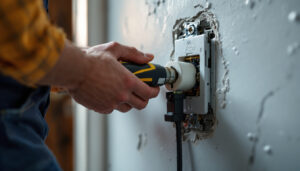
Hand dryers typically require a dedicated electrical circuit due to their high power consumption. While commercial models might operate on 120V or 240V circuits, residential units often need to be compatible with the existing home electrical infrastructure. Lighting contractors must ensure that the circuit can handle the load without compromising other devices or lighting systems.
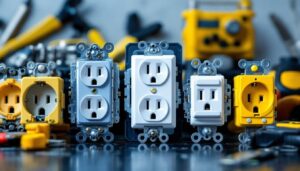
It’s essential to coordinate with licensed electricians to verify that the wiring, breakers, and outlets meet local electrical codes. Overloading circuits can lead to tripped breakers or even fire hazards, which can be costly and dangerous. In some cases, upgrading the home’s electrical panel may be necessary to accommodate the hand dryer installation. Additionally, it’s advisable to consider the placement of the hand dryer in relation to other appliances and fixtures in the vicinity. For instance, installing it too close to water sources, such as sinks or showers, may require additional safety measures, such as GFCI (Ground Fault Circuit Interrupter) outlets, to prevent electrical shock.
Integration with Lighting Controls
Lighting contractors frequently manage control systems such as dimmers, motion sensors, and smart home automation. Incorporating hand dryers into these systems can enhance user experience and energy efficiency. For example, installing motion-activated lighting near the hand dryer can improve visibility and safety, especially in bathrooms or utility rooms with limited natural light.
Moreover, some advanced hand dryers come with energy-saving modes or sensor-triggered operation, which can be synchronized with lighting controls. This integration reduces unnecessary power consumption and aligns with the growing demand for sustainable home solutions. Furthermore, integrating hand dryers with smart home systems allows homeowners to monitor energy usage and receive alerts for maintenance needs, ensuring optimal performance. This level of connectivity not only enhances convenience but also promotes a more eco-friendly lifestyle by encouraging mindful energy consumption. As technology continues to evolve, the potential for innovative features, such as remote control operation or usage analytics, will likely become standard in future hand dryer models, making them an even more appealing addition to modern homes.
Placement and Design: Balancing Functionality and Aesthetics
Optimal Location Selection
Choosing the right location for a home hand dryer is critical. Bathrooms are the most common choice, but utility rooms, mudrooms, and even kitchens can benefit from these devices. Lighting contractors should assess the space for adequate clearance, ventilation, and user accessibility.
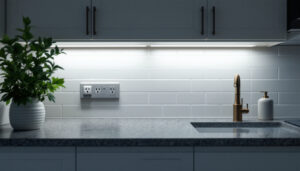
Placement near sinks is ideal to minimize water dripping on floors, which can pose slip hazards. However, proximity to lighting fixtures must be considered to avoid interference or shadowing. Additionally, hand dryers should be installed at a height that accommodates all household members, including children and individuals with disabilities, ensuring compliance with accessibility standards.
Furthermore, the choice of location can significantly impact energy efficiency. Strategically positioning hand dryers in high-traffic areas can reduce the need for multiple units throughout the home, ultimately saving on energy costs. It’s also worth considering the flow of foot traffic; placing the dryer near the exit of a bathroom can streamline the drying process and enhance user experience. This thoughtful approach not only promotes safety but also encourages a more eco-friendly household by minimizing unnecessary energy consumption.
Harmonizing with Interior Design
Modern home hand dryers come in a variety of finishes and styles, from sleek stainless steel to minimalist white or black casings. Lighting contractors should collaborate with interior designers or homeowners to select models that complement the room’s color palette and design theme.
Concealed wiring and flush-mounted installations can enhance the overall aesthetic, preventing the hand dryer from appearing as an afterthought. In some cases, custom enclosures or cabinetry can be designed to integrate the device seamlessly, maintaining the room’s visual harmony.
Moreover, the integration of technology into hand dryers can elevate both functionality and style. Many contemporary models feature touchless sensors, which not only enhance hygiene but also contribute to a sleek, modern look. Some designs even incorporate LED lighting, which can serve both practical and decorative purposes, illuminating the area around the dryer while adding a touch of sophistication. By considering these advanced features, homeowners can ensure that their hand dryer is not only a practical necessity but also a stylish addition that enhances the overall ambiance of the space.
Noise Levels and User Comfort
Noise is a significant consideration when installing hand dryers in residential settings. Unlike commercial spaces where ambient noise levels are higher, homes require quieter operation to avoid disturbance. Lighting contractors should prioritize models with low decibel ratings and consider the placement to minimize sound reflection.
Installing sound-absorbing materials around the hand dryer area or choosing units with adjustable airflow can further enhance user comfort. This attention to acoustic detail not only improves the homeowner’s experience but also reflects well on the contractor’s professionalism and understanding of residential needs.
Maintenance and Longevity: Ensuring Reliable Performance
Hand dryers in homes are expected to function reliably over many years with minimal maintenance. Lighting contractors should advise homeowners on models known for durability and ease of servicing. Features such as washable filters, simple access panels, and robust construction materials contribute to lower maintenance demands.
Regular inspection and cleaning schedules should be recommended to prevent dust buildup and mechanical wear, which can degrade performance. Providing homeowners with clear maintenance guidelines enhances satisfaction and reduces the likelihood of service calls or replacements.
Energy Efficiency and Environmental Impact
Reducing Household Energy Consumption
Energy efficiency is a top priority for many homeowners, and hand dryers can contribute positively when selected and installed correctly. Compared to paper towels, hand dryers reduce waste and ongoing supply costs, aligning with eco-friendly home initiatives.
Lighting contractors should promote models that feature rapid drying times and low power consumption. Some units incorporate smart sensors that activate only when hands are detected, preventing unnecessary energy use. These features can be highlighted during client consultations as part of a broader energy-saving strategy.
Supporting Sustainable Building Practices
As sustainable building certifications gain traction in residential construction, integrating energy-efficient hand dryers can contribute points toward standards like LEED or WELL. Lighting contractors who understand these frameworks can position themselves as valuable partners in green building projects.
By recommending hand dryers with environmentally responsible manufacturing processes and recyclable materials, contractors further support sustainability goals. This approach not only benefits the planet but also enhances the contractor’s reputation and marketability.
Collaboration and Communication with Clients and Trades
Successful hand dryer installations depend on clear communication between lighting contractors, electricians, plumbers, and homeowners. Early involvement in project planning ensures that electrical and spatial requirements are addressed before construction or renovation progresses too far.
Providing clients with detailed information about the benefits, limitations, and maintenance of home hand dryers fosters informed decision-making. Visual aids such as 3D renderings or product samples can help clients visualize the final outcome and feel confident in their choices.
Moreover, coordinating schedules and responsibilities with other trades minimizes disruptions and streamlines the installation process. Lighting contractors who demonstrate proactive collaboration often secure repeat business and positive referrals.
Conclusion: Positioning for Success in the Home Hand Dryer Market
For lighting contractors, embracing the home hand dryer trend offers a pathway to diversify services and meet evolving client demands. Mastery of electrical considerations, aesthetic integration, noise management, and sustainability principles is essential to delivering high-quality installations.
By staying informed about the latest technologies and maintaining open communication with clients and trades, lighting contractors can position themselves as trusted experts in this niche. Ultimately, thoughtful hand dryer installations enhance residential environments, improve user experience, and contribute to greener, healthier homes.
Discover Unmatched Lighting Solutions with LumenWholesale
Ready to elevate your lighting projects with the finest products on the market? Look no further than LumenWholesale, where we provide contractors with exceptional, spec-grade lighting products at unparalleled wholesale prices. Our commitment to quality, affordability, and convenience ensures that you have access to the best lighting solutions for every installation, including the latest in home hand dryer technology. Say goodbye to inflated markups and hello to hassle-free bulk buying with free shipping. Take the next step in meeting your clients’ needs for a greener, healthier home. Explore our extensive selection and experience the LumenWholesale difference today by visiting Wholesale Lighting at the Best Value.