Understanding 50 Foot LED Tape Lights: An Overview for Lighting Contractors
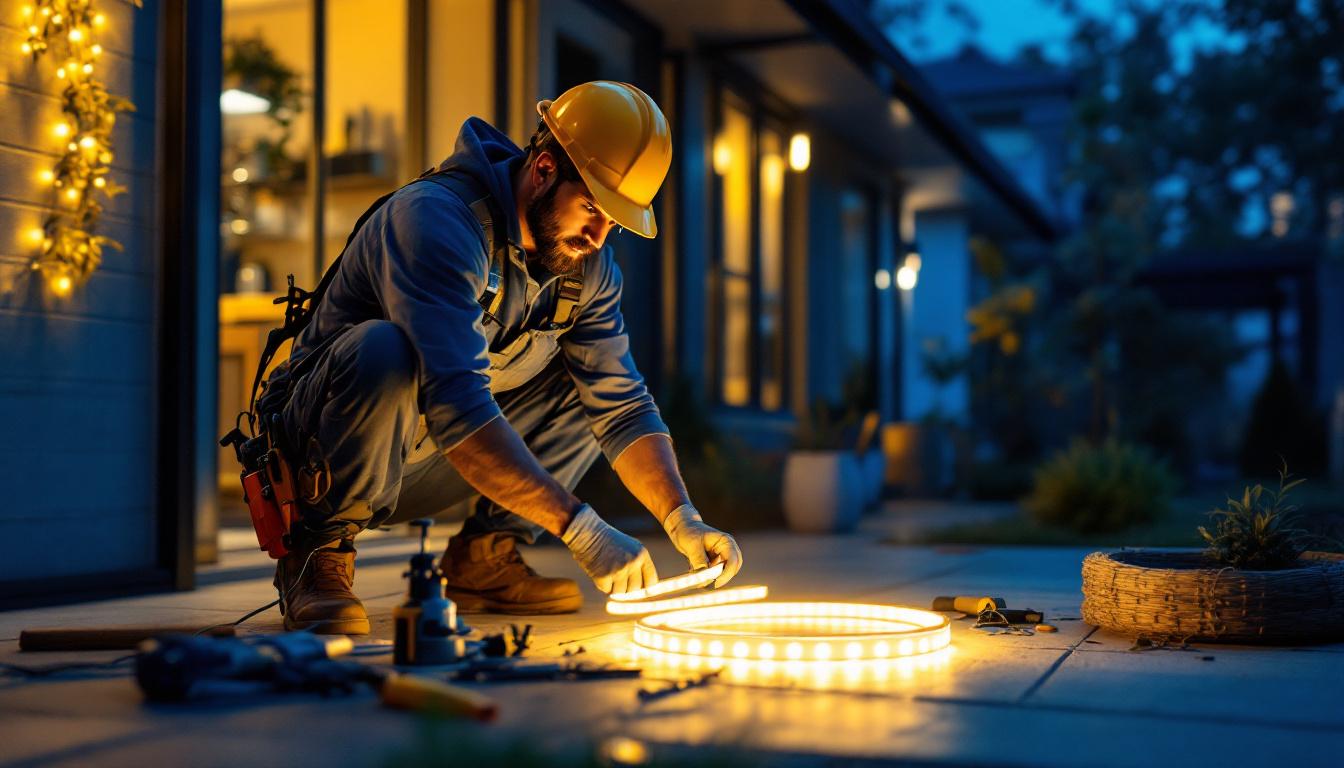
LED tape lights have revolutionized the lighting industry by offering flexibility, energy efficiency, and ease of installation. Among the various lengths available, the 50 foot LED tape light stands out as a popular choice for both residential and commercial projects. Its extended length allows for seamless lighting along long corridors, under cabinets, or around architectural features without the need for frequent connectors or splices. This not only enhances the aesthetic appeal of a space but also simplifies the installation process, making it a favored option among contractors.
For lighting contractors, mastering the use of 50 foot LED tape lights means understanding their specifications, limitations, and optimal applications. These tape lights typically come in reels measuring 50 feet, offering continuous illumination with minimal voltage drop when installed correctly. Recognizing the electrical and physical characteristics of these lights is crucial to ensure safety, performance, and client satisfaction. Furthermore, the versatility of these lights allows for creative applications, such as accent lighting for artwork, cove lighting in ceilings, or even backlighting for signage, providing contractors with numerous opportunities to enhance their projects.
Key Specifications and Features
When selecting a 50 foot LED tape light, contractors should pay attention to the following specifications:
- Voltage: Most LED tape lights operate on low voltage (12V or 24V DC), which reduces electrical hazards and allows for safer installations in tight spaces.
- Wattage per Foot: This affects power consumption and heat generation. Higher wattage tape lights produce brighter illumination but require better heat dissipation.
- Color Temperature: Ranges from warm white to cool white, as well as RGB options for color-changing effects, enabling tailored ambiance for different environments.
- IP Rating: Indicates the tape light’s resistance to dust and moisture. For outdoor or damp locations, an IP65 or higher rating is essential.
- Cut Points: LED tape lights are designed with designated cut points, allowing contractors to customize the length without damaging the circuitry.
In addition to these specifications, contractors should also consider the adhesive backing that many LED tape lights come with. This feature simplifies installation, allowing for quick application to various surfaces, from drywall to wood. However, it’s important to ensure that the surface is clean and smooth for optimal adhesion. Moreover, the use of mounting clips can provide additional support, particularly in areas where the tape light may be subject to movement or stress. Understanding the installation environment and potential challenges can significantly enhance the longevity and performance of the lighting solution.
Another critical aspect to consider is the compatibility of 50 foot LED tape lights with dimmers and smart home systems. Many modern LED tape lights are designed to work seamlessly with dimmers, allowing for adjustable brightness levels that can create the perfect atmosphere for any occasion. Additionally, integrating these lights into smart home systems can provide users with the convenience of controlling their lighting remotely or through voice commands. This not only adds value to the installation but also meets the growing demand for smart technology in homes and businesses alike.
Planning and Design Considerations for Effective Installation
Proper planning is the foundation of a successful LED tape light installation. Lighting contractors must evaluate the project’s requirements, environmental conditions, and client expectations before proceeding. This initial assessment not only sets the stage for a smooth installation process but also helps in anticipating potential challenges that may arise during the project lifecycle. By engaging with clients early on, contractors can gather insights into the desired ambiance, functionality, and aesthetic appeal, which can significantly influence the choice of LED products and installation techniques.
Assessing Power Requirements and Voltage Drop
One of the most critical technical challenges with 50 foot LED tape lights is managing voltage drop. Voltage drop occurs when the electrical voltage decreases over the length of the tape, leading to uneven brightness or color shifts at the far end. Understanding the electrical characteristics of the tape light and the overall circuit design is essential for achieving optimal performance.
To mitigate this, contractors should calculate the total wattage of the tape light run and ensure the power supply can handle the load with some margin for safety. Using a 24V system instead of 12V can reduce voltage drop significantly, allowing longer runs without noticeable dimming. Furthermore, it is beneficial to consider the total length of the run and the number of LED segments being powered, as these factors can influence the overall efficiency of the installation.
Additionally, employing power feeds at multiple points along the tape or using thicker gauge wiring can enhance voltage stability. These strategies ensure consistent illumination and prolong the lifespan of the LEDs. It may also be advantageous to utilize LED drivers that are specifically designed for the tape light’s specifications, as this can further optimize performance and reduce the risk of overheating or failure.
Environmental and Surface Preparation
The installation surface plays a vital role in the performance and durability of LED tape lights. Smooth, clean, and dry surfaces provide the best adhesion for the tape’s backing, which often uses strong 3M adhesive. Before installation, it is advisable to thoroughly clean the surface to remove any dust, grease, or debris that could compromise adhesion. In some cases, using a primer or adhesive promoter can enhance the bond, especially in challenging environments.
For uneven or porous surfaces, additional mechanical fasteners such as clips or channels may be necessary. In outdoor or humid environments, selecting waterproof tape lights and ensuring proper sealing around connectors prevents damage from moisture ingress. Additionally, considering the temperature range and exposure to elements can guide the selection of suitable materials. For instance, in areas with extreme temperatures, using heat-resistant or UV-protected tape lights can help maintain performance and appearance over time. Moreover, planning for future maintenance by ensuring accessibility to the installation can save time and effort in the long run, allowing for easy replacements or adjustments as needed.
Installation Best Practices for Lighting Contractors
Executing a flawless installation not only enhances the aesthetic appeal but also ensures safety and longevity. Here are some best practices tailored for lighting contractors working with 50 foot LED tape lights.
Accurate Measurement and Cutting
Before installation, measure the intended run carefully and plan cut points according to the manufacturer’s guidelines. Cutting the tape at incorrect points can damage the circuitry and void warranties.
Using sharp scissors or specialized cutting tools ensures clean cuts. After cutting, soldering or using compatible connectors is necessary to maintain electrical continuity and prevent shorts.
Proper Power Supply Selection and Wiring
Choosing the right power supply is essential. It should provide sufficient wattage for the entire length of the tape light plus a 20-30% safety margin to account for power surges and future expansions.
Wiring should be done with appropriate gauge cables to handle the current without overheating. Additionally, implementing a fuse or circuit breaker protects the system from electrical faults.
Heat Management and Ventilation
Though LED tape lights generate less heat than traditional lighting, prolonged operation, especially with high wattage tapes, can lead to heat buildup. Installing the tape on aluminum channels or heat sinks helps dissipate heat efficiently, preserving LED lifespan.
Ensuring adequate ventilation around the installation area further prevents overheating and potential damage.
Advanced Techniques and Tools to Enhance Installation Quality
Lighting contractors aiming for professional-grade installations can leverage advanced techniques and specialized tools to improve efficiency and outcome.
Use of Aluminum Profiles and Diffusers
Aluminum profiles not only serve as heat sinks but also provide a polished look by housing the tape light and protecting it from dust and physical damage. Diffusers soften the light output, eliminating hotspots and creating uniform illumination.
Profiles come in various shapes and sizes, allowing for versatile applications such as under-cabinet lighting, cove lighting, or accent lighting in commercial spaces.
Smart Controls and Integration
Integrating LED tape lights with smart lighting controls enhances functionality and client satisfaction. Dimmers, color temperature tuners, and programmable RGB controllers allow users to customize lighting scenes.
Lighting contractors should familiarize themselves with compatible control systems and ensure proper wiring and configuration during installation.
Testing and Quality Assurance
Before finalizing the installation, thorough testing is imperative. Check for consistent brightness, color accuracy, and secure connections. Using a multimeter to verify voltage and continuity can prevent future issues.
Documenting the installation with photos and notes helps in maintenance and client support.
Common Challenges and Troubleshooting Tips
Even experienced lighting contractors encounter challenges with 50 foot LED tape light installations. Recognizing common issues and knowing how to address them is vital.
Uneven Brightness and Flickering
These symptoms often indicate voltage drop or poor connections. Reassessing power supply capacity and wiring integrity usually resolves the problem. Adding additional power feeds can also balance voltage distribution.
Adhesive Failure
If the tape light peels off, it’s often due to improper surface preparation or environmental factors like humidity. Cleaning surfaces with isopropyl alcohol and using supplementary mounting hardware can ensure secure adhesion.
Water Damage in Outdoor Installations
Even with waterproof tape lights, improper sealing at connectors or power supplies can lead to water ingress. Using waterproof connectors, sealing with silicone, and following IP rating guidelines prevent such issues.
Conclusion: Elevating Lighting Projects with Expertise in 50 Foot LED Tape Lights
For lighting contractors, mastering the use of 50 foot LED tape lights opens up a world of design possibilities and client satisfaction. By understanding technical specifications, planning meticulously, employing best installation practices, and leveraging advanced tools, contractors can deliver high-quality, reliable, and visually stunning lighting solutions.
Staying updated with industry trends and continuously refining skills ensures that lighting professionals remain competitive and capable of handling diverse project demands with confidence and excellence.
Get Your Premium 50 Foot LED Tape Lights at LumenWholesale
Ready to elevate your lighting projects with the best 50 foot LED tape lights on the market? Look no further than LumenWholesale, where we provide contractors with superior, spec-grade lighting products at unbeatable wholesale prices. Say goodbye to inflated markups and hello to high-performance lighting that meets the highest industry standards. With our hassle-free bulk buying and free shipping, you’ll enjoy premium lighting solutions that blend quality, affordability, and convenience seamlessly. Don’t compromise on your lighting needs—Wholesale Lighting at the Best Value is just a click away.