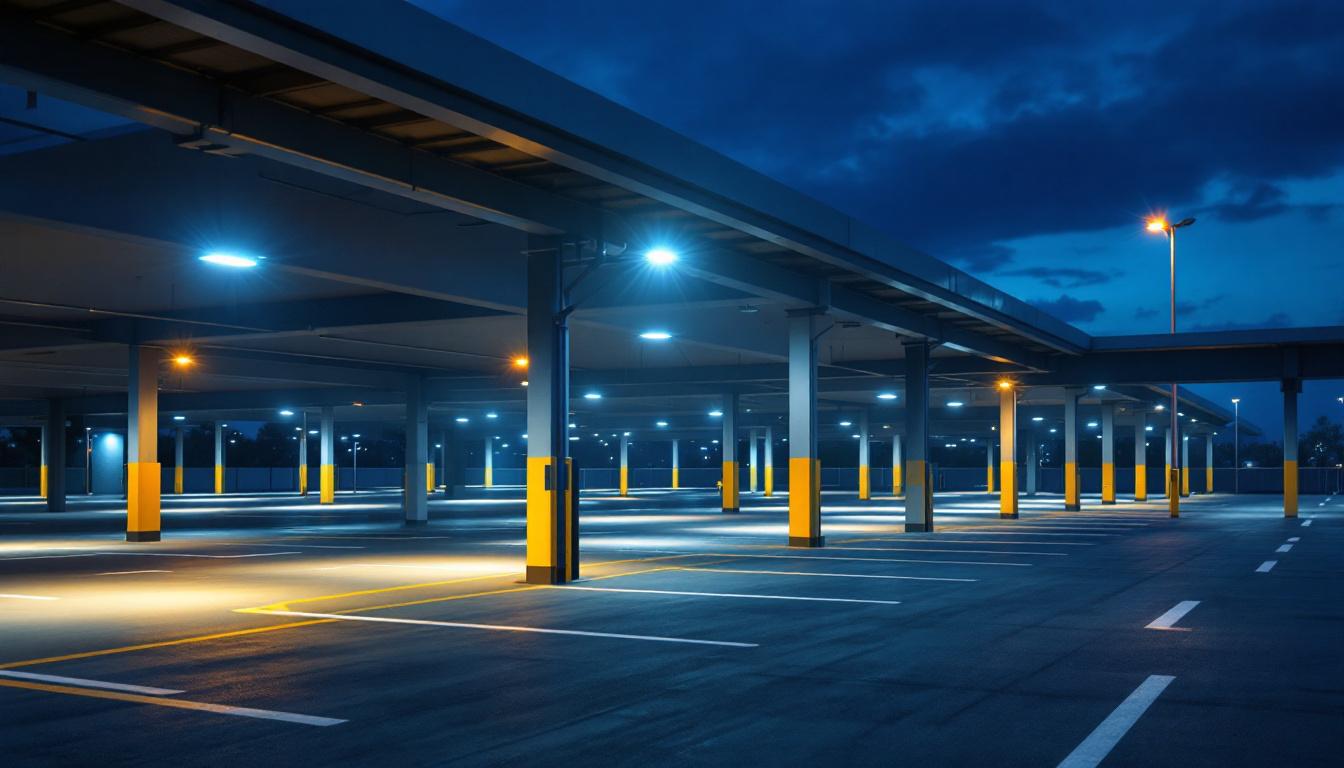
Understanding the Importance of Car Parking Lighting
Car parking lighting plays a critical role in ensuring safety, security, and convenience for drivers and pedestrians alike. For lighting contractors, understanding the nuances of car parking light design and installation is essential to delivering high-quality, compliant, and energy-efficient solutions. Properly illuminated parking areas reduce accidents, deter criminal activity, and enhance the overall user experience.
Statistics indicate that well-lit parking areas can reduce vehicle-related accidents by up to 30%, while also significantly lowering incidents of theft and vandalism. These figures underscore the vital responsibility lighting contractors have in designing systems that meet both regulatory standards and the practical needs of end-users.
In addition to safety and security, the aesthetic appeal of a well-lit parking area should not be overlooked. Thoughtfully designed lighting can create a welcoming atmosphere that encourages users to feel comfortable and secure while navigating the space. By utilizing modern LED technology, lighting contractors can not only enhance visibility but also contribute to energy savings and reduced maintenance costs. The longevity of LED fixtures, combined with their ability to produce bright, uniform light, makes them an ideal choice for parking lots that require consistent illumination throughout the night.
Moreover, the integration of smart lighting solutions is becoming increasingly popular in car parking facilities. These systems can adjust brightness levels based on real-time conditions, such as the presence of vehicles or pedestrians, thereby optimizing energy consumption. Additionally, smart lighting can be linked to security systems, providing an extra layer of protection by illuminating areas when motion is detected. This innovative approach not only enhances safety but also aligns with sustainability goals, as it minimizes energy waste and reduces the overall carbon footprint of the facility.
Key Considerations for Car Parking Lighting Design
Assessing the Parking Area Layout and Usage
Before selecting lighting fixtures or planning installation, contractors must thoroughly assess the parking area’s size, layout, and intended usage. Factors such as the number of parking spaces, pedestrian pathways, entrance and exit points, and surrounding environment influence lighting requirements.
For example, a multi-level parking garage requires different lighting strategies compared to an open-air lot. Indoor parking structures often need more uniform lighting to avoid shadows, while outdoor lots must consider natural light availability and weather conditions. Additionally, the anticipated volume of traffic and the frequency of use during different times of day can dictate the type and intensity of lighting needed. High-traffic areas, such as those near elevators or stairwells, may require brighter lighting to enhance safety and visibility, while less frequented zones can utilize lower levels of illumination to conserve energy.
Compliance with Industry Standards and Regulations
Adhering to industry standards is non-negotiable for lighting contractors. Standards such as those from the Illuminating Engineering Society (IES) and local building codes provide guidelines on illumination levels, uniformity ratios, glare control, and fixture placement.
For instance, IES recommends an average illuminance of 2 to 5 foot-candles for parking lots, with uniformity ratios (minimum to average illuminance) ideally above 0.4 to ensure consistent lighting. Failure to comply can result in unsafe conditions, legal liabilities, and project rework. Furthermore, understanding local regulations can also help in selecting fixtures that minimize light pollution, which is increasingly becoming a concern in urban planning. By ensuring compliance with these standards, contractors not only enhance safety but also contribute to the overall aesthetic and functionality of the parking facility.
Energy Efficiency and Sustainability
Energy consumption is a significant concern for parking facility owners and operators. Lighting contractors are increasingly expected to incorporate energy-efficient technologies such as LED fixtures, smart controls, and occupancy sensors.
LED lighting not only reduces energy usage by up to 70% compared to traditional metal halide lamps but also offers longer service life and lower maintenance costs. Integrating daylight harvesting and dimming controls further optimizes energy savings without compromising safety or visibility. Moreover, the implementation of renewable energy sources, such as solar-powered lighting systems, can further enhance sustainability efforts. These systems can be particularly effective in outdoor parking lots, where they harness sunlight during the day to power the lights at night, significantly reducing reliance on the grid and lowering operational costs. As the demand for greener solutions continues to rise, parking facilities that prioritize energy efficiency and sustainability will not only benefit financially but also enhance their reputation as environmentally responsible establishments.
Choosing the Right Lighting Fixtures and Technologies
LED vs. Traditional Lighting Options
LED lighting has become the industry standard for car parking illumination due to its superior energy efficiency, durability, and light quality. Unlike traditional high-pressure sodium or metal halide lamps, LEDs provide instant-on capabilities and better color rendering, enhancing visibility and safety.
Moreover, LEDs are more environmentally friendly, containing no hazardous materials like mercury, and they generate less heat, reducing cooling loads in enclosed parking structures. The longevity of LED fixtures, often exceeding 25,000 hours, means less frequent replacements and lower maintenance costs, making them a cost-effective choice in the long run. This durability also translates to fewer disruptions in service, ensuring that parking facilities remain well-lit and safe for users at all times.
Fixture Types and Placement Strategies
Selecting the appropriate fixture type is essential for achieving uniform illumination and minimizing glare. Common fixture types include pole-mounted luminaires, wall packs, and canopy lights, each suited to different parking environments.
For example, pole-mounted fixtures are ideal for large open lots, providing broad coverage and flexibility in height adjustment. Wall packs are suitable for perimeter lighting, enhancing security along building facades. Canopy lights are effective in covered parking areas and entrances, ensuring consistent illumination where natural light is limited. Additionally, incorporating adjustable fixtures can allow for fine-tuning of light distribution, accommodating changes in parking layout or usage patterns over time.
Proper fixture placement and aiming angles are crucial to avoid dark spots and light trespass onto adjacent properties. Lighting contractors should use photometric analysis software to model light distribution and optimize fixture locations. This technology not only aids in achieving the desired lighting levels but also assists in compliance with local regulations regarding light pollution and energy efficiency standards, ensuring that the installation is both effective and responsible.
Smart Lighting Controls and Automation
Incorporating smart controls such as motion sensors, timers, and daylight sensors can significantly improve the efficiency and functionality of car parking lighting systems. These technologies allow lights to adjust based on occupancy and ambient light levels, reducing unnecessary energy consumption.
For example, dimming lights during low-traffic periods or turning off sections of the parking lot when unoccupied can extend fixture life and lower operational costs. Additionally, remote monitoring capabilities enable facility managers to identify maintenance issues promptly. The integration of smart technology can also provide valuable data analytics, allowing managers to track usage patterns and optimize lighting schedules based on real-time needs. This proactive approach not only enhances the user experience but also contributes to sustainable practices by minimizing energy waste and maximizing resource efficiency.
Installation Best Practices for Lighting Contractors
Site Preparation and Safety Measures
Before installation, contractors should conduct a comprehensive site survey to identify potential hazards, underground utilities, and structural considerations. Ensuring proper grounding and surge protection is vital to safeguard lighting equipment from electrical faults and lightning strikes.
Safety protocols during installation include using appropriate personal protective equipment (PPE), securing work zones, and following local electrical codes. Proper coordination with other trades and site managers helps prevent delays and ensures a smooth installation process.
Wiring and Electrical Considerations
Lighting contractors must design wiring systems that accommodate current loads with room for future expansion. Using high-quality cables, connectors, and junction boxes ensures reliability and reduces maintenance issues.
Additionally, implementing centralized control panels with easy access simplifies system management. Contractors should also consider integrating emergency lighting and backup power solutions where required by code or client specifications.
Testing and Commissioning
After installation, thorough testing is essential to verify that lighting levels meet design specifications and that controls function correctly. This includes measuring illuminance with light meters, checking uniformity ratios, and ensuring all fixtures operate without flicker or failure.
Commissioning reports documenting test results, fixture locations, and control settings provide valuable records for clients and facilitate future maintenance planning.
Maintenance and Long-Term Performance
Routine Inspection and Cleaning
Regular maintenance is key to sustaining optimal lighting performance and extending fixture lifespan. Dust, dirt, and debris accumulation can significantly reduce light output, so cleaning lenses and housings periodically is necessary.
Contractors should advise clients on maintenance schedules and provide training or support for routine inspections, including checking for damaged fixtures, loose connections, and corrosion.
Upgrading and Retrofitting Existing Systems
Many parking facilities still operate older lighting systems that are inefficient and costly to maintain. Lighting contractors can offer retrofit solutions that replace outdated fixtures with modern LED alternatives, improving energy efficiency and lighting quality without major infrastructure changes.
Retrofitting also provides an opportunity to integrate smart controls and enhance system flexibility, delivering long-term cost savings and environmental benefits.
Addressing Common Issues
Common challenges in car parking lighting include glare, uneven lighting, and fixture failures. Contractors should be prepared to troubleshoot these issues by adjusting fixture aiming, upgrading to better optics, or replacing faulty components promptly.
Proactive maintenance and responsive service build client trust and ensure parking areas remain safe and welcoming for users.
Conclusion: Delivering Excellence in Car Parking Lighting
For lighting contractors, mastering the best practices in car parking lighting is essential to providing safe, efficient, and compliant solutions that meet client expectations. From initial design and fixture selection to installation, testing, and maintenance, attention to detail and adherence to industry standards are critical.
Embracing energy-efficient technologies, smart controls, and thorough site assessments not only enhances lighting quality but also contributes to sustainability goals and operational savings. By prioritizing these best practices, contractors can position themselves as trusted experts in the competitive lighting industry, delivering value and safety to every parking project.
Illuminate Your Projects with LumenWholesale
Ready to elevate your car parking lighting projects with the highest quality fixtures at unbeatable prices? Look no further than LumenWholesale, where we specialize in providing spec-grade lighting products directly to contractors. Say goodbye to inflated markups and hello to premium lighting solutions that meet rigorous industry standards. With LumenWholesale, bulk buying is a breeze, and with free shipping, you’re guaranteed the best value without any hidden fees. Enhance your lighting installations with the perfect combination of quality, affordability, and convenience. Wholesale Lighting at the Best Value is just a click away.