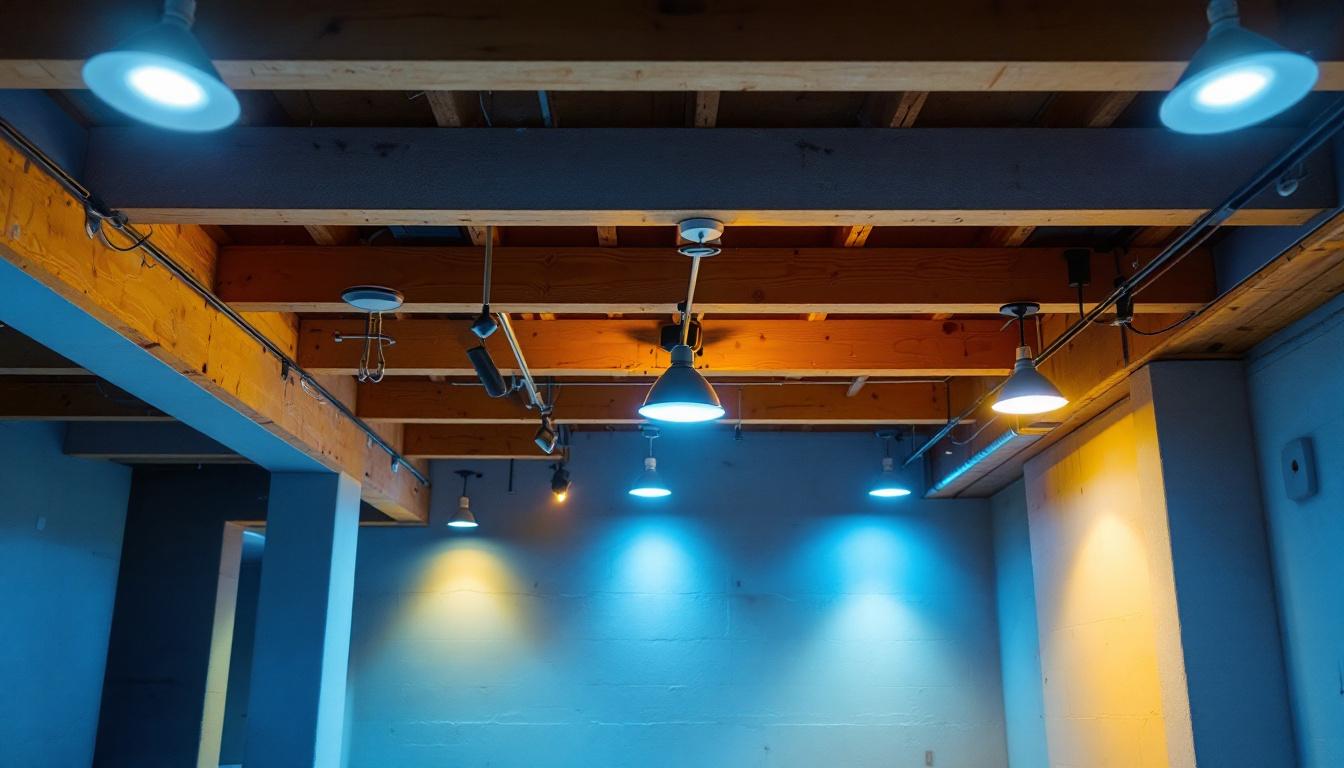
Introduction to Under Cabinet LED Strip Lighting Hardwiring
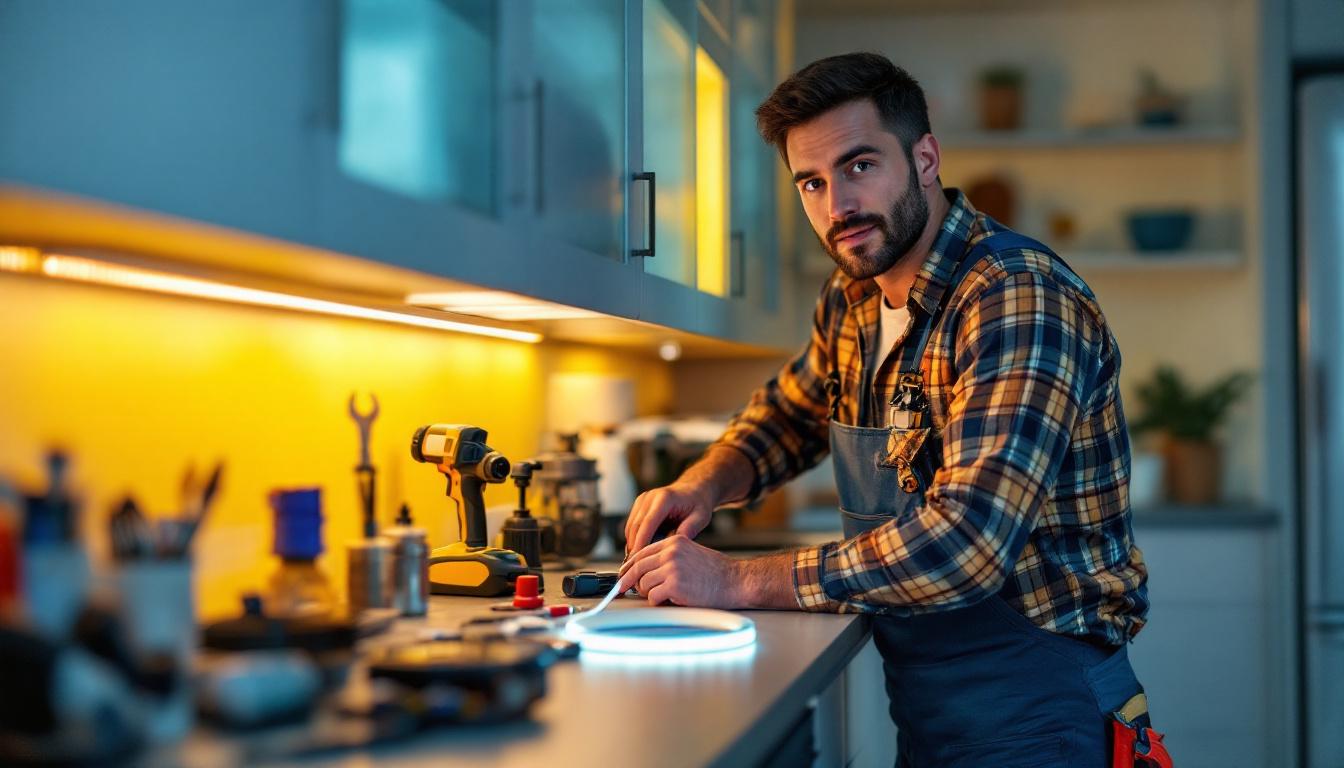
Under cabinet LED strip lighting has become a staple in modern residential and commercial lighting design. Its sleek profile, energy efficiency, and ability to enhance ambiance make it a popular choice among lighting contractors. Hardwiring these LED strips ensures a seamless, permanent installation that offers superior aesthetics and reliability compared to plug-in options. This method eliminates the clutter of visible cords and power adapters, creating a clean and polished look that complements contemporary kitchen and workspace designs.
For lighting contractors, mastering the installation of hardwired LED strip lighting under cabinets requires not only technical skill but also a well-curated set of tools. These tools facilitate precision, safety, and efficiency, ultimately leading to higher client satisfaction and fewer call-backs. Essential tools include wire strippers, voltage testers, and soldering kits, which help ensure that connections are secure and compliant with local electrical codes. Additionally, understanding the layout and design of the cabinetry is crucial; this knowledge allows contractors to strategically place the lighting for optimal illumination and aesthetic appeal.
Moreover, the versatility of LED strip lighting extends beyond mere functionality. Contractors can offer clients a variety of color temperatures and brightness levels, allowing for customization that meets specific needs and preferences. For instance, warmer tones can create a cozy atmosphere, perfect for kitchens, while cooler tones may be more suitable for workspaces where clarity and focus are paramount. Furthermore, many LED strips now come with smart technology options, enabling users to adjust brightness and color remotely via mobile apps or voice commands, adding another layer of convenience and modernity to the installation.
In addition to aesthetic considerations, energy efficiency is a significant selling point for under cabinet LED lighting. Compared to traditional incandescent or fluorescent options, LED strips consume significantly less power, translating to lower energy bills and a reduced carbon footprint. This aspect is particularly appealing to environmentally conscious clients who are looking to make sustainable choices in their home or business. As such, educating clients about the long-term benefits of LED lighting can enhance their overall satisfaction and encourage them to invest in additional energy-efficient upgrades throughout their properties.
Why Hardwired LED Strip Lighting is Preferred
Hardwired LED strip lighting offers several advantages over plug-in alternatives. It eliminates visible cords and bulky adapters, providing a clean and professional look. Additionally, hardwired systems can be integrated with home automation and dimming controls, offering clients enhanced functionality. This integration allows users to customize their lighting experience, adjusting brightness and color temperature to suit different moods or activities, whether it’s a cozy movie night or an energetic gathering.
From a contractor’s perspective, hardwiring reduces the risk of accidental disconnections and electrical hazards associated with exposed plugs. It also allows for more flexible placement and longer runs of LED strips without voltage drop issues that can affect performance. With hardwired systems, contractors can design intricate lighting layouts that enhance architectural features or create dramatic effects, all while ensuring safety and compliance with electrical codes. Furthermore, the longevity and durability of hardwired installations mean less frequent maintenance and replacement, making them a cost-effective choice in the long run.
Moreover, hardwired LED strip lighting can significantly enhance energy efficiency in a home or commercial space. By utilizing low-voltage systems and advanced LED technology, these installations consume considerably less power compared to traditional lighting options. This not only leads to reduced energy bills but also contributes to a more sustainable environment. Many modern hardwired systems are designed to be compatible with energy-saving technologies, such as smart thermostats and occupancy sensors, which can further optimize energy use and reduce waste.
In addition to their practicality, hardwired LED strip lights provide an opportunity for creative expression in interior design. They can be used to highlight artwork, illuminate pathways, or create ambient lighting in various settings, from kitchens to retail spaces. The versatility of LED strips allows for innovative applications, such as under-cabinet lighting in kitchens or backlighting for mirrors in bathrooms, enhancing both functionality and aesthetic appeal. As designers and homeowners continue to explore the potential of LED technology, hardwired solutions are becoming increasingly popular for those looking to achieve a polished and sophisticated look in their spaces.
Essential Tools for Hardwired LED Strip Lighting Installation
Wire Strippers and Cutters
Wire strippers are indispensable for preparing wires for connections. High-quality wire strippers allow contractors to remove insulation cleanly without damaging the copper conductors. Many models come with adjustable gauges to handle different wire sizes commonly used in lighting installations.
Cutters complement strippers by providing clean cuts, essential for ensuring secure connections and preventing shorts. Investing in ergonomic tools reduces hand fatigue during repetitive tasks.
Multimeter for Electrical Testing
A reliable digital multimeter is a must-have for verifying voltage, continuity, and resistance. Before connecting LED strips to the power source, contractors must confirm correct wiring and proper voltage levels to prevent damage to the LEDs and ensure safety.
Advanced multimeters with features like auto-ranging and backlit displays improve accuracy and usability in dimly lit cabinet spaces.
Power Drill and Driver Set
Installing mounting brackets or clips for LED strips often requires drilling pilot holes into cabinet surfaces. A cordless power drill with adjustable torque settings allows for precise screw insertion without damaging delicate cabinetry.
A versatile driver set with various bit types and sizes streamlines the installation process, enabling quick changes between Phillips, flathead, and hex screws.
Fish Tape and Wire Pullers
Running wires through walls or tight cabinet spaces can be challenging. Fish tape and wire pullers help contractors guide electrical cables through confined areas without damaging the insulation or existing structures.
These tools are especially valuable when retrofitting lighting in older homes where walls may not be easily accessible.
Voltage Tester and Circuit Analyzer
Safety is paramount when working with hardwired electrical systems. A non-contact voltage tester allows contractors to quickly check for live wires before cutting or connecting, reducing the risk of electric shock.
Circuit analyzers provide deeper diagnostics, helping identify wiring faults, grounding issues, or overloaded circuits that could compromise the lighting installation.
Heat Gun for Shrink Tubing
Heat shrink tubing is commonly used to insulate and protect wire connections. A heat gun provides controlled heat to shrink tubing evenly, ensuring a secure and professional finish.
Compared to lighter or open flame methods, heat guns reduce the risk of damaging wires or surrounding materials.
LED Tester and Power Supply Compatibility Tools
Testing LED strips before final installation saves time and prevents costly rework. LED testers simulate power supply output, allowing contractors to verify strip functionality and color consistency on-site.
Additionally, tools that help verify power supply compatibility, such as wattage meters, ensure that the selected drivers can handle the total load of the LED strips, avoiding premature failures.
Best Practices for Using Tools in LED Strip Lighting Installation
Planning and Preparation
Before starting any installation, lighting contractors should thoroughly plan the layout, including power source locations, wiring routes, and strip lengths. This preparation minimizes on-site adjustments and tool usage inefficiencies.
Marking drill points and wire paths reduces the risk of errors and damage to cabinetry or electrical systems.
Maintaining Tool Safety and Functionality
Regular inspection and maintenance of tools ensure they perform reliably and safely. For example, keeping wire stripper blades sharp and multimeter batteries fresh prevents inaccurate readings and poor wire preparation.
Contractors should also wear appropriate personal protective equipment (PPE) such as gloves and safety glasses when using power tools or handling electrical components.
Efficient Workflow Integration
Organizing tools in a portable toolbox or belt allows contractors to access them quickly, reducing downtime. Grouping related tools, like all wire preparation equipment, streamlines the installation process.
Using cordless and lightweight tools enhances mobility, especially when working in tight cabinet spaces or multiple locations within a property.
Advanced Tools and Technology Enhancing LED Strip Lighting Installations
Smart Voltage and Current Monitors
Emerging tools that monitor voltage and current in real-time provide contractors with instant feedback on the electrical load and performance of LED strips. These devices help prevent overloads and optimize power consumption.
Integrating such monitors into the installation process supports proactive troubleshooting and client education about energy efficiency.
Laser Measuring Devices
Precision is critical when mounting LED strips to ensure uniform lighting and aesthetic appeal. Laser measuring tools enable contractors to take accurate distance measurements quickly, improving alignment and reducing material waste.
These devices also assist in planning wiring runs by providing exact lengths, which helps in ordering the correct amount of cable and strip lighting.
Thermal Imaging Cameras
Thermal cameras can detect hotspots or poor connections in electrical circuits. Contractors can use these cameras to inspect hardwired LED lighting installations for potential issues that are invisible to the naked eye.
Identifying overheating components early prevents failures and enhances the safety of the installation.
Conclusion: Equipping for Success in Hardwired LED Strip Lighting
For lighting contractors, the successful installation of under cabinet LED strip lighting hinges on having the right tools combined with technical expertise. From basic wire strippers and multimeters to advanced thermal cameras and smart monitors, each tool plays a critical role in ensuring a safe, efficient, and aesthetically pleasing lighting solution.
Investing in quality tools not only improves installation quality but also boosts contractor reputation and client satisfaction. As LED technology and installation techniques evolve, staying updated with the latest tools and best practices will keep contractors at the forefront of the industry.
Get Your Premium Lighting Tools at LumenWholesale
Ready to elevate your lighting installations with the best tools in the business? Look no further than LumenWholesale for all your hardwired LED strip lighting needs. Our extensive selection of spec-grade lighting products ensures you have access to the highest quality tools at wholesale prices that can’t be beaten. Say goodbye to middleman markups and hello to reliable, high-performance lighting that will impress your clients and enhance your projects. With the convenience of free shipping on bulk orders, you can stock up on essential tools without any hidden fees. Make your next project a shining success with Wholesale Lighting at the Best Value from LumenWholesale.