Understanding the Importance of Proper Canned Lighting Installation in Kitchens
Canned lighting, also known as recessed lighting, has become a staple in modern kitchen design due to its sleek appearance and ability to provide focused illumination without cluttering the ceiling. For lighting contractors, mastering the installation of canned lights in kitchens is essential not only for aesthetic appeal but also for functionality and safety.
The kitchen is one of the most utilized spaces in any home. Proper lighting enhances visibility for cooking, cleaning, and entertaining, while poor lighting can lead to accidents or an uninviting atmosphere. Therefore, lighting contractors must approach canned light installation with a comprehensive understanding of kitchen-specific challenges and requirements.
Why Kitchens Demand Specialized Lighting Solutions
Kitchens involve a variety of tasks that require different lighting levels and qualities. From food preparation to dining, lighting needs can vary significantly within the same space. Canned lights offer the advantage of customizable placement and beam angles, making them ideal for task lighting, ambient lighting, or accent lighting.
However, the kitchen environment also presents unique challenges such as moisture, heat, and grease exposure. These factors influence the choice of fixtures, housing, and bulbs. Contractors must select products rated for damp or wet locations and ensure that installation complies with local electrical codes and safety standards.
Moreover, the strategic placement of canned lights can significantly enhance the overall functionality of the kitchen. For instance, positioning lights directly above work areas like countertops and islands ensures that chefs have ample illumination for chopping, mixing, and other culinary tasks. Additionally, dimmable options can provide versatility, allowing homeowners to adjust the brightness for different occasions, whether it’s a lively dinner party or a quiet family breakfast. This adaptability not only improves the kitchen’s usability but also contributes to the overall ambiance of the home.
Incorporating smart lighting technology into canned lighting installations can further elevate the kitchen experience. With the rise of home automation, contractors can integrate smart bulbs and controls that allow homeowners to adjust lighting remotely or set schedules. This technology not only adds convenience but also enhances energy efficiency by allowing users to turn off lights in unoccupied areas. As kitchens continue to evolve into multifunctional spaces, the importance of thoughtful and innovative lighting solutions cannot be overstated, making it crucial for contractors to stay informed about the latest trends and technologies in the industry.
Common Challenges in Installing Canned Lights in Kitchens
Despite their popularity, canned lights can pose several issues if not installed correctly. Lighting contractors frequently encounter problems related to placement, wiring, insulation, and fixture compatibility. Understanding these challenges upfront can prevent costly mistakes and client dissatisfaction.
Incorrect Placement and Spacing
One of the most frequent issues is improper placement of canned lights. Placing fixtures too close together can create uneven lighting and shadows, while spacing them too far apart can leave dark spots. The general guideline suggests spacing recessed lights about 4 to 6 feet apart, but this varies depending on ceiling height, fixture type, and kitchen layout.
Additionally, lighting contractors must consider the kitchen work zones—such as countertops, sinks, and cooking areas—and position lights to minimize glare and maximize task visibility. Failure to do so can result in inefficient lighting that detracts from the kitchen’s usability. It’s also essential to think about the overall aesthetic; the placement of canned lights can significantly influence the kitchen’s ambiance. For instance, strategically positioned lights can highlight architectural features or decorative elements, enhancing the overall design while providing functional illumination.
Wiring and Electrical Concerns
Wiring canned lights in kitchens demands attention to detail and adherence to safety codes. Kitchens often require circuits that can handle multiple fixtures and appliances without overloading. Contractors must verify the load capacity and use appropriate wiring methods, such as using conduit or armored cable in certain areas.
Another common issue is the improper use of dimmers or incompatible bulbs, which can cause flickering or reduced lifespan. Ensuring compatibility between dimmer switches, LED drivers, and bulbs is critical to achieving smooth and reliable lighting control. Furthermore, it’s important to consider the future needs of the kitchen; as homeowners often change their preferences or upgrade appliances, having a flexible wiring setup can allow for easy modifications or expansions to the lighting scheme without extensive rewiring.
Insulation and Heat Management
Many kitchens have insulated ceilings to improve energy efficiency. Installing canned lights in insulated ceilings requires the use of IC-rated (Insulation Contact) housings to prevent overheating and fire hazards. Non-IC rated fixtures must have clearance from insulation, which can complicate installation and reduce lighting options.
Heat generated by certain bulbs, especially halogens, can also affect fixture longevity and safety. LED technology has largely mitigated this issue, but contractors should still verify fixture ratings and ensure proper ventilation around recessed lights. Additionally, it’s worth noting that the choice of bulb can impact not just heat management but also energy efficiency. Homeowners are increasingly leaning towards energy-efficient solutions, so recommending LED options not only aligns with modern trends but also contributes to lower energy bills and a reduced carbon footprint. This consideration can be a selling point for contractors looking to provide comprehensive, forward-thinking lighting solutions.
Best Practices for Lighting Contractors to Avoid Common Issues
Lighting contractors can significantly reduce installation problems by following industry best practices tailored to kitchen environments. These strategies enhance safety, functionality, and client satisfaction.
Conducting a Thorough Site Assessment
Before installation, a detailed site assessment is crucial. Contractors should evaluate ceiling type, insulation, existing wiring, and kitchen layout. Understanding the client’s lighting preferences and daily kitchen activities will inform fixture selection and placement.
Using lighting design software or layout templates can help visualize the impact of canned light placement and identify potential shadow zones or glare issues. Collaborating with kitchen designers or homeowners ensures that lighting complements cabinetry, countertops, and appliances. Moreover, considering the color temperature of the lights is essential, as warmer tones can create a cozy atmosphere, while cooler tones may enhance visibility and focus, particularly during food preparation.
Selecting the Right Fixtures and Components
Choosing fixtures rated for kitchen use is essential. Contractors should prioritize IC-rated housings for insulated ceilings and select damp- or wet-rated trims for areas near sinks or stoves. LED fixtures are preferred for their energy efficiency, low heat output, and long lifespan.
Additionally, selecting fixtures with adjustable trims or gimbals allows for directional lighting, which can be advantageous in kitchens with varied tasks. Contractors should also ensure that all components—fixtures, bulbs, dimmers, and wiring—are compatible and meet local electrical codes. It is also beneficial to consider smart lighting options that can be controlled via mobile apps or voice commands, offering clients enhanced convenience and flexibility in managing their kitchen ambiance.
Implementing Proper Installation Techniques
During installation, contractors must carefully follow manufacturer instructions and safety guidelines. This includes securing housings firmly, maintaining clearance from insulation when required, and using appropriate connectors and wire nuts to ensure solid electrical connections.
Testing circuits and dimmers before finalizing the installation helps identify potential issues early. Contractors should also educate clients on the operation and maintenance of their canned lighting system to prolong performance and safety. Additionally, providing a maintenance schedule or checklist can empower clients to keep their lighting systems in optimal condition, ensuring longevity and consistent performance. By fostering a relationship of trust and transparency, contractors can enhance client satisfaction and encourage referrals for future projects.
Advanced Considerations: Enhancing Kitchen Lighting with Canned Lights
Beyond basic installation, lighting contractors can add value by incorporating advanced techniques and technologies that optimize kitchen lighting.
Layered Lighting Design
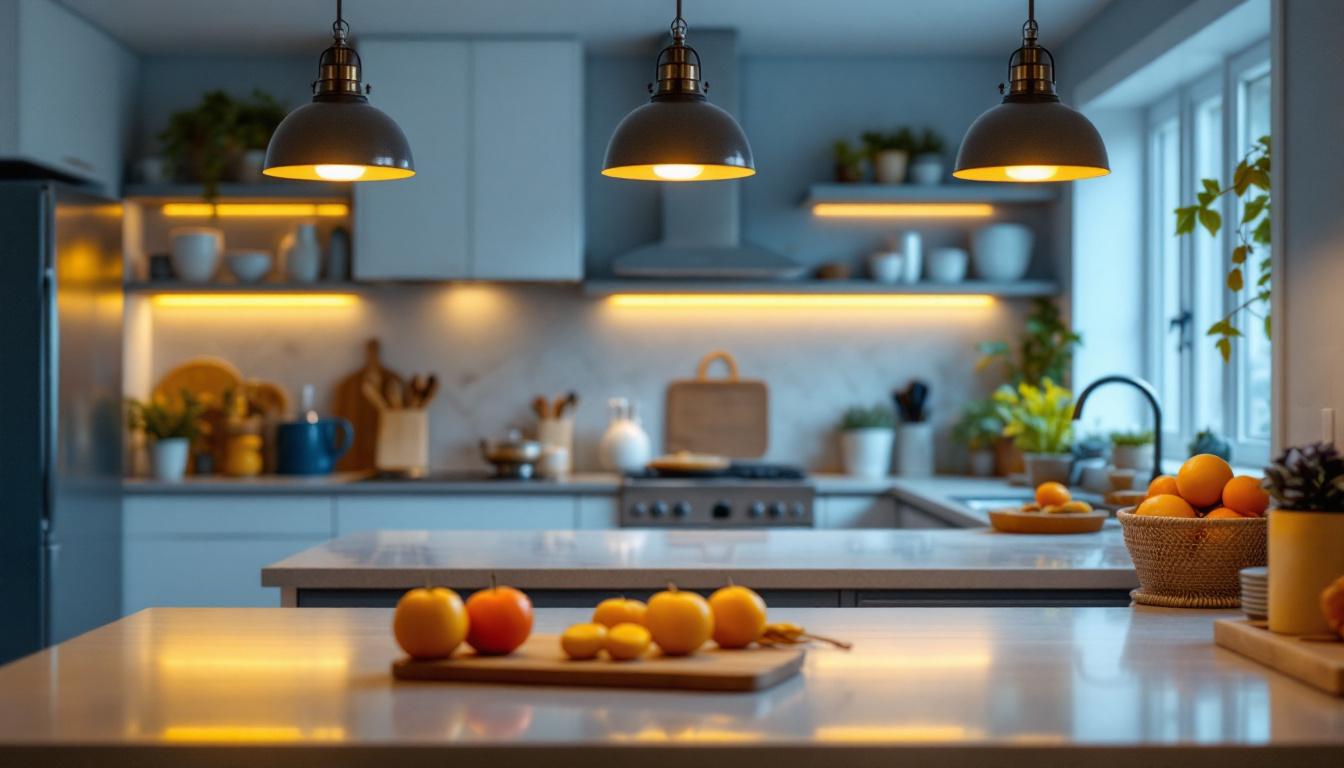
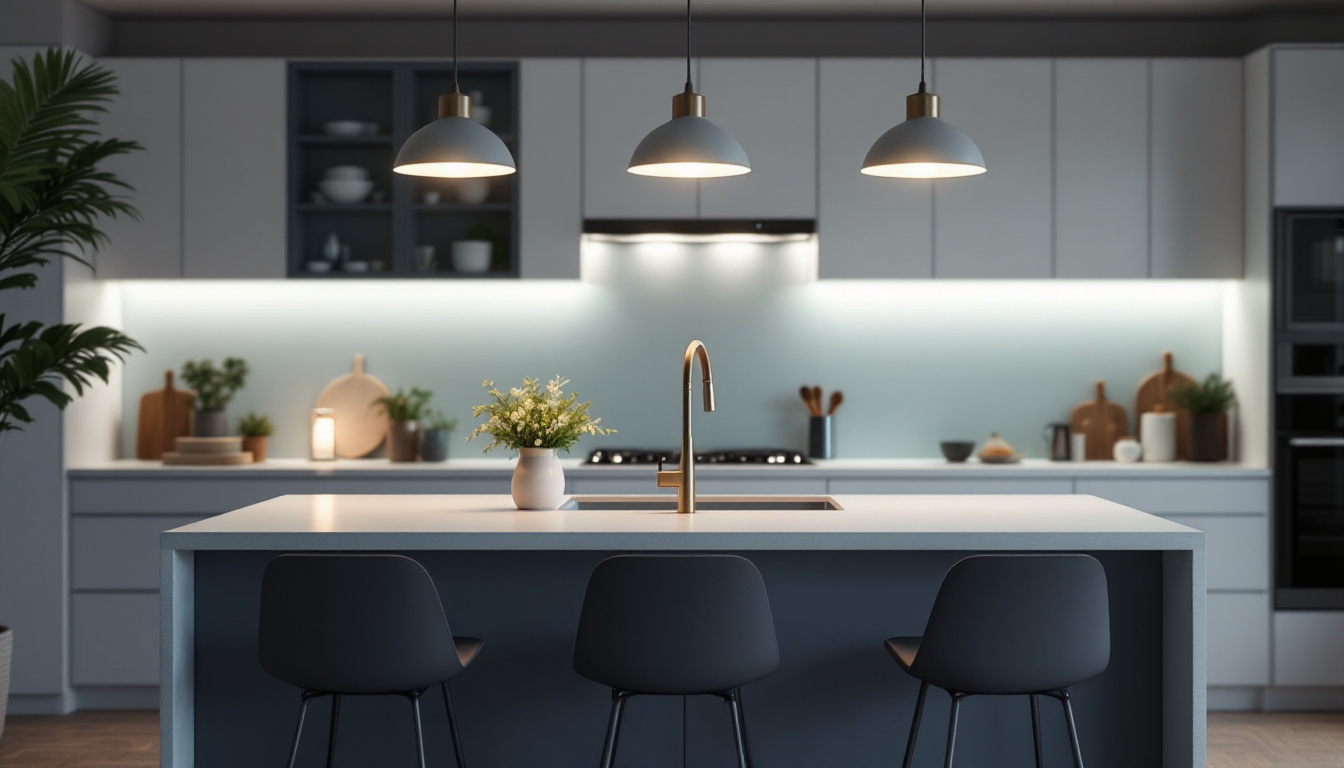
Integrating canned lights as part of a layered lighting scheme enhances both functionality and ambiance. Combining recessed lighting with under-cabinet lights, pendant fixtures, and accent lighting allows homeowners to adjust lighting based on activity and mood.
Contractors can suggest dimmable canned lights to provide flexible control over brightness levels. This approach not only improves usability but also contributes to energy savings by avoiding over-illumination.
Smart Lighting Integration
The rise of smart home technology offers new opportunities for lighting contractors. Installing canned lights compatible with smart controls enables homeowners to adjust lighting remotely, set schedules, and create scenes tailored to different kitchen activities.
Contractors should stay informed about the latest smart lighting products and ensure that wiring and fixtures support these systems. Proper integration enhances client satisfaction and positions contractors as forward-thinking professionals.
Addressing Accessibility and Ergonomics
Lighting contractors should consider the needs of all users, including those with visual impairments or mobility challenges. Ensuring even, glare-free illumination at work surfaces improves safety and comfort.
Adjustable canned lights or fixtures with variable beam angles can accommodate different heights and tasks. Collaborating with occupational therapists or accessibility consultants can further refine lighting solutions for inclusive kitchen environments.
Conclusion: Delivering Excellence in Kitchen Canned Lighting
For lighting contractors, mastering the installation of canned lights in kitchens involves more than just technical skill. It requires a holistic approach that considers safety, functionality, aesthetics, and client needs. By understanding common challenges and implementing best practices, contractors can avoid costly mistakes and deliver lighting solutions that enhance the heart of the home.
Staying current with technological advancements and embracing smart, energy-efficient products will further differentiate contractors in a competitive market. Ultimately, successful canned lighting installation in kitchens hinges on careful planning, precise execution, and ongoing client communication—ensuring that every kitchen is illuminated to its fullest potential.
Illuminate Your Projects with LumenWholesale
Ready to elevate your kitchen lighting installations with the finest products on the market? Look no further than LumenWholesale, where we provide lighting contractors with spec-grade lighting solutions at unbeatable wholesale prices. Our commitment to quality and affordability ensures that you can deliver excellence in every kitchen project without the burden of inflated costs. With free shipping on bulk orders, LumenWholesale is your go-to source for premium lighting that meets the highest industry standards. Don’t compromise on quality or value—explore our collection today and bring the best lighting solutions to your clients.