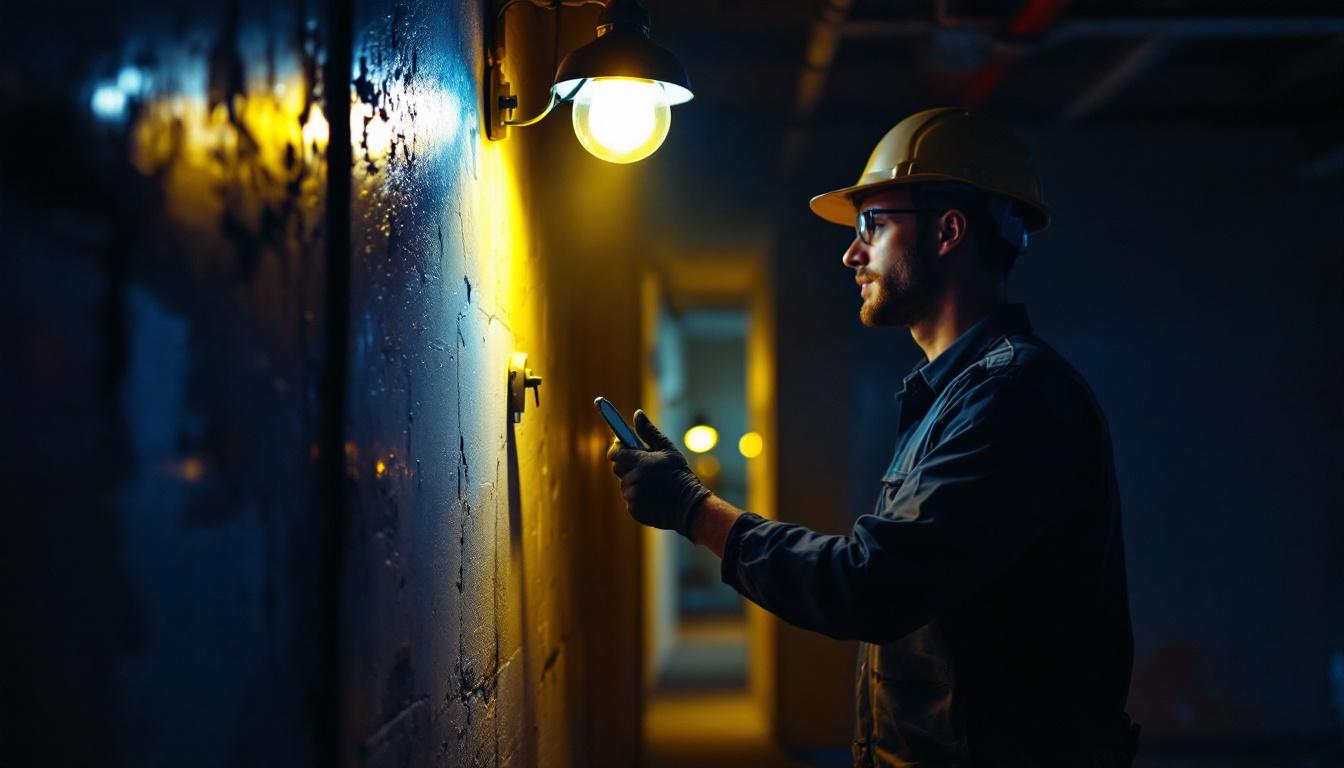
Understanding the Critical Role of Emergency Lighting Systems
Emergency lighting systems are an essential component of building safety, designed to provide illumination during power outages or other emergencies. Their primary purpose is to ensure safe evacuation and prevent panic by illuminating exit routes, stairwells, and other critical areas. For lighting contractors, installing and maintaining these systems is a responsibility that carries significant implications for occupant safety and legal compliance.
Despite their importance, emergency lighting systems are often misunderstood or underestimated. Mistakes in design, installation, or maintenance can lead to system failures during emergencies, potentially resulting in injuries, legal liabilities, and damage to a contractor’s reputation. Recognizing common pitfalls and understanding best practices is vital for lighting professionals aiming to deliver reliable and code-compliant emergency lighting solutions.
Moreover, the technology behind emergency lighting systems has evolved significantly over the years. Modern systems may incorporate LED technology, which not only provides brighter illumination but also offers energy efficiency and longer lifespans compared to traditional lighting options. Additionally, many contemporary emergency lighting solutions are equipped with self-testing capabilities, allowing for regular performance checks without the need for manual intervention. This advancement not only enhances reliability but also ensures that the systems remain compliant with local safety regulations, which often require routine inspections and maintenance.
Furthermore, the integration of smart technology into emergency lighting systems is becoming increasingly prevalent. These systems can now be connected to building management systems, allowing for real-time monitoring and alerts in case of failures or malfunctions. This connectivity can significantly improve response times during emergencies, as facility managers can quickly identify and address issues before they escalate. As the industry continues to innovate, staying informed about these advancements is crucial for contractors, ensuring they can provide the most effective and up-to-date solutions for their clients.
Common Mistakes in Emergency Lighting System Installation
1. Inadequate Planning and Site Assessment
One of the most frequent errors contractors make is insufficient planning before installation. Emergency lighting systems must be tailored to the specific layout and use of a building. Failing to conduct a thorough site assessment can lead to improper placement of emergency fixtures, leaving critical areas dimly lit or completely unlit during an emergency.
For example, stairwells, corridors, and exit doors require clear illumination to guide occupants safely. Overlooking these zones or relying solely on standard lighting plans without adjustments for emergency scenarios compromises system effectiveness. Contractors should collaborate closely with architects, facility managers, and fire safety consultants to ensure all evacuation routes and hazard areas are adequately covered. Moreover, it is beneficial to conduct a simulation of potential emergency scenarios during the planning phase. This approach allows for the identification of potential bottlenecks or blind spots in the lighting layout, ensuring that every possible escape route is well-lit and easily navigable under duress.
2. Non-Compliance with Codes and Standards
Emergency lighting is governed by stringent regulations such as the National Fire Protection Association (NFPA) 101 Life Safety Code, the International Building Code (IBC), and local standards. A common mistake is neglecting to stay current with these evolving codes or misinterpreting their requirements.
For instance, emergency lighting must provide a minimum illumination level (typically 1 foot-candle or 10 lux) along exit paths, and battery backup systems must sustain lighting for a specified duration, often 90 minutes. Failure to meet these specifications can result in failed inspections, costly rework, and jeopardized safety. Contractors must invest time in understanding applicable codes and verifying that all installed components meet or exceed these standards. Additionally, it is crucial to maintain documentation of compliance, as this can serve as a reference during inspections and audits. Regular training sessions for installation teams on code updates can further mitigate the risk of non-compliance, ensuring that everyone involved is aware of the latest requirements and best practices.
3. Incorrect Selection of Emergency Lighting Fixtures
Choosing inappropriate fixtures is another prevalent issue. Emergency lighting fixtures come in various types, including maintained and non-maintained units, exit signs, and remote heads. Selecting the wrong type or an incompatible fixture for a given application can undermine system reliability.
For example, using non-maintained fixtures where maintained ones are required can cause lights to remain off during normal operation, leading to confusion during power loss. Additionally, contractors sometimes install fixtures with insufficient brightness or poor beam distribution, reducing visibility in critical areas. It is essential to evaluate fixture specifications carefully and match them to the building’s needs and code mandates. Furthermore, considering the environmental conditions of the installation site is vital; fixtures should be rated for temperature extremes, humidity, and potential exposure to corrosive elements. This attention to detail not only enhances the functionality of the emergency lighting system but also extends the lifespan of the fixtures, reducing long-term maintenance costs and ensuring reliability when it matters most.
Installation and Maintenance Errors That Compromise System Performance
4. Improper Wiring and Power Supply Connections
Emergency lighting systems rely on a dependable power supply, typically involving a dedicated circuit and battery backup. Mistakes in wiring, such as using incorrect wire gauges, failing to segregate emergency circuits from general lighting, or poor connections, can cause system malfunctions.
Moreover, some contractors neglect to install test switches or indicator lights that facilitate routine system checks. Without these features, identifying faults becomes challenging, increasing the risk of unnoticed failures. Adhering to manufacturer guidelines and electrical codes during wiring is crucial to ensure uninterrupted operation during emergencies.
5. Overlooking Battery Maintenance and Testing
Battery failures are a leading cause of emergency lighting system malfunctions. Batteries degrade over time and require regular inspection, testing, and replacement. Contractors sometimes underestimate the importance of establishing a maintenance schedule or fail to educate building owners on this responsibility.
Routine testing includes verifying battery charge levels, load testing to confirm capacity, and checking for corrosion or damage. Automated testing systems can simplify this process, but manual inspections remain vital. Neglecting battery upkeep can result in emergency lights failing when needed most, posing serious safety risks.
6. Inadequate Documentation and Training
Proper documentation is essential for ongoing system reliability and regulatory compliance. Contractors often fail to provide comprehensive records of installation details, test results, and maintenance procedures. This oversight complicates troubleshooting and can lead to missed inspections or penalties.
Additionally, building staff and maintenance personnel must be trained on emergency lighting operation, testing protocols, and reporting procedures. Without clear guidance, routine checks may be neglected or improperly performed, reducing system readiness. Providing detailed manuals and conducting training sessions enhances system longevity and occupant safety.
Strategies to Avoid Common Pitfalls and Enhance System Reliability
7. Engage in Thorough Pre-Installation Planning
Effective emergency lighting starts with detailed planning. Contractors should conduct comprehensive site surveys, review architectural drawings, and consult with stakeholders to identify all critical areas requiring illumination. Utilizing lighting design software can help simulate emergency lighting coverage and identify potential blind spots before installation.
Incorporating feedback from fire safety experts ensures the system aligns with evacuation strategies and hazard assessments. This collaborative approach reduces the likelihood of costly modifications and enhances occupant safety.
8. Stay Updated on Codes and Industry Best Practices
Codes and standards evolve to reflect new technologies and safety insights. Lighting contractors must prioritize continuing education and participate in industry forums to stay informed. Subscribing to updates from organizations like NFPA and the Illuminating Engineering Society (IES) helps maintain compliance and adopt innovative solutions.
Regularly reviewing code changes and attending training workshops can prevent costly compliance errors and improve the quality of emergency lighting installations.
9. Select High-Quality, Code-Compliant Fixtures and Components
Investing in reputable emergency lighting products ensures durability and performance. Contractors should verify product certifications, such as UL listing or compliance with EN standards, and choose fixtures designed for the specific environmental conditions of the installation site.
Partnering with trusted manufacturers and suppliers facilitates access to technical support and warranty services, adding value to the installation and reducing long-term risks.
10. Implement Rigorous Installation and Testing Procedures
Strict adherence to manufacturer instructions and electrical codes during installation is non-negotiable. Contractors should employ qualified electricians and conduct thorough inspections at each phase. Installing test switches and monitoring indicators enhances the ability to perform routine checks efficiently.
Post-installation testing must include verifying illumination levels, battery backup duration, and system response under simulated power failure conditions. Documenting these results provides a baseline for future maintenance and compliance audits.
11. Establish Comprehensive Maintenance Programs
Emergency lighting systems require ongoing attention to remain functional. Contractors should offer maintenance contracts or detailed maintenance plans that specify inspection frequencies, battery testing protocols, and replacement schedules.
Educating building owners on the importance of regular maintenance and providing easy-to-follow checklists empowers them to uphold system integrity. Utilizing automated testing technologies can further streamline maintenance efforts and provide real-time status updates.
12. Provide Clear Documentation and Training
Delivering thorough documentation, including as-built drawings, operation manuals, and maintenance logs, supports effective system management. Training sessions for facility managers and maintenance staff ensure proper understanding of system features and testing requirements.
Encouraging open communication channels for reporting issues or scheduling inspections fosters proactive maintenance and rapid resolution of potential problems.
Conclusion: Prioritizing Safety and Compliance in Emergency Lighting
Emergency lighting systems are a cornerstone of building safety, and lighting contractors play a pivotal role in their successful implementation. Avoiding common mistakes—ranging from inadequate planning and code non-compliance to poor maintenance—can significantly enhance system reliability and occupant protection.
By embracing meticulous planning, staying informed on regulatory requirements, selecting quality products, and committing to rigorous installation and maintenance practices, contractors can deliver emergency lighting solutions that perform flawlessly when lives depend on them. Ultimately, this dedication not only safeguards building occupants but also strengthens the contractor’s professional reputation and fosters long-term client trust.
Get Your Emergency Lighting Supplies at LumenWholesale
Ensure your emergency lighting installations are up to code and of the highest quality with LumenWholesale. Our extensive selection of spec-grade lighting products meets rigorous industry standards, providing you with the reliability and performance necessary for critical safety systems. Take advantage of our unbeatable wholesale prices, free shipping on bulk orders, and the convenience of cutting out the middleman. Elevate your projects with the best value in lighting solutions. Wholesale Lighting at the Best Value is just a click away.