As sustainable and energy-efficient lighting solutions continue to gain traction, solar blue lights have emerged as a popular choice among lighting contractors. These lights offer a unique blend of aesthetic appeal and eco-friendliness, making them an excellent option for a variety of residential and commercial projects. However, like any specialized lighting technology, solar blue lights come with their own set of considerations and best practices.
This comprehensive guide outlines the essential do’s and don’ts for lighting contractors working with solar blue lights, ensuring installations are both effective and compliant with industry standards.
Understanding Solar Blue Lights: What Lighting Contractors Need to Know
Before diving into installation tips and best practices, it’s crucial for lighting contractors to understand what solar blue lights are and how they differ from other lighting options.
What Are Solar Blue Lights?
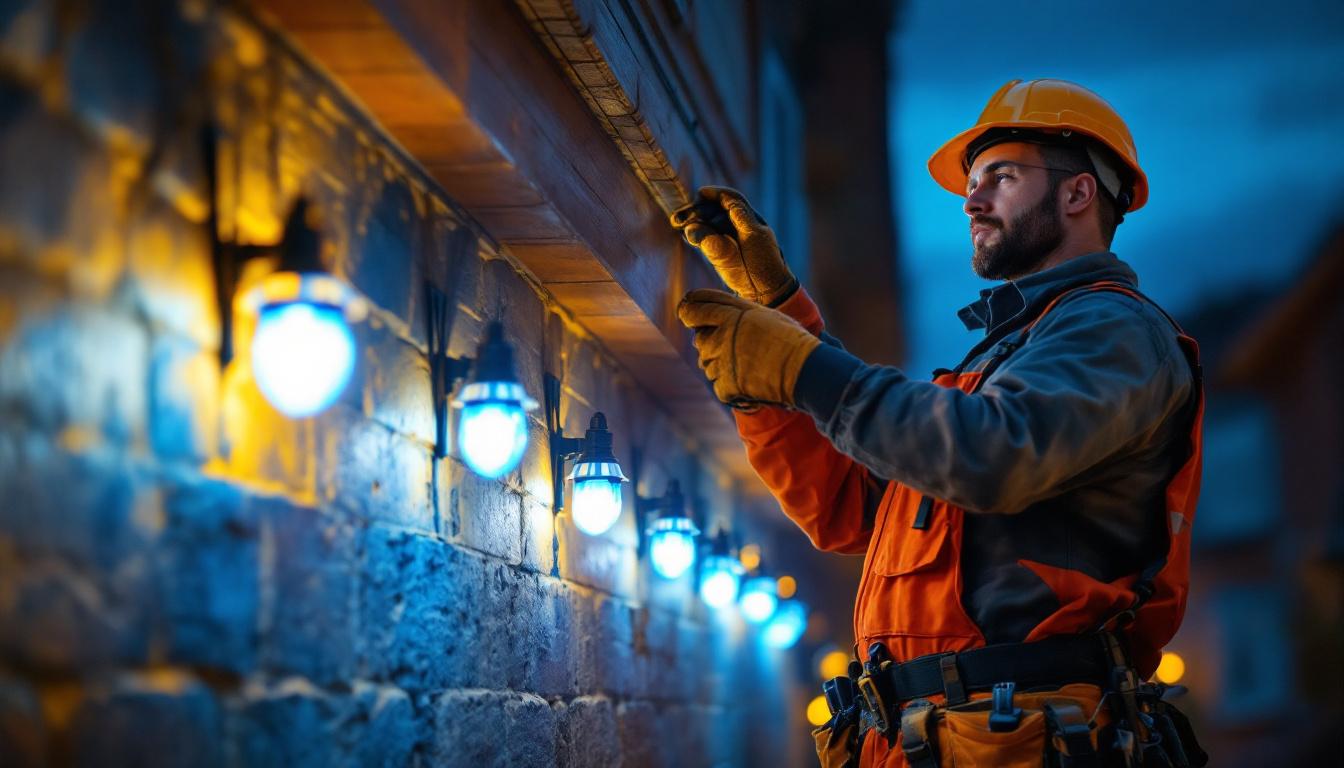
Solar blue lights are LED fixtures powered by solar panels that emit a distinctive blue hue. Unlike traditional electric-powered blue lights, these rely on solar energy, making them energy-efficient and environmentally friendly. Their blue wavelength is often used for decorative purposes, safety lighting, and even pest control in some applications. The unique color can create a calming ambiance in outdoor spaces, making them popular in residential gardens and public parks alike. Additionally, the ability to harness solar energy means these lights can operate independently of the grid, providing a reliable lighting solution even in areas prone to power outages.
Why Choose Solar Blue Lights?
Solar blue lights offer several advantages:
- Energy Efficiency: Powered by renewable solar energy, they reduce electricity costs and carbon footprints.
- Easy Installation: Without the need for complex wiring, they can be installed in remote or hard-to-reach areas.
- Low Maintenance: With LED technology and solar power, these lights require minimal upkeep.
- Versatility: Suitable for pathways, gardens, signage, and safety lighting.
For lighting contractors, understanding these benefits helps in recommending the right solutions to clients and positioning solar blue lights as a smart investment. Moreover, the aesthetic appeal of solar blue lights can enhance the visual landscape of a property, attracting attention and potentially increasing property value. Their ability to deter pests, particularly in outdoor dining areas or gardens, adds an extra layer of functionality that clients may find particularly appealing. As more homeowners and businesses prioritize sustainability, being knowledgeable about solar lighting options can set contractors apart in a competitive market.
Do’s for Lighting Contractors When Installing Solar Blue Lights
Proper installation is key to maximizing the performance and longevity of solar blue lights. Here are the essential do’s every lighting contractor should follow.
Do Conduct a Thorough Site Assessment
Before installation, assess the site carefully to ensure optimal sunlight exposure. Solar blue lights depend entirely on solar energy, so shading from trees, buildings, or other structures can significantly reduce their effectiveness. Use tools like solar pathfinders or smartphone apps to evaluate sunlight availability throughout the day.
Additionally, consider the environment’s specific lighting needs. For example, blue lighting near water features or in garden pathways may require different brightness levels or fixture types. Understanding the local flora and fauna can also play a crucial role; certain plants may thrive under blue light, while others might not. This knowledge can help in designing a lighting scheme that not only enhances aesthetics but also supports the ecosystem.
Do Choose Quality Components
Investing in high-quality solar panels, batteries, and LED fixtures is non-negotiable. Premium components ensure better energy storage, longer lifespan, and consistent light output. Look for products with reliable warranties and certifications such as IP65 or higher for water resistance, especially in outdoor settings.
Quality also extends to the blue LED itself. The wavelength and intensity should meet project specifications and comply with local regulations regarding light pollution and safety. Furthermore, consider the color temperature of the blue light; warmer shades can create a more inviting atmosphere, while cooler tones might be more suitable for security applications. This attention to detail can significantly enhance the overall effectiveness of the lighting installation.
Do Follow Manufacturer Guidelines
Each solar blue light product comes with specific installation and maintenance instructions. Adhering to these guidelines is crucial to avoid voiding warranties and to ensure optimal performance. Pay close attention to recommended mounting heights, angles for solar panels, and battery replacement cycles.
In addition to following installation guidelines, it’s beneficial to familiarize yourself with troubleshooting tips provided by manufacturers. Understanding common issues, such as dimming lights or inconsistent performance, can empower contractors to resolve problems swiftly, ensuring client satisfaction and trust in your services.
Do Educate Clients on Maintenance
While solar blue lights are low maintenance, clients should be informed about basic upkeep such as cleaning solar panels to remove dust or debris, checking for damage after storms, and replacing batteries when necessary. Providing clients with a maintenance schedule can help prolong the life of the installation and maintain lighting quality.
Moreover, consider offering a brief workshop or informational session for clients post-installation. This can cover topics such as the benefits of solar lighting, the importance of seasonal maintenance, and how to adjust settings for different times of the year. Engaging clients in this way not only empowers them but also fosters a sense of community around sustainable practices.
Do Ensure Compliance with Local Regulations
Lighting contractors must be aware of local ordinances related to outdoor lighting, especially those governing blue light emissions. Some municipalities have restrictions to minimize light pollution or to protect nocturnal wildlife. Verify that your installations meet these requirements to avoid fines and client dissatisfaction.
Additionally, staying informed about changes in regulations can be beneficial for contractors. Engaging with local environmental groups or attending community meetings can provide insights into upcoming legislation that may affect lighting projects. This proactive approach not only positions you as a knowledgeable contractor but also demonstrates a commitment to responsible and sustainable lighting solutions.
Don’ts for Lighting Contractors When Working with Solar Blue Lights
Equally important as knowing what to do is understanding common pitfalls to avoid when installing solar blue lights.
Don’t Overlook Battery Capacity and Quality
A common mistake is underestimating the battery capacity needed to power the lights throughout the night. Using batteries with insufficient capacity will lead to dim or non-functioning lights during critical hours. Avoid cheap, low-capacity batteries that degrade quickly, as they can cause premature system failure.
Don’t Install in Poorly Lit or Shaded Areas
Solar panels require direct sunlight to charge effectively. Installing solar blue lights in shaded or heavily obstructed locations compromises charging efficiency and light output. This often results in client complaints and unnecessary service calls.
Don’t Ignore Environmental Impact
While solar blue lights are eco-friendly, improper placement can negatively affect local wildlife. Blue light wavelengths have been shown to disrupt the behavior of certain nocturnal animals and insects. Avoid installing these lights near sensitive habitats or migratory paths without consulting environmental guidelines.
Don’t Neglect Proper Fixture Placement and Orientation
Incorrect mounting angles for solar panels or poor fixture placement can reduce energy capture and light distribution. Ensure solar panels are angled to maximize sun exposure based on geographic location and seasonal sun paths. Fixtures should also be positioned to optimize illumination without causing glare or light trespass.
Don’t Forget to Test the System Before Finalizing Installation
Always perform a comprehensive system test after installation. This includes checking solar panel charging rates, battery health, and light output during nighttime hours. Testing helps identify any installation errors or defective components early, reducing callbacks and enhancing client satisfaction.
Best Practices for Maximizing Solar Blue Light Performance
Beyond the basic do’s and don’ts, lighting contractors can adopt several best practices to ensure their solar blue light installations stand out in quality and reliability.
Integrate Smart Controls Where Possible
Incorporating smart sensors or timers can optimize energy use and extend battery life. Motion sensors, for example, can activate blue lights only when movement is detected, reducing unnecessary energy consumption. Dusk-to-dawn sensors ensure lights operate only during nighttime hours, further conserving power.
Use Modular and Scalable Systems
For larger projects, modular solar lighting systems allow for easy expansion and maintenance. Lighting contractors should consider scalable designs that enable clients to add more fixtures without overhauling the entire system.
Document and Communicate Installation Details
Maintaining detailed records of installation locations, component specifications, and maintenance schedules helps streamline future service visits. Clear communication with clients about system capabilities and limitations also sets realistic expectations.
Stay Updated on Industry Innovations
The solar lighting industry is rapidly evolving, with new battery technologies, LED efficiencies, and smart control systems emerging regularly. Lighting contractors should stay informed through trade publications, manufacturer updates, and professional training to offer cutting-edge solutions.
Case Studies: Successful Solar Blue Light Installations
Examining real-world examples can provide valuable insights into best practices and common challenges.
Residential Garden Pathway Lighting
A lighting contractor installed solar blue lights along a residential garden pathway to enhance nighttime aesthetics and safety. By carefully assessing sunlight exposure and using high-capacity lithium-ion batteries, the system provided consistent illumination throughout the night. The client appreciated the eco-friendly aspect and minimal maintenance requirements.
Commercial Parking Lot Perimeter Lighting
In a commercial setting, solar blue lights were used to mark the perimeter of a parking lot. The contractor integrated motion sensors to activate lights only when vehicles or pedestrians were present, significantly extending battery life. Compliance with local lighting ordinances was ensured by selecting fixtures with appropriate brightness and beam angles.
Public Park Decorative Lighting
A municipal project utilized solar blue lights to highlight walking trails and water features in a public park. The contractor collaborated with environmental consultants to minimize impact on local wildlife, opting for fixtures with shielded lenses and timers to limit operational hours. The project received positive feedback for its sustainability and visual appeal.
Conclusion: Elevating Your Expertise with Solar Blue Lights
Solar blue lights represent a compelling opportunity for lighting contractors to expand their portfolio with sustainable, visually striking solutions. By following the outlined do’s and don’ts, contractors can ensure successful installations that meet client expectations and comply with regulatory standards.
Prioritizing site assessment, quality components, and ongoing education will not only improve project outcomes but also position contractors as trusted experts in the growing field of solar lighting. Embracing best practices and staying current with industry advancements will help lighting contractors deliver innovative, reliable, and environmentally responsible lighting solutions for years to come.
Get Your Premium Solar Blue Lights at LumenWholesale
Ready to elevate your lighting projects with the sustainable elegance of solar blue lights? Look no further than LumenWholesale for all your lighting needs. Our extensive selection of spec-grade lighting products is designed to meet the highest industry standards, ensuring you deliver reliable and high-performance lighting solutions. With unbeatable wholesale prices and the convenience of free shipping, you can confidently stock up on top-quality lighting without the worry of hidden fees or inflated markups. Make your next project shine by choosing LumenWholesale, where quality, affordability, and convenience come together seamlessly. Discover the best value in wholesale lighting by visiting Wholesale Lighting at the Best Value today.