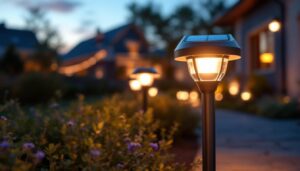
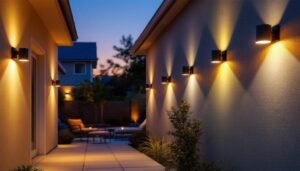
Introduction to Solar Landscape Lighting for Contractors
Solar landscape lighting has revolutionized the outdoor lighting industry, offering an eco-friendly, cost-effective, and versatile solution for illuminating gardens, pathways, and architectural features. For lighting contractors, understanding the nuances of high-quality solar lighting systems is essential to delivering superior results that satisfy clients and stand the test of time.
As more homeowners and commercial property managers seek sustainable lighting options, contractors must stay informed about the latest technologies, installation techniques, and maintenance practices. This article explores best practices tailored specifically for lighting contractors aiming to excel in the solar landscape lighting market.
One of the most significant advantages of solar landscape lighting is its ability to reduce energy costs while minimizing the carbon footprint. Solar lights harness sunlight during the day, converting it into energy stored in batteries for nighttime use. This not only eliminates the need for wiring and electricity but also allows for greater flexibility in design and placement. Contractors can creatively position lights in hard-to-reach areas or along winding paths without the constraints of traditional electrical systems. Furthermore, advancements in solar technology have led to brighter and more efficient LED bulbs, making it possible to achieve stunning visual effects while maintaining energy efficiency.
Moreover, the aesthetic appeal of solar landscape lighting cannot be overlooked. With a variety of styles, colors, and finishes available, contractors can tailor their selections to match the unique character of each property. From sleek modern fixtures to rustic lanterns, solar lights can enhance the beauty of outdoor spaces while providing safety and security. Additionally, many solar lights come equipped with motion sensors and timers, allowing for customizable lighting solutions that adapt to the specific needs of the environment. This versatility not only elevates the overall design but also ensures that clients receive a personalized experience that reflects their preferences and lifestyle.
Choosing High Quality Solar Landscape Lighting Components
Solar Panels: Efficiency and Durability
The solar panel is the heart of any solar lighting system. Contractors should prioritize panels with high conversion efficiency, typically monocrystalline or polycrystalline types, which convert sunlight into electricity more effectively. Panels with efficiency ratings above 18% are considered premium and ensure longer illumination times, especially in areas with limited sunlight.
Durability is equally important. Panels must withstand environmental stressors such as rain, wind, dust, and UV exposure. Look for panels with tempered glass and robust frames, rated IP65 or higher for water and dust resistance. This ensures longevity and reduces the likelihood of premature failure. Furthermore, the installation angle of the solar panels should be optimized to capture the maximum amount of sunlight throughout the day, which can significantly enhance their performance over time. Regular maintenance, such as cleaning the panels to remove dirt and debris, can also help maintain their efficiency and prolong their lifespan.
Battery Technology: Longevity and Capacity
High quality solar landscape lighting relies on advanced battery technology to store energy for nighttime use. Lithium-ion batteries have become the industry standard due to their superior energy density, longer lifespan, and lighter weight compared to traditional nickel-metal hydride (NiMH) or sealed lead-acid batteries.
Contractors should select batteries with sufficient capacity to power lights through extended periods of low sunlight or cloudy weather. Battery management systems (BMS) integrated into modern fixtures help prevent overcharging and deep discharging, further enhancing battery life and safety. Additionally, some manufacturers are now exploring newer technologies such as lithium iron phosphate (LiFePO4) batteries, which offer even greater thermal stability and safety, making them an appealing choice for outdoor applications. Understanding the specific energy needs of the lighting system and choosing the right battery configuration can greatly impact the overall performance and reliability of the solar lighting installation.
LED Light Sources: Brightness and Color Quality
LEDs are the preferred light source for solar landscape lighting due to their high efficiency, long lifespan, and low heat output. Contractors should specify LEDs with high lumen output and favorable color rendering index (CRI) values, typically above 80, to ensure natural and vibrant illumination.
Color temperature is another consideration. Warm white (2700K–3000K) creates a cozy ambiance, while neutral white (3500K–4100K) offers a balanced, modern look. Some high quality fixtures offer adjustable color temperatures, providing versatility for different design needs. Furthermore, the placement of LEDs can influence the overall aesthetic and functionality of the landscape. For instance, uplighting trees can create dramatic shadows and highlight textures, while downlighting pathways enhances safety and visibility. Incorporating smart lighting technology, such as motion sensors or timers, can also optimize energy use and extend the life of the LEDs, making the system more efficient and user-friendly.
Installation Best Practices for Optimal Performance
Site Assessment and Solar Exposure Analysis
Successful solar lighting installation begins with a thorough site assessment. Contractors should evaluate the location for solar exposure throughout the day and across seasons. Shading from trees, buildings, or other structures can significantly reduce panel efficiency and lighting performance.
Using tools such as solar pathfinders or smartphone apps that simulate sun trajectories helps identify the best placement for solar panels. Ensuring panels face true south (in the northern hemisphere) or true north (in the southern hemisphere) at the optimal tilt angle maximizes energy capture. Additionally, it is beneficial to consider the seasonal changes in sun position; this knowledge can guide the selection of locations that will remain unobstructed by foliage or other obstacles as the seasons change. For instance, deciduous trees may provide shade in summer but allow sunlight to reach the panels in winter, making their placement even more critical.
Proper Mounting and Wiring Techniques
Secure mounting of solar panels and fixtures is critical to withstand weather conditions and prevent damage. Panels should be mounted on adjustable brackets or stakes that allow fine-tuning of the angle after installation. Fixtures must be anchored firmly to avoid tilting or displacement.
Although solar landscape lighting is often wireless, some systems require low-voltage wiring between panels and lights. Contractors should use UV-resistant cables and waterproof connectors to maintain system integrity. Neat cable management not only improves aesthetics but also reduces trip hazards and potential damage. Furthermore, implementing a thorough inspection process post-installation can help identify any potential issues with wiring or connections before they lead to system failures. Regular maintenance checks can also prolong the life of the system, ensuring that all components are functioning optimally and that any wear and tear is addressed promptly.
Integration with Existing Lighting Systems
In many projects, solar landscape lighting complements existing electrical lighting. Contractors must ensure seamless integration by coordinating control systems, avoiding light pollution, and maintaining consistent design themes. Using smart controllers that allow remote monitoring and scheduling can enhance user experience and energy efficiency.
Moreover, integrating solar lighting with existing systems can provide an opportunity to leverage the benefits of hybrid solutions. For instance, using solar lights as a supplemental source during peak hours can reduce reliance on grid electricity, leading to substantial cost savings. Additionally, contractors should consider the aesthetic aspects of integration; matching the style and color of solar fixtures with existing lighting can create a cohesive look that enhances the overall appeal of the landscape. This thoughtful approach not only improves functionality but also elevates the ambiance of outdoor spaces, making them more inviting and enjoyable for users.
Maintenance and Troubleshooting for Longevity
Routine Cleaning and Inspection
Solar panels accumulate dust, leaves, and other debris that can impair energy absorption. Regular cleaning with mild soap and water, avoiding abrasive materials, helps maintain peak performance. Contractors should advise clients on a maintenance schedule, especially in dusty or pollen-heavy environments.
Inspecting fixtures for corrosion, loose connections, or damage is equally important. Early detection of issues prevents costly repairs and extends system lifespan.
Battery Health Monitoring and Replacement
Despite advancements, batteries degrade over time. Contractors should recommend periodic battery testing to evaluate capacity and voltage. Many solar lighting systems include diagnostic features accessible via mobile apps or control panels, simplifying monitoring.
When replacement is necessary, using manufacturer-approved batteries ensures compatibility and safety. Proper disposal or recycling of old batteries aligns with environmental best practices.
Addressing Common Performance Issues
Common problems such as dim lighting, flickering, or non-functioning fixtures often stem from shading, battery failure, or panel damage. Contractors should systematically troubleshoot by checking solar exposure, verifying battery voltage, and inspecting wiring connections.
Providing clients with clear troubleshooting guides and responsive support builds trust and enhances reputation.
Leveraging Technology and Trends in Solar Landscape Lighting
Smart Lighting Controls and Automation
Integration of smart technology has transformed solar landscape lighting. Features such as motion sensors, dusk-to-dawn timers, and smartphone control apps allow users to customize lighting schedules, conserve energy, and enhance security.
Lighting contractors who incorporate these technologies can offer added value and differentiate their services. Understanding compatibility and installation requirements of smart modules is essential for seamless implementation.
Advances in Materials and Design
Innovations in materials, such as corrosion-resistant alloys and impact-resistant plastics, improve fixture durability. Contemporary designs emphasize aesthetics without compromising functionality, enabling lighting to complement diverse landscape styles from rustic to modern.
Contractors should stay informed about emerging products and trends to advise clients effectively and recommend solutions that align with project goals.
Environmental and Regulatory Considerations
Solar landscape lighting supports sustainability goals by reducing carbon footprints and minimizing electrical consumption. Contractors should be familiar with local regulations regarding outdoor lighting, including light pollution ordinances and energy efficiency standards.
Advising clients on compliant and environmentally responsible lighting designs enhances project approval prospects and community acceptance.
Conclusion: Delivering Excellence in Solar Landscape Lighting
High quality solar landscape lighting offers a compelling combination of sustainability, aesthetics, and functionality. For lighting contractors, mastering best practices—from selecting premium components and executing precise installations to providing ongoing maintenance and leveraging cutting-edge technology—is key to delivering exceptional results.
By prioritizing efficiency, durability, and client satisfaction, contractors can build a strong reputation in the growing solar lighting market, contributing to greener communities and beautiful outdoor environments.
Illuminate Your Projects with LumenWholesale
Ready to elevate your solar landscape lighting installations with the finest products on the market? Look no further than LumenWholesale, where we provide contractors with spec-grade lighting solutions at unbeatable wholesale prices. Our commitment to quality and affordability ensures that you can deliver excellence in every project without breaking the bank. Take advantage of our hassle-free bulk buying and free shipping to get the best value in lighting. Don’t let middleman markups dim your business potential. Wholesale Lighting at the Best Value is just a click away—transform your outdoor lighting designs with LumenWholesale today.