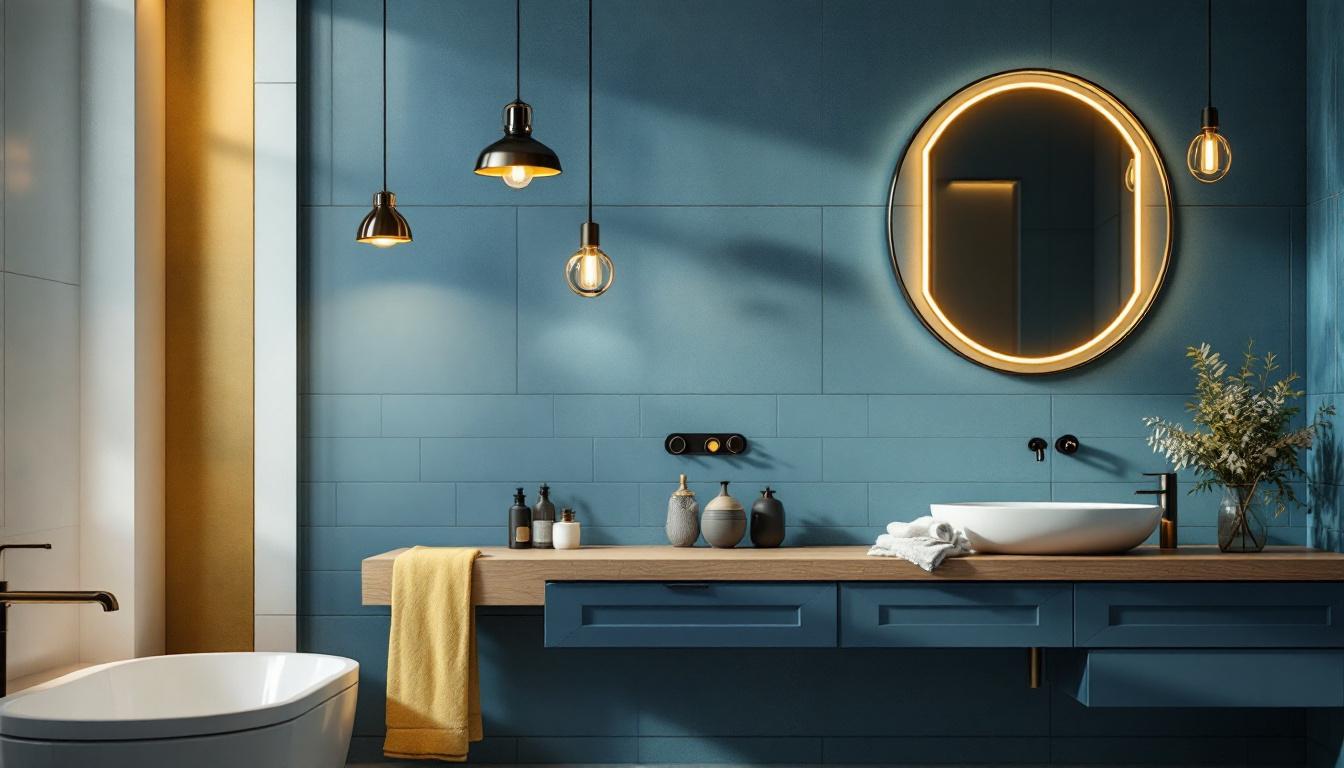
As a lighting contractor, understanding the nuances of bathroom lighting is essential for delivering exceptional results. One of the most popular choices for illuminating these spaces is pendant lighting. This article provides a comprehensive checklist to ensure that every aspect of bathroom pendant lighting is covered, from selection to installation.
Understanding Bathroom Lighting Needs
Bathrooms require specific lighting solutions that cater to both functionality and aesthetics. The right lighting can enhance the overall ambiance while ensuring that the space is practical for daily tasks. Pendant lights, in particular, offer versatility in style and placement, making them an excellent choice for various bathroom designs.
Assessing the Space
Before selecting any fixtures, it is crucial to assess the bathroom’s size, layout, and existing features. Measure the dimensions of the room and take note of any architectural elements, such as windows or built-in shelving, that could affect lighting placement. Understanding these factors will help in choosing the right size and type of pendant lights.
Consider the height of the ceiling as well. A higher ceiling may allow for larger pendants or multiple fixtures, while a lower ceiling might necessitate more compact designs. Additionally, think about the overall style of the bathroom—modern, traditional, or eclectic—and how the pendant lights will complement that theme. Incorporating fixtures that harmonize with the bathroom’s color palette and materials can create a cohesive look that feels intentional and well-designed.
Functionality and Purpose
Different areas of the bathroom may require different types of lighting. For example, task lighting is essential around mirrors for grooming activities, while ambient lighting creates a relaxing atmosphere. Pendant lights can serve both purposes, depending on their placement and design.
When planning the layout, consider using pendants over the vanity area or in the center of the room to provide general illumination. This dual-functionality can enhance the usability of the space while also adding a decorative touch. Furthermore, integrating dimmable pendant lights can offer additional flexibility, allowing you to adjust the brightness according to the time of day or the mood you wish to create. This adaptability is particularly beneficial in a bathroom, where the lighting needs may vary from bright and vibrant during morning routines to soft and soothing for evening relaxation.
In addition to the aesthetic and functional aspects, energy efficiency should also be a consideration in your lighting choices. Opting for LED pendant lights not only reduces energy consumption but also provides a longer lifespan compared to traditional bulbs. This choice not only benefits the environment but also contributes to lower utility bills over time. Moreover, the variety of designs available in LED options means you can find fixtures that fit seamlessly into your bathroom’s decor while still being eco-friendly.
Selecting the Right Pendant Fixtures
With an understanding of the space and its requirements, the next step is to select the appropriate pendant fixtures. The market offers a wide variety of styles, materials, and finishes, making it essential to choose wisely.
Style and Design
The style of the pendant light should align with the overall aesthetic of the bathroom. For a modern look, sleek metal finishes and geometric shapes may be ideal. In contrast, vintage or rustic designs can add warmth and character to a traditional bathroom.
Consider the scale of the fixtures as well. Larger pendants can serve as statement pieces, while smaller ones may be better suited for more subtle lighting. Mixing different styles can also create an eclectic feel, but it is crucial to maintain a cohesive look throughout the space. For instance, if you opt for a bold, oversized pendant over the vanity, you might want to complement it with smaller, understated fixtures in the shower area to balance the visual weight. This careful consideration of placement and scale can enhance the overall harmony of the bathroom design.
Material Considerations
The materials used in pendant fixtures can significantly impact both durability and appearance. Common materials include glass, metal, and ceramic, each offering distinct advantages. Glass pendants can create a sense of openness and lightness, while metal fixtures often provide a more industrial or contemporary vibe.
Additionally, consider the finish of the materials. Polished chrome and brushed nickel are popular choices for modern bathrooms, while oil-rubbed bronze and antique brass can enhance a vintage aesthetic. Ensure that the materials are suitable for a bathroom environment, where humidity and moisture can be concerns. It’s also worth exploring innovative materials like resin or acrylic, which can mimic the look of glass while being more resistant to breakage and moisture. Furthermore, the choice of material can affect not just aesthetics but also the quality of light emitted; for example, frosted glass can diffuse light beautifully, reducing harsh shadows and creating a soft, inviting atmosphere.
Electrical Considerations
Proper electrical planning is critical for the successful installation of pendant lights. Understanding the electrical requirements and ensuring compliance with local codes is essential for safety and functionality.
Wiring and Placement
Before installation, assess the existing wiring and determine if it meets the requirements for the new fixtures. Ensure that the electrical box is rated for the weight of the pendant lights, especially if multiple fixtures are being installed. If necessary, consult with an electrician to make any adjustments or upgrades.
Placement is also crucial. Pendants should be hung at a height that provides adequate illumination without obstructing views or creating glare. A general rule of thumb is to hang pendants 30 to 36 inches above the countertop or vanity. However, this may vary based on the specific design and height of the individuals using the space. Additionally, consider the spacing between multiple pendants; a distance of 24 to 30 inches apart is often recommended to create a balanced look while ensuring that light is evenly distributed across the area. This not only enhances the aesthetic appeal but also improves functionality, especially in work areas like kitchens or home offices.
Switching and Dimming Options
Consider the type of switches and dimmers that will be used with the pendant lights. Dimming capabilities can enhance the versatility of the lighting, allowing for different moods and functions throughout the day. Ensure that the dimmer is compatible with the type of bulbs being used, whether they are incandescent, LED, or CFL.
In addition to standard switches, consider installing multiple switches for controlling different lighting zones within the bathroom. This flexibility can significantly improve the user experience, allowing for tailored lighting based on specific activities. For instance, brighter light may be desired for tasks such as shaving or applying makeup, while softer illumination can create a more relaxing atmosphere for soaking in the tub. Furthermore, smart lighting systems can offer even greater control, allowing users to adjust brightness and color temperature through mobile apps or voice commands, integrating seamlessly into modern home automation setups. These advancements not only elevate the functionality of pendant lighting but also enhance the overall ambiance of the space.
Installation Process
Once the planning and selection phases are complete, the installation process can begin. Proper installation is crucial for both safety and aesthetics, ensuring that the pendant lights function correctly and enhance the bathroom’s design.
Preparation and Safety
Before starting the installation, ensure that all necessary tools and materials are on hand. This includes the pendant fixtures, mounting hardware, electrical tape, and any additional tools required for the job. Safety should always be the top priority; turn off the power at the circuit breaker before beginning any electrical work.
It may also be beneficial to have a second person available to assist with holding fixtures in place during installation. This can help ensure accurate placement and secure mounting, reducing the risk of accidents or mistakes.
Step-by-Step Installation
Begin by removing any existing fixtures and preparing the electrical box for the new pendants. Follow the manufacturer’s instructions for mounting the fixtures, ensuring that all connections are secure and properly insulated. Once the pendants are in place, restore power and test the lights to ensure they function as intended.
After installation, take a moment to evaluate the overall lighting effect. Adjustments may be necessary to achieve the desired ambiance, including repositioning fixtures or changing bulb types. This final touch can make a significant difference in the overall appearance of the bathroom.
Maintenance and Care
Once the pendant lights are installed, regular maintenance is essential to keep them looking their best and functioning properly. This includes cleaning and checking for any signs of wear or damage.
Cleaning Techniques
Cleaning pendant lights can vary based on the materials used. For glass fixtures, a gentle glass cleaner and a soft cloth can help maintain clarity and shine. Metal fixtures may require specific cleaners to avoid tarnishing or scratching. Always refer to the manufacturer’s care instructions for the best results.
Regular cleaning not only enhances the appearance of the fixtures but also improves their efficiency by ensuring that light is not obstructed by dust or grime. Establishing a cleaning schedule can help maintain the beauty and functionality of the lighting over time.
Inspecting for Issues
Periodically inspect the pendant lights for any signs of electrical issues, such as flickering bulbs or unusual sounds. If any problems are detected, it is crucial to address them promptly to avoid potential hazards. Consulting with a licensed electrician is advisable for any electrical concerns that arise.
Conclusion
Choosing and installing pendant lighting in a bathroom is a rewarding endeavor that can significantly enhance the space’s functionality and aesthetic appeal. By following this comprehensive checklist, lighting contractors can ensure that every detail is considered, from the initial assessment to the final installation and maintenance.
With the right planning and execution, pendant lights can transform a bathroom into a beautifully lit sanctuary, providing both practicality and style. Whether catering to a modern, minimalist design or a more traditional aesthetic, the right pendant fixtures can elevate any bathroom project.
Illuminate Your Projects with LumenWholesale
Ready to elevate your bathroom lighting projects with the perfect pendant fixtures? At LumenWholesale, we offer an extensive selection of premium, spec-grade lighting products that blend quality with affordability. Say goodbye to inflated markups and hello to unbeatable wholesale prices, complete with the convenience of free shipping on bulk orders. Don’t compromise on performance or price. Visit LumenWholesale today and discover how we can light up your next project with the best value in wholesale lighting.