Understanding the Importance of Sports Lighting
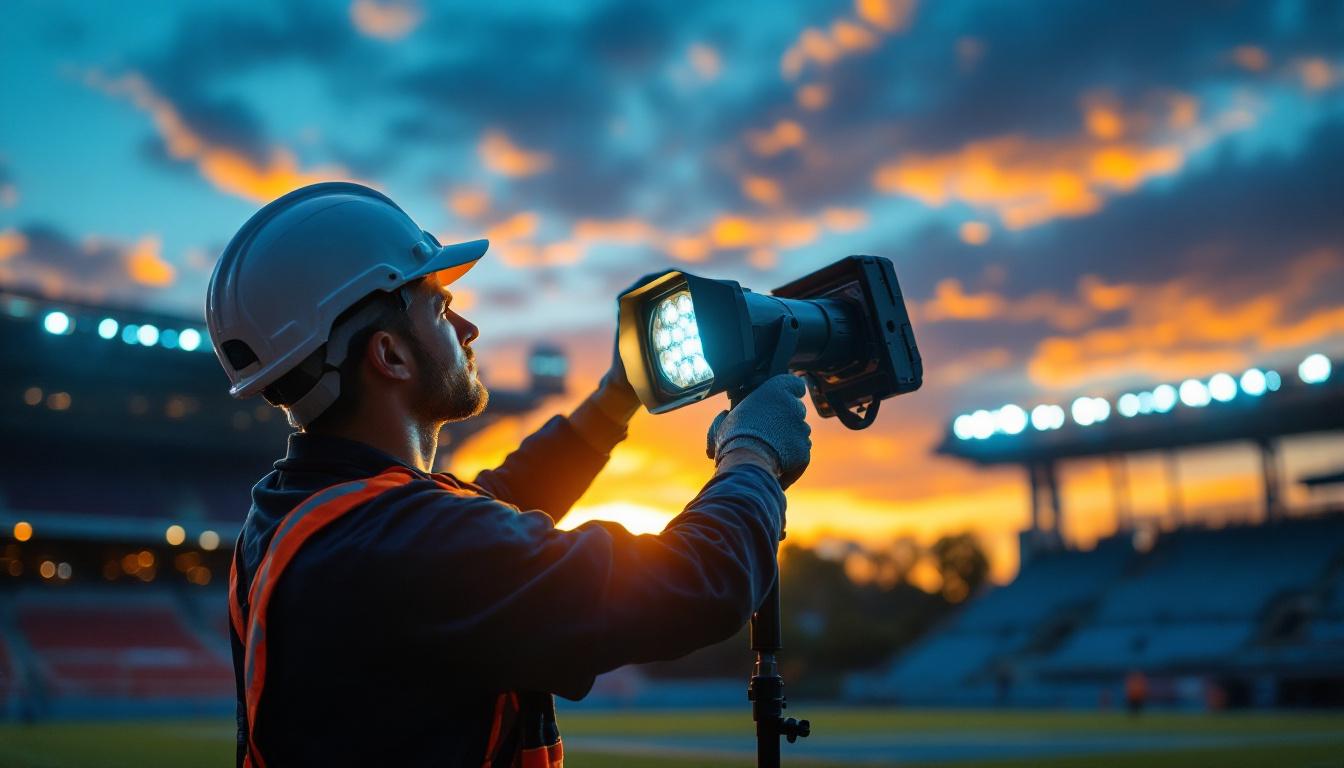
Lighting contractors play a critical role in designing and installing sports lighting systems that enhance visibility, safety, and the overall experience for athletes and spectators alike. Sports lighting is not merely about illuminating a field; it involves precise engineering to meet stringent standards for brightness, uniformity, and color rendering. Properly executed sports lighting ensures that games can proceed under optimal conditions, regardless of time or weather. The right lighting can transform a simple game into a spectacular event, allowing for night games that draw larger crowds and create a vibrant atmosphere.
For lighting contractors, understanding the unique challenges and requirements of sports venues is essential. Whether working on a high school football field, a professional stadium, or an indoor sports arena, the lighting system must be tailored to the specific needs of the sport, the size of the space, and the expectations of players and fans. This demands a thorough knowledge of lighting technology, mounting techniques, and regulatory standards. Additionally, contractors must consider factors such as glare control and light pollution, ensuring that the lighting not only serves its purpose but also respects the surrounding environment and community.
Why Quality Sports Lighting Matters
High-quality sports lighting impacts performance and safety. Players rely on consistent illumination to track fast-moving balls and opponents, while uneven or insufficient lighting can lead to accidents or errors. For broadcasters and spectators, good lighting enhances visibility and image quality, making the event more enjoyable and commercially viable. Furthermore, energy-efficient lighting solutions can reduce operational costs and environmental impact, a growing concern for many venues. The integration of LED technology has revolutionized sports lighting, providing brighter, more focused light with lower energy consumption and longer lifespans than traditional lighting options.
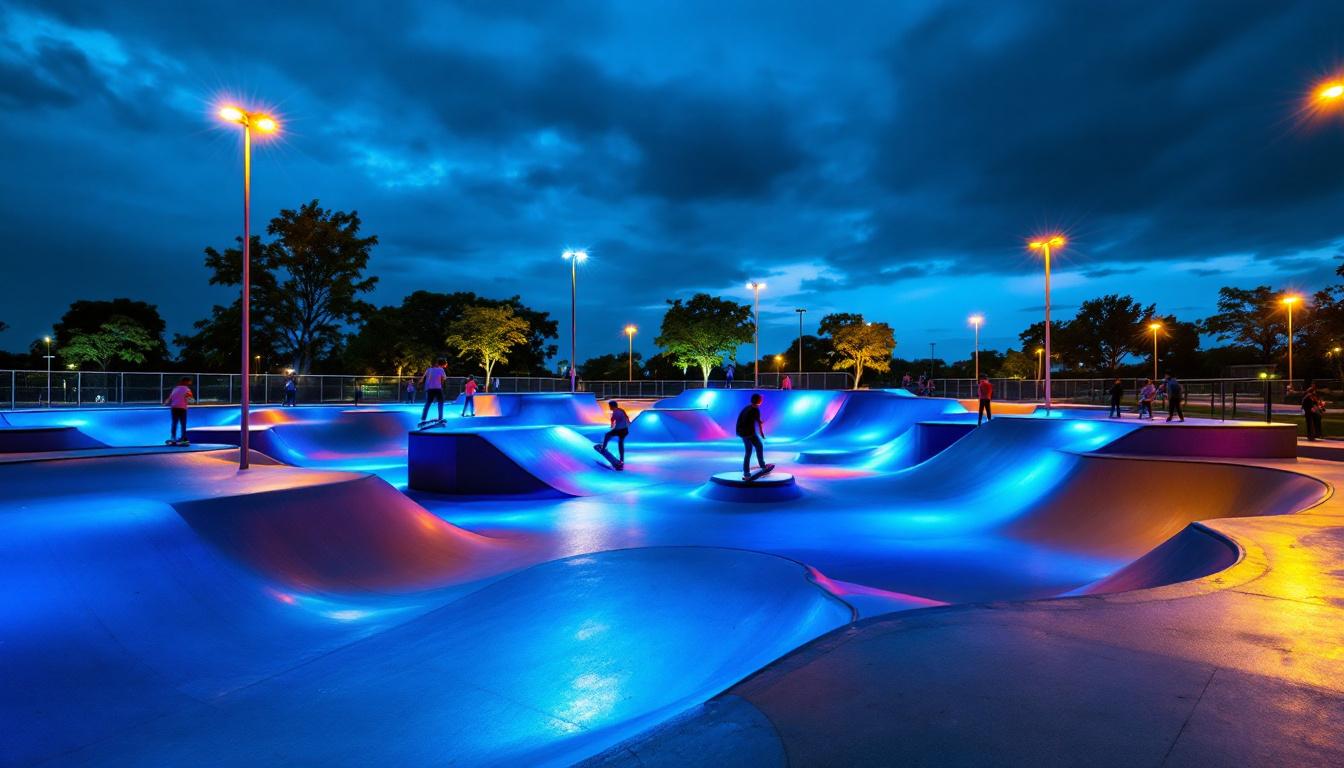
Moreover, the design of sports lighting systems can also influence the aesthetic appeal of a venue. Innovative lighting designs can highlight architectural features and create dynamic visual effects that enhance the overall ambiance during events. This is particularly important for venues that host multiple types of events, from concerts to community gatherings, as versatile lighting can adapt to various needs. Additionally, advancements in smart lighting technology allow for programmable systems that can change intensity and color, further enriching the spectator experience and providing opportunities for creative presentations during halftime shows or special events.
Key Components of Sports Lighting Systems
Lighting contractors must be familiar with the core components that make up a successful sports lighting system. These include the types of luminaires, mounting structures, control systems, and power sources. Each element contributes to the overall performance and longevity of the installation.
Luminaire Selection: LEDs vs. Traditional Lighting
In recent years, LED technology has revolutionized sports lighting. LEDs offer superior energy efficiency, longer lifespan, and better control over light distribution compared to traditional metal halide or high-pressure sodium lamps. For contractors, selecting the right LED fixtures involves considering factors such as lumen output, beam angle, color temperature, and IP rating for weather resistance.
Despite the higher initial cost, LED sports lights typically provide a faster return on investment due to reduced maintenance and energy consumption. Additionally, LEDs can be dimmed and controlled dynamically, allowing for versatile lighting scenarios that enhance the spectator experience and comply with broadcasting requirements. The ability to adjust the lighting based on the event type—be it a high-intensity game or a more relaxed practice session—ensures that athletes perform at their best while spectators enjoy optimal visibility.
Mounting and Pole Systems
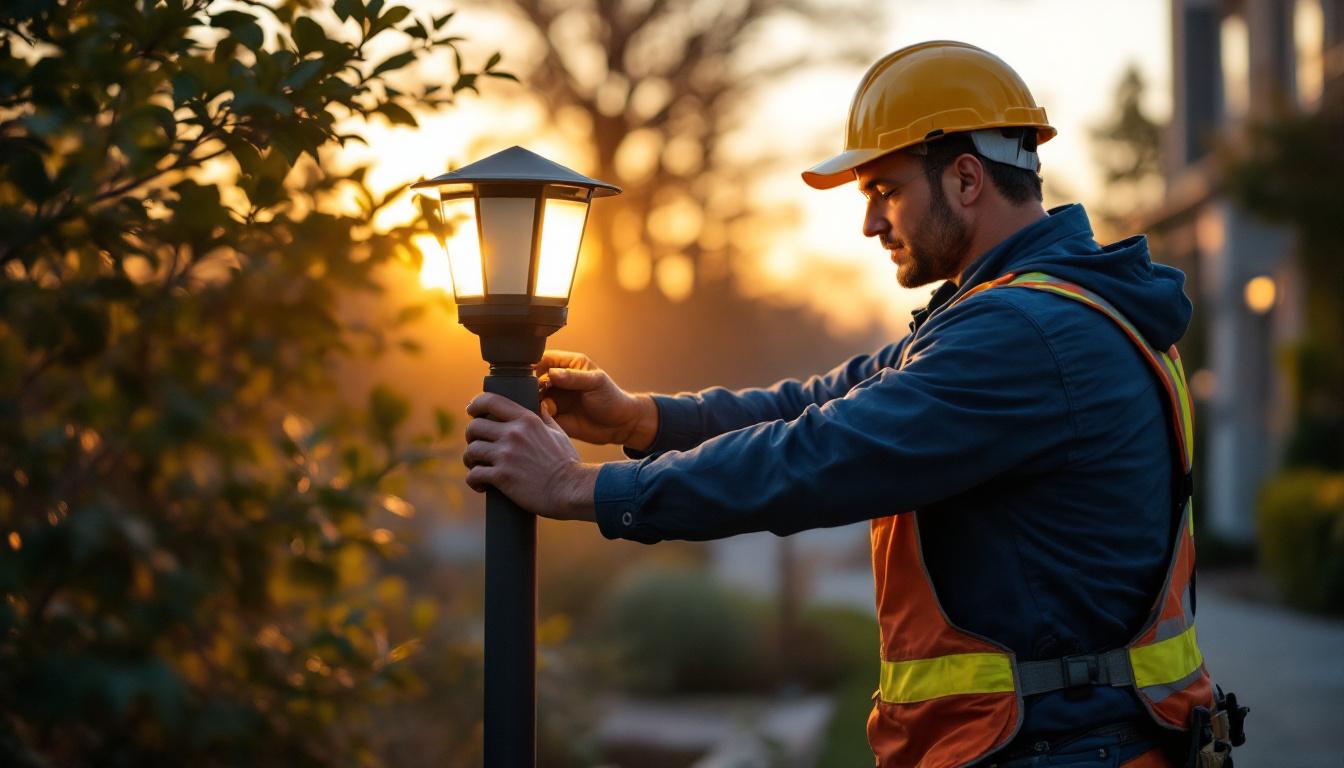
The physical installation of sports lights requires careful planning and expertise. Poles and mounting structures must be engineered to withstand environmental stresses such as wind, rain, and seismic activity. Lighting contractors should work closely with structural engineers to ensure compliance with local building codes and safety standards.
Adjustable mounting brackets and tilt mechanisms are valuable features that allow for precise aiming of luminaires, optimizing light distribution and minimizing glare. Proper pole height and spacing are also crucial to achieving uniform illumination across the playing surface. Furthermore, the choice of materials for poles—such as galvanized steel or aluminum—can significantly impact durability and maintenance needs. A well-designed mounting system not only enhances the performance of the lighting but also contributes to the overall aesthetic of the sports facility, ensuring that it blends seamlessly into the surrounding environment.
Control Systems and Automation
Modern sports lighting systems often incorporate sophisticated control technologies. Lighting contractors should be adept at installing and programming systems that enable remote operation, scheduling, and integration with other venue technologies such as scoreboards and audio-visual equipment.
Advanced controls can include features like motion sensors, daylight harvesting, and programmable scenes that adjust lighting intensity based on the event type or time of day. These capabilities not only improve energy efficiency but also enhance operational flexibility. For instance, during a championship game, the system can be programmed to ramp up lighting intensity gradually as the event approaches, creating an exciting atmosphere for both players and fans. Additionally, the integration of smart technology allows for real-time monitoring and diagnostics, enabling quick responses to any issues that may arise, thus minimizing downtime and ensuring a seamless experience for all involved.
Standards and Regulations in Sports Lighting
Adherence to industry standards and regulations is a fundamental responsibility for lighting contractors working on sports venues. These guidelines ensure that lighting installations meet safety, performance, and environmental criteria.
Illuminance and Uniformity Requirements
Different sports have specific lighting requirements, often defined by governing bodies such as the Illuminating Engineering Society (IES) or the International Commission on Illumination (CIE). For example, a professional soccer field demands higher average illuminance and stricter uniformity ratios than a community baseball diamond.
Lighting contractors must design systems that meet or exceed these standards, which typically specify minimum lux levels, uniformity ratios (minimum to average illuminance), and glare control metrics. Failure to comply can result in poor playing conditions, safety hazards, and regulatory penalties.
Environmental and Light Pollution Considerations
Sports lighting can contribute to light pollution if not properly managed. Contractors should implement solutions that minimize light spill and skyglow, protecting nearby residential areas and natural habitats. Shielded fixtures, precise aiming, and the use of timers or dimmers are effective strategies.
In some jurisdictions, lighting curfews and environmental impact assessments are mandatory, requiring contractors to stay informed about local regulations and community concerns.
Best Practices for Lighting Contractors in Sports Projects
Successful sports lighting installations depend on meticulous planning, collaboration, and attention to detail. Lighting contractors can adopt several best practices to ensure high-quality outcomes.
Comprehensive Site Assessment
Before installation, a thorough site assessment is essential. This includes evaluating the field dimensions, surrounding environment, existing infrastructure, and potential obstructions. Contractors should use photometric modeling software to simulate lighting layouts and predict performance.
Understanding the client’s needs, budget constraints, and future expansion plans also informs the design process, helping to avoid costly modifications later.
Coordination with Other Trades
Sports lighting projects often involve multiple trades, including electrical, structural, and civil engineers. Lighting contractors must coordinate closely to align schedules, ensure compatibility of components, and maintain safety standards during installation.
Effective communication and project management reduce delays and help deliver the project on time and within budget.
Quality Control and Maintenance Planning
Post-installation testing is critical to verify that lighting systems meet the specified performance criteria. Contractors should conduct thorough inspections, photometric measurements, and functional tests of control systems.
Additionally, providing clients with maintenance plans and training ensures the longevity and reliability of the sports lighting installation. Routine cleaning, lamp replacements, and system diagnostics prevent degradation and costly downtime.
Emerging Trends and Technologies in Sports Lighting
The sports lighting industry continues to evolve, driven by technological advancements and changing user expectations. Lighting contractors who stay abreast of these trends can offer innovative solutions that deliver superior performance and value.
Smart Lighting and IoT Integration
Internet of Things (IoT) technology is enabling smart sports lighting systems that can be monitored and controlled remotely via cloud platforms. These systems provide real-time data on energy usage, fixture health, and environmental conditions, facilitating predictive maintenance and operational efficiency.
Lighting contractors equipped to implement IoT-enabled solutions can offer clients enhanced control, reduced costs, and improved sustainability.
Human-Centric and Adaptive Lighting
Emerging research highlights the benefits of human-centric lighting, which adjusts color temperature and intensity to support circadian rhythms and visual comfort. In sports venues, adaptive lighting can enhance athlete performance and spectator experience by creating dynamic atmospheres tailored to different events.
Contractors familiar with these concepts can differentiate their services by integrating tunable white LEDs and advanced control algorithms.
Renewable Energy and Sustainability
With increasing emphasis on environmental responsibility, sports lighting contractors are incorporating renewable energy sources such as solar panels and energy storage systems into their designs. Combining efficient LED fixtures with sustainable power solutions reduces carbon footprint and operational costs.
Clients often seek contractors who can deliver green lighting solutions that align with corporate social responsibility goals and regulatory incentives.
Conclusion
For lighting contractors, sports lighting represents a specialized and rewarding field that demands technical expertise, creativity, and a commitment to quality. By understanding the unique requirements of sports venues, selecting appropriate technologies, adhering to standards, and embracing emerging trends, contractors can deliver lighting solutions that enhance performance, safety, and enjoyment for all stakeholders.
Investing in continuous education and leveraging advanced tools and software will position lighting contractors as trusted partners in the sports industry, capable of meeting the evolving challenges of modern sports lighting projects.
Illuminate Your Sports Projects with LumenWholesale
Ready to elevate your sports lighting installations with the best in the industry? Look no further than LumenWholesale, where we provide contractors with the highest quality, spec-grade lighting products at unbeatable wholesale prices. Our extensive selection is designed to meet the most rigorous industry standards, ensuring your projects shine with reliability and high performance. Plus, with free shipping on bulk orders, you can secure premium lighting solutions at the best value — all without hidden fees or compromises. Don’t miss out on the perfect combination of quality, affordability, and convenience. Wholesale Lighting at the Best Value is just a click away.