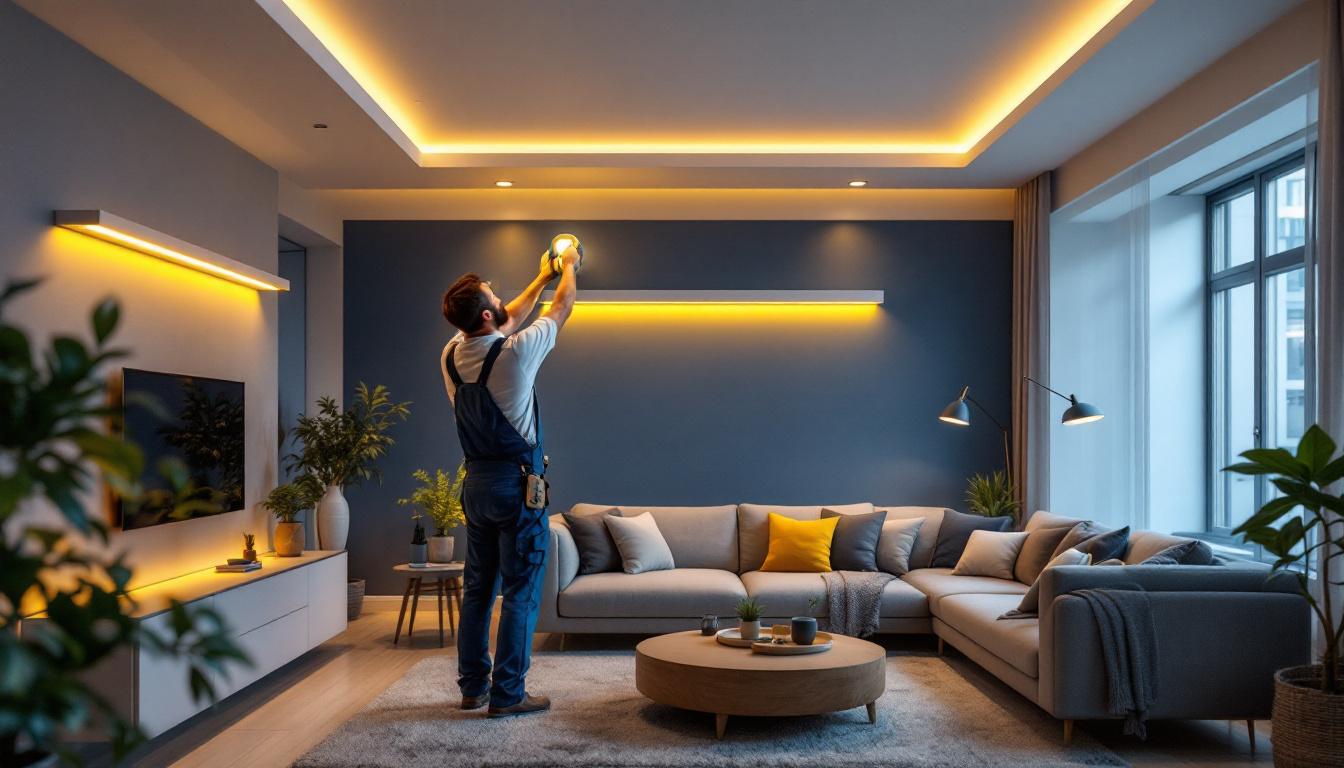
Understanding the Unique Demands of Residential LED Lighting
LED lighting has transformed the way homes are illuminated, offering energy efficiency, longevity, and design flexibility. However, for lighting contractors, the shift from traditional lighting to LED technology brings a unique set of challenges. Residential projects often require a delicate balance between aesthetics, functionality, and cost-effectiveness, which can complicate the installation and specification process.
Unlike commercial or industrial settings, homes demand lighting solutions that complement personal style and architectural nuances. This means contractors must be adept at interpreting client preferences while navigating technical constraints such as dimming compatibility, color temperature, and fixture placement. The diversity of LED products on the market can be overwhelming, making it essential to stay informed about the latest innovations and standards.
Addressing Client Expectations and Education
One of the most significant hurdles lighting contractors face is managing homeowner expectations. Many clients are attracted to LED lighting for its promise of lower energy bills and longer lifespan but may not understand the nuances involved in achieving the desired lighting effect. Contractors need to educate clients about factors like lumens versus watts, the impact of color rendering index (CRI) on ambiance, and the importance of proper fixture selection.
Clear communication can prevent dissatisfaction and reduce costly revisions. For example, a client expecting warm, cozy lighting might be disappointed if the installed LEDs emit a cooler, harsher light. Demonstrating samples or using lighting visualization tools during the planning phase can bridge this gap effectively. Furthermore, educating clients about the potential for smart lighting integration can enhance their experience, as many homeowners are now interested in controlling their lighting through apps or voice commands. This added layer of technology not only increases convenience but also allows for personalized lighting scenarios that can adapt to various activities throughout the day, from bright, focused light for work to softer, ambient lighting for relaxation.
Additionally, contractors should highlight the environmental benefits of LED lighting, as many homeowners are becoming more eco-conscious. By explaining how LED lights consume significantly less energy compared to traditional incandescent bulbs and have a longer operational life, contractors can appeal to clients’ desires for sustainable living. This aspect can be particularly persuasive in residential projects where homeowners are keen on reducing their carbon footprint and contributing to a greener future. By combining technical knowledge with an understanding of client values, contractors can create a more compelling case for the adoption of LED technology in residential settings.
Technical Challenges and Solutions in LED Installation
Installing LED lighting in homes is not always straightforward. Unlike incandescent or fluorescent bulbs, LEDs require compatible drivers and sometimes specialized wiring. Contractors must be vigilant about voltage requirements, heat dissipation, and fixture compatibility to ensure reliability and safety.
Compatibility with Existing Electrical Systems
Many residential properties have older electrical systems that may not be optimized for LED technology. Issues such as incompatible dimmer switches can cause flickering, buzzing, or reduced lifespan of LED fixtures. Lighting contractors should assess the existing infrastructure thoroughly before installation and recommend upgrades when necessary.
Using LED-specific dimmers and ensuring proper grounding can mitigate many common problems. Additionally, selecting fixtures with built-in drivers designed for residential use simplifies installation and reduces troubleshooting time. It’s also worth noting that some homeowners may not be aware of the benefits of retrofitting their existing systems. By upgrading to modern electrical components, they can not only enhance the performance of their LED lighting but also improve overall energy efficiency, leading to significant cost savings on utility bills over time.
Heat Management and Longevity
Though LEDs generate less heat than traditional bulbs, they still produce some heat that must be managed to maintain performance and lifespan. Poor heat dissipation can lead to early failure and color shifting. Contractors should prioritize fixtures with adequate thermal management features, such as heat sinks or ventilation.
Advising clients on the importance of not enclosing certain LED fixtures without proper airflow can prevent premature degradation. This is especially relevant for recessed lighting or fixtures installed in tight spaces. Moreover, educating homeowners about the impact of ambient temperature on LED performance can further enhance longevity. For instance, LEDs installed in environments with high ambient temperatures may require additional cooling solutions or strategic placement to ensure optimal performance. By addressing these factors, contractors can help clients maximize their investment in LED technology and enjoy the full range of benefits that come with it.
Design and Aesthetic Considerations
Lighting contractors must blend technical expertise with design sensibility to create spaces that are both functional and visually appealing. LED technology offers unprecedented control over color temperature, brightness, and beam angles, enabling tailored lighting schemes that enhance architectural features and mood. The integration of smart lighting systems further enhances this capability, allowing for programmable settings that can adapt to various activities and times of day, thus providing an even more personalized experience.
Balancing Color Temperature and Ambiance
Choosing the right color temperature is crucial in residential settings. Warm white (2700K to 3000K) is generally preferred for living rooms and bedrooms to create a cozy atmosphere, while cooler temperatures (3500K to 4100K) work well in kitchens and workspaces for clarity and focus. The psychological impact of color temperature cannot be overstated; studies have shown that warmer tones can promote relaxation and social interaction, while cooler tones can enhance productivity and alertness.
Lighting contractors should guide clients through these choices, sometimes suggesting adjustable or tunable white LEDs to offer flexibility throughout the day. This adaptability can improve comfort and even impact circadian rhythms positively. For instance, a gradual shift from warm to cool lighting in the morning can help ease individuals into their day, while a transition back to warmer tones in the evening can signal the body to wind down, promoting better sleep hygiene.
Layered Lighting Strategies
Effective home lighting often involves layering ambient, task, and accent lighting. LEDs excel in all three categories but require thoughtful planning to avoid over-illumination or harsh contrasts. Contractors should collaborate with interior designers or architects when possible to ensure lighting complements furniture, finishes, and natural light. This collaboration can lead to innovative solutions, such as integrating lighting controls into smart home systems, allowing for seamless transitions between different lighting modes based on the time of day or specific activities.
For example, under-cabinet LED strips in kitchens provide focused task lighting, while recessed ceiling fixtures offer ambient illumination. Accent LEDs can highlight artwork or architectural details, adding depth and interest to rooms. Additionally, the use of dimmers can enhance the versatility of lighting schemes, allowing homeowners to adjust brightness levels according to their mood or the occasion. This not only contributes to the aesthetic appeal of a space but also promotes energy efficiency, as lower light levels can significantly reduce energy consumption without sacrificing quality or comfort.
Overcoming Supply Chain and Product Quality Issues
The rapid growth of LED technology has led to a flooded market with varying product quality. Lighting contractors often face challenges sourcing reliable fixtures and components that meet both performance and budget requirements. As the demand for energy-efficient solutions continues to rise, the complexity of navigating this crowded market increases, making it crucial for contractors to stay informed about the latest advancements and potential pitfalls in LED technology.
Choosing Trusted Manufacturers and Products
Contractors should prioritize products from reputable manufacturers with proven track records. Certifications such as ENERGY STAR, DLC (DesignLights Consortium), and UL listing indicate compliance with safety and efficiency standards. These credentials reduce the risk of premature failures and warranty disputes. Moreover, it is beneficial for contractors to engage in continuous education regarding new technologies and innovations in the lighting industry, as this knowledge can significantly enhance their ability to make informed decisions when selecting products.
Building relationships with trusted suppliers can also provide access to technical support and training, which is invaluable when troubleshooting or customizing installations. Additionally, suppliers often have insights into emerging trends and can recommend products that not only meet current standards but also anticipate future needs. This proactive approach can help contractors stay ahead of the competition and offer clients cutting-edge solutions that enhance energy efficiency and aesthetic appeal.
Managing Lead Times and Inventory
Supply chain disruptions can delay projects and frustrate clients. Contractors can mitigate this by maintaining a strategic inventory of commonly used fixtures and components. Forecasting demand based on upcoming projects helps avoid last-minute shortages. Utilizing inventory management software can streamline this process, allowing contractors to track stock levels and predict future needs more accurately. This technology can also help identify slow-moving items that may need to be discounted or bundled with other products to clear out inventory.
When working with custom or specialty products, clear communication with suppliers about lead times is essential. Offering clients realistic timelines upfront fosters trust and reduces pressure on the installation team. Furthermore, establishing a contingency plan for unexpected delays can be beneficial. This might include identifying alternative suppliers or having backup products ready for quick deployment, ensuring that projects remain on schedule even in the face of unforeseen challenges. By taking these proactive steps, contractors can enhance their reputation for reliability and responsiveness, which is crucial in a competitive market.
Training and Staying Updated
LED technology continues to evolve rapidly. Lighting contractors must invest in ongoing education to stay competitive and deliver the best solutions to homeowners.
Technical Training and Certification
Participating in manufacturer-led training sessions and industry workshops sharpens technical skills and introduces new products and installation techniques. Certifications related to LED lighting and energy-efficient design enhance credibility and open doors to higher-profile projects.
Leveraging Digital Tools
Modern software tools for lighting design and simulation can improve accuracy and client communication. Contractors who adopt these technologies can visualize lighting effects before installation, reducing errors and enhancing client satisfaction.
Conclusion: Navigating the Future of Residential LED Lighting
Lighting contractors play a pivotal role in transforming homes with LED technology. Overcoming challenges related to client education, technical installation, design integration, product quality, and ongoing training is essential for success. By embracing a proactive, informed approach, contractors can deliver lighting solutions that enhance comfort, efficiency, and style for homeowners.
The journey may be complex, but the rewards-in terms of client satisfaction and professional growth-are well worth the effort.
Illuminate Your Projects with LumenWholesale
Ready to elevate your lighting installations with the best in LED technology? At LumenWholesale, we support your commitment to excellence by providing premium, spec-grade lighting products at unbeatable wholesale prices. Say goodbye to middleman markups and hello to a vast selection of industry-standard lighting solutions that promise reliability and high performance. With the added benefits of free shipping and bulk purchase convenience, LumenWholesale is your go-to source for cost-effective, quality lighting. Don’t compromise on your lighting projects—choose the perfect fusion of quality, affordability, and convenience. Wholesale Lighting at the Best Value is just a click away.