Why Dock Lighting Matters for Contractors
Lighting a dock isn’t just about visibility; it’s about safety, functionality, and enhancing the overall user experience. For lighting contractors, docks present a unique set of challenges and opportunities. Unlike typical residential or commercial lighting projects, dock lighting must withstand harsh environmental conditions—water exposure, fluctuating temperatures, and corrosive salt air in coastal areas. These factors necessitate the use of specialized materials and fixtures that are not only waterproof but also resistant to rust and corrosion, ensuring longevity and reliability in the installation.
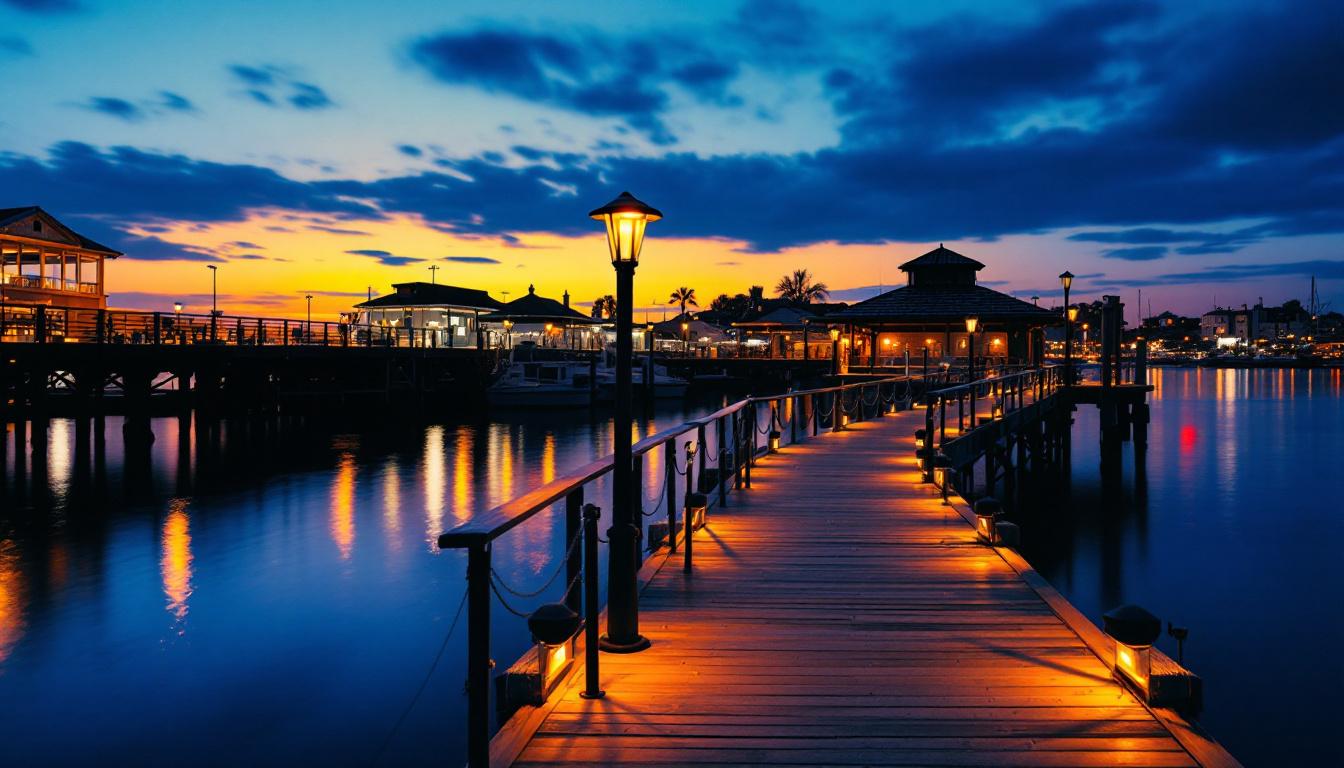
Proper dock lighting ensures safe navigation for boaters, prevents accidents, and highlights key features like walkways, ramps, and mooring points. It also adds aesthetic value, which can be a major selling point for clients who want their waterfront properties to look inviting and well-maintained after dark. The right lighting can transform a dock into a welcoming space for evening gatherings, fishing excursions, or simply enjoying the serene beauty of the water under the stars. Moreover, well-lit docks can deter vandalism and theft, providing an added layer of security for both property owners and their guests.
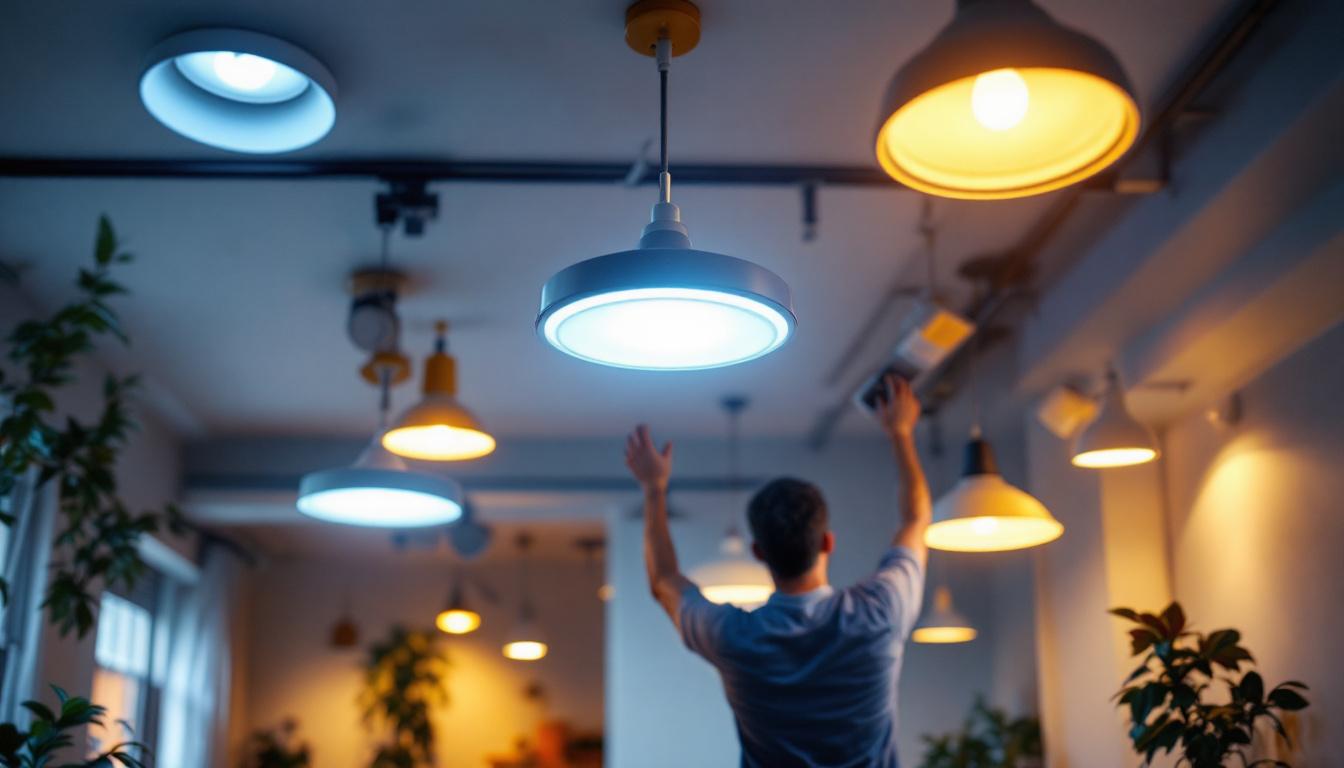
Understanding these factors helps contractors design and install lighting systems that are both durable and effective, reducing callbacks and increasing client satisfaction. Additionally, incorporating smart lighting technology can enhance the functionality of dock lighting. Features such as motion sensors, timers, and remote controls allow for energy-efficient operation and customizable lighting scenarios, catering to the specific needs of the dock’s users. This not only contributes to a more sustainable approach but also aligns with the growing trend towards smart home integration, making docks more appealing to tech-savvy clients.
Furthermore, contractors should consider the environmental impact of their lighting choices. Utilizing LED fixtures not only provides energy efficiency but also minimizes light pollution, which is crucial in preserving the natural beauty of waterfront areas and protecting local wildlife. By selecting fixtures that direct light downward and reduce glare, contractors can create a safe and pleasant atmosphere while being mindful of the surrounding ecosystem. This holistic approach to dock lighting not only meets the immediate needs of safety and functionality but also promotes a responsible and sustainable future for waterfront development.
Choosing the Right Lighting Fixtures for Docks
Durability and Weather Resistance
Lighting fixtures for docks must be built to last. Look for products with high IP ratings—IP67 or higher is often recommended—to ensure resistance against water ingress and dust. Marine-grade materials like stainless steel, anodized aluminum, and UV-stabilized plastics resist corrosion and fading. These materials are specifically designed to withstand the harsh marine environment, where saltwater and humidity can quickly degrade inferior products. Investing in high-quality fixtures not only ensures longevity but also reduces the frequency and cost of replacements.
LED technology dominates dock lighting because of its energy efficiency, long lifespan, and low maintenance needs. LEDs also offer better control over color temperature and brightness, allowing contractors to tailor lighting to specific client preferences and functional requirements. Furthermore, the versatility of LED fixtures means they can be designed in various styles, from sleek modern looks to more traditional designs, ensuring they complement the overall aesthetic of the dock and surrounding area.
Power Sources and Wiring Considerations
Powering dock lights can be tricky. Many docks are remote from main electrical sources, so contractors must plan for wiring that is both safe and code-compliant. Low-voltage lighting systems (12V or 24V) are popular because they reduce the risk of electrical shock and make installation easier. Additionally, these systems can be integrated with smart technology, allowing for remote control and monitoring, which can enhance user experience and safety.
Solar-powered dock lights are gaining traction as a sustainable alternative, especially for docks in sunny locations with limited access to electricity. However, contractors should evaluate solar options carefully, considering battery capacity, panel placement, and local weather patterns. The efficiency of solar lights can vary significantly based on geographic location and seasonal changes, so it’s crucial to select models that are designed for optimal performance in specific climates. Moreover, advancements in solar technology have led to more powerful and efficient panels, making them a viable option even in less sunny areas.
Fixture Placement and Lighting Design
Effective dock lighting isn’t just about the fixtures; it’s about where and how they’re placed. Lighting contractors should work with clients to identify critical areas: edges of the dock, stairs, cleats, and any obstacles. Proper placement minimizes shadows and glare, enhancing safety without overwhelming the space. Additionally, considering the angle of the lights can help to reduce light pollution and ensure that the illumination is directed where it is most needed, creating a more pleasant atmosphere for both users and nearby wildlife.
Using a combination of uplights, downlights, and path lights can create layered illumination that guides users intuitively. Automated controls like timers and motion sensors add convenience and energy savings. For instance, motion sensors can activate lights only when someone is approaching, conserving energy while still providing safety. Moreover, incorporating smart lighting solutions can allow for customizable settings, enabling users to adjust brightness levels or color temperatures according to their preferences or specific activities, such as fishing at night or hosting a gathering on the dock.
Streamlining Installation: Tips and Best Practices
Pre-Installation Planning
Thorough planning is key to a smooth installation. Contractors should conduct site surveys to assess the dock’s structure, power availability, and environmental conditions. Detailed measurements and sketches help avoid surprises during installation.
Confirming client expectations upfront regarding brightness levels, color temperature, and control options prevents costly changes later. It’s also wise to check local regulations or homeowner association rules that might affect lighting choices. Engaging in open discussions with clients about their vision can lead to innovative solutions that enhance both functionality and aesthetics. For instance, exploring the integration of smart lighting systems can provide clients with customizable options that adapt to their needs, such as automated dimming or color changes based on time of day or activity.
Using Modular and Pre-Assembled Systems
Modular dock lighting kits can significantly reduce installation time. These systems come with pre-wired fixtures and connectors designed for quick assembly. Contractors benefit from fewer on-site wiring tasks and simplified troubleshooting.
Pre-assembled components also improve consistency and reduce the risk of wiring errors, which is crucial in wet environments where safety is paramount. Additionally, modular systems often allow for future scalability; as clients’ needs evolve, they can easily add or upgrade components without a complete overhaul. This adaptability not only enhances the value of the installation but also fosters long-term relationships with clients who appreciate the flexibility of their investment.
Protecting Wiring and Connections
Waterproof connectors and conduits are essential. Use marine-grade cables and seal all junction boxes carefully. Running wiring under dock boards or within protective channels prevents damage from foot traffic and weather.
Labeling wires and documenting the installation layout aids future maintenance and upgrades, saving time and frustration for both contractors and clients. Furthermore, implementing a routine inspection schedule post-installation can help identify potential issues before they escalate, ensuring that the lighting system remains functional and safe throughout its lifespan. Contractors should also consider providing clients with a maintenance guide that includes troubleshooting tips and best practices for keeping their dock lighting in optimal condition, thus empowering clients to take an active role in the upkeep of their investment.
Maintenance and Troubleshooting for Long-Term Success
Routine Inspections
Even the best lighting systems require regular checks. Contractors should advise clients to inspect fixtures for corrosion, cracked lenses, or loose mounts. Cleaning lenses periodically ensures maximum light output.
Battery health is critical for solar-powered systems. Monitoring charge levels and replacing batteries when necessary keeps lights reliable.
Common Issues and Solutions
Lighting contractors often encounter flickering lights, dimming, or complete outages on docks. These issues usually stem from loose connections, water intrusion, or power supply problems.
Using a multimeter to test voltage and continuity can quickly pinpoint faults. Replacing damaged wiring or upgrading to higher-quality connectors often resolves persistent problems.
Upgrading and Expanding Dock Lighting
Clients may want to add features like color-changing LEDs or smart controls over time. Designing initial installations with expansion in mind saves effort later. Incorporating extra conduits or junction boxes during the first install makes upgrades more straightforward.
Smart lighting systems that integrate with home automation platforms offer enhanced control and energy efficiency, appealing to tech-savvy clients.
Safety and Compliance Considerations
Electrical Codes and Standards
Dock lighting installations must comply with local electrical codes and standards. Contractors should stay current with regulations related to marine and waterfront electrical work, including grounding, GFCI protection, and cable specifications.
Failing to meet these requirements can lead to safety hazards and legal liabilities.
Environmental Impact
Lighting contractors should consider the environmental impact of dock lighting. Using energy-efficient LEDs and solar power reduces carbon footprints. Additionally, minimizing light pollution by selecting fixtures with proper shielding helps protect local wildlife, especially in sensitive aquatic ecosystems.
Client Education
Educating clients on the importance of proper lighting maintenance and energy use promotes responsible ownership. Providing clear instructions and maintenance schedules helps ensure the longevity and safety of the lighting system.
Conclusion: Making Dock Lighting Easy and Effective
Dock lighting combines technical know-how with practical considerations unique to waterfront environments. Lighting contractors who understand the nuances-from selecting the right fixtures to planning installations and ongoing maintenance-can deliver solutions that are safe, durable, and visually appealing.
Embracing modular systems, adhering to safety standards, and focusing on client needs simplifies the process and builds trust. With thoughtful design and execution, dock lighting becomes more than just illumination-it becomes a key element in enhancing waterfront living and recreation.
Illuminate Your Projects with LumenWholesale
Ready to elevate your dock lighting projects with the best in spec-grade lighting solutions? At LumenWholesale, we provide lighting contractors with the highest quality products at unbeatable wholesale prices. Say goodbye to inflated markups and hello to a vast selection of reliable, high-performance lighting that meets the most rigorous industry standards. Plus, with free shipping on bulk orders, you can stock up on premium lighting without any hidden fees or compromises. Enhance your waterfront installations today and experience the perfect blend of quality, affordability, and convenience. Visit LumenWholesale for Wholesale Lighting at the Best Value.