Why 12 Volt LED Outdoor String Lights Are a Game-Changer for Contractors
Outdoor lighting projects demand reliability, efficiency, and safety. For lighting contractors, 12 volt LED outdoor string lights offer an ideal balance of these qualities. Unlike traditional 120 volt systems, the lower voltage reduces electrical hazards, making installations safer for both contractors and end users.
Additionally, LED technology consumes significantly less power than incandescent bulbs, translating to lower operating costs and longer-lasting installations. This energy efficiency aligns perfectly with growing client demands for sustainable solutions without sacrificing brightness or ambiance.
From patios and pergolas to commercial landscapes and event spaces, 12 volt LED string lights provide versatile illumination options. Their low voltage also allows for easier integration with solar power systems and battery backups, expanding design possibilities for contractors.
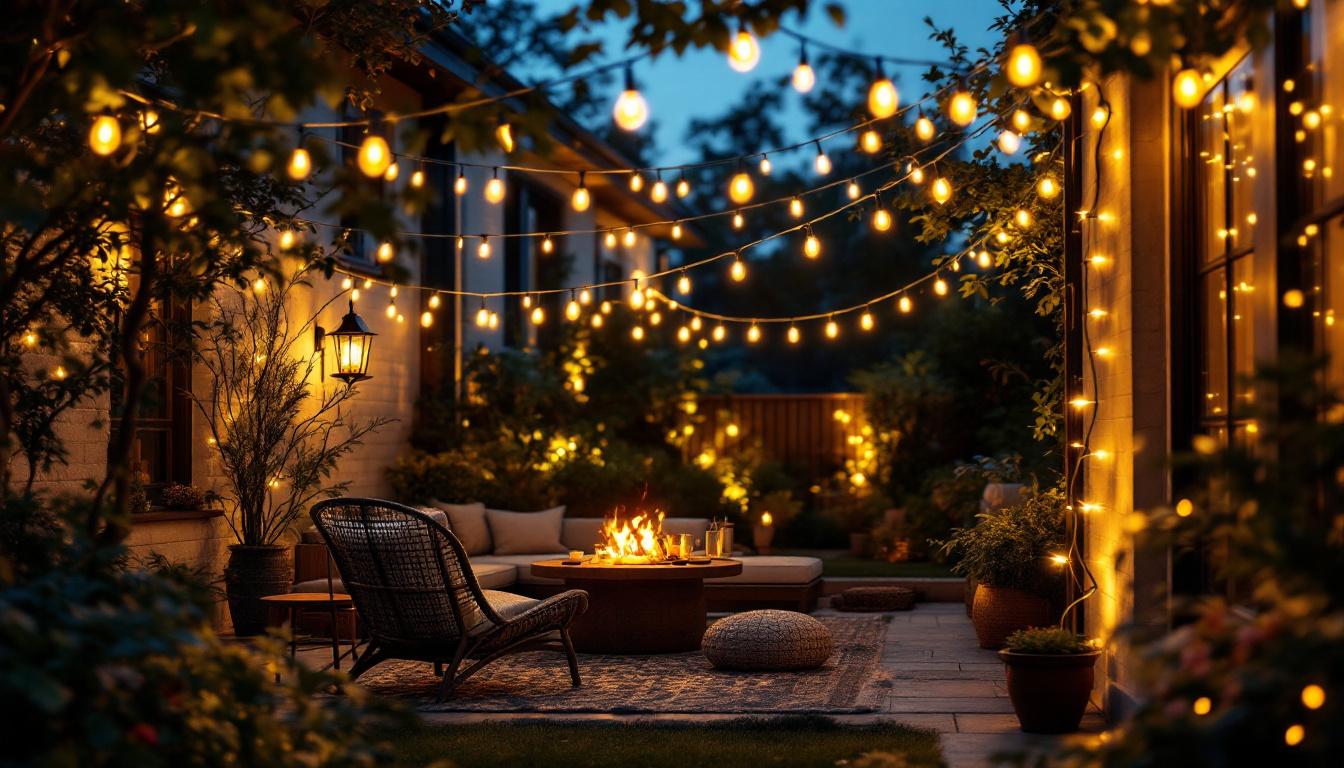
Furthermore, the aesthetic appeal of 12 volt LED string lights cannot be overstated. Available in a variety of styles, colors, and designs, these lights can enhance the visual atmosphere of any outdoor setting. Whether it’s a cozy backyard gathering or a large-scale outdoor event, the warm glow of LED lights creates an inviting ambiance that can transform spaces. Contractors can easily customize lighting arrangements to suit the specific needs and tastes of their clients, ensuring that every project is unique and memorable.
Moreover, the durability of these lights is another significant advantage. Designed to withstand various weather conditions, 12 volt LED outdoor string lights are often made with weather-resistant materials that can endure rain, wind, and even snow. This resilience not only extends the lifespan of the lights but also reduces maintenance costs for contractors, as fewer replacements are needed over time. As a result, clients can enjoy their beautifully lit outdoor spaces without the worry of frequent upkeep, making these lights a practical choice for both aesthetic and functional purposes.
Essential Pre-Installation Considerations
Assessing the Site and Power Source
Before ordering materials or scheduling installation, conduct a thorough site assessment. Identify the location of power sources relative to the planned string light layout. Since 12 volt systems require a transformer to step down from standard mains voltage, ensure there is accessible power within reach of the transformer placement.
Consider the distance between the transformer and the furthest light fixture. Voltage drop can occur over long cable runs, leading to dimmer lights or flickering. Calculating voltage drop ahead of time helps determine if additional transformers or thicker gauge wiring is necessary. Additionally, take into account any potential obstacles that may interfere with the cable runs, such as trees, fences, or existing structures. Mapping out the layout can help visualize how the lights will interact with the surrounding environment, enhancing both functionality and aesthetics.
Choosing the Right Transformer
Transformers are the heart of a 12 volt LED string lighting system. Selecting the correct wattage rating is critical. Undersized transformers will overheat or fail prematurely, while oversized units can be unnecessarily costly.
Calculate total wattage by summing the wattage of all LED bulbs on the string lights. Add a 20% buffer to accommodate potential future expansions or minor wattage variations. Opt for transformers with built-in overload protection and weatherproof ratings suitable for outdoor use. Furthermore, consider the transformer’s mounting options. Some models are designed for easy installation on walls or posts, while others may require more elaborate setups. Choosing a transformer that fits seamlessly into your outdoor space can enhance the overall look and feel of your lighting installation.
Understanding Local Electrical Codes and Permits
Compliance with local electrical codes is non-negotiable. Many jurisdictions have specific requirements for low voltage outdoor lighting installations, including wiring methods, grounding, and transformer placement.
Before beginning work, verify if permits are required. This step avoids costly fines or having to redo work to meet code. Familiarize yourself with the National Electrical Code (NEC) guidelines relevant to low voltage lighting, especially Article 411, which covers low voltage lighting systems. Additionally, it may be beneficial to consult with a local electrician or lighting specialist who is well-versed in regional regulations. They can provide insights into common pitfalls and best practices, ensuring that your installation not only meets legal standards but also functions optimally for years to come.
Material and Equipment Checklist
Quality LED String Lights
Invest in string lights designed specifically for 12 volt operation. Look for UL or ETL listings to ensure safety and quality standards. LEDs should have a high Color Rendering Index (CRI) for natural color appearance and a suitable color temperature—typically between 2700K and 3000K for warm white ambiance. This range not only enhances the aesthetic appeal of your outdoor space but also creates a cozy atmosphere, perfect for gatherings or quiet evenings under the stars.
Waterproof and UV-resistant housings extend the lifespan of the lights in outdoor conditions. Confirm the IP rating is at least IP65, indicating protection against dust and water jets. Additionally, consider the length and spacing of the lights; a longer string with appropriately spaced bulbs can create a more dramatic effect, illuminating larger areas while avoiding harsh glare. Look for options that allow you to connect multiple strands for a customized lighting design that suits your specific needs.
Wire and Connectors
Use outdoor-rated, UV-resistant cables with appropriate gauge thickness. For runs under 50 feet, 16 AWG wire is generally sufficient, but longer distances may require 14 AWG or thicker to prevent voltage drop. It’s also wise to plan your layout in advance, as the arrangement of your lights can impact the overall electrical load. Mapping out your design can help ensure that you have the right amount of wire and connectors on hand, minimizing trips to the hardware store.
Waterproof connectors and quick-disconnect fittings simplify installation and maintenance. Ensure connectors match the string light manufacturer’s specifications to avoid compatibility issues. Furthermore, consider using wire nuts or heat-shrink tubing for additional protection against moisture and corrosion. These small details can significantly enhance the durability of your setup, ensuring that your lights shine brightly season after season.
Mounting Hardware and Accessories
Secure mounting is essential for safety and aesthetics. Use stainless steel or galvanized hooks, eye bolts, and cable ties designed for outdoor use. Adjustable tensioners help maintain consistent sag and prevent damage from wind or snow loads. When planning your installation, think about the height and angle of the lights; positioning them too low may obstruct views or become a hazard, while too high might diminish their visual impact.
Consider adding protective conduit or cable covers in high-traffic areas to prevent accidental damage. In addition, using decorative elements like lanterns or planters can help integrate the lighting into your overall landscape design, creating a cohesive look that enhances your outdoor space. By thoughtfully selecting and arranging your mounting hardware and accessories, you can achieve a professional finish that not only looks great but also stands the test of time.
Step-by-Step Installation Best Practices
Planning the Layout
Map out the string light path on the site plan, marking power source locations, transformer placement, and mounting points. Account for natural obstacles like trees, gutters, or overhangs. Spacing between bulbs typically ranges from 12 to 24 inches depending on desired brightness and style.
Communicate the plan clearly with the client to manage expectations and confirm aesthetic preferences.
Installing the Transformer and Wiring
Mount the transformer in a sheltered location close to the power source but away from direct exposure to rain or debris. Use weatherproof enclosures if necessary. Connect the transformer to the main power supply following manufacturer instructions and local code requirements.
Run low voltage wiring from the transformer to the first string light connection point. Secure cables neatly along walls or structures, avoiding sharp bends or pinch points.
Stringing and Securing the Lights
Attach mounting hardware at pre-planned intervals. Hang the string lights, ensuring even tension to prevent sagging or damage. Use tensioners or turnbuckles to fine-tune the line.
Connect multiple strings if the design requires, ensuring total wattage does not exceed transformer capacity. Test each section for consistent illumination before finalizing connections.
Testing and Troubleshooting
Power on the system and inspect for any flickering, dim bulbs, or dead sections. Voltage drop issues often manifest as dimmer lights at the far end of the run. Solutions include adding a second transformer closer to those lights or upgrading wire gauge.
Check all connections for water tightness and secure fit. Address any loose fittings immediately to prevent future failures.
Maintenance Tips for Longevity and Performance
Regular Inspections
Schedule periodic inspections to check for damaged bulbs, frayed wiring, or loose mounts. Outdoor environments expose string lights to weather extremes, pests, and physical wear.
Replacing faulty components promptly prevents larger system failures and maintains safety standards.
Cleaning and Seasonal Care
Dirt and debris can accumulate on bulbs and reduce light output. Clean the lights gently with a soft cloth and mild detergent as needed. Avoid abrasive materials that could scratch lenses or housings.
For areas with harsh winters, consider removing string lights or using weatherproof covers to protect them from ice and snow damage.
Upgrading and Expanding
As LED technology advances, newer string lights may offer better efficiency or color options. Keep clients informed about upgrade opportunities that can enhance their outdoor spaces.
Design installations with future expansion in mind. Use transformers with extra capacity and plan wiring routes that allow easy addition of more lights.
Common Pitfalls and How to Avoid Them
Ignoring Voltage Drop Calculations
One of the most frequent mistakes is underestimating voltage drop, leading to uneven lighting and premature equipment failure. Always calculate voltage drop based on wire length, gauge, and total wattage before installation.
Using Incompatible Components
Mixing string lights, transformers, or connectors from different manufacturers can cause electrical mismatches or mechanical issues. Stick to compatible, certified components to ensure system integrity.
Overloading Transformers
Loading a transformer beyond its rated capacity risks overheating and fire hazards. Always add a safety margin when sizing transformers and avoid daisy-chaining multiple strings without proper power distribution.
Final Thoughts: Delivering Quality and Safety with Every Project
Mastering the installation of 12 volt LED outdoor string lights positions contractors as trusted experts in outdoor lighting solutions. Attention to detail-from site assessment and component selection to installation and maintenance-ensures client satisfaction and long-lasting results.
By following this comprehensive checklist, contractors can avoid common pitfalls, streamline workflows, and deliver installations that combine beauty, efficiency, and safety. The result is outdoor lighting that enhances spaces while standing the test of time.
Illuminate Your Projects with LumenWholesale
Ready to elevate your lighting installations with the efficiency, safety, and aesthetic appeal of 12 volt LED outdoor string lights? Look no further than LumenWholesale for all your lighting needs. Our commitment to quality and affordability ensures that you have access to the best spec-grade lighting products at wholesale prices. Say goodbye to local distributor markups and hello to a vast selection of reliable lighting options that meet the highest industry standards. Plus, with free shipping on bulk orders, you can stock up on premium lighting without the worry of hidden fees. Make your next project shine by choosing Wholesale Lighting at the Best Value with LumenWholesale.