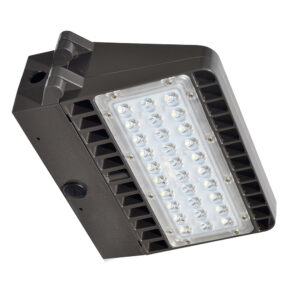
Why Bright LED Bulbs Are Revolutionizing the Lighting Industry
Lighting contractors have always sought solutions that combine efficiency, durability, and client satisfaction. Bright LED bulbs have emerged as a pivotal innovation, transforming how professionals approach lighting projects. Unlike traditional incandescent or fluorescent bulbs, these LEDs deliver superior brightness while consuming significantly less energy.
The impact on project outcomes is profound. Contractors report faster installations and fewer callbacks due to bulb failures. Bright LED bulbs also offer a level of consistency in light quality that helps meet stringent client expectations, especially in commercial and industrial settings where lighting standards are critical.
Energy Efficiency and Cost Savings
One of the most compelling reasons to switch to bright LED bulbs is their energy efficiency. These bulbs use a fraction of the power required by older lighting technologies, translating directly into lower electricity bills for end-users. For contractors, this means being able to confidently recommend solutions that reduce operational costs over time, enhancing client trust and satisfaction.
Additionally, the long lifespan of bright LED bulbs reduces maintenance frequency. This minimizes labor costs associated with bulb replacements and decreases downtime in facilities, a critical factor for businesses operating around the clock. Moreover, the durability of LEDs means they are less likely to break or fail under harsh conditions, making them ideal for outdoor and industrial applications where reliability is paramount.
Beyond just cost savings, the environmental impact of switching to bright LED bulbs cannot be overlooked. With a significantly lower carbon footprint compared to traditional lighting options, LEDs contribute to sustainable practices that many businesses are now prioritizing. This shift not only aligns with corporate social responsibility goals but also appeals to eco-conscious consumers who are increasingly making purchasing decisions based on a company’s environmental impact. As such, lighting contractors are not just installing bulbs; they are also helping their clients make strides toward a greener future.
Technical Advantages Lighting Contractors Can’t Ignore
Bright LED bulbs are not just about energy savings; their technical features offer distinct advantages that improve installation and performance.
Superior Light Quality and Versatility
Brightness isn’t the only metric that matters. The quality of light—measured in color rendering index (CRI) and color temperature—is crucial for creating the right ambiance and functionality. Bright LED bulbs typically have a high CRI, meaning they render colors more accurately and vividly, which is essential in retail, hospitality, and healthcare environments.
Furthermore, these bulbs come in a range of color temperatures from warm to cool white, allowing contractors to tailor lighting solutions to specific client needs. Whether it’s a cozy residential space or a bright, energetic office, bright LED bulbs provide the flexibility required to meet diverse lighting demands. This adaptability is particularly beneficial for contractors who work on varied projects, as it enables them to offer customized solutions that enhance the aesthetic appeal and functionality of each space. For instance, in a gallery setting, the right color temperature can make artwork pop, while in a restaurant, warmer tones can create an inviting atmosphere that encourages diners to linger.
Durability and Environmental Resistance
LED technology inherently offers greater durability than traditional bulbs. Bright LED bulbs are designed to withstand vibrations, shocks, and temperature fluctuations, making them ideal for challenging environments such as warehouses, factories, and outdoor installations.
This robustness reduces the likelihood of premature failure, which is a significant advantage when working on large-scale projects or in locations where maintenance access is difficult or costly. Additionally, many bright LED bulbs are built with advanced materials that resist moisture and corrosion, further extending their lifespan in environments exposed to harsh weather conditions. This durability not only translates to lower replacement costs but also minimizes downtime, ensuring that operations in commercial settings remain uninterrupted. For contractors, this means fewer service calls and a stronger reputation for reliability, which can lead to repeat business and referrals.
Installation Benefits and Contractor Efficiency
From a contractor’s perspective, the ease and speed of installation can make or break a project timeline. Bright LED bulbs simplify this process in several ways.
Compatibility and Retrofit Options
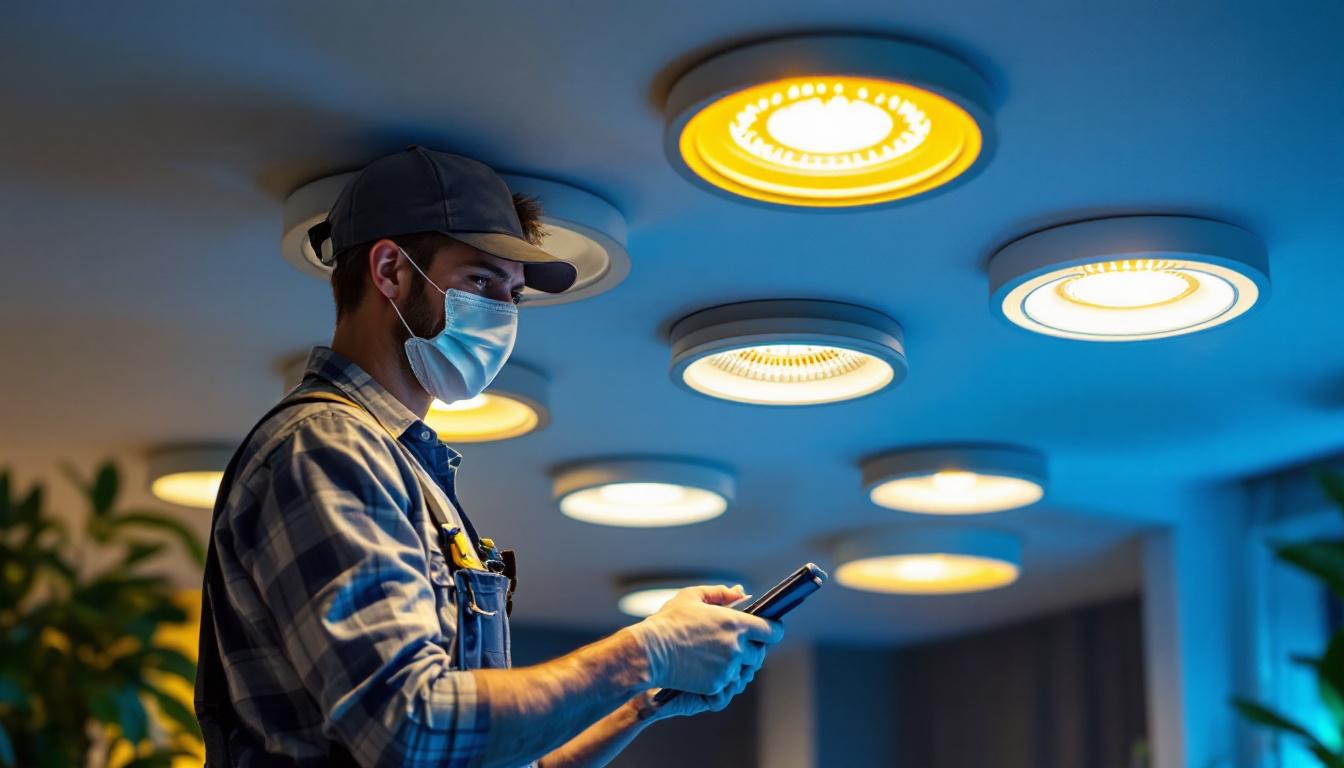
Many bright LED bulbs are designed to be compatible with existing fixtures, allowing for straightforward retrofits without the need for extensive rewiring or fixture replacement. This compatibility saves time and reduces material costs, enabling contractors to offer upgrades that are both affordable and minimally disruptive.
Moreover, the instant-on feature of LEDs eliminates the warm-up time associated with older lighting technologies, providing immediate full brightness. This can be particularly beneficial in commercial settings where lighting needs to be reliable and responsive. In addition, the wide range of color temperatures available in LED bulbs allows contractors to tailor lighting solutions to meet the specific aesthetic and functional needs of a space, enhancing both the ambiance and productivity of the environment.
Reduced Heat Output and Safety
Bright LED bulbs generate significantly less heat compared to incandescent bulbs. This lowers the risk of burns during installation and reduces the strain on HVAC systems, which can be a selling point for clients concerned about energy efficiency and safety.
For contractors, this means safer working conditions and fewer concerns about heat-related issues post-installation, such as fixture damage or fire hazards. Additionally, the lower heat output contributes to a longer lifespan for both the bulbs and the fixtures themselves, reducing the frequency of replacements and maintenance. This durability not only enhances client satisfaction but also positions contractors as providers of sustainable solutions, appealing to environmentally conscious customers who prioritize longevity and efficiency in their lighting choices.
Meeting Client Demands and Industry Standards
Clients today expect lighting solutions that are not only efficient but also environmentally responsible and compliant with regulations. Bright LED bulbs help contractors meet these expectations with ease.
Environmental Impact and Sustainability
LED technology aligns with growing sustainability goals across industries. Bright LED bulbs consume less energy and contain no hazardous materials like mercury, which is common in fluorescent bulbs. This makes them easier to dispose of and more attractive to environmentally conscious clients.
By recommending bright LED bulbs, contractors position themselves as forward-thinking professionals committed to sustainable practices, which can differentiate their services in a competitive market. Furthermore, the longevity of LED bulbs—often lasting up to 25,000 hours or more—means that clients will not only save on energy costs but also reduce waste generated from frequent bulb replacements. This aspect of sustainability resonates deeply with clients who are increasingly aware of their carbon footprint and are looking for solutions that contribute to a greener future.
Compliance with Lighting Codes and Certifications
Many bright LED bulbs meet or exceed standards set by organizations such as ENERGY STAR and the DesignLights Consortium (DLC). These certifications ensure that the products deliver on promised energy savings and performance, providing contractors with reliable options that comply with local and national regulations.
Using certified LED bulbs can also simplify the permitting process and help clients qualify for rebates or incentives, adding further value to the contractor’s offering. In addition to financial benefits, compliance with these standards can enhance the overall safety and quality of lighting installations. For example, adhering to the Illuminating Engineering Society (IES) guidelines ensures that the lighting design not only meets aesthetic goals but also provides adequate illumination for various tasks, thereby improving functionality in residential and commercial spaces alike. This attention to detail not only satisfies client demands but also fosters trust and long-term relationships between contractors and their clients.
Case Studies: Real-World Success with Bright LED Bulbs
Several lighting contractors have documented significant improvements in project outcomes after adopting bright LED bulbs. For example, a commercial contractor retrofitting a large office complex reported a 40% reduction in energy costs and a 50% decrease in maintenance calls within the first year.
In another instance, a contractor working on a retail chain’s lighting upgrade highlighted the enhanced customer experience due to improved light quality and color accuracy, directly impacting sales positively.
These examples underscore the tangible benefits bright LED bulbs bring to both contractors and their clients.
Choosing the Right Bright LED Bulb for Your Projects
Not all bright LED bulbs are created equal. Contractors must consider several factors to select the best product for each application.
Assessing Lumens and Wattage
Lumens measure the brightness of a bulb, while wattage indicates energy consumption. Contractors should prioritize lumens per watt to ensure maximum efficiency. For instance, a bulb offering 100 lumens per watt is more efficient than one with 80 lumens per watt, even if both provide the same brightness.
Evaluating Color Temperature and CRI
Matching the color temperature to the environment is crucial. Warm white (2700K-3000K) suits residential and hospitality settings, while cool white (4000K-5000K) is better for offices and industrial spaces. A CRI above 80 is generally recommended for most applications to ensure accurate color representation.
Checking Compatibility and Certifications
Before purchase, verify that the bulb is compatible with existing fixtures and dimmers if applicable. Also, look for certifications like ENERGY STAR or DLC to guarantee quality and performance.
Conclusion: Bright LED Bulbs as a Strategic Advantage
For lighting contractors, bright LED bulbs offer more than just improved illumination. They represent a strategic advantage that enhances project efficiency, client satisfaction, and long-term business growth. By embracing this technology, contractors can deliver superior lighting solutions that meet modern demands for energy efficiency, durability, and quality.
Adopting bright LED bulbs is not simply a trend; it is a practical step toward future-proofing lighting projects and establishing a reputation for excellence in the industry.
Illuminate Your Projects with LumenWholesale
Ready to harness the strategic advantage of bright LED bulbs for your lighting projects? At LumenWholesale, we provide lighting contractors with the highest quality, spec-grade lighting products at unbeatable wholesale prices. Say goodbye to local distributor markups and hello to a vast selection of reliable, high-performance lighting that meets the most rigorous industry standards. Plus, with free shipping on bulk orders, you can stock up on premium lighting solutions at the best value — all without hidden fees or compromises. Elevate your lighting game and experience the perfect blend of quality, affordability, and convenience. Visit LumenWholesale today and make the smart choice for your business.