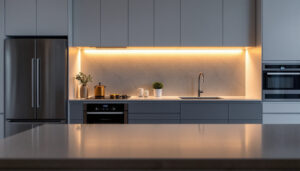
Understanding Color Temperature and Its Impact in Kitchen Lighting
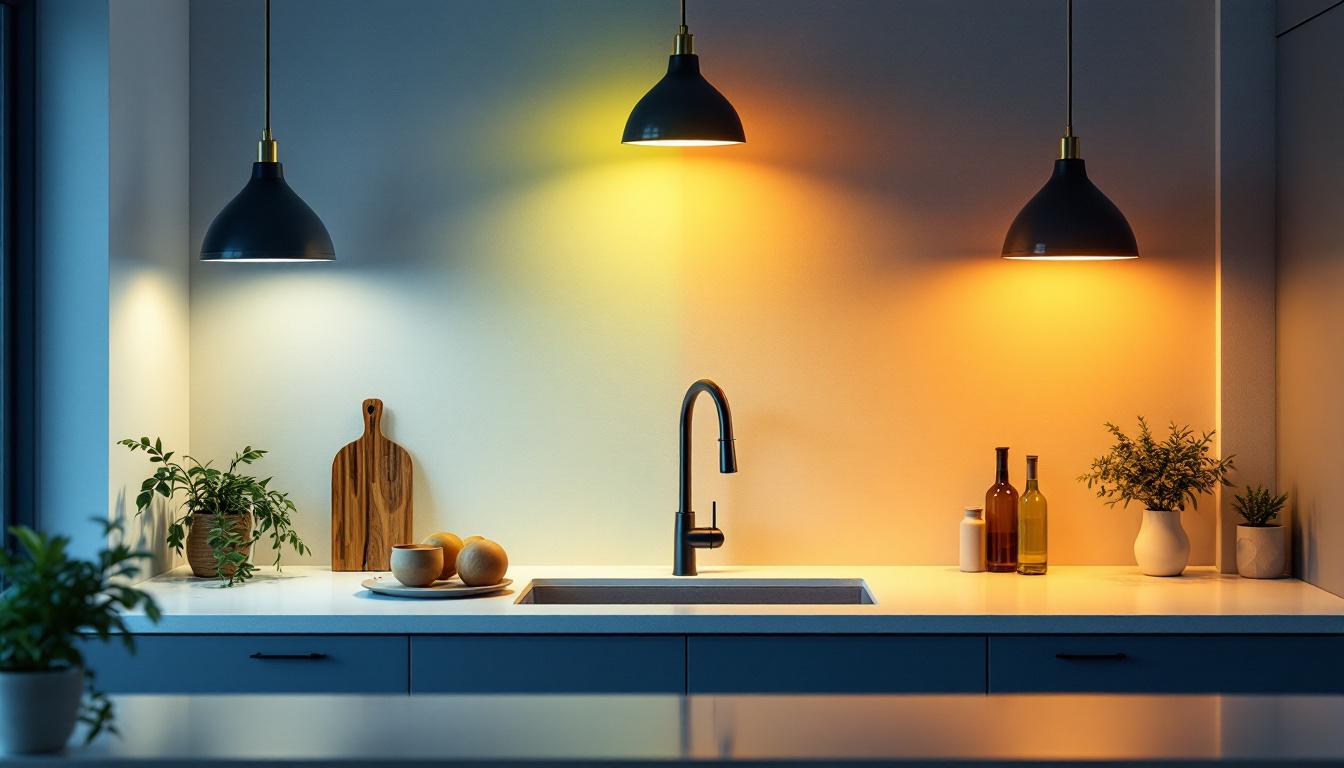
Color temperature is more than just a technical specification; it shapes the entire ambiance and functionality of a kitchen. Measured in Kelvins (K), it defines the hue of the light source, ranging from warm (yellowish) to cool (bluish) tones. For lighting contractors, grasping this concept is essential because the right color temperature can enhance visibility, mood, and even the perception of food quality.
In kitchens, where tasks demand precision and aesthetics matter, selecting the appropriate color temperature is critical. Warm light (2700K–3000K) tends to create a cozy, inviting atmosphere, often preferred for dining areas or breakfast nooks. Cooler light (3500K–5000K) improves clarity and reduces eye strain, making it ideal for food preparation zones. Contractors must balance these needs to deliver lighting solutions that satisfy both practical and emotional requirements.
Why Color Temperature Matters More in Kitchens
Kitchens are multifunctional spaces used for cooking, socializing, and sometimes even working. Poor lighting can cause shadows, distort colors, and lead to mistakes during food preparation. For example, under warm lighting alone, it might be difficult to distinguish between fresh and spoiled ingredients. Conversely, overly cool lighting can feel sterile and uninviting, detracting from the kitchen’s warmth.
Lighting contractors who understand these nuances can tailor solutions that enhance safety and comfort. The goal is to create layered lighting schemes that incorporate various color temperatures and intensities, ensuring the kitchen is both functional and welcoming. Additionally, integrating dimmable fixtures can provide flexibility, allowing homeowners to adjust the ambiance based on the time of day or the type of activity, whether it’s a lively dinner party or a quiet breakfast.
Moreover, the impact of color temperature extends beyond mere functionality; it can also influence the overall design aesthetic of the kitchen. For instance, a modern kitchen with sleek stainless steel appliances may benefit from cooler lighting to highlight its contemporary features, while a rustic kitchen with wooden cabinetry might be better suited for warmer tones that accentuate its charm. By thoughtfully considering the interplay between color temperature and design elements, contractors can create spaces that not only serve their purpose but also resonate with the homeowner’s personal style and preferences.
Choosing the Right Color Temperature for Different Kitchen Zones
Breaking down the kitchen into zones is a smart approach. Each zone serves a different purpose and benefits from specific lighting characteristics. Contractors should consider task lighting, ambient lighting, and accent lighting separately, then integrate them into a cohesive plan. This thoughtful segmentation not only enhances functionality but also contributes to the overall aesthetic of the kitchen, making it a more enjoyable space for cooking and socializing.
Task Lighting: Clarity and Precision
Task lighting is critical in areas like countertops, sinks, and cooking surfaces. Here, color temperatures between 4000K and 5000K are often ideal. This range mimics natural daylight, providing crisp, clear illumination that reduces shadows and enhances detail visibility. LED under-cabinet lights are popular choices for these zones, offering focused light without overwhelming the space. The right task lighting can significantly improve the cooking experience, allowing for precision in food preparation and ensuring safety while handling sharp utensils.
Contractors should also consider adjustable fixtures or tunable white LEDs that allow homeowners to shift color temperatures based on the time of day or activity. This flexibility adds value and user satisfaction. For instance, during the morning, a cooler light can help energize the space, while a warmer hue in the evening can create a cozy atmosphere for family gatherings. Additionally, incorporating motion sensors can enhance convenience, ensuring that lights turn on automatically when someone enters the kitchen, further elevating the user experience.
Ambient Lighting: Setting the Mood
Ambient lighting provides general illumination throughout the kitchen. Warmer temperatures around 2700K to 3000K create a soft, inviting glow that complements the kitchen’s design and encourages relaxation. Pendant lights over islands or recessed ceiling lights with dimmable features can deliver this effect effectively. The choice of fixtures can also play a significant role in the overall style of the kitchen, with options ranging from sleek modern designs to rustic vintage looks, allowing homeowners to express their personal taste.
Lighting contractors must balance brightness and warmth to avoid glare or dullness. Layering ambient lighting with task and accent lighting ensures the kitchen feels spacious and comfortable. Moreover, the strategic placement of dimmers allows homeowners to adjust the ambiance for different occasions, whether it’s a casual breakfast or an elegant dinner party. Incorporating natural light sources, such as skylights or larger windows, can also enhance the ambient lighting, creating a seamless transition between indoor and outdoor spaces.
Accent Lighting: Highlighting Design Elements
Accent lighting draws attention to architectural features, cabinetry, or decorative items. Color temperatures here can vary depending on the desired effect but often lean toward warmer tones to add depth and richness. For example, LED strip lights inside glass-front cabinets at 3000K can showcase dishware beautifully. This not only highlights the homeowner’s collection but also adds a layer of sophistication to the kitchen’s overall design.
Strategically placed accent lighting enhances the kitchen’s aesthetic appeal without compromising functionality. Contractors should collaborate with designers or homeowners to identify focal points worth highlighting. Consider using adjustable track lighting or wall sconces to create dynamic visual interest. Additionally, integrating smart lighting solutions can allow homeowners to change the color or intensity of accent lights with the touch of a button, making it easy to adapt the kitchen’s atmosphere for various occasions, from intimate dinners to lively gatherings with friends and family.
Smart Lighting Controls and Tunable White Technology
Smart lighting systems have revolutionized how kitchens are illuminated. Tunable white technology allows users to adjust color temperature dynamically, shifting from warm to cool light throughout the day. This adaptability not only improves comfort but also supports circadian rhythms, promoting well-being.
Integrating Tunable White LEDs
For contractors, installing tunable white LEDs means selecting compatible fixtures and control systems. These LEDs combine multiple diodes of different color temperatures, enabling seamless transitions. Popular control options include smartphone apps, voice assistants, and wall-mounted panels.
Installation requires careful wiring and programming to ensure smooth operation. Contractors should also educate clients on the benefits and usage to maximize satisfaction.
Benefits of Smart Controls in Kitchen Lighting
Smart controls offer more than convenience. They enable precise customization of lighting scenes tailored to specific tasks or moods. For instance, a bright, cool setting can be activated during meal prep, while a warm, dimmed scene suits dinner gatherings.
Energy efficiency is another advantage. Automated schedules and motion sensors reduce unnecessary usage, lowering electricity bills and extending fixture lifespan. Contractors who master these technologies position themselves as forward-thinking experts, attracting tech-savvy clients.
Material and Fixture Selection: Enhancing Color Temperature Effects
The interaction between light and materials in the kitchen significantly affects perceived color temperature. Reflective surfaces, paint colors, and countertop materials can either amplify or mute the light’s warmth or coolness.
Choosing Fixtures That Complement Color Temperature
Fixture design influences how light disperses. Open fixtures with diffusers soften harsh light, beneficial when using cooler temperatures. Conversely, fixtures with directional beams can highlight specific areas with warmer light.
Contractors should recommend fixtures that align with the overall lighting strategy. For example, matte finishes reduce glare, while glossy surfaces might create unwanted reflections. Understanding these dynamics ensures the lighting system performs as intended.
Considering Surface Colors and Finishes
Light interacts differently with various surfaces. Dark countertops absorb more light, potentially requiring higher brightness or cooler temperatures to maintain visibility. Light-colored cabinetry reflects light, enhancing warmth and brightness.
Contractors should assess the kitchen’s color palette during planning. This insight helps in selecting appropriate color temperatures and fixture placements to achieve balanced illumination.
Addressing Common Challenges in Kitchen Lighting Projects
Lighting contractors often face obstacles when implementing color temperature strategies. Anticipating and resolving these challenges leads to successful installations and satisfied clients.
Dealing with Mixed Lighting Sources
Kitchens can have multiple light sources, including natural daylight, incandescent bulbs, and LEDs. Mixing these can cause color temperature inconsistencies, resulting in an uneven or unpleasant look.
Contractors should aim to unify lighting sources around a consistent color temperature or use tunable white systems to harmonize the environment. Proper planning and client communication are key to managing expectations.
Balancing Energy Efficiency and Lighting Quality
While LEDs are energy-efficient, not all offer the same color rendering quality. Poor color rendering can distort food colors, affecting both aesthetics and safety.
Selecting LEDs with a high Color Rendering Index (CRI) of 80 or above is crucial. Contractors must balance energy savings with lighting performance to deliver optimal results.
Ensuring Compliance with Codes and Standards
Lighting installations must meet local electrical codes and safety standards. Contractors should stay updated on regulations related to kitchen lighting, including fixture ratings for damp or wet locations and emergency lighting requirements.
Adhering to these standards protects clients and avoids costly rework or legal issues.
Final Thoughts: Elevating Kitchen Lighting Through Expertise
Color temperature is a powerful tool in a lighting contractor’s arsenal. When applied thoughtfully, it transforms kitchens into spaces that are both highly functional and visually appealing. By understanding the nuances of color temperature, selecting appropriate fixtures, integrating smart controls, and addressing common challenges, contractors can deliver lighting solutions that stand out.
Investing time in planning and client education ensures that every kitchen lighting project meets high standards of quality and satisfaction. This expertise not only enhances the contractor’s reputation but also contributes to safer, more enjoyable kitchen environments for homeowners.
Illuminate Your Projects with LumenWholesale
Ready to elevate your kitchen lighting projects with the perfect color temperature solutions? Look no further than LumenWholesale, where we provide contractors with top-quality, spec-grade lighting products at unbeatable wholesale prices. Our extensive selection is designed to meet the highest industry standards, ensuring reliable and high-performance lighting for every project. Plus, with free shipping on bulk orders, you can get premium lighting at the best value — without hidden fees or compromises. Don’t let inflated markups dim your project’s potential. Experience the perfect blend of quality, affordability, and convenience. Visit LumenWholesale today for Wholesale Lighting at the Best Value and light up your kitchens with confidence.