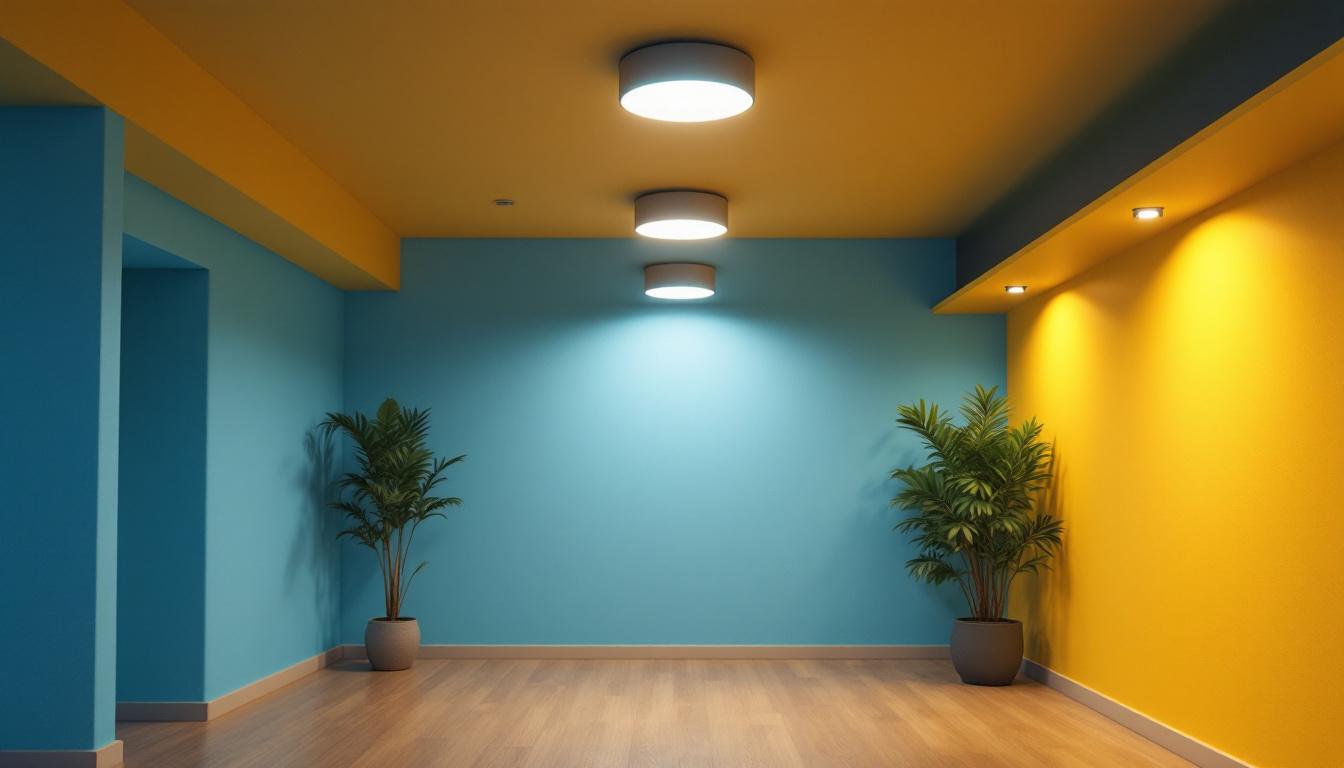
Understanding the Warehouse Black and White Concept
Warehouse lighting often comes down to a balance between efficiency and clarity. The term “black and white” in warehouse lighting refers to the stark contrast between well-lit areas and shadows, or in some cases, the use of monochrome lighting schemes to enhance visibility and safety. For lighting contractors, grasping this concept is crucial to designing systems that meet operational demands without compromising on energy consumption or worker comfort.
In warehouses, shadows can create blind spots that increase the risk of accidents or reduce productivity. On the other hand, over-illumination can cause glare and discomfort. The black and white approach is about managing these extremes—ensuring that critical zones are brightly lit while minimizing unnecessary light spill and dark patches.
Moreover, the application of the black and white concept extends beyond mere visibility; it also plays a significant role in the psychological well-being of workers. Studies have shown that well-lit environments can enhance mood and reduce fatigue, which is particularly important in large spaces where employees may spend long hours. By strategically placing lighting fixtures to create a balance of light and shadow, warehouse managers can foster a more inviting atmosphere that encourages productivity and reduces the likelihood of errors.
Additionally, the choice of lighting technology—such as LED versus traditional fluorescent bulbs—can greatly influence the effectiveness of the black and white concept. LEDs not only provide better color rendering and longevity but also allow for more precise control over light distribution. This means that lighting designers can tailor their setups to create the desired contrast while maintaining energy efficiency. As warehouses increasingly adopt smart lighting systems that adjust automatically based on occupancy and ambient light levels, the black and white concept will continue to evolve, ensuring that safety and efficiency remain at the forefront of warehouse operations.
Key Considerations for Lighting Contractors
Assessing Warehouse Layout and Activity Zones
Every warehouse has unique spatial characteristics and operational workflows. Before selecting lighting fixtures or layouts, contractors should conduct a thorough assessment. This involves identifying high-traffic aisles, loading docks, storage racks, and packing stations. Each area demands a different lighting strategy.
For instance, picking zones require bright, uniform lighting to reduce errors and speed up processes. Conversely, bulk storage areas might tolerate lower light levels, provided safety is not compromised. Mapping these zones allows contractors to apply the black and white principle effectively—targeting brightness where it counts and conserving energy elsewhere. Additionally, understanding the flow of goods and the types of activities performed in each zone can further inform lighting decisions. For example, areas where heavy machinery operates may need more robust lighting solutions to ensure safety and compliance with occupational health standards, while quieter zones can benefit from softer, more ambient lighting to create a comfortable working environment.
Choosing the Right Fixtures and Light Sources
LED technology dominates modern warehouse lighting due to its longevity and energy efficiency. However, not all LEDs perform equally in black and white lighting schemes. High Color Rendering Index (CRI) LEDs are essential for tasks requiring color differentiation, such as sorting or quality control.
Lighting contractors should consider fixtures with adjustable beam angles and dimming capabilities. Narrow beams can reduce light spill, creating sharp contrasts between lit and unlit areas, while dimming allows for dynamic control based on time of day or activity level. Incorporating motion sensors and daylight harvesting systems further optimizes energy use. Furthermore, the choice of color temperature can significantly impact the working atmosphere; cooler temperatures (5000K and above) can enhance alertness and focus, making them ideal for active workspaces, while warmer temperatures (3000K to 4000K) can create a more relaxed environment, suitable for break areas or administrative offices within the warehouse.
Balancing Illumination and Contrast
The black and white approach is not about creating harsh contrasts that strain the eyes. Instead, it’s about strategic contrast that enhances spatial awareness. For example, brighter lighting in aisles combined with subdued lighting near shelving units helps workers navigate safely and efficiently.
Contractors must also pay attention to the height and mounting angle of fixtures. Higher ceilings require more powerful lighting to penetrate down to work surfaces, but this can increase shadows if not carefully planned. Using multiple layers of lighting—ambient, task, and accent—helps maintain balance. Additionally, considering the use of reflective surfaces can amplify the effectiveness of the lighting design; for instance, using light-colored walls and ceilings can help bounce light around the space, reducing the need for higher wattage fixtures and ultimately leading to energy savings. Regular maintenance of fixtures, such as cleaning and replacing burnt-out bulbs, is also crucial to ensure that the lighting system remains efficient and effective over time, thus prolonging the lifespan of the installation and enhancing overall warehouse productivity.
Implementing Effective Lighting Controls
Automated Systems for Dynamic Environments
Warehouses are dynamic spaces with fluctuating activity levels. Lighting controls that adapt to these changes can significantly improve efficiency. Automated systems using occupancy sensors ensure lights are on only when needed, reducing energy waste. These sensors can detect movement and adjust the lighting accordingly, providing illumination only in areas where personnel are actively working. This not only conserves energy but also extends the lifespan of the lighting fixtures, leading to lower maintenance costs over time.
Daylight sensors adjust artificial lighting based on natural light availability. This is particularly useful in warehouses with skylights or large windows. By measuring the intensity of incoming sunlight, these sensors can dim or brighten the artificial lights to maintain a consistent level of illumination throughout the space. Lighting contractors should integrate these controls into the black and white lighting design to maintain consistent visibility without over-illumination. Additionally, incorporating smart lighting systems that can be controlled remotely allows for real-time adjustments, providing flexibility to adapt to changing warehouse conditions.
Zone-Based Control Strategies
Dividing the warehouse into lighting zones allows for precise control. Each zone can have tailored light levels depending on its function and occupancy. For example, loading docks might have brighter lighting during shift changes and lower levels at other times. This strategic approach not only enhances safety during peak operational hours but also contributes to energy savings during quieter periods. Furthermore, implementing color temperature variations across zones can help improve worker alertness and productivity, with cooler light promoting focus in high-activity areas.
Zone-based controls also facilitate maintenance by isolating sections for repairs without disrupting the entire warehouse. This targeted approach allows maintenance teams to work efficiently, minimizing downtime and ensuring that operations continue smoothly. Lighting contractors should plan wiring and control systems with scalability in mind, anticipating future layout changes or expansions. By incorporating modular systems that can easily adapt to new zones or configurations, warehouses can remain agile and responsive to evolving business needs. This foresight not only enhances the overall functionality of the lighting system but also ensures that the investment in lighting controls continues to deliver value over the long term.
Addressing Safety and Compliance
Meeting Industry Standards
Proper warehouse lighting must comply with occupational safety standards and regulations. These guidelines specify minimum illumination levels, uniformity ratios, and glare limits to ensure worker safety and comfort.
Lighting contractors should reference standards such as those from the Illuminating Engineering Society (IES) or local regulatory bodies. Adhering to these benchmarks not only protects workers but also reduces liability for warehouse operators.
Enhancing Emergency and Exit Lighting
Black and white lighting schemes should incorporate clear, visible emergency and exit lighting. These lights must remain operational during power outages and be distinguishable from general lighting to guide personnel safely.
Contractors need to ensure these systems are integrated seamlessly without creating confusing contrasts or shadows that could obscure exit paths. Regular testing and maintenance are essential to guarantee reliability.
Case Studies: Successful Black and White Warehouse Lighting
Optimizing a Distribution Center
A large distribution center implemented a black and white lighting strategy by installing high-CRI LED fixtures in picking zones and dimmable LEDs in storage aisles. Motion sensors and daylight harvesting reduced energy consumption by 35% while improving worker accuracy and speed.
The contrast between brightly lit aisles and softer storage lighting helped reduce eye strain and improved spatial orientation, leading to fewer accidents and higher throughput.
Revamping an Automotive Parts Warehouse
In an automotive parts warehouse, contractors replaced outdated fluorescent fixtures with adjustable LED systems. They created distinct lighting zones based on task requirements and integrated advanced control systems to adapt lighting in real time.
This approach enhanced the black and white effect, improving visibility in critical areas while cutting energy costs by nearly 40%. The warehouse also reported increased employee satisfaction due to better lighting quality.
Best Practices for Maintenance and Upgrades
Routine Inspection and Cleaning
Maintaining optimal lighting performance requires regular inspection and cleaning of fixtures. Dust and debris can significantly reduce light output, affecting the black and white balance. Contractors should schedule periodic maintenance visits and educate warehouse staff on simple upkeep tasks.
Planning for Future Technology Integration
Lighting technology continues to evolve, with innovations like smart lighting networks and IoT-enabled fixtures becoming more common. Contractors should design systems with flexibility to incorporate these advancements, ensuring long-term value for warehouse operators.
Upgrading to more intelligent controls or higher-efficiency fixtures can be phased in without major disruptions, preserving the integrity of the black and white lighting strategy.
Conclusion
Warehouse black and white lighting is a nuanced approach that balances visibility, safety, and energy efficiency. For lighting contractors, understanding the spatial dynamics, choosing the right fixtures, implementing advanced controls, and adhering to safety standards are key to successful installations.
By focusing on strategic contrast and adaptive lighting solutions, contractors can deliver environments that enhance productivity and worker well-being. This guide serves as a foundation for making informed decisions that meet the unique challenges of warehouse lighting projects.
Illuminate Your Projects with LumenWholesale
Ready to elevate your warehouse lighting projects with the right balance of black and white? At LumenWholesale, we provide lighting contractors with the highest quality, spec-grade lighting solutions at prices that can’t be beaten. Say goodbye to local distributor markups and hello to a vast selection of reliable, high-performance lighting that meets rigorous industry standards. Plus, with free shipping on bulk orders, you can get the premium lighting you need at the best value — all without hidden fees or compromises. Don’t settle for less; choose LumenWholesale for quality, affordability, and convenience. Wholesale Lighting at the Best Value is just a click away.