Understanding the Unique Challenges of Commercial Outdoor Lighting
Commercial outdoor lighting projects differ significantly from residential ones. The scale alone demands a different approach, but beyond that, contractors must navigate complex factors like energy efficiency, durability, and regulatory compliance. Lighting a large parking lot, a corporate campus, or a public park requires careful planning to balance safety, aesthetics, and operational costs.
One of the first hurdles is site assessment. Unlike indoor environments, outdoor spaces are exposed to weather extremes, vandalism, and varying light pollution requirements. A thorough site survey is critical. It involves evaluating existing infrastructure, understanding the client’s specific needs, and identifying potential obstacles such as tree canopies, signage, or architectural features.
Why Site Assessment Sets the Foundation
Without a detailed site assessment, lighting installations risk being inefficient or even unsafe. For instance, improper placement can create dark spots that compromise security or cause glare that distracts drivers. Contractors should use tools like photometric analysis software to simulate lighting layouts before installation. This reduces costly adjustments later and ensures compliance with local lighting ordinances.
Moreover, the choice of lighting technology plays a crucial role in the effectiveness of outdoor lighting. LED fixtures, for example, have become the industry standard due to their longevity and energy efficiency. They not only reduce operational costs but also minimize the environmental impact of lighting installations. Additionally, smart lighting systems can be integrated to allow for adaptive lighting based on real-time conditions, further enhancing safety and energy savings. These systems can adjust brightness levels based on the time of day or occupancy, making them ideal for dynamic environments like corporate campuses or public parks.
Another important aspect to consider is the aesthetic integration of lighting into the landscape. The design should complement the architecture and natural surroundings while providing adequate illumination. This often involves collaboration with landscape architects and urban planners to ensure that the lighting enhances the overall ambiance without overwhelming the space. Creative lighting solutions, such as pathway lights or accent lighting on trees and buildings, can transform outdoor areas into inviting and functional spaces, encouraging nighttime use and enhancing the overall user experience.
Choosing the Right Fixtures and Technologies
Lighting technology has evolved rapidly, offering contractors a broad palette of options. LED fixtures dominate commercial outdoor lighting due to their longevity, energy efficiency, and versatility. However, not all LEDs are created equal. Selecting high-quality fixtures with appropriate IP ratings for weather resistance and robust construction is essential. Additionally, it’s important to consider the color temperature of the LEDs, as warmer tones can create a welcoming atmosphere, while cooler tones may enhance visibility and alertness in commercial settings.
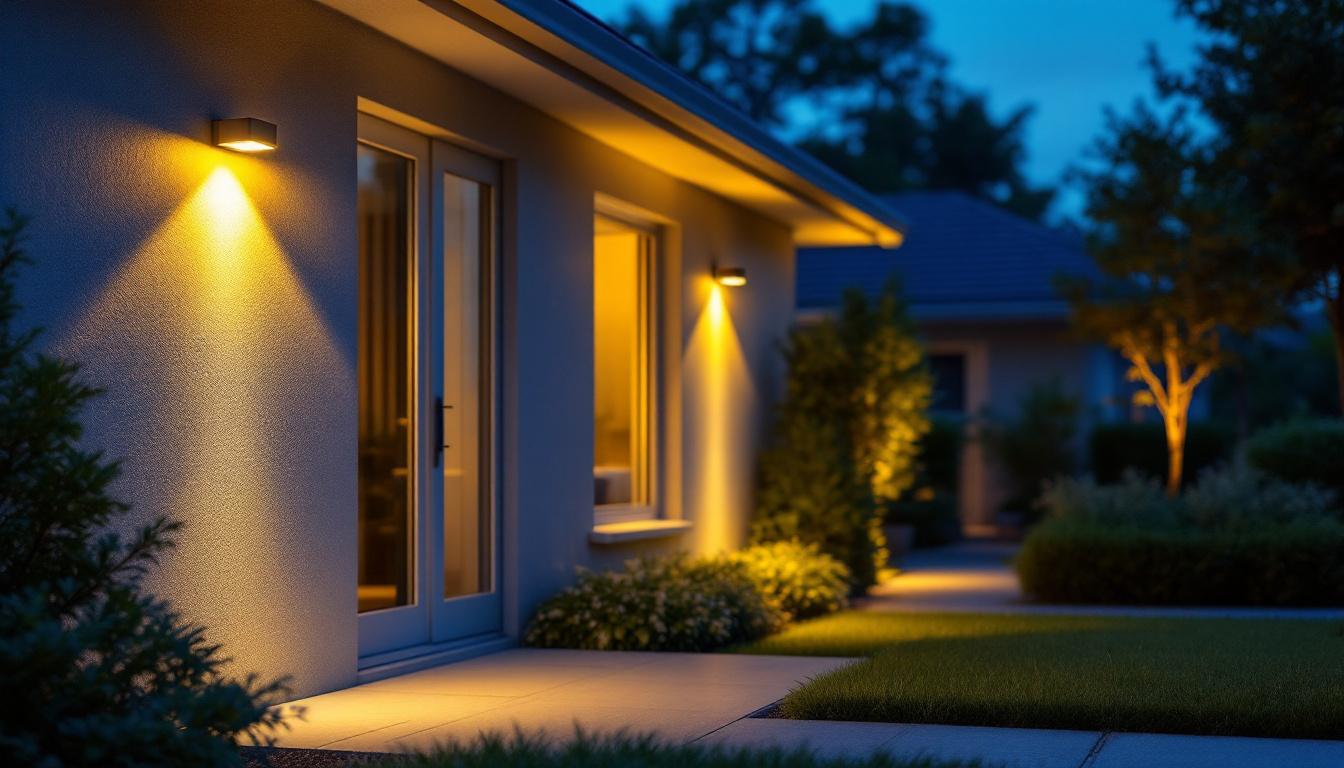
Consider the application when choosing fixture types. Floodlights are ideal for wide-area illumination like parking lots, while wall packs work well for building perimeters. Pathway lights enhance walkways and entrances, improving both safety and curb appeal. Integrating smart controls such as motion sensors and dimmers can optimize energy usage and extend fixture life. Furthermore, using fixtures with adjustable brightness can allow for adaptability to different times of day and varying levels of foot traffic, ensuring that energy is used efficiently without sacrificing safety or aesthetics.
Balancing Brightness and Energy Efficiency
Over-lighting wastes energy and can cause light pollution, while under-lighting compromises safety. Contractors should aim for the recommended illuminance levels specified by organizations like the Illuminating Engineering Society (IES). For example, parking lots typically require around 1 to 2 foot-candles, whereas building entrances might need higher levels for visibility. It’s also worth noting that the placement of fixtures plays a critical role in achieving the desired brightness without excessive energy consumption; strategic positioning can enhance light distribution and reduce the number of fixtures needed.
Energy codes and rebates increasingly encourage the use of advanced controls and efficient fixtures. Familiarity with these incentives can help contractors provide clients with cost-effective solutions that reduce operational expenses over time. Moreover, staying updated on the latest trends in lighting technology, such as adaptive lighting systems that adjust based on ambient light levels, can give contractors a competitive edge. These systems not only enhance energy savings but also contribute to sustainability goals, making them an attractive option for environmentally-conscious clients.
Mastering Installation Techniques for Durability and Performance
Proper installation is as important as choosing the right fixtures. Commercial outdoor lighting must withstand harsh conditions, including wind, rain, and temperature fluctuations. Ensuring secure mounting and waterproof connections prevents premature failures. Additionally, the choice of materials plays a significant role in the longevity of the installation. For instance, using corrosion-resistant metals and UV-stabilized plastics can further enhance the resilience of lighting fixtures, ensuring they maintain their integrity and functionality over time.
Wiring and Electrical Considerations
Commercial sites often require complex wiring schemes to accommodate multiple zones and control systems. Using conduit rated for outdoor use and ensuring all connections are sealed against moisture intrusion is non-negotiable. Grounding and surge protection safeguard the system against electrical faults and lightning strikes. Furthermore, implementing energy-efficient LED technology not only reduces energy consumption but also minimizes heat generation, which can extend the lifespan of the fixtures. It’s also wise to consider future expansions during the design phase, allowing for additional circuits or control options without significant retrofitting.
Contractors should also plan for maintenance access. Installing fixtures and controls in accessible locations simplifies future repairs and adjustments, reducing downtime and labor costs. Incorporating features such as adjustable mounting brackets or quick-connect wiring systems can facilitate easier upgrades or replacements, ensuring that the lighting system can adapt to changing needs over time.
Testing and Commissioning
Once installed, thorough testing confirms the system performs as designed. This includes verifying light levels, control functionality, and ensuring there are no dark spots or glare issues. Documenting the installation with photos and detailed reports helps clients understand the work done and supports warranty claims if needed. Additionally, conducting a post-installation review with the client can provide valuable insights into their satisfaction and any adjustments that may be necessary. This proactive approach not only builds trust but also fosters a long-term relationship, encouraging clients to return for future projects.
Maintaining Client Relationships Through Support and Upgrades
Successful lighting contractors don’t just complete installations; they build lasting partnerships. Offering maintenance plans can keep lighting systems operating efficiently, extending fixture life and preventing unexpected failures. By fostering these relationships, contractors can position themselves as trusted advisors, which not only benefits their clients but also leads to repeat business and referrals.
Routine Maintenance Best Practices
Regular cleaning of lenses and fixtures ensures optimal light output. Checking for corrosion, loose connections, and damaged components prevents minor issues from escalating. Contractors can schedule seasonal inspections aligned with weather changes to anticipate potential problems. Additionally, maintaining a detailed log of maintenance activities can help track the performance of the lighting systems over time, allowing contractors to identify patterns and suggest timely upgrades or replacements when necessary.
Advising on Upgrades and Innovations
Lighting technology continues to advance, with innovations like adaptive lighting and IoT integration gaining traction. Contractors who stay informed can recommend upgrades that enhance performance and reduce costs. Clients appreciate proactive advice that adds value beyond the initial installation. Furthermore, educating clients about the benefits of energy-efficient solutions, such as LED retrofitting or smart lighting controls, can lead to significant cost savings on energy bills while also contributing to sustainability efforts. By presenting case studies or examples of successful implementations, contractors can illustrate the tangible benefits of these upgrades, making the decision-making process easier for their clients.
Staying Compliant and Ahead of Industry Standards
Regulations governing outdoor lighting are becoming more stringent, focusing on energy consumption, light pollution, and safety. Contractors must keep abreast of local codes, utility requirements, and industry standards to avoid costly rework and legal issues. As the demand for sustainable and energy-efficient solutions grows, staying informed about these evolving regulations is not just beneficial; it is essential for long-term success in the industry.
Understanding Dark Sky and Light Pollution Regulations
Many municipalities enforce dark sky ordinances to minimize light pollution. This impacts fixture selection, aiming angles, and brightness levels. Using shielded fixtures and directing light downward helps comply with these rules while maintaining effective illumination. Additionally, understanding the science behind light pollution can empower contractors to advocate for responsible lighting practices within their communities. By educating clients on the benefits of dark sky compliance, such as enhancing nighttime visibility for wildlife and improving the overall aesthetic of outdoor spaces, contractors can position themselves as leaders in sustainable lighting solutions.
Leveraging Certifications and Training
Certifications such as the Certified Lighting Efficiency Professional (CLEP) or courses offered by the National Association of Lighting Management Companies (NALMCO) enhance a contractor’s credibility. Continuous education ensures familiarity with the latest technologies and best practices, positioning contractors as trusted experts. Furthermore, engaging in workshops and seminars not only broadens knowledge but also provides networking opportunities with industry leaders and peers. This collaborative environment fosters innovation and allows contractors to share insights on overcoming common challenges, ultimately leading to improved project outcomes and client satisfaction.
Conclusion: Elevating Commercial Outdoor Lighting Projects
Mastering commercial outdoor lighting installation requires a blend of technical knowledge, practical skills, and client-focused service. From meticulous site assessments and smart fixture choices to precise installation and proactive maintenance, every step influences the final outcome.
Contractors who embrace innovation, prioritize quality, and stay current with regulations will not only deliver superior lighting solutions but also build strong reputations. This ultimately translates to repeat business and referrals in a competitive market.
Get Your Premium Lighting Supplies at LumenWholesale
Ready to elevate your commercial outdoor lighting projects with the highest quality products? Look no further than LumenWholesale. We provide lighting contractors with spec-grade lighting solutions at unbeatable wholesale prices, ensuring you have access to the best without the burden of inflated markups. Our extensive selection is designed to meet rigorous industry standards, so you can deliver reliable, high-performance lighting every time. Plus, with free shipping on bulk orders, you can enjoy premium lighting at the best value — hassle-free and with no hidden costs. Make your next project shine and experience the LumenWholesale difference today.