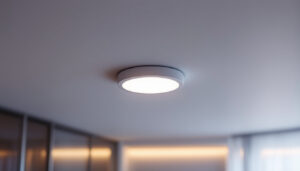
Understanding the Importance of Recessed Can Trims
Recessed lighting is a staple in both residential and commercial projects, prized for its clean look and ability to highlight spaces without overwhelming them. But the trim—the visible part of the recessed can—often gets overlooked. It’s not just a cosmetic afterthought; the right trim can dramatically influence the lighting’s performance, energy efficiency, and overall aesthetic.
For lighting contractors, mastering the selection and installation of recessed can trims is crucial. The trim affects glare control, light distribution, and even heat dissipation. Choosing the wrong trim can lead to client dissatisfaction, increased callbacks, or non-compliance with energy codes. Understanding the nuances of trims allows contractors to deliver superior results and build lasting trust with clients.
There are several types of trims available, each designed for specific applications and effects. For instance, baffle trims are particularly effective in reducing glare, making them ideal for spaces where comfort is paramount, such as living rooms or bedrooms. On the other hand, reflector trims can enhance brightness and are often used in areas requiring more illumination, like kitchens or workspaces. Additionally, adjustable trims can direct light where it’s needed most, providing flexibility in lighting design that can adapt to changing needs or preferences over time.
Moreover, the material and finish of the trim can significantly impact both the durability and the aesthetic appeal of the installation. Trims made from high-quality metals or finishes can resist corrosion and wear, ensuring a longer lifespan, while also offering a polished look that complements modern decor. Color temperature and the type of bulbs used in conjunction with the trim also play a pivotal role in achieving the desired ambiance. By carefully considering these factors, contractors can enhance the functionality and beauty of the spaces they illuminate, creating environments that are not only visually appealing but also practical and energy-efficient.
Types of Recessed Can Trims and Their Applications
Reflector Trims
Reflector trims are designed to maximize light output. They have a shiny, often metallic interior surface that bounces light outward, making them ideal for general illumination. These trims come in various finishes—white, polished aluminum, or specular silver—to match design preferences and lighting needs.
They work well in spaces where bright, even lighting is required, such as kitchens, offices, and retail environments. However, their reflective nature can sometimes cause glare if not paired with the right bulb or housing. To mitigate this, it is essential to choose bulbs with a lower lumen output or to use dimmable options, allowing for greater control over brightness levels. Additionally, reflector trims can be combined with smart lighting systems, enabling users to adjust the ambiance according to the time of day or activity, enhancing both functionality and comfort in the space.
Baffle Trims
Baffle trims feature a ribbed, matte black interior that reduces glare by absorbing excess light. This makes them a favorite for spaces where softer, more controlled lighting is desired—think living rooms, bedrooms, or galleries. The ribs help minimize eye strain and create a more comfortable ambiance.
While baffle trims reduce brightness slightly compared to reflector trims, the trade-off is often worth it for the improved visual comfort and reduced harsh shadows. They are particularly effective in home theaters or reading nooks, where a cozy atmosphere is paramount. Furthermore, baffle trims can also be painted or customized to blend seamlessly with the ceiling, allowing for a more integrated look that enhances the overall aesthetic of the room.
Eyeball and Adjustable Trims
Adjustable trims, commonly called eyeball trims, allow directional control of the light beam. These are essential in highlighting artwork, architectural features, or retail displays. The ability to pivot the light source means contractors can tailor lighting to the client’s specific needs, enhancing focal points without additional fixtures.
Installation requires precision to ensure smooth movement and secure positioning. It’s also important to select trims compatible with the housing to avoid overheating or mechanical issues. Eyeball trims are also popular in spaces that require versatility, such as conference rooms or multi-purpose areas, where the lighting needs may change frequently. By incorporating dimmable LED bulbs, users can further enhance the adaptability of these trims, allowing for a dynamic lighting experience that can shift from bright and functional to soft and intimate with ease.
Wall Wash Trims
Wall wash trims are designed to spread light evenly across vertical surfaces. This technique accentuates textures, colors, and architectural details, making spaces feel larger and more dynamic. These trims are particularly popular in galleries, museums, and modern residential interiors.
They require careful alignment and spacing to avoid uneven illumination or hotspots. Lighting contractors must consider ceiling height and wall color when recommending wall wash trims. Additionally, the choice of bulb can significantly impact the effectiveness of wall wash trims; for instance, using a bulb with a high color rendering index (CRI) can enhance the vibrancy of colors and textures on display. In commercial settings, wall wash trims can also be strategically placed to guide customers through a space, creating an inviting atmosphere that encourages exploration and engagement with the products or artwork on display.
Key Considerations When Selecting Recessed Can Trims
Compatibility with Housing and Bulbs
One of the most common pitfalls is mismatching trims with housings or bulbs. Not all trims fit every recessed can housing, and some are only compatible with specific bulb types-incandescent, halogen, CFL, or LED. Using incompatible components can lead to poor performance, overheating, or voided warranties.
Contractors should verify manufacturer specifications and ensure trims are UL-listed for the intended housing and bulb combination. This step safeguards safety and performance standards.
Energy Efficiency and Code Compliance
Energy codes increasingly influence lighting choices. Many jurisdictions require recessed fixtures to be IC-rated (insulation contact) and airtight to reduce energy loss. The trim plays a role here, especially airtight trims that prevent air leakage between conditioned and unconditioned spaces.
Lighting contractors must stay current with local codes and recommend trims that contribute to energy savings. Airtight trims paired with LED bulbs can significantly reduce energy consumption and improve client satisfaction.
Aesthetic and Design Impact
The trim finish and style directly affect the room’s look. White trims blend seamlessly with ceilings, creating a subtle effect. Metallic or black trims can add contrast and visual interest. Some trims feature decorative elements or unique shapes that complement contemporary or traditional interiors.
Understanding client preferences and the overall design vision helps contractors select trims that enhance rather than detract from the space.
Installation Best Practices for Recessed Can Trims
Preparation and Safety
Before installation, ensure power is off at the breaker to avoid electrical hazards. Inspect the housing for damage or debris that could interfere with trim placement. Use gloves to prevent fingerprints on reflective surfaces, which can affect light quality.
Proper ladder placement and secure footing are essential when working at height. Taking these precautions reduces the risk of accidents and ensures a professional installation.
Securing the Trim Correctly
Trims typically attach to housings with springs, clips, or screws. It’s vital to use the correct method specified by the manufacturer. Springs should be compressed evenly to avoid damaging the trim or housing. Clips must snap firmly into place without forcing.
Improperly secured trims can fall, rattle, or create gaps that diminish lighting quality and energy efficiency.
Adjusting Directional Trims
For eyeball or adjustable trims, fine-tuning the angle is key. Aim the light to highlight the intended area without causing glare or shadows. Test the lighting effect before finalizing the installation, as small adjustments can make a big difference.
Documenting the angle settings can help with future maintenance or client inquiries.
Common Challenges and How to Overcome Them
Dealing with Ceiling Irregularities
Uneven ceilings can cause trims to sit crooked or leave gaps. Using shims or adjustable trims can help compensate for irregular surfaces. In some cases, switching to a trim with a wider flange or a mud-in flange can provide a cleaner finish.
Contractors should assess the ceiling condition during the initial walkthrough to plan accordingly and avoid surprises during installation.
Managing Heat Dissipation
Recessed fixtures generate heat, which must be managed to prevent damage or fire hazards. Some trims include heat sinks or are designed to work with specific housings that provide ventilation. Using LED bulbs reduces heat output significantly compared to traditional bulbs.
Contractors should educate clients on the importance of proper bulb and trim combinations to maintain safety and fixture longevity.
Ensuring Uniform Lighting Across Multiple Fixtures
When installing multiple recessed cans, achieving consistent light levels and color temperature is essential. Using trims from the same product line and bulbs with matched specifications helps maintain uniformity.
Planning the spacing and aiming of adjustable trims in advance can prevent uneven lighting and enhance the overall effect.
Maintaining and Upgrading Recessed Can Trims
Routine Inspection and Cleaning
Over time, dust and debris accumulate on trims, reducing light output and altering appearance. Regular cleaning with a soft cloth and mild detergent keeps trims looking fresh and functioning optimally.
Inspect trims for damage or discoloration during maintenance visits. Replacing worn trims can refresh a space without the need for full fixture replacement.
Upgrading to LED-Compatible Trims
As LED technology advances, upgrading existing recessed cans with LED-compatible trims can improve energy efficiency and light quality. Many LED trims come with integrated drivers and enhanced optics, offering better control and longer lifespan.
Contractors can offer retrofit solutions that minimize disruption and provide clients with modern lighting benefits.
Final Thoughts
Mastering recessed can trims is more than a technical skill-it’s about understanding how these small components influence the entire lighting experience. For contractors, this knowledge translates into better project outcomes, satisfied clients, and fewer callbacks.
From selecting the right trim type to ensuring proper installation and maintenance, attention to detail makes all the difference. Investing time in learning these nuances pays off in professionalism and reputation.
Get Your Premium Recessed Can Trims at LumenWholesale
Ready to elevate your lighting projects with the finest recessed can trims? Look no further than LumenWholesale. Our commitment to quality and affordability ensures that you have access to the best spec-grade lighting products at wholesale prices. Say goodbye to middleman markups and hello to a vast selection of reliable, high-performance lighting solutions that meet the highest industry standards. Plus, with free shipping on bulk orders, you can stock up on all the lighting essentials you need without any hidden fees. Make your next project shine with the perfect blend of quality, value, and convenience. Visit LumenWholesale now for Wholesale Lighting at the Best Value.