Understanding Canopy Light Poles and Their Role in Lighting Efficiency
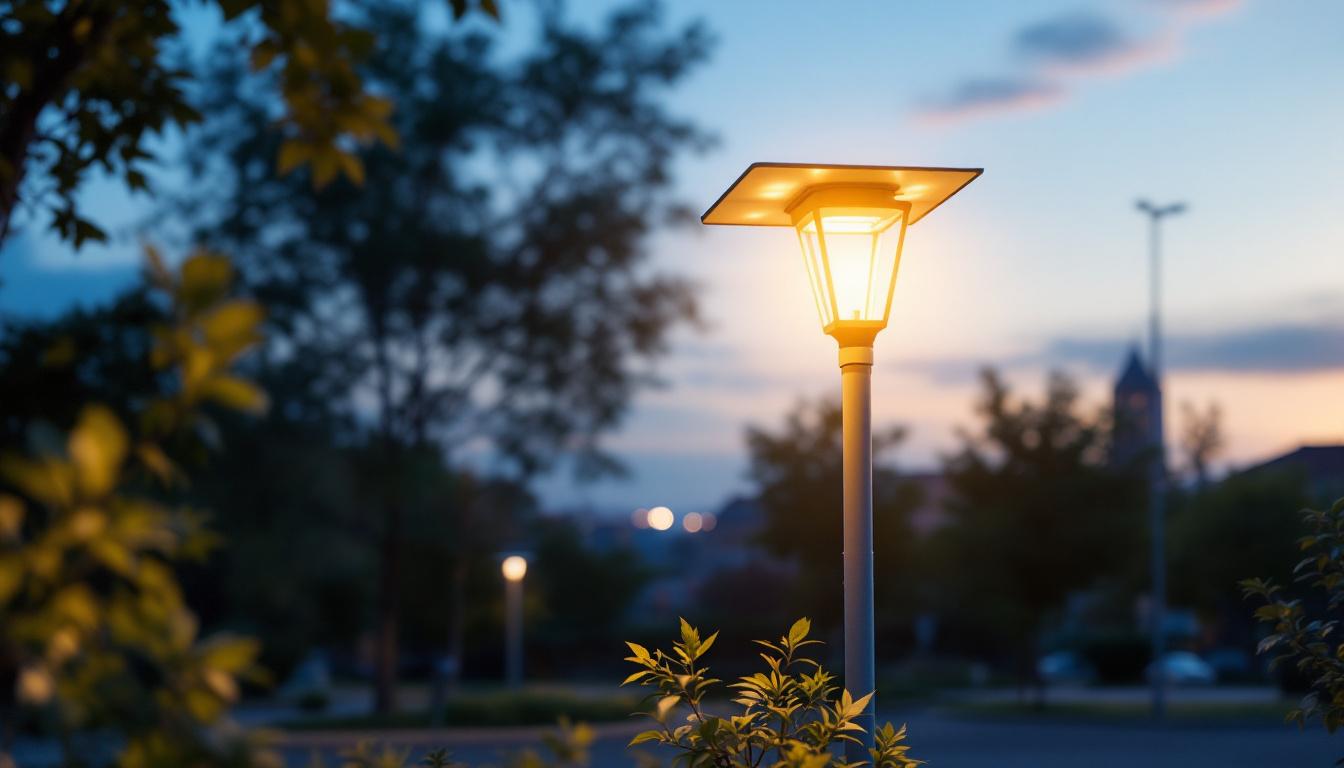
Canopy light poles are essential components in outdoor lighting systems, especially in commercial and industrial settings such as gas stations, parking lots, walkways, and building entrances. These poles support lighting fixtures that provide uniform illumination, enhancing safety, security, and visibility. For lighting contractors, optimizing canopy light poles is not just about aesthetics but also about maximizing energy efficiency, reducing maintenance costs, and ensuring compliance with lighting standards.
Efficiency in lighting is a multifaceted concept. It involves selecting the right pole height, fixture type, placement, and control systems to achieve the desired illumination with minimal energy consumption. Proper optimization leads to better light distribution, reduced glare, and longer fixture lifespan, all of which contribute to cost savings and environmental sustainability.
In addition to these practical considerations, the design of canopy light poles can also influence the overall ambiance of a space. For instance, the choice of materials and finishes can complement the architectural style of a building or the surrounding landscape, creating a cohesive look that enhances the user experience. Furthermore, advancements in LED technology have revolutionized the way we approach outdoor lighting. These energy-efficient fixtures not only consume less power but also offer a wide range of color temperatures, allowing for tailored lighting solutions that can enhance visibility while also setting the desired mood for different environments.
Moreover, the integration of smart lighting controls has become increasingly popular, enabling dynamic adjustments based on real-time conditions. Sensors can detect ambient light levels and pedestrian movement, allowing the lighting to adapt accordingly. This not only conserves energy by dimming lights during low-traffic periods but also ensures that areas remain well-lit when needed, thereby enhancing safety. As municipalities and businesses strive to meet sustainability goals, the role of canopy light poles in creating efficient, adaptable lighting systems is more critical than ever, paving the way for smarter, greener urban environments.
Key Factors to Consider When Optimizing Canopy Light Poles
Pole Height and Placement
The height of the canopy light pole directly influences the coverage area and intensity of light. Taller poles can cover larger areas but may cause light spillage and increased glare if not properly managed. Conversely, shorter poles provide more focused lighting but may require more fixtures to cover the same area, increasing costs.
Lighting contractors should evaluate the specific application and site layout to determine the optimal pole height. For example, gas station canopies typically use poles ranging from 10 to 20 feet, balancing adequate illumination and minimizing light pollution. Strategic placement of poles ensures uniform light distribution, reduces shadows, and avoids over-illumination of adjacent properties. Additionally, considerations such as the surrounding landscape, including trees or buildings, can impact the effectiveness of light coverage. Utilizing photometric analysis tools can help contractors visualize light distribution patterns and make informed decisions about pole height and placement.
Fixture Selection and Compatibility
Choosing the right fixture is critical for maximizing efficiency. LED fixtures have become the industry standard due to their superior energy savings, longer lifespan, and better light quality compared to traditional HID (High-Intensity Discharge) lamps. LEDs also offer instant-on capabilities and dimming options, which can further enhance efficiency.
Compatibility between the pole and the fixture is essential. Poles must support the weight and mounting requirements of the chosen fixtures. Additionally, the design should facilitate easy maintenance and replacement, reducing downtime and labor costs. Lighting contractors should also consider fixtures with adjustable angles to direct light precisely where needed, minimizing wasted light. Furthermore, integrating smart lighting technologies, such as motion sensors or timers, can optimize energy use and adapt lighting levels based on real-time conditions, ensuring that the lighting system operates efficiently throughout its lifespan.
Material and Durability of Poles
The material of the canopy light pole affects both its durability and maintenance requirements. Common materials include galvanized steel, aluminum, and fiberglass. Galvanized steel poles are robust and cost-effective but may be prone to corrosion in harsh environments. Aluminum poles offer corrosion resistance and are lighter, making installation easier. Fiberglass poles provide excellent resistance to weather and chemicals but can be more expensive.
Durability considerations are crucial for long-term efficiency. Poles that withstand environmental stress reduce the frequency of replacements and repairs, lowering lifecycle costs. Lighting contractors should assess site-specific conditions such as coastal proximity, industrial pollutants, and weather patterns when selecting pole materials. Additionally, the finish of the pole can play a significant role in its longevity; powder-coated finishes, for instance, can enhance corrosion resistance and maintain aesthetic appeal over time. Regular inspections and maintenance schedules are also recommended to ensure that any wear and tear is promptly addressed, prolonging the lifespan of the lighting infrastructure.
Implementing Advanced Technologies for Enhanced Efficiency
Smart Lighting Controls
Integrating smart lighting controls with canopy light poles can significantly improve energy efficiency. Technologies such as motion sensors, daylight harvesting, and programmable timers allow lights to operate only when needed, reducing unnecessary energy consumption.
For instance, motion sensors can dim or turn off lights during periods of inactivity, while daylight sensors adjust brightness based on ambient light levels. These controls not only save energy but also extend the lifespan of fixtures by reducing operational hours. Lighting contractors should ensure that control systems are compatible with the fixtures and poles installed, and that they are programmed according to the specific usage patterns of the site.
LED Drivers and Power Management
Efficient LED drivers are vital for optimizing the performance of LED fixtures mounted on canopy poles. High-quality drivers regulate power supply, ensuring consistent light output and protecting against voltage fluctuations. Advanced drivers also support dimming and communication protocols for integration with building management systems.
Power management reduces energy waste and enhances system reliability. Lighting contractors should specify drivers that meet industry standards and are designed for the environmental conditions of the installation site. Proper wiring and surge protection further safeguard the system, minimizing maintenance interventions.
Design Best Practices for Canopy Light Pole Installations
Uniform Light Distribution
Achieving uniform light distribution is a primary goal in canopy lighting design. Uneven lighting can create dark spots and glare, compromising safety and visual comfort. Using photometric analysis tools, lighting contractors can model the light distribution patterns before installation to optimize pole placement and fixture orientation.
Fixtures with asymmetric optics are often preferred for canopy lighting as they direct light downward and outward, reducing light trespass and enhancing coverage. Combining these optics with adjustable mounting brackets allows fine-tuning on-site to meet specific illumination requirements.
Minimizing Light Pollution
Light pollution not only wastes energy but also negatively impacts the environment and community. Shielded fixtures and properly angled poles help contain light within the intended area, preventing upward and horizontal spillage. This is particularly important in urban or residential areas adjacent to commercial sites.
Lighting contractors should adhere to local regulations and guidelines such as the Illuminating Engineering Society (IES) standards for light trespass. Employing cutoff fixtures and ensuring the correct pole height and spacing are practical measures to reduce light pollution while maintaining adequate illumination.
Maintenance Accessibility and Safety
Efficient maintenance practices contribute to the overall performance and longevity of canopy light pole systems. Designing poles with accessible mounting heights, hinged or slip-fit fixtures, and quick-disconnect wiring simplifies routine inspections and repairs. This reduces downtime and labor costs, ensuring that lighting remains effective over time.
Safety is paramount during installation and maintenance. Poles should be installed on stable foundations with proper grounding to prevent electrical hazards. Lighting contractors must follow industry safety standards and use appropriate personal protective equipment (PPE) when working at heights or with electrical components.
Case Studies and Industry Insights
Energy Savings through LED Retrofit Projects
Several commercial facilities have reported energy savings exceeding 50% after retrofitting traditional canopy lighting with LED fixtures mounted on optimized poles. For example, a large retail chain replaced HID fixtures with LED modules on poles adjusted to ideal heights and spacing, resulting in improved light quality and significant reductions in electricity bills.
These projects highlight the importance of a holistic approach—combining fixture selection, pole optimization, and smart controls—to maximize efficiency. Lighting contractors involved in retrofit projects should conduct thorough site assessments and photometric analyses to tailor solutions that meet client goals.
Smart Lighting Integration in Urban Environments
Urban municipalities have increasingly adopted smart canopy lighting systems to enhance public safety and reduce operational costs. By integrating sensors and remote monitoring capabilities with canopy poles, cities can dynamically adjust lighting levels based on pedestrian and vehicular traffic.
This approach not only conserves energy but also provides data for maintenance scheduling and system performance evaluation. Lighting contractors working on municipal projects should prioritize interoperability and scalability in their designs to accommodate future technological advancements.
Conclusion: Maximizing Efficiency for Long-Term Benefits
Optimizing canopy light poles for maximum efficiency requires a comprehensive understanding of site-specific needs, fixture technology, and advanced control systems. By carefully selecting pole height, materials, and compatible fixtures, lighting contractors can deliver solutions that enhance illumination quality while minimizing energy consumption and maintenance costs.
Incorporating smart controls and adhering to design best practices further amplifies these benefits, contributing to sustainable lighting infrastructure. As the lighting industry continues to evolve, staying informed about emerging technologies and standards will empower contractors to provide cutting-edge, efficient canopy lighting solutions that meet the demands of modern commercial and industrial environments.
Illuminate Your Projects with LumenWholesale
Ready to elevate your lighting projects with the efficiency and sustainability discussed in this article? Look no further than LumenWholesale for all your canopy light pole needs. Our commitment to providing contractors with superior, spec-grade lighting products at wholesale prices ensures you don’t just meet industry standards—you exceed them. With our direct-to-contractor approach, free shipping, and no hidden fees, you can trust that you’re getting the best value for your investment. Make the smart choice for your next project and experience the unbeatable combination of quality, affordability, and convenience. Visit LumenWholesale today for Wholesale Lighting at the Best Value.