Why Solar Lights on Garden Fences Are More Than Just Decorative
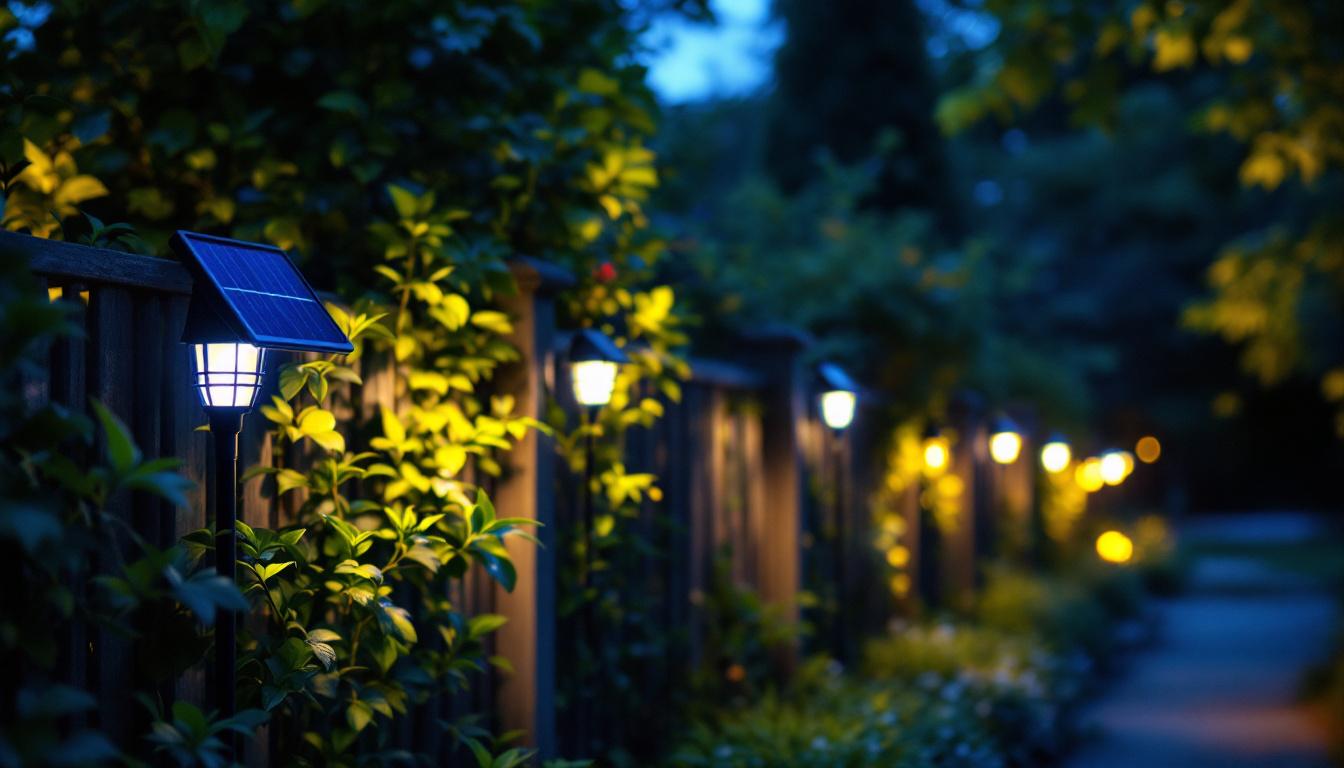
Garden fences have traditionally served as boundaries or privacy screens, but adding solar lights transforms them into functional, energy-saving features. For lighting contractors, this shift represents an opportunity to blend aesthetics with sustainability. Solar garden fence lights are not just about beautifying outdoor spaces; they contribute significantly to reducing energy consumption and lowering operational costs.
Unlike conventional outdoor lighting that relies on grid electricity, solar lights harness sunlight during the day and convert it into usable energy at night. This independence from the electrical grid means no wiring hassles, lower installation costs, and a reduced carbon footprint. For contractors, this translates into a selling point that appeals to environmentally conscious clients and those looking to cut down on utility bills.
Moreover, solar lights come in a variety of styles and designs, allowing homeowners to personalize their outdoor spaces while enhancing safety and visibility. From sleek modern fixtures to charming vintage lanterns, the options are virtually limitless. This versatility means that solar lights can complement any garden aesthetic, whether it’s a minimalist urban garden or a lush, sprawling landscape. Additionally, many of these lights are equipped with motion sensors or dimming features, providing not only illumination but also an added layer of security, deterring unwanted visitors and ensuring that pathways are well-lit during evening gatherings.
Another compelling aspect of solar lights is their low maintenance requirements. With no wires to check or bulbs to replace frequently, homeowners can enjoy peace of mind knowing that their lighting solution is both hassle-free and reliable. Many solar lights are designed to withstand various weather conditions, ensuring durability and longevity. This resilience makes them an ideal choice for outdoor settings, where exposure to the elements can often lead to the deterioration of traditional lighting fixtures. As a result, homeowners can invest in solar lights with confidence, knowing they are making a wise choice for both their gardens and the environment.
How Solar Garden Fence Lights Work and Their Energy Benefits
Basic Mechanism of Solar Fence Lights
Solar garden fence lights consist of photovoltaic panels, rechargeable batteries, LED bulbs, and light sensors. During daylight hours, the photovoltaic panels absorb sunlight and convert it into electrical energy stored in the batteries. When darkness falls, the light sensors trigger the LEDs to illuminate using the stored energy.
This self-contained system eliminates the need for external power sources. The use of LEDs further enhances energy efficiency since LEDs consume significantly less power compared to incandescent or halogen bulbs while providing bright, consistent illumination. Additionally, many solar garden fence lights are designed with adjustable brightness settings, allowing users to customize the light output based on their specific needs. This feature not only maximizes energy savings but also extends the lifespan of the lights, as lower brightness settings reduce the overall power draw.
Energy Efficiency Compared to Traditional Lighting
Traditional outdoor lighting often demands continuous power supply, leading to higher energy bills and increased carbon emissions. Solar fence lights, by contrast, operate entirely on renewable energy. This shift can reduce energy consumption for outdoor lighting by up to 80%, depending on the installation scale and usage patterns.
For lighting contractors, understanding these efficiency metrics is crucial. It allows them to advise clients accurately on potential energy savings and environmental impact, making solar garden fence lights a compelling alternative to conventional lighting solutions. Furthermore, the installation of solar lights can contribute to energy independence for homeowners, as they are less reliant on grid electricity. This independence not only translates to cost savings but also enhances the resilience of the home during power outages, as these lights continue to function without external power. Additionally, many modern solar lights come equipped with smart technology, enabling features like motion detection and remote control via smartphone apps, further enhancing their practicality and appeal in today’s tech-savvy market.
Installation Considerations That Affect Energy Efficiency
Optimal Placement for Maximum Sun Exposure
The efficiency of solar garden fence lights depends heavily on their exposure to sunlight. Panels must be installed in locations free from shade caused by trees, buildings, or other structures. Even partial shading can drastically reduce the amount of energy harvested, leading to dimmer lights or shorter illumination times.
Contractors should conduct a thorough site assessment before installation. Using tools like solar pathfinders or smartphone apps can help identify the best spots on the fence to mount the lights, ensuring maximum solar gain throughout the day.
Battery Capacity and Quality
The rechargeable battery is the heart of any solar lighting system. High-quality batteries with sufficient capacity ensure longer illumination periods and better performance during cloudy days or winter months. Lithium-ion batteries, for example, offer longer lifespans and higher energy densities compared to older nickel-cadmium types.
Choosing the right battery and ensuring proper maintenance can significantly impact the overall energy efficiency and longevity of the solar garden fence lights.
LED Technology and Light Output
LEDs are the preferred light source for solar garden fence lights due to their low power consumption and high brightness. However, not all LEDs are created equal. Selecting LEDs with the right color temperature and lumen output is essential to balance energy use and desired lighting effect.
Contractors should consider the client’s needs-whether ambiance lighting or security illumination-to recommend the most appropriate LED specifications. Efficient LEDs can deliver bright light with minimal energy draw, maximizing the benefits of solar power.
Real-World Impact: Case Studies and Client Benefits
Residential Installations
One homeowner replaced traditional wired fence lighting with solar garden lights across a 100-foot perimeter. The result was a 75% reduction in outdoor lighting energy consumption. Over time, the savings on electricity bills offset the initial investment in solar fixtures, making it a cost-effective upgrade.
Additionally, the ease of installation without trenching or wiring minimized disruption to the landscape, a factor that many clients appreciate. The homeowner also reported improved curb appeal, which can be a valuable asset for property value.
Commercial and Public Spaces
In a community park, solar garden fence lights were installed along walking paths and perimeter fences. The municipality noted a significant decrease in energy costs related to outdoor lighting. Maintenance was simplified since the lights operated autonomously and did not require frequent bulb replacements.
From a contractor’s perspective, such projects demonstrate how solar lighting can meet both functional and budgetary requirements for large-scale outdoor environments, making it an attractive option for public sector clients.
Challenges and Solutions in Solar Garden Fence Lighting
Weather and Seasonal Variations
Solar lights depend on sunlight, so weather conditions and shorter daylight hours in certain seasons can affect performance. Overcast days and winter months reduce solar charging, potentially leading to dimmer lights or shorter operation times.
To mitigate this, contractors can recommend systems with larger battery capacities or hybrid models that incorporate supplemental power sources. Educating clients about these limitations upfront helps set realistic expectations and enhances satisfaction.
Durability and Maintenance
Outdoor lighting fixtures face exposure to rain, wind, dust, and temperature fluctuations. Solar garden fence lights must be designed with weather-resistant materials and sealed components to prevent damage.
Routine maintenance, such as cleaning solar panels to remove dirt and debris, ensures optimal energy absorption. Contractors can offer maintenance packages or guidance to clients, extending the lifespan and efficiency of the installations.
Initial Cost and Return on Investment
While solar garden fence lights typically have higher upfront costs compared to conventional lighting, the long-term savings in energy bills and reduced maintenance often justify the investment. Calculating the payback period based on local electricity rates and usage patterns can help clients understand the financial benefits.
Contractors who provide detailed cost-benefit analyses can build trust and encourage adoption of solar lighting solutions.
Future Trends in Solar Garden Fence Lighting and Energy Efficiency
Advancements in Solar Technology
Ongoing improvements in photovoltaic materials and battery technology promise higher efficiency and longer lifespans. Emerging innovations like perovskite solar cells and solid-state batteries could revolutionize solar garden lighting by making it more affordable and reliable.
Lighting contractors who stay informed about these developments can offer cutting-edge solutions that enhance energy savings and client satisfaction.
Integration with Smart Home Systems
Smart solar garden fence lights that connect to home automation systems allow for remote control, scheduling, and energy monitoring. These features enable users to optimize lighting usage, further improving energy efficiency.
Contractors can differentiate their services by incorporating smart technology, appealing to tech-savvy clients who value convenience and sustainability.
Design Innovations
Design trends are moving toward modular, customizable solar lighting systems that blend seamlessly with various fence styles and landscaping themes. This flexibility allows contractors to tailor solutions to diverse client preferences without compromising energy efficiency.
By combining form and function, solar garden fence lights will continue to gain popularity as both practical and decorative elements in outdoor spaces.
Conclusion: The Contractor’s Role in Promoting Energy-Efficient Solar Garden Fence Lighting
Solar garden fence lights represent a smart, sustainable choice for outdoor illumination. For lighting contractors, embracing this technology means offering clients a product that reduces energy consumption, lowers costs, and enhances outdoor aesthetics.
Success lies in understanding the technical aspects, installation best practices, and client education. By addressing challenges proactively and leveraging new technologies, contractors can position themselves as leaders in energy-efficient outdoor lighting solutions.
Ultimately, solar garden fence lighting is more than a trend-it’s a practical step toward greener, more efficient outdoor environments that benefit both clients and the planet.
Illuminate Your Projects with LumenWholesale
Ready to elevate your lighting projects with energy-efficient solar garden fence lights? At LumenWholesale, we provide lighting contractors with the highest quality, spec-grade lighting products at unbeatable wholesale prices. Say goodbye to local distributor markups and hello to a vast selection of reliable, high-performance lighting that meets the strictest industry standards. Plus, with free shipping on bulk orders, you can enjoy premium lighting solutions at the best value — all without hidden fees or compromises. Don’t miss out on the perfect blend of quality, affordability, and convenience. Make the smart choice for your clients and the planet with LumenWholesale. Wholesale Lighting at the Best Value.