Understanding the Importance of Front Door Ceiling Lighting
The front door is more than just an entry point; it’s the first impression of any home or business. The ceiling light installed here plays a critical role in safety, aesthetics, and functionality. For lighting contractors, recognizing the unique demands of front door ceiling lighting is essential to delivering quality work that satisfies clients and complies with safety standards.
Lighting at the front door serves multiple purposes: it illuminates the entryway for safe access, deters potential intruders, and enhances curb appeal. Poorly chosen or installed lighting can undermine these goals, leading to client dissatisfaction or even safety hazards.
Safety and Security Considerations
Lighting contractors must prioritize safety when selecting and installing front door ceiling lights. Proper illumination reduces the risk of trips and falls on steps or uneven surfaces. It also discourages criminal activity by eliminating dark hiding spots. Bright, well-placed lighting signals an occupied and well-maintained property.
Choosing fixtures with appropriate brightness and beam spread is critical. Too dim, and the area remains unsafe; too bright, and it can cause glare or light pollution, which may annoy neighbors or obscure vision. Using energy-efficient bulbs with long lifespans, such as LED, ensures consistent performance and reduces maintenance.
Moreover, incorporating motion sensors or timers can significantly enhance safety and security. Motion-activated lights can provide illumination only when needed, conserving energy while ensuring that the entryway is well-lit when someone approaches. This feature not only adds an extra layer of security but also offers convenience for homeowners who may have their hands full when arriving home.
Aesthetic Impact and Client Expectations
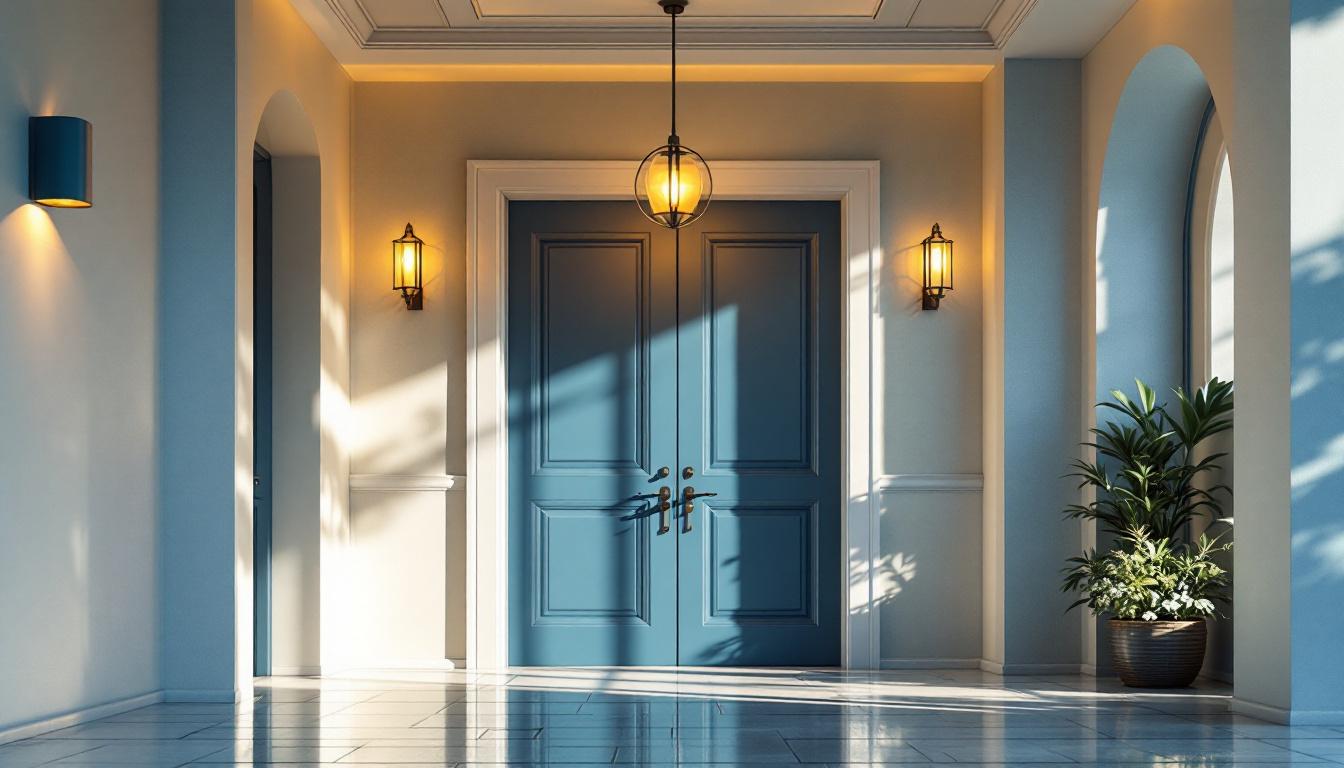
Beyond safety, front door ceiling lights contribute to the overall look of the entrance. A stylish fixture can complement architectural features and enhance the home’s character. Lighting contractors should be prepared to advise clients on fixture styles, finishes, and sizes that align with the property’s design.
Clients often seek lighting that balances function with beauty. Offering options with adjustable brightness or color temperature can help meet diverse preferences. For instance, warmer tones create a welcoming atmosphere, while cooler tones provide crisp, modern appeal.
Furthermore, the choice of materials and design can reflect personal style and enhance the overall aesthetic of the home. For example, a vintage lantern-style fixture might evoke a sense of charm and nostalgia, while sleek, minimalist designs cater to contemporary tastes. Contractors can also suggest complementary outdoor lighting solutions, such as path lights or wall sconces, to create a cohesive look that highlights the front door while ensuring the entire entryway is inviting and stylish.
Choosing the Right Fixture for Front Door Ceilings
Selecting a suitable fixture is a nuanced task. Lighting contractors need to consider environmental factors, electrical requirements, and client preferences to recommend the best solution.
Fixture Types and Their Applications
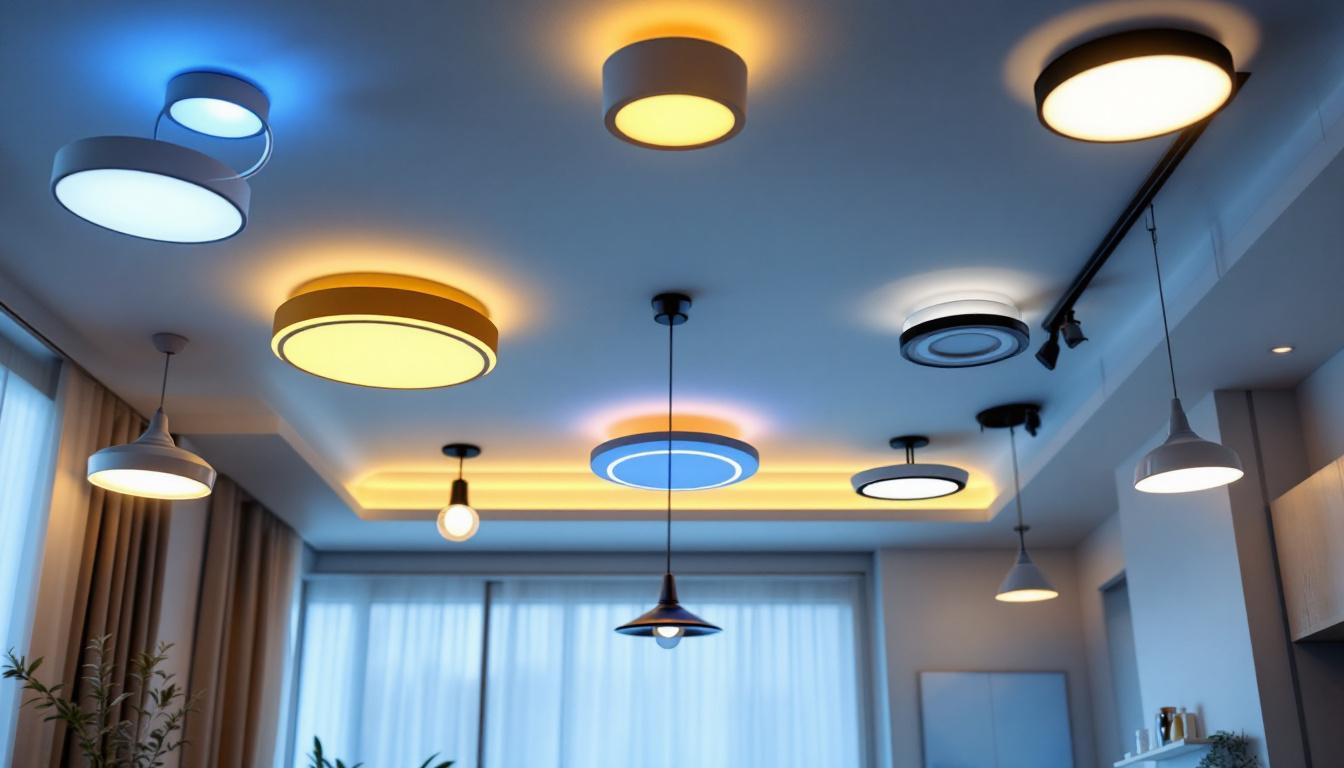
Common front door ceiling light fixtures include flush mounts, semi-flush mounts, and recessed lights. Each type has distinct advantages:
- Flush Mounts: These fixtures sit directly against the ceiling, offering a clean look ideal for lower ceilings or covered porches.
- Semi-Flush Mounts: Hanging slightly below the ceiling, they add dimension and can accommodate larger bulbs or decorative elements.
- Recessed Lights: Installed within the ceiling cavity, they provide subtle, focused illumination without protruding fixtures.
Contractors should evaluate ceiling height, porch coverage, and architectural style when recommending fixture types. Additionally, the choice of fixture can significantly influence the overall aesthetic of the entryway. For instance, a rustic farmhouse may benefit from a vintage-style semi-flush mount, while a modern home could look stunning with sleek, minimalist recessed lighting. The interplay between the fixture style and the home’s architecture is essential for creating a cohesive look that enhances curb appeal.
Material and Finish Considerations
Durability is paramount for front door ceiling lights, as they face exposure to weather elements such as rain, humidity, and temperature fluctuations. Fixtures made from corrosion-resistant materials like aluminum, stainless steel, or specially treated plastics offer longevity.
Finishes should also resist fading and peeling. Powder-coated finishes or anodized metals are popular choices. Additionally, contractors should verify the fixture’s IP (Ingress Protection) rating to ensure it’s suitable for outdoor use—typically IP44 or higher is recommended for front porch applications. Beyond functionality, the choice of materials can also reflect personal style; for example, a brass finish can evoke a sense of timeless elegance, while matte black can lend a contemporary edge to the entryway.
Lighting Technology and Energy Efficiency
LED technology dominates the market due to its energy efficiency, long lifespan, and versatility. Lighting contractors should prioritize LED-compatible fixtures and bulbs. Many modern fixtures come with integrated LEDs, simplifying installation and maintenance.
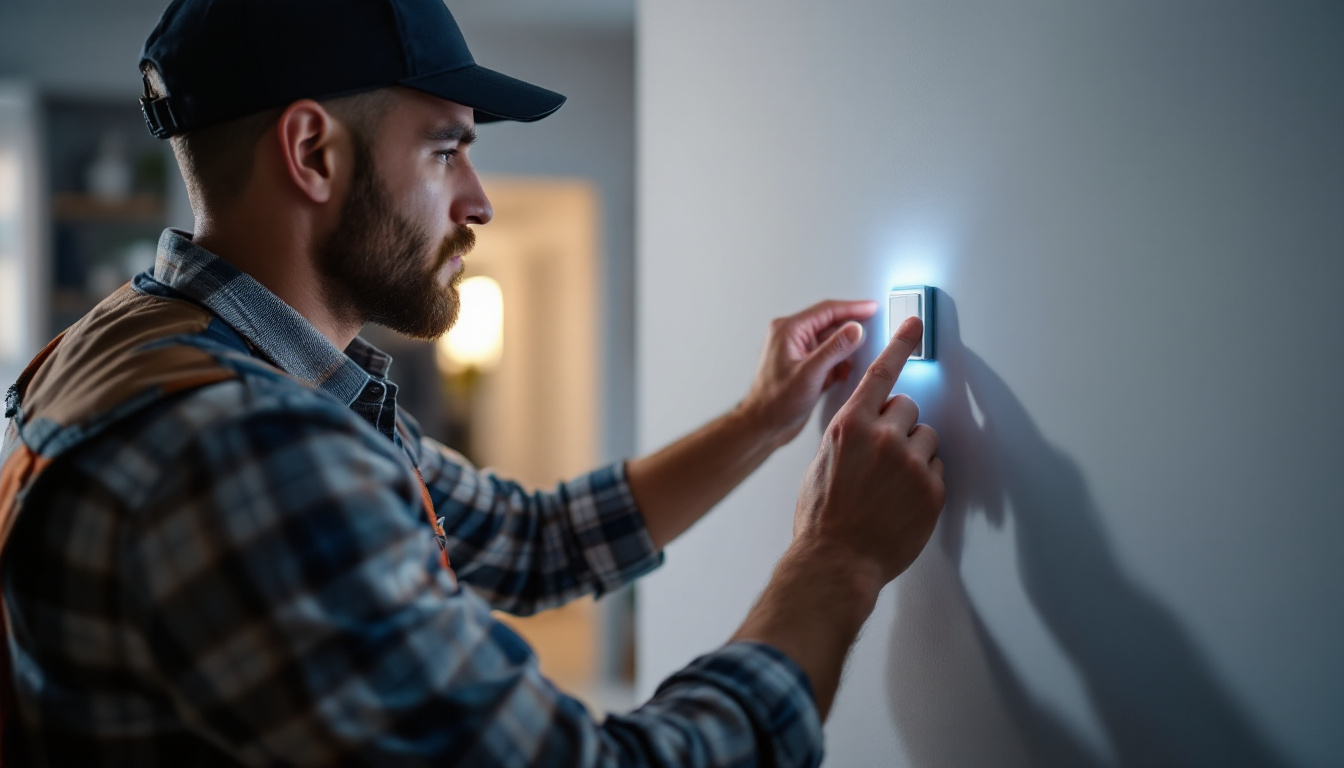
Consider offering clients smart lighting options that allow remote control, dimming, or scheduling. These features enhance convenience and can contribute to energy savings by ensuring lights are on only when needed. Furthermore, integrating motion sensors can provide added security and efficiency, automatically illuminating the entrance when someone approaches. This not only enhances safety but also adds a layer of sophistication to the home’s exterior, making it more inviting for guests while deterring potential intruders.
Installation Best Practices for Front Door Ceiling Lights
Proper installation is crucial for performance, safety, and client satisfaction. Lighting contractors must follow established guidelines and adapt to site-specific conditions.
Assessing the Installation Site
Before installation, conduct a thorough site assessment. Check the ceiling structure for adequate support, electrical wiring condition, and weather exposure. Confirm that the electrical box is rated for the fixture’s weight and outdoor use if applicable.
Measure ceiling height and porch dimensions to determine optimal fixture placement. The goal is to achieve even illumination without shadows or glare. Additionally, consider the surrounding landscape and architectural features that may influence light distribution. For example, nearby trees or overhangs can create unintended shadows, while reflective surfaces may enhance brightness. It’s beneficial to visualize how the light will interact with these elements during various times of the day to ensure a harmonious lighting effect.
Wiring and Electrical Safety
Ensure all wiring complies with local electrical codes and standards. Use weatherproof connectors and boxes designed for outdoor environments. Grounding the fixture properly is essential to prevent electrical hazards.
When replacing an existing fixture, verify that the new light’s electrical requirements match the circuit capacity. If upgrading to LED, confirm compatibility with existing dimmer switches or recommend replacements if necessary. Furthermore, consider the energy efficiency of the new installation. Selecting fixtures with higher lumens per watt can significantly reduce energy consumption while providing adequate lighting. This not only benefits the environment but also lowers utility costs for clients over time.
Mounting and Sealing Techniques
Secure mounting prevents fixture movement and potential damage. Use appropriate anchors or screws based on ceiling material-wood, concrete, or metal. For fixtures exposed to rain or moisture, apply silicone sealant around mounting points to prevent water ingress.
Check that the fixture’s housing and lens are sealed tightly to protect internal components from dust and insects. Additionally, consider the use of gaskets or rubber washers to enhance the seal further, especially in areas prone to extreme weather conditions. Regular maintenance checks should also be scheduled to ensure that the seals remain intact and that the fixture continues to operate efficiently. This proactive approach not only prolongs the lifespan of the lighting fixture but also maintains the aesthetic appeal of the entryway, ensuring that it remains inviting and well-lit throughout the seasons.
Common Challenges and How to Overcome Them
Lighting contractors often encounter specific challenges when working with front door ceiling lights. Addressing these proactively ensures smoother projects and happier clients.
Dealing with Low or Uneven Ceilings
Low ceilings can limit fixture options and create cramped spaces. Semi-flush or flush mount fixtures with slim profiles are ideal in these situations. For uneven ceilings, adjustable fixtures or custom mounting brackets can help achieve a level installation.
Managing Light Glare and Spill
Excessive glare can be uncomfortable and reduce visibility. Use fixtures with diffusers or frosted lenses to soften light output. Directional lighting or shields can control spill, focusing illumination where it’s needed most.
Ensuring Longevity in Harsh Environments
In coastal or high-humidity areas, corrosion can degrade fixtures rapidly. Recommend materials and finishes specifically rated for these conditions. Regular maintenance advice, such as cleaning and inspecting seals, helps clients extend fixture life.
Enhancing Client Value with Expert Recommendations
Lighting contractors can differentiate themselves by offering expert guidance that goes beyond installation. Educating clients on the benefits of proper front door ceiling lighting builds trust and encourages repeat business.
Customizing Lighting Solutions
Every property is unique. Tailor lighting solutions to the client’s lifestyle and architectural style. For example, motion-activated lights add security and convenience, while dimmable fixtures allow ambiance control.
Discuss color temperature preferences and explain how different hues affect mood and appearance. Providing samples or demonstrations can help clients make informed decisions.
Maintenance and Troubleshooting Advice
Advise clients on routine maintenance tasks such as cleaning lenses, checking seals, and replacing bulbs. Offer troubleshooting tips for common issues like flickering or dimming lights.
Providing a maintenance schedule or service plan can add value and ensure the lighting system performs optimally over time.
Staying Updated on Industry Trends
Lighting technology and design trends evolve rapidly. Contractors who stay informed about new products, smart lighting integration, and energy regulations can offer cutting-edge solutions.
Participate in industry training and certification programs to enhance expertise and credibility.
Conclusion
Front door ceiling lighting is a critical component of any entryway, combining safety, security, and style. Lighting contractors who understand the technical requirements, environmental challenges, and client expectations can deliver superior results that stand the test of time.
From selecting the right fixture to executing flawless installation and offering ongoing support, every step matters. Mastering these elements not only improves client satisfaction but also elevates a contractor’s reputation in a competitive market.
Illuminate Your Projects with LumenWholesale
Ready to elevate your lighting projects with the finest selection of front door ceiling lights? Look no further than LumenWholesale, where we offer an extensive range of high-quality, spec-grade lighting products at unbeatable wholesale prices. Say goodbye to middleman markups and hello to superior lighting solutions that meet the highest industry standards. With free shipping on bulk orders, you can trust that you’re getting the best value without any hidden fees. Make your next project shine with reliability and style. Visit LumenWholesale today for Wholesale Lighting at the Best Value.