Understanding Floor Pot Lights: What Makes Them Unique?
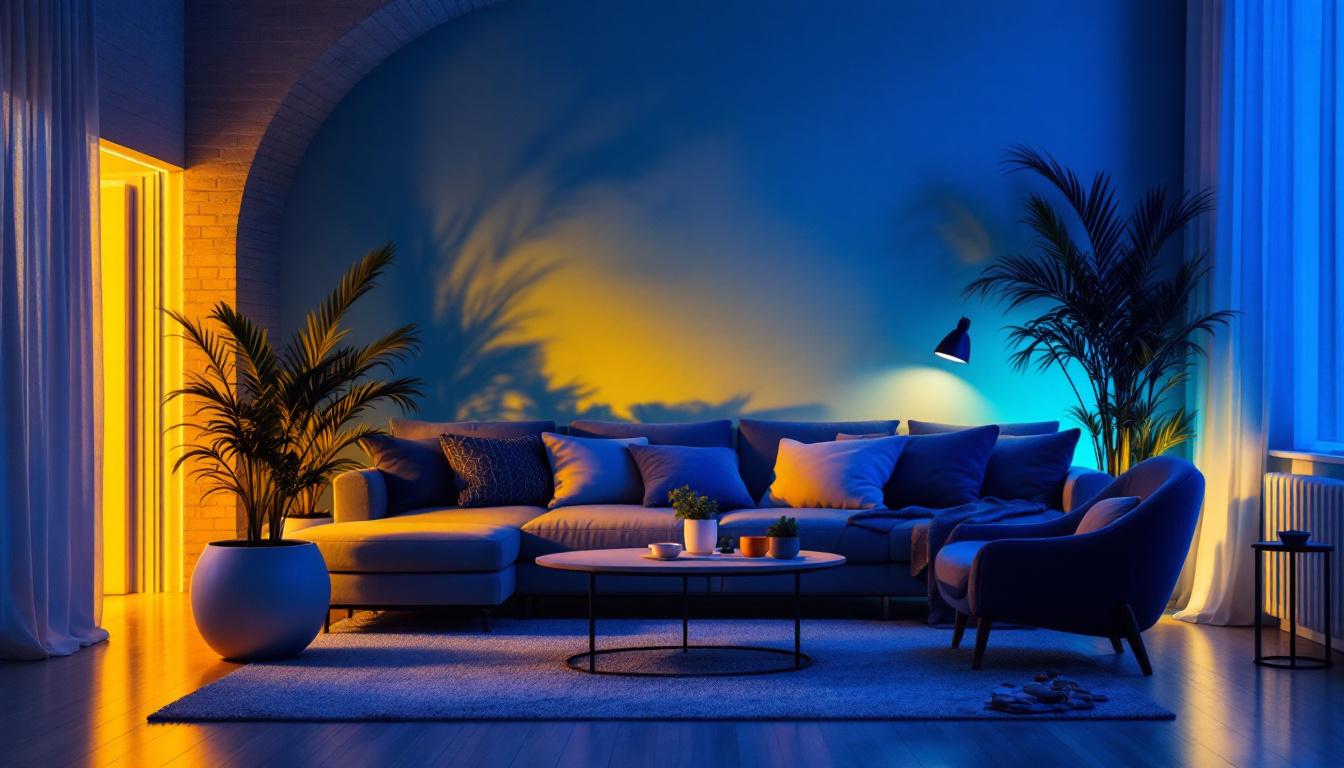
Floor pot lights are a subtle yet powerful way to enhance both indoor and outdoor spaces. Unlike traditional fixtures, these recessed lights are installed flush with the floor, creating a sleek, modern look that blends seamlessly into the environment. For lighting contractors, mastering the nuances of floor pot lights can be a game-changer, offering clients a sophisticated lighting solution that’s both functional and aesthetically pleasing.
These fixtures are designed to withstand foot traffic and environmental factors, making them ideal for pathways, patios, decks, and even commercial spaces. Their low-profile design minimizes tripping hazards and keeps the focus on the illuminated area rather than the fixture itself. This makes floor pot lights a popular choice for highlighting architectural features, landscaping elements, or simply providing safe, ambient lighting along walkways.
Moreover, the versatility of floor pot lights extends beyond mere functionality; they can be customized to fit various design aesthetics. Available in a range of sizes, shapes, and finishes, these lights can complement both contemporary and traditional decor. For instance, a sleek stainless steel finish might enhance a modern outdoor lounge, while a more rustic bronze option could suit a cozy garden setting. Additionally, many floor pot lights are now equipped with LED technology, which not only offers energy efficiency but also allows for adjustable brightness and color temperature, giving homeowners the ability to tailor their lighting to suit different moods and occasions.
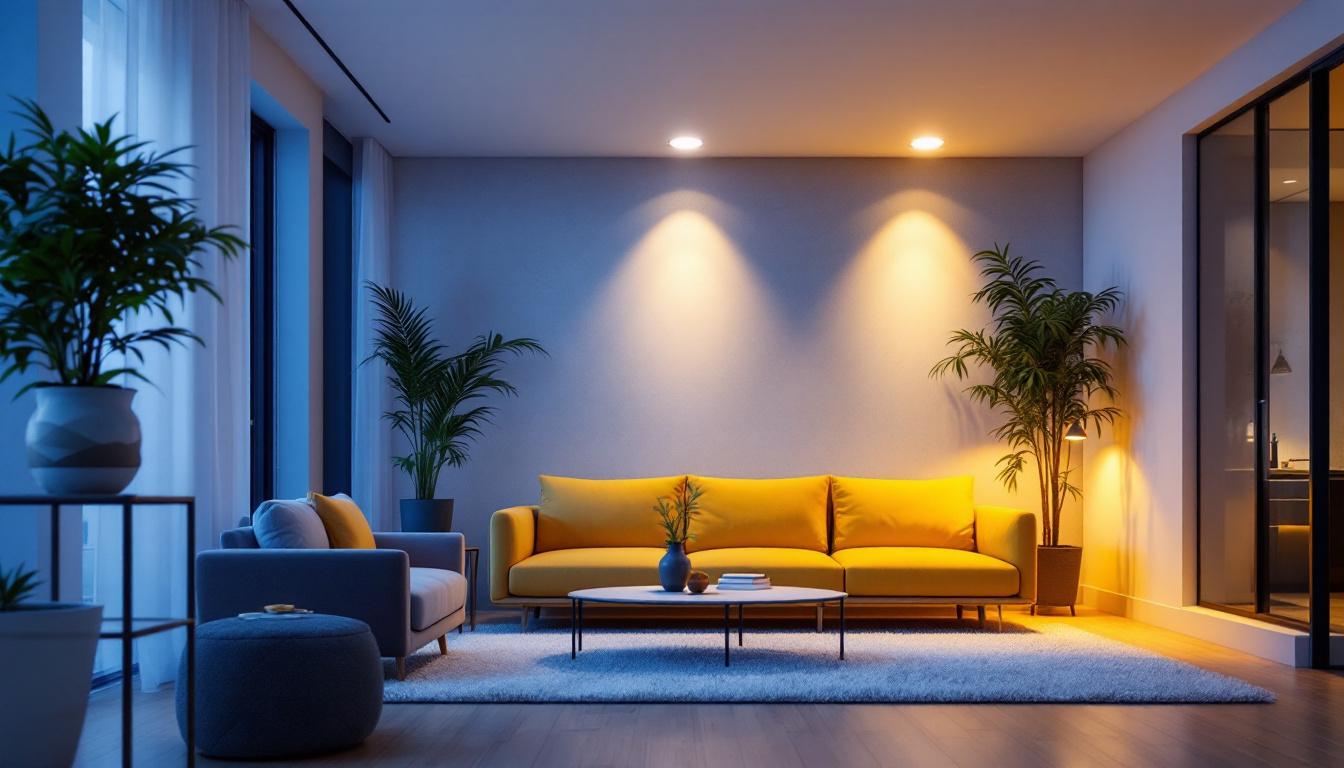
In commercial settings, the strategic placement of floor pot lights can significantly impact the ambiance of a space. Retail stores often utilize these fixtures to draw attention to merchandise displays or create an inviting atmosphere that encourages customers to linger. Similarly, restaurants can benefit from floor pot lights by using them to delineate dining areas or highlight outdoor seating, enhancing the overall dining experience. With the right installation and design choices, floor pot lights can transform any space into a visually stunning environment that captivates and engages visitors.
Choosing the Right Floor Pot Lights for the Job
Material and Durability Considerations
One of the first decisions contractors face is selecting floor pot lights that can endure the specific conditions of the installation site. For outdoor applications, lights must be rated for wet locations and constructed from corrosion-resistant materials like stainless steel or aluminum. Indoor installations, especially in high-traffic commercial areas, require robust housings that can handle repeated impact and wear.
IP ratings are crucial here. A minimum of IP67 is recommended for outdoor floor pot lights to ensure protection against dust and temporary immersion in water. For indoor use, IP65 might suffice, but it’s always better to err on the side of caution, especially in environments prone to spills or cleaning processes involving water. Furthermore, the choice of lens material can also affect durability; polycarbonate lenses, for example, are more impact-resistant than glass, making them ideal for areas where accidental bumps are likely.
Another consideration is the installation environment. For instance, in coastal areas, lights may be exposed to saltwater, which can accelerate corrosion. In such cases, opting for marine-grade materials or additional protective coatings can extend the lifespan of the fixtures. Additionally, understanding the local climate can influence the choice of lighting; extreme temperatures may necessitate specific thermal management features to prevent overheating or damage.
Light Source and Color Temperature
LED technology dominates the floor pot light market due to its energy efficiency, longevity, and versatility. When selecting LEDs, consider the color temperature carefully. Warm white (2700K-3000K) creates a cozy, inviting atmosphere, ideal for residential patios or hospitality venues. Neutral white (3500K-4000K) offers a balanced look, suitable for commercial or mixed-use spaces. Cool white (5000K and above) is less common in floor pot lights but can be used for highlighting specific features or in modern, minimalist designs.
Additionally, color rendering index (CRI) is a key factor. A CRI of 80 or higher ensures colors appear natural under the light, which is especially important for retail or gallery spaces where accurate color representation matters. Beyond CRI, the lumen output of the lights should also be considered; higher lumen ratings provide brighter illumination, which can enhance safety and visibility in outdoor pathways or commercial settings. Moreover, dimmable options can offer flexibility, allowing users to adjust the brightness according to the time of day or specific events, creating a dynamic lighting environment that can adapt to various needs.
Installation Best Practices: Avoiding Common Pitfalls
Site Preparation and Placement
Proper site preparation is vital for a successful floor pot light installation. Contractors should ensure the mounting surface is level and structurally sound. Uneven surfaces can cause the fixture to sit improperly, leading to water pooling or damage over time. Additionally, it’s essential to clear the area of any debris, rocks, or vegetation that could interfere with the installation process. This not only ensures a clean working environment but also helps in achieving a more polished final look.
Placement strategy should focus on both function and aesthetics. For pathway lighting, spacing lights approximately 6 to 8 feet apart provides consistent illumination without over-lighting. When highlighting architectural features or landscaping, position lights to create dramatic shadows and depth, enhancing the visual impact. Consider the surrounding environment as well; for instance, if there are trees or nearby structures, their shadows can affect how the light is perceived. Testing different angles and distances before finalizing the placement can lead to a more effective lighting design that enhances the overall ambiance.
Wiring and Electrical Safety
Floor pot lights often require low-voltage wiring, which reduces the risk of electrical hazards and simplifies installation. However, contractors must adhere strictly to local electrical codes and standards. Using waterproof connectors and conduits designed for underground or wet location use is non-negotiable to prevent shorts and corrosion. It’s also beneficial to consider the length of the wiring runs; longer distances may require thicker gauge wire to maintain voltage levels and ensure optimal performance.
Another tip: always plan for future maintenance. Installing junction boxes or access points near the fixtures can save significant time and effort if repairs or upgrades become necessary. It’s also wise to label circuits clearly in the electrical panel to avoid confusion down the line. Furthermore, consider using dimmers or smart lighting controls that allow for flexibility in brightness and scheduling. This not only enhances energy efficiency but also provides the ability to adjust the ambiance based on different occasions or seasonal changes, making your outdoor space more versatile and enjoyable.
Maintenance and Longevity: Keeping Floor Pot Lights Performing
Routine Cleaning and Inspection
Floor pot lights, especially outdoor ones, accumulate dirt, debris, and sometimes algae or moss. Regular cleaning with a soft cloth and mild detergent keeps lenses clear and light output optimal. Avoid abrasive materials that can scratch the lens or housing.
Inspect seals and gaskets during maintenance checks to ensure they remain intact. Compromised seals are a common cause of fixture failure due to water ingress. Replacing worn seals promptly can extend the life of the fixture significantly.
Replacing Components and Upgrades
LED modules in floor pot lights typically have long lifespans, but when replacement is necessary, using the same brand or compatible components ensures consistent performance. Some modern fixtures offer modular designs, allowing for easier upgrades or swaps without removing the entire fixture.
Consider upgrading to smart lighting controls where appropriate. Dimmable drivers, motion sensors, and integration with home automation systems can add value for clients and improve energy efficiency.
Design Tips: Maximizing Impact with Floor Pot Lights
Layering Light for Depth and Dimension
Floor pot lights work best when integrated into a layered lighting scheme. Combine them with wall sconces, overhead fixtures, and landscape lighting to create a balanced and dynamic environment. This approach prevents harsh shadows and highlights key areas effectively.
For example, in a garden setting, use floor pot lights to illuminate tree trunks or sculptures from below, while softer ambient lighting fills the surrounding space. This technique adds drama and draws attention to focal points without overwhelming the scene.
Using Angles and Beam Spread Creatively
The direction and spread of light from floor pot fixtures can dramatically change the mood of a space. Narrow beam angles (10°-25°) are perfect for spotlighting specific objects, while wider beams (40°-60°) provide general wash lighting.
Adjustable fixtures offer flexibility, allowing contractors to fine-tune the angle after installation. This adaptability is especially useful in commercial projects where lighting needs may evolve over time.
Common Challenges and How to Overcome Them
Dealing with Glare and Light Pollution
Glare is a frequent complaint with floor pot lights if they are not properly shielded or aimed. Using fixtures with built-in glare shields or installing louvers can help direct light downward and reduce unwanted brightness.
For outdoor installations near neighbors or wildlife areas, consider using warm color temperatures and lower intensity settings to minimize light pollution. This approach respects the environment while maintaining safety and aesthetics.
Ensuring Waterproofing and Drainage
Water accumulation around floor pot lights can cause electrical hazards and damage. Contractors should ensure proper drainage around fixtures, especially in areas prone to heavy rain or irrigation.
Installing the fixtures slightly above grade or incorporating drainage channels can prevent water pooling. Additionally, selecting fixtures with robust waterproof ratings and performing thorough sealing during installation are essential steps.
Final Thoughts: Elevate Your Projects with Floor Pot Lights
Floor pot lights offer a versatile and elegant lighting solution that can transform spaces in subtle yet impactful ways. For lighting contractors, understanding the technical details, installation nuances, and design possibilities is key to delivering outstanding results.
By focusing on quality materials, thoughtful placement, and ongoing maintenance, contractors can ensure these fixtures provide years of reliable, beautiful illumination. Whether enhancing a residential garden or illuminating commercial walkways, floor pot lights are a smart choice that combines safety, style, and innovation.
Illuminate Your Projects with LumenWholesale
Ready to elevate your lighting projects with the sophistication of floor pot lights? At LumenWholesale, we provide lighting contractors with an exceptional range of high-quality, spec-grade lighting options at prices that can’t be beaten. Say goodbye to middleman markups and hello to superior lighting solutions that meet the highest industry standards. Our extensive selection is designed to ensure your projects shine with reliability and performance. Plus, with free shipping on bulk orders, you can stock up on premium lighting without any hidden fees. Don’t compromise on quality or value—choose LumenWholesale for Wholesale Lighting at the Best Value and make your next project a stunning success.