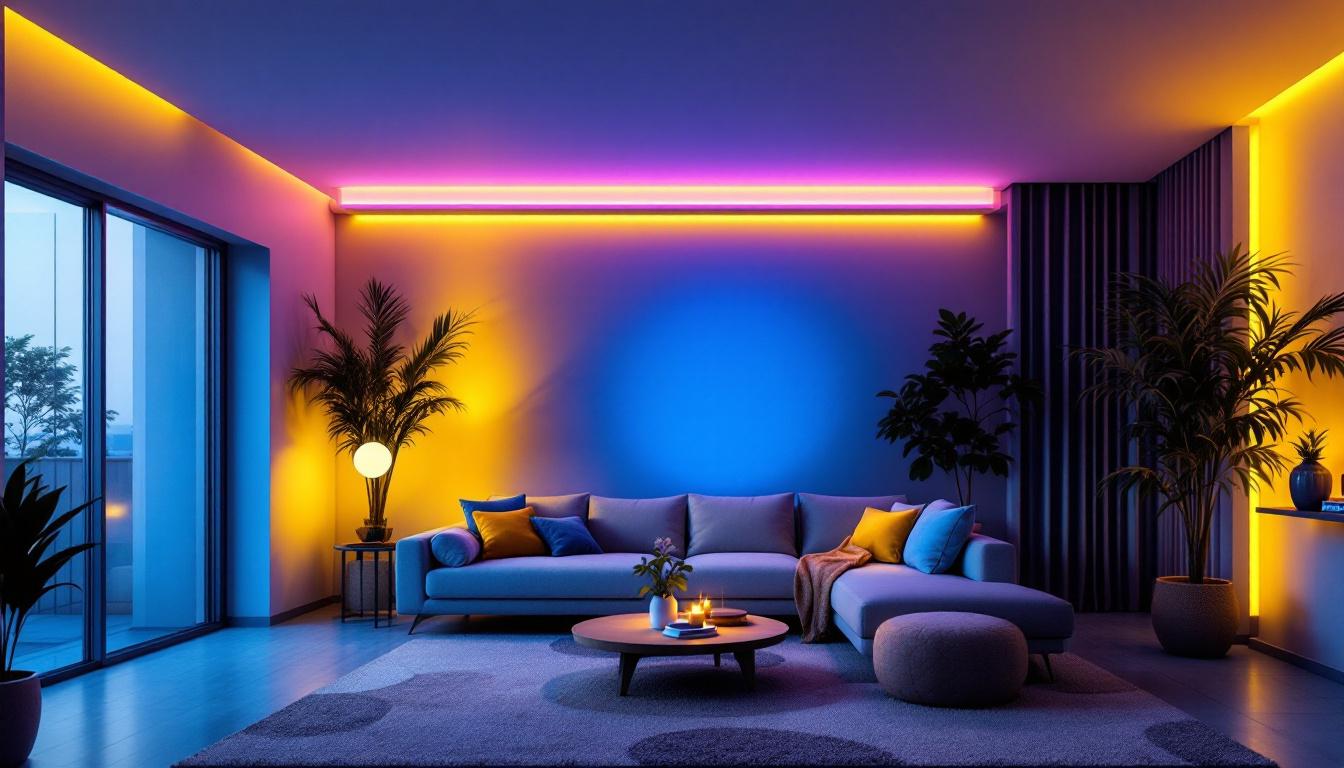
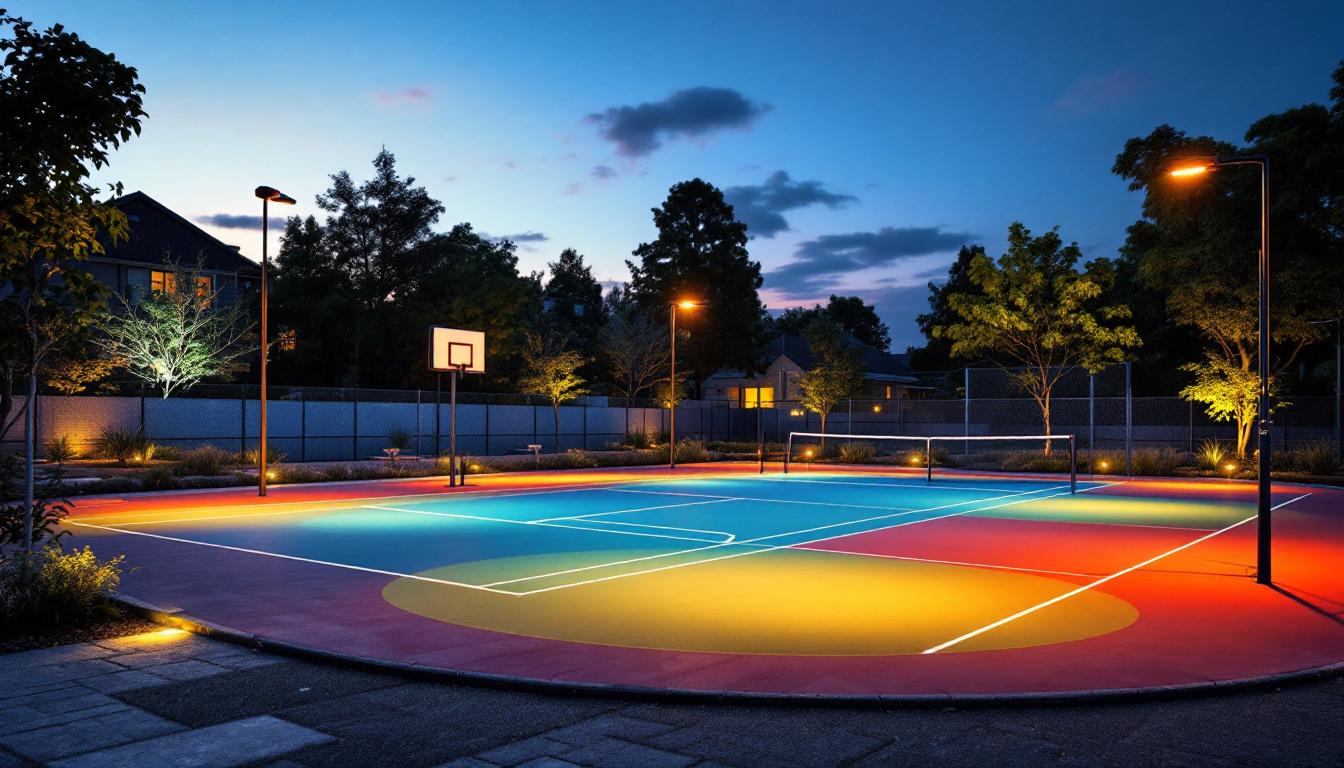
Introduction to RGB House Lighting and Its Growing Popularity
RGB house lighting has revolutionized the way residential spaces are illuminated, offering dynamic color options and energy-efficient solutions. For lighting contractors, understanding the nuances of RGB lighting systems is essential, not only to meet client expectations but also to ensure compliance with evolving regulations and standards.
As homeowners increasingly seek customizable lighting experiences, the demand for RGB installations has surged. This trend is driven by advancements in LED technology, smart home integration, and the aesthetic appeal of color-changing lights. However, with innovation comes the responsibility to adhere to safety, electrical, and environmental guidelines that govern these installations.
The versatility of RGB lighting extends beyond mere aesthetics; it can significantly enhance the mood and functionality of a space. For instance, the ability to adjust lighting colors and intensities allows homeowners to create specific atmospheres for various activities, from a cozy, warm glow for movie nights to vibrant, energizing hues for social gatherings. Moreover, the integration of smart technology enables users to control their lighting remotely via smartphone apps or voice-activated devices, making it easier than ever to tailor their environment to their preferences.
In addition to the practical benefits, RGB lighting also plays a significant role in interior design trends. Designers are increasingly incorporating these systems into their projects to create focal points and highlight architectural features. Whether it’s accentuating a piece of artwork, illuminating a staircase, or enhancing outdoor spaces, RGB lighting provides endless possibilities for creativity. As this technology continues to evolve, we can expect even more innovative applications that blend functionality with artistic expression, further solidifying RGB lighting’s place in modern home design.
Understanding Compliance Requirements for RGB Lighting
Electrical Safety Standards
One of the foremost considerations for lighting contractors is ensuring that RGB lighting systems comply with electrical safety standards. These standards are designed to prevent hazards such as electrical shocks, short circuits, and fire risks. Compliance typically involves using certified components, proper wiring techniques, and adherence to local electrical codes.
For instance, RGB LED strips and controllers must be rated for residential use and installed according to manufacturer specifications. Contractors should verify that power supplies are appropriately matched to the load and that all connections are secure and insulated. Failure to comply with these standards can result in liability issues and jeopardize client safety. Additionally, contractors should conduct thorough inspections and testing of the installed systems to ensure they operate within safe parameters, including voltage and current limits. Regular maintenance checks can also help in identifying potential issues before they escalate, thereby safeguarding the integrity of the lighting installation.
Energy Efficiency Regulations
Energy efficiency is a critical compliance area, especially as governments and regulatory bodies push for reduced energy consumption in residential buildings. RGB lighting, when implemented with LED technology, offers significant energy savings compared to traditional incandescent or halogen bulbs.
Contractors must ensure that the products they install meet minimum energy performance criteria. This includes selecting LEDs with high luminous efficacy and using smart controls to optimize usage. Additionally, some jurisdictions require lighting systems to have certain energy certifications, such as ENERGY STAR or equivalent local certifications, which can influence product selection and installation practices. Beyond just compliance, energy-efficient lighting can also enhance the overall aesthetic and functionality of a space. By integrating smart lighting solutions, contractors can provide clients with the ability to control their lighting remotely, set schedules, and create dynamic lighting scenes, further maximizing energy savings and user satisfaction.
Environmental and Waste Disposal Compliance
Environmental considerations extend beyond energy use to include the responsible disposal of lighting components. LEDs contain electronic parts that must be recycled or disposed of according to hazardous waste regulations. Lighting contractors should educate clients on proper disposal methods and consider partnering with certified recycling programs.
Moreover, compliance with regulations like the Restriction of Hazardous Substances (RoHS) directive ensures that lighting products do not contain harmful materials such as lead or mercury. Selecting RoHS-compliant RGB lighting products protects both the environment and the contractor’s reputation. Furthermore, contractors can promote sustainable practices by sourcing materials from manufacturers who prioritize eco-friendly production methods. This not only aligns with regulatory compliance but also appeals to environmentally conscious clients who prefer to invest in sustainable solutions. By adopting a holistic approach to environmental responsibility, contractors can differentiate themselves in a competitive market while contributing positively to the planet.
Key Technical Considerations for RGB Lighting Installations
Compatibility and Integration
RGB lighting systems often need to integrate seamlessly with existing home automation or smart home platforms. Lighting contractors must be familiar with various communication protocols such as Zigbee, Z-Wave, Wi-Fi, and Bluetooth to ensure compatibility. Understanding these protocols allows for greater flexibility in design and functionality, enabling homeowners to control their lighting through voice commands or mobile applications.
Choosing the right controller and ensuring that it can interface with popular smart home hubs is vital for delivering a user-friendly experience. Additionally, contractors should be aware of firmware updates and security patches to maintain system integrity and prevent vulnerabilities. It’s also beneficial to consider future-proofing the installation by selecting controllers that support over-the-air updates, allowing for new features and enhancements to be added without the need for physical replacements.
Power Supply and Load Management
Proper power supply selection is crucial for the longevity and performance of RGB lighting installations. Contractors must calculate the total wattage of the LED strips or fixtures and select power supplies with adequate capacity and safety margins. This involves taking into account the total length of the LED strip and the wattage per foot, as well as any additional fixtures that may be added in the future.
Overloading a power supply can lead to premature failure or safety hazards, while underpowered systems may exhibit flickering or inconsistent color output. Load balancing and voltage drop considerations are also important, especially in installations with long cable runs or multiple lighting zones. Utilizing thicker gauge wires for longer runs can help mitigate voltage drop, ensuring that the lights maintain their brightness and color consistency across the entire installation.
Installation Best Practices
Adhering to best practices during installation enhances both compliance and client satisfaction. This includes using appropriate mounting hardware, ensuring proper ventilation for power supplies, and protecting wiring from physical damage. Additionally, it is essential to plan the layout carefully, considering factors such as ambient light, room function, and aesthetic preferences to create a cohesive lighting design that enhances the space.
Contractors should also conduct thorough testing post-installation, verifying color accuracy, dimming functionality, and system responsiveness. Documenting the installation process and providing clients with user manuals and maintenance tips can reduce future service calls and build trust. Furthermore, offering clients a demonstration of the system’s capabilities can empower them to fully utilize their new RGB lighting, showcasing different color settings and effects that can transform their living spaces into dynamic environments tailored to their moods and activities.
Legal and Insurance Implications for Lighting Contractors
Liability and Warranty Considerations
Lighting contractors must understand their legal responsibilities related to RGB installations. This includes providing warranties that cover workmanship and product defects, as well as maintaining liability insurance to protect against claims arising from accidents or damages.
Clear communication with clients regarding the scope of work, potential limitations, and maintenance requirements can mitigate disputes. Additionally, contractors should stay informed about changes in legislation that may affect their obligations or the standards to which they must adhere.
Permitting and Inspection Requirements
Many jurisdictions require permits for electrical work, including RGB lighting installations. Contractors should verify local permitting requirements before commencing work and coordinate inspections as needed to ensure compliance.
Failure to obtain proper permits can result in fines, project delays, or the need to redo non-compliant work. Maintaining good relationships with local authorities and staying current on code updates can streamline the permitting process and enhance professional credibility.
Future Trends and Innovations Impacting Compliance
Advancements in Smart Lighting Controls
Emerging technologies in smart lighting controls are shaping the future of RGB installations. Features such as voice control, adaptive lighting based on occupancy or natural light, and advanced scheduling capabilities are becoming standard.
Contractors should anticipate increased complexity in compliance as these systems integrate with broader home networks and IoT devices. Cybersecurity considerations will become more prominent, requiring contractors to implement secure installation practices and educate clients on safe usage.
Regulatory Evolution and Sustainability Goals
Regulations governing residential lighting are expected to evolve in response to sustainability goals and technological advancements. Lighting contractors must remain agile, continuously updating their knowledge and practices to comply with stricter energy codes, material restrictions, and environmental standards.
Proactively adopting sustainable products and installation methods not only ensures compliance but also positions contractors as leaders in a competitive market focused on green building solutions.
Conclusion: Ensuring Compliance for Successful RGB Lighting Projects
For lighting contractors, mastering the compliance landscape surrounding RGB house lights is essential for delivering safe, efficient, and innovative lighting solutions. By understanding electrical safety standards, energy efficiency requirements, environmental regulations, and legal obligations, contractors can confidently navigate the complexities of modern lighting installations.
Staying informed about technical considerations and future trends further empowers contractors to meet client demands while maintaining professional integrity. Ultimately, a commitment to compliance enhances project outcomes, protects all parties involved, and supports the continued growth of the RGB lighting market.
Get Your Spec-Grade RGB Lighting Supplies at LumenWholesale
Ready to elevate your lighting projects with compliance-assured, energy-efficient RGB solutions? Look no further than LumenWholesale for all your lighting needs. We provide contractors with the highest quality, spec-grade RGB lighting products at unbeatable wholesale prices. Say goodbye to inflated markups and hello to premium lighting with free shipping on bulk orders. Don’t compromise on quality or value; choose LumenWholesale for the perfect blend of affordability and convenience. Wholesale Lighting at the Best Value is just a click away.