In the world of lighting design, hi-hat lights, also known as recessed lights or downlights, have become a staple for many contractors. Their sleek, unobtrusive design allows for versatile applications in both residential and commercial spaces. However, understanding the science behind hi-hat lights is crucial for lighting contractors who aim to deliver optimal solutions for their clients. This article delves into the intricacies of hi-hat lights, including their design, functionality, and the best practices for installation.
What Are Hi-Hat Lights?
Hi-hat lights are recessed fixtures that are installed into the ceiling, providing a clean and modern aesthetic. They are designed to be flush with the ceiling, which minimizes visual clutter and allows for a seamless integration into various architectural styles. These fixtures can be used for general, task, or accent lighting, making them incredibly versatile. Their unobtrusive design not only enhances the overall decor but also maximizes the perceived height of a room, creating an illusion of spaciousness.
Typically, hi-hat lights come in various sizes and shapes, with the most common being round or square. They can accommodate different types of bulbs, including incandescent, LED, and fluorescent, each offering distinct advantages in terms of energy efficiency, brightness, and color temperature. The choice of bulb can dramatically affect the ambiance of a space; for instance, warm white LEDs can create a cozy atmosphere, while cooler tones are perfect for task-oriented areas like kitchens or offices. Additionally, many modern hi-hat lights are dimmable, allowing for further customization of lighting levels to suit different activities or moods.
Types of Hi-Hat Lights
Understanding the different types of hi-hat lights is essential for contractors to make informed decisions based on their clients’ needs. The most common types include:
- Standard Recessed Lights: These are the most basic form of hi-hat lights, typically used for general lighting. They are often installed in grids for uniform light distribution.
- Adjustable Recessed Lights: These fixtures can be tilted or rotated to direct light where it is needed, making them ideal for highlighting artwork or architectural features. Their flexibility allows homeowners and designers to create dynamic lighting schemes.
- Shower Recessed Lights: Specifically designed for wet areas, these fixtures are moisture-resistant and suitable for bathrooms. They offer safety and functionality without compromising on style.
Applications of Hi-Hat Lights
Hi-hat lights are widely used in various settings, including:
- Residential Spaces: Living rooms, kitchens, and hallways often benefit from the clean look of recessed lighting. In open-concept homes, hi-hat lights can help define different areas while maintaining an airy feel.
- Commercial Spaces: Offices, retail stores, and galleries utilize hi-hat lights to create a welcoming atmosphere. In retail environments, strategically placed hi-hat lights can draw attention to merchandise, enhancing the shopping experience.
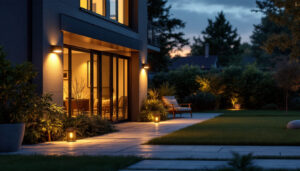
- Outdoor Areas: Certain models are designed for outdoor use, providing illumination for patios and walkways. These fixtures can enhance safety and visibility while also contributing to the overall aesthetic of outdoor living spaces.
In addition to these applications, hi-hat lights are increasingly being integrated into smart home systems. With the rise of home automation, many hi-hat lights can now be controlled via smartphone apps or voice commands, allowing users to adjust brightness, color, and even set schedules for when lights should turn on or off. This level of control not only adds convenience but also contributes to energy savings by ensuring lights are only used when needed. Furthermore, the trend towards energy-efficient lighting solutions has made hi-hat lights a popular choice for eco-conscious homeowners looking to reduce their carbon footprint while still enjoying stylish and functional lighting.
The Science of Light
To fully appreciate hi-hat lights, it’s important to understand the science of light itself. Light is a form of electromagnetic radiation that is visible to the human eye. It travels in waves and can be described by its wavelength, frequency, and energy.
In lighting design, two critical aspects of light are color temperature and color rendering index (CRI). Color temperature affects the mood of a space, while CRI measures how accurately colors are rendered under a light source.
Color Temperature
Color temperature is measured in Kelvin (K) and describes the warmth or coolness of a light source. A lower Kelvin rating (around 2700K) produces a warm, yellow light, while higher ratings (5000K and above) emit a cooler, bluish light. Understanding these differences is crucial for contractors as they advise clients on the best lighting solutions for their spaces.
For instance, warm light is often preferred in residential settings for its cozy ambiance, while cooler light is typically used in commercial environments to enhance focus and productivity.
Color Rendering Index (CRI)
The CRI is a scale from 0 to 100 that indicates how accurately a light source displays colors in comparison to natural light. A higher CRI means that colors will appear more vivid and true to life. For most applications, a CRI of 80 or above is recommended, especially in spaces where color accuracy is essential, such as art galleries or retail stores.
Choosing the Right Bulb for Hi-Hat Lights
The choice of bulb is a critical factor in the performance of hi-hat lights. Different types of bulbs offer various benefits and drawbacks, influencing both the quality of light and energy consumption.
LED bulbs have gained popularity due to their energy efficiency and long lifespan. They consume significantly less energy than incandescent bulbs and produce less heat, making them a safer option. Additionally, LED technology allows for a range of color temperatures and dimming capabilities, providing flexibility in design.
Incandescent vs. LED Bulbs
While incandescent bulbs have traditionally been used in hi-hat lights, they are becoming less common due to their high energy consumption and shorter lifespan. In contrast, LED bulbs can last up to 25 times longer and use up to 75% less energy. This not only reduces electricity bills but also decreases the frequency of bulb replacements, making them a more sustainable choice.
Contractors should educate clients about the benefits of LED technology, emphasizing the long-term savings and environmental advantages. Additionally, many LED options are now available in dimmable formats, allowing for greater control over ambiance.
Considerations for Bulb Placement
The placement of hi-hat lights plays a significant role in achieving the desired lighting effect. When installing recessed lights, it is essential to consider the spacing between fixtures, the height of the ceiling, and the intended use of the space.
A general rule of thumb is to space hi-hat lights approximately 4 to 6 feet apart for optimal coverage. However, this can vary based on the brightness of the bulbs used and the specific lighting needs of the area. For example, task lighting in a kitchen may require closer spacing compared to general lighting in a living room.
Installation Best Practices
Proper installation of hi-hat lights is crucial for achieving the best lighting results. Lighting contractors must adhere to specific guidelines to ensure safety, efficiency, and aesthetic appeal.
Before installation, it is vital to assess the ceiling structure and determine whether it can support recessed lighting. Contractors should also consider the type of insulation present, as this can affect heat dissipation and energy efficiency.
Electrical Considerations
Working with electrical systems requires a thorough understanding of local codes and regulations. Contractors should ensure that all wiring is up to code and that the circuit can handle the load of the hi-hat lights being installed. It is advisable to use a dedicated circuit for recessed lighting to prevent overload and ensure consistent performance.
Furthermore, using compatible dimmer switches can enhance the functionality of hi-hat lights, allowing clients to adjust brightness levels according to their preferences.
Placement and Alignment
When installing hi-hat lights, alignment is key. Fixtures should be evenly spaced and aligned to create a balanced look. Using a laser level can help achieve precise placement, ensuring that all lights are at the same height and angle.
Additionally, contractors should consider the direction of the light beam. Adjustable recessed lights can be angled to highlight specific features, such as artwork or architectural details, enhancing the overall design of the space.
Maintenance and Troubleshooting
Even the best-installed hi-hat lights may require maintenance over time. Regular checks can help identify issues such as flickering lights or burnt-out bulbs. Contractors should educate clients on how to perform basic maintenance, including how to safely replace bulbs and clean fixtures.
In some cases, troubleshooting may be necessary. Flickering lights can be caused by several factors, including loose connections, incompatible dimmer switches, or faulty bulbs. Understanding these potential issues allows contractors to provide effective solutions and maintain client satisfaction.
Energy Efficiency Tips
As energy efficiency becomes increasingly important, contractors should be proactive in suggesting ways to maximize the efficiency of hi-hat lights. This includes recommending LED bulbs, utilizing dimmer switches, and encouraging clients to take advantage of natural light whenever possible.
Additionally, educating clients on the benefits of smart lighting systems can enhance energy savings. Smart systems allow for remote control of lighting, scheduling, and even integration with home automation systems, providing convenience and efficiency.
Conclusion
Hi-hat lights are a versatile and stylish lighting solution that can enhance any space. For lighting contractors, understanding the science behind these fixtures is essential for delivering high-quality installations that meet client needs. From selecting the right bulbs to ensuring proper installation and maintenance, contractors play a crucial role in the successful application of hi-hat lights.
By staying informed about the latest advancements in lighting technology and best practices, contractors can position themselves as experts in the field, ultimately leading to increased client satisfaction and business growth. As the demand for energy-efficient and aesthetically pleasing lighting continues to rise, the knowledge of hi-hat lights will remain an invaluable asset in the lighting contractor’s toolkit.
Get Your Hi-Hat Lighting Solutions at LumenWholesale
Ready to elevate your lighting projects with the best hi-hat lights on the market? Look no further than LumenWholesale, where we provide contractors with exceptional, spec-grade lighting products at unbeatable wholesale prices. Our commitment to quality and affordability ensures that you can access a wide range of reliable, high-performance lighting options for any space. With the convenience of free shipping and bulk buying, LumenWholesale is your go-to source for premium lighting without the premium price tag. Enhance your lighting installations today by visiting Wholesale Lighting at the Best Value and discover the difference that LumenWholesale can make for your business.