Understanding Recessed Light Covers: Essential Knowledge for Lighting Contractors
Recessed lighting has become a staple in modern interior design and commercial applications due to its sleek appearance and ability to provide focused illumination without cluttering ceiling space. However, the role of the recessed light cover—often overlooked—plays a crucial part in both the functionality and aesthetics of the lighting installation.
Recessed light covers, also known as trims or lenses, serve multiple purposes: they protect the light source, diffuse or direct light, and contribute to the overall design harmony of the space. For lighting contractors, understanding the variety of covers available and their specific applications is vital to delivering a high-quality, code-compliant installation that meets client expectations.
Types of Recessed Light Covers and Their Applications
There are several types of recessed light covers, each designed to address different lighting needs and environments. Common categories include:
- Open Trim: This cover exposes the bulb and reflector, offering maximum light output and a clean, minimalist look. Ideal for general lighting in residential or commercial spaces.
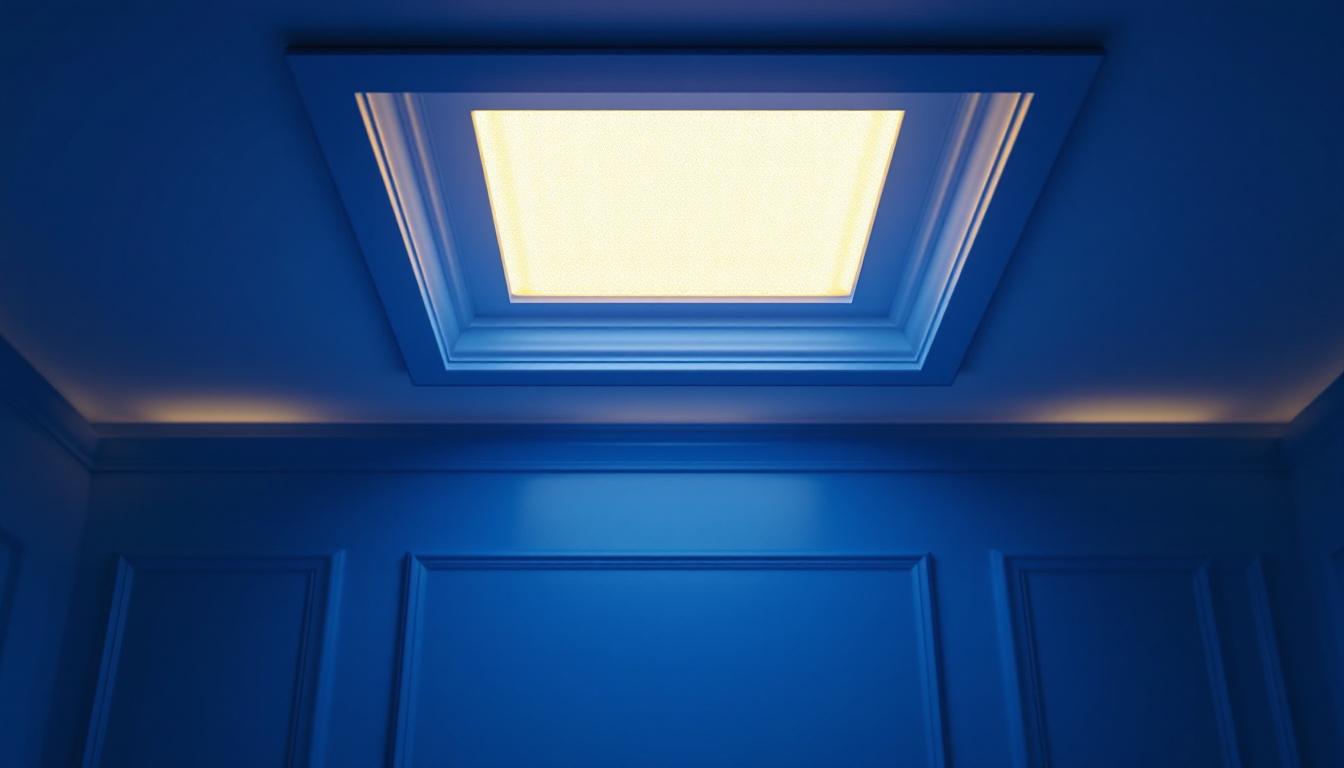
- Closed or Diffuser Trim: Features a lens or glass cover that diffuses light, reducing glare and softening illumination. Often used in areas requiring gentle, ambient lighting such as living rooms or offices.
- Adjustable or Gimbal Trim: Allows the light beam to be directed or angled, perfect for accent lighting or highlighting artwork and architectural features.
- Wall Wash Trim: Designed to distribute light evenly across vertical surfaces, enhancing texture and color on walls.
Each trim type impacts the lighting effect and energy efficiency, so contractors must select the appropriate cover based on the project’s design goals and functional requirements. Additionally, the choice of material plays a significant role in the performance of the recessed light cover. For instance, metal trims tend to offer durability and a modern aesthetic, while plastic options can be more cost-effective and lightweight. Understanding the thermal properties of these materials is also essential, as overheating can lead to reduced lifespan and performance of the light fixtures.
Moreover, the finish of the trim can influence the overall ambiance of a space. Matte finishes can help minimize glare and create a softer light, while polished finishes may enhance brightness and reflectivity. Contractors should also consider the color temperature of the bulbs used in conjunction with the trim; warmer tones can create a cozy atmosphere, while cooler tones are often preferred for workspaces. By taking into account these various factors, lighting contractors can ensure that their installations not only meet functional needs but also elevate the aesthetic appeal of the environment.
Material Considerations and Durability in Recessed Light Covers
The material composition of recessed light covers significantly influences their performance, durability, and suitability for different environments.
Common materials include aluminum, plastic, glass, and steel. Aluminum trims are popular due to their lightweight nature and excellent heat dissipation properties, which help maintain fixture longevity. Plastic trims offer cost-effective options but may degrade faster under high temperatures or UV exposure. Glass covers provide superior diffusion and aesthetic appeal but require careful handling and installation to avoid breakage.
For commercial and industrial settings, durability and compliance with fire safety standards are paramount. Lighting contractors should ensure that covers meet UL certification and are rated for use in insulated ceilings (IC-rated) when necessary, to prevent fire hazards and maintain energy efficiency.
Impact of Material on Light Quality and Maintenance
The choice of material also affects light quality. For instance, frosted glass diffusers soften light and reduce harsh shadows, creating a more comfortable environment. Conversely, clear glass or open trims maximize brightness but may cause glare if not carefully positioned.
Maintenance considerations are equally important. Materials that resist dust accumulation and are easy to clean reduce long-term upkeep costs and preserve the fixture’s appearance. Contractors can advise clients on the best options based on the setting, whether it be a high-traffic commercial space or a residential area.
In addition to the practical aspects, the aesthetic qualities of the materials can greatly influence the overall design of a space. For example, brushed aluminum finishes can impart a modern, sleek look, making them ideal for contemporary interiors, while traditional homes may benefit from the classic elegance of glass covers. Furthermore, the use of colored or tinted materials can enhance the ambiance of a room, allowing for creative lighting solutions that align with the desired mood or theme.
Moreover, environmental considerations are becoming increasingly relevant in material selection. Many manufacturers are now offering eco-friendly options, such as recycled aluminum or low-VOC plastics, which not only contribute to sustainability but also appeal to environmentally conscious consumers. By choosing materials that are both durable and sustainable, lighting professionals can help clients make informed decisions that align with their values and contribute to a greener future.
Code Compliance and Safety: What Lighting Contractors Must Know
Ensuring that recessed light covers comply with local building codes and safety regulations is a critical responsibility for lighting contractors. Non-compliance can lead to costly rework, safety hazards, and liability issues. The importance of adhering to these regulations cannot be overstated, as they are designed to protect both the contractor and the end-user from potential dangers associated with electrical installations.
One key aspect is the requirement for IC-rated trims in ceilings with insulation. These trims are designed to prevent overheating by maintaining proper clearance between the fixture and insulation material. Using non-IC-rated trims in insulated ceilings can cause fires or damage to the fixture. Furthermore, contractors should also consider the thermal performance of the entire lighting system, ensuring that heat dissipation is optimized to prolong the life of the fixtures and maintain safety standards.
Another consideration is the use of covers in damp or wet locations. Lighting contractors must select trims with appropriate moisture ratings to prevent corrosion and electrical hazards. For example, bathroom or outdoor installations require trims specifically rated for those environments. Additionally, understanding the implications of humidity and temperature fluctuations in these areas can guide contractors in choosing the most suitable materials and finishes that will withstand the test of time without compromising safety.
Energy Efficiency and Regulatory Standards
Energy codes increasingly influence lighting design choices. Many recessed light covers are designed to work with LED technology, which offers significant energy savings and longer lifespan compared to traditional incandescent or halogen bulbs. The shift towards LED lighting not only reduces energy consumption but also minimizes heat output, making it a safer choice for various applications.
Contractors should be aware of standards such as ENERGY STAR® certification and Title 24 compliance, which often dictate the types of fixtures and trims permissible in certain jurisdictions. Selecting compatible covers that maximize LED performance can help clients reduce energy costs and meet sustainability goals. Additionally, staying informed about new energy efficiency initiatives and rebates can provide clients with financial incentives to upgrade their lighting systems, further enhancing the appeal of energy-efficient solutions. By integrating these considerations into their projects, contractors can ensure that they are not only compliant but also contributing to a greener future.
Installation Best Practices and Common Challenges
Proper installation of recessed light covers is essential for both performance and safety. Lighting contractors must pay attention to several factors during the installation process.
First, ensuring a secure fit between the trim and housing prevents rattling and light leaks. Many trims come with spring clips or torsion springs that hold them firmly in place. Using the correct trim size for the housing is crucial to avoid gaps or damage.
Second, contractors should verify that the trim’s thermal properties align with the fixture’s heat output. Overheating can shorten bulb life and pose fire risks. Using trims with adequate heat dissipation features and ensuring proper ventilation within the housing helps mitigate these issues.
Addressing Common Installation Challenges
Lighting contractors often encounter challenges such as uneven ceiling surfaces, limited clearance, or retrofit applications where older housings must accommodate new trims. In these cases, flexible or adjustable trims can provide solutions, but require careful measurement and planning.
Additionally, coordinating with other trades—such as drywall installers and electricians—is vital to ensure that the ceiling cutouts and wiring conform to specifications. Misalignment or improper wiring can compromise the trim’s fit and function.
Trends and Innovations in Recessed Light Covers
The lighting industry is continuously evolving, with new materials, designs, and technologies enhancing recessed light covers.
Smart lighting integration is a significant trend, where trims are designed to accommodate sensors, dimmers, and color-tunable LEDs. These innovations allow for dynamic lighting environments that can adapt to user preferences and occupancy patterns.
Another development is the use of sustainable materials and finishes that reduce environmental impact without sacrificing durability or aesthetics. Lighting contractors should stay informed about these advancements to offer clients cutting-edge solutions.
Design Trends Influencing Trim Selection
Minimalist and ultra-thin trims are gaining popularity, providing a nearly flush appearance that blends seamlessly with modern architecture. Matte finishes and customizable colors allow for greater design flexibility, catering to both residential and commercial clients.
Moreover, the demand for high-CRI (Color Rendering Index) lighting has led to trims optimized for specific beam angles and diffusion patterns, enhancing color accuracy and visual comfort in retail, hospitality, and healthcare settings.
Conclusion: Elevating Lighting Projects with Expert Recessed Light Cover Knowledge
For lighting contractors, mastering the nuances of recessed light covers is integral to delivering installations that are safe, efficient, and aesthetically pleasing. From understanding material properties and code requirements to navigating installation challenges and embracing emerging trends, expert knowledge empowers contractors to exceed client expectations.
By selecting the right covers tailored to each project’s unique demands, lighting professionals can enhance the overall lighting quality, extend fixture lifespan, and contribute to energy savings. Staying current with industry standards and innovations ensures that contractors remain competitive and capable of providing top-tier lighting solutions in an ever-evolving market.
Illuminate Your Projects with LumenWholesale
Ready to elevate your lighting installations with the expertise you’ve gained on recessed light covers? Choose LumenWholesale for your lighting needs and experience the unbeatable combination of quality, affordability, and convenience. Our spec-grade lighting products meet the highest industry standards, ensuring you deliver safe, efficient, and aesthetically pleasing results every time. Say goodbye to inflated markups and hello to hassle-free bulk buying with free shipping. Don’t settle for less—visit Wholesale Lighting at the Best Value and make LumenWholesale your go-to source for premium lighting solutions.