Introduction to Solar LED Wall Lights in Modern Lighting Projects
As the demand for sustainable and energy-efficient lighting solutions continues to rise, lighting contractors are increasingly turning to solar LED wall lights. These fixtures combine the benefits of LED technology with solar power, offering an eco-friendly alternative to traditional wired lighting systems. For contractors, understanding the nuances of solar LED wall lights is essential to delivering high-quality, cost-effective, and environmentally responsible lighting installations.
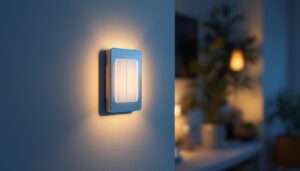
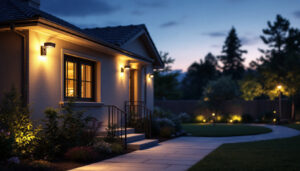
Solar LED wall lights are particularly suited for outdoor applications such as building facades, garden walls, pathways, and security lighting. Their ability to operate independently of the electrical grid reduces installation complexity and long-term operational costs. This article explores smart approaches lighting contractors can adopt to maximize the benefits of solar LED wall lights in their projects.
One of the key advantages of solar LED wall lights is their versatility in design and functionality. Available in a variety of styles, from sleek modern designs to more traditional lantern shapes, these lights can complement any architectural aesthetic. Furthermore, many solar LED wall lights come equipped with motion sensors, timers, and adjustable brightness settings, allowing for customizable lighting solutions that enhance both safety and ambiance. This adaptability makes them an ideal choice for residential properties, commercial spaces, and public areas alike, ensuring that they meet the specific needs of each project.
Moreover, the integration of smart technology into solar LED wall lights is revolutionizing outdoor lighting. With advancements in solar panel efficiency and battery storage, these fixtures can now provide reliable illumination even during overcast days or in regions with limited sunlight. Some models are equipped with Wi-Fi connectivity, enabling users to control lighting settings remotely via smartphone apps. This not only enhances user convenience but also allows for energy monitoring, ensuring that the lights operate at peak efficiency. As contractors embrace these technological innovations, they can offer clients cutting-edge solutions that align with the growing trend towards smart home and building automation.
Understanding the Technology Behind Solar LED Wall Lights
Core Components and Their Functions
Solar LED wall lights typically consist of three main components: the solar panel, LED light source, and a rechargeable battery. The solar panel captures sunlight during the day, converting it into electrical energy stored in the battery. When night falls, the stored energy powers the LED light, providing illumination without the need for external wiring.
The LED technology itself offers high luminous efficacy, meaning more light output per watt of power consumed. This efficiency is crucial when relying on limited energy harvested from the sun. Additionally, LEDs have a long lifespan, reducing maintenance frequency and costs. Many modern solar LED wall lights also incorporate smart technology, allowing for features such as motion sensors that activate the light only when movement is detected. This not only conserves energy but also enhances security, making these lights a popular choice for residential and commercial properties alike.
Advancements in Solar Panel and Battery Technologies
Recent improvements in solar panel efficiency, such as the use of monocrystalline silicon cells, have enhanced energy capture even in low-light conditions. This advancement enables solar LED wall lights to function reliably in diverse geographic locations and varying weather patterns. Furthermore, innovations in solar panel design, such as bifacial panels that capture sunlight from both sides, are pushing the boundaries of energy generation, allowing for even greater efficiency and versatility in installation.
Battery technology has also evolved, with lithium-ion batteries becoming the preferred choice due to their higher energy density, longer cycle life, and better temperature tolerance compared to traditional nickel-metal hydride or lead-acid batteries. These enhancements contribute to longer operational periods and reduced replacement intervals, factors that contractors must consider when specifying products. Additionally, the integration of smart battery management systems ensures optimal charging and discharging cycles, further extending the lifespan of the batteries and improving overall performance. As these technologies continue to advance, we can expect solar LED wall lights to become even more efficient and user-friendly, paving the way for widespread adoption in urban and rural settings alike.
Design and Installation Best Practices for Lighting Contractors
Site Assessment and Solar Access Evaluation
Effective installation begins with a thorough site assessment. Lighting contractors should evaluate the solar access of the proposed installation area to ensure the solar panels receive adequate sunlight throughout the day. Factors such as shading from trees, buildings, or other obstructions can significantly impact performance.
Utilizing tools like solar pathfinders or mobile apps that simulate sunlight exposure can aid in selecting optimal mounting locations. Proper orientation and tilt of the solar panel are also critical; panels should ideally face true south in the northern hemisphere or true north in the southern hemisphere, with an angle matching the latitude for maximum energy absorption.
Integration with Existing Lighting Systems
In many projects, solar LED wall lights are integrated with existing wired lighting systems to enhance illumination or provide backup during power outages. Lighting contractors must design these hybrid systems carefully to ensure seamless operation and avoid conflicts between power sources.
Smart controllers and sensors can facilitate this integration by managing when solar lights activate, dim, or switch off based on ambient light levels or occupancy. This approach not only improves energy efficiency but also enhances user experience and security.
Mounting and Weatherproofing Considerations
Proper mounting techniques are essential for the longevity and performance of solar LED wall lights. Contractors should use corrosion-resistant hardware and ensure fixtures are securely fastened to withstand wind loads and other environmental stresses.
Weatherproofing ratings, such as IP65 or higher, indicate the fixture’s ability to resist dust and water ingress. Selecting products with appropriate ratings for the installation environment—whether coastal, urban, or rural—helps prevent premature failures and maintenance issues.
Energy Efficiency and Cost-Effectiveness Analysis
Comparing Solar LED Wall Lights to Traditional Lighting
From an energy consumption perspective, solar LED wall lights offer significant advantages. Since they operate independently of the electrical grid, they eliminate ongoing electricity costs. This can translate into substantial savings, especially in large-scale projects or remote locations where grid access is limited or expensive.
Moreover, the reduced need for trenching, wiring, and electrical permits lowers upfront installation costs. Lighting contractors should present these benefits clearly to clients, emphasizing the total cost of ownership rather than just initial expenses.
Maintenance and Lifecycle Considerations
Maintenance requirements for solar LED wall lights are generally lower than traditional fixtures. However, contractors should advise clients on routine tasks such as cleaning solar panels to maintain optimal energy absorption and periodic battery inspections or replacements.
Understanding the expected lifespan of both LEDs and batteries enables contractors to provide accurate service schedules and warranty information. This transparency builds client trust and supports long-term satisfaction with the lighting installation.
Smart Features and Controls Enhancing Solar LED Wall Lights
Incorporating Sensors and Automation
Modern solar LED wall lights often come equipped with motion sensors, ambient light sensors, and timers. These features allow lights to operate only when needed, conserving stored energy and extending battery life.
For example, motion-activated lighting enhances security by illuminating areas only when movement is detected, while ambient light sensors ensure lights do not turn on during daylight hours. Lighting contractors should leverage these technologies to create intelligent lighting solutions tailored to client needs.
Remote Monitoring and IoT Integration
Advancements in Internet of Things (IoT) technology have introduced remote monitoring capabilities for solar LED lighting systems. Contractors can install fixtures that communicate performance data such as battery health, energy production, and fault alerts to centralized management platforms.
This capability enables proactive maintenance, reduces downtime, and provides valuable insights for optimizing lighting strategies. For large commercial or municipal projects, IoT integration represents a significant value-add that can differentiate contractor offerings.
Addressing Challenges and Mitigating Risks
Dealing with Variable Weather and Seasonal Changes
One of the primary challenges with solar LED wall lights is their dependence on sunlight availability. Contractors must account for seasonal variations in daylight hours and weather conditions that may reduce solar energy harvesting.
Design strategies include oversizing solar panels and batteries to provide sufficient energy reserves during prolonged cloudy periods. Additionally, educating clients on realistic performance expectations helps prevent dissatisfaction.
Ensuring Compliance with Codes and Standards
Lighting contractors must ensure that solar LED wall light installations comply with local electrical codes, building regulations, and safety standards. While solar lighting often reduces the complexity of wiring, adherence to standards related to mounting heights, light pollution, and electrical safety remains critical.
Staying informed about evolving regulations and obtaining necessary permits can prevent costly delays and legal issues. Partnering with reputable manufacturers who provide certified products also supports compliance efforts.
Case Studies: Successful Solar LED Wall Light Installations
Urban Revitalization Project
In a recent urban revitalization initiative, lighting contractors installed solar LED wall lights along pedestrian walkways and building facades to enhance safety and aesthetics. The project leveraged motion sensors and ambient light controls to optimize energy use, resulting in a 40% reduction in lighting-related energy costs compared to previous grid-powered solutions.
Contractors reported simplified installation processes due to the elimination of trenching and wiring, enabling faster project completion and reduced labor expenses.
Remote Facility Security Lighting
A remote industrial site implemented solar LED wall lights to provide perimeter security lighting. The off-grid solution minimized infrastructure costs and ensured continuous operation during power outages. IoT-enabled monitoring allowed facility managers to track system status remotely, facilitating timely maintenance and reducing downtime.
Conclusion: Embracing Solar LED Wall Lights for Future-Ready Lighting Solutions
Solar LED wall lights represent a smart, sustainable choice for lighting contractors aiming to deliver innovative, cost-effective, and environmentally responsible projects. By mastering the technology, adhering to best practices in design and installation, and leveraging smart controls, contractors can meet the evolving demands of clients and regulatory bodies.
As solar and LED technologies continue to advance, lighting contractors who embrace these solutions position themselves as leaders in the industry, capable of providing lighting systems that are not only functional and attractive but also aligned with global sustainability goals.
Illuminate Your Projects with LumenWholesale
Ready to elevate your lighting projects with the most efficient and sustainable solutions? LumenWholesale is here to support your journey towards future-ready lighting installations. Our extensive range of spec-grade solar LED wall lights is designed to meet the highest industry standards, ensuring you deliver top-quality, energy-efficient lighting to your clients. With unbeatable wholesale prices and the convenience of free shipping on bulk orders, you can trust us to provide premium lighting without the premium price tag. Don’t let middleman markups dim your project’s potential. Choose LumenWholesale for the perfect blend of quality, affordability, and convenience. Wholesale Lighting at the Best Value is just a click away.