Understanding Pier Mount Lighting: What It Is and Why It Matters
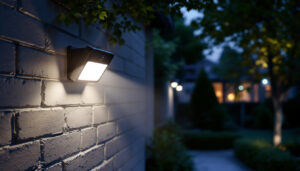
Pier mount lighting is a specialized form of outdoor illumination designed to be installed on piers, columns, or posts. Unlike traditional wall-mounted or ceiling fixtures, pier mounts are tailored for vertical surfaces that stand independently, such as fence posts, gate pillars, or decorative columns. These fixtures provide both functional and aesthetic benefits, making them a popular choice in residential, commercial, and public spaces.
For lighting contractors, mastering pier mount lighting means understanding the unique challenges and opportunities these fixtures present. They often serve as focal points in landscape design, guiding pathways, enhancing security, and contributing to curb appeal. The right installation can dramatically elevate a project’s outcome, while missteps can lead to poor performance and client dissatisfaction.
Key Features of Pier Mount Fixtures
Pier mount fixtures typically feature robust construction to withstand outdoor elements. Materials like cast aluminum, brass, or stainless steel are common, ensuring durability against moisture, temperature fluctuations, and physical impact. Many models come with weather-resistant finishes and sealed enclosures to protect internal components.
Light distribution is another critical aspect. Pier mounts often use diffusers or lenses to soften and spread light evenly, avoiding harsh glare. This is especially important in residential settings where comfort and ambiance are priorities.
In addition to their practical benefits, pier mount lights can also be designed to complement the architectural style of a property. From sleek, modern designs to more traditional lantern styles, these fixtures can enhance the overall aesthetic of a space. Homeowners may choose fixtures that match their exterior decor, creating a cohesive look that ties together landscaping and architecture. Furthermore, the ability to select from various finishes and colors allows for personalization, ensuring that each installation can be uniquely tailored to the homeowner’s taste.
Another important consideration is the energy efficiency of pier mount lighting. With the advent of LED technology, many pier mount fixtures now offer energy-saving options that not only reduce electricity costs but also extend the lifespan of the lighting. This shift towards sustainable lighting solutions is particularly appealing to environmentally conscious consumers, who are increasingly looking for ways to minimize their carbon footprint while still achieving beautiful outdoor spaces. By integrating smart technology, such as motion sensors or timers, pier mount lights can further enhance energy efficiency, providing illumination only when needed and contributing to a more sustainable approach to outdoor lighting.
Choosing the Right Pier Mount Lighting for Your Project
Selection depends on several factors, including the architectural style, the purpose of the lighting, and the environment. Lighting contractors must evaluate these elements carefully to recommend fixtures that align with client expectations and technical requirements.
Assessing the Installation Environment
Start by examining the physical characteristics of the mounting surface. Is the pier made of stone, brick, wood, or concrete? Each material demands specific mounting hardware and techniques to ensure secure attachment and longevity.
Consider exposure to weather and potential vandalism. Coastal areas, for example, require corrosion-resistant finishes, while urban settings might benefit from tamper-proof designs. Understanding these nuances helps avoid premature fixture failure. Additionally, it’s essential to assess the surrounding landscape and existing structures that may cast shadows or obstruct light. This comprehensive evaluation ensures that the chosen lighting not only illuminates the pier effectively but also enhances the overall aesthetic of the area.
Matching Fixture Style to Architecture
Architectural compatibility is crucial. A sleek, modern pier mount might look out of place on a traditional brick pillar, just as a classic lantern-style fixture could clash with contemporary design. Offering clients a range of styles—from minimalist to ornate—demonstrates expertise and attention to detail. Furthermore, considering the scale of the fixture in relation to the pier’s dimensions can significantly impact visual harmony. Oversized fixtures can overwhelm a small pier, while tiny lights may be lost against a grand structure. Customization options, such as color finishes and decorative elements, can also help bridge the gap between functionality and style.
Light Output and Color Temperature
Functionality drives the choice of lumen output and color temperature. Pathway lighting typically requires lower lumens to avoid overpowering the space, while security lighting might demand higher intensity. Color temperature influences mood; warmer tones (2700K–3000K) create inviting atmospheres, whereas cooler tones (4000K–5000K) enhance visibility and alertness. It’s also worth noting that the placement of fixtures can affect how light is distributed. For instance, fixtures positioned at different heights or angles can create dynamic lighting effects, adding depth and interest to the environment. Additionally, incorporating smart lighting technology allows for adjustable brightness and color settings, enabling users to tailor the ambiance based on specific occasions or needs, further enhancing the versatility of pier mount lighting solutions.
Installation Best Practices for Pier Mount Lighting
Proper installation is non-negotiable. It affects not only the fixture’s performance but also safety and compliance with electrical codes. Lighting contractors should follow a systematic approach to ensure quality results.
Pre-Installation Planning
Before drilling or wiring, verify the mounting location’s measurements and structural integrity. Use a level to ensure the fixture will sit straight, and check for any hidden utilities behind the pier that could be damaged during installation.
Plan wiring routes carefully. Concealing cables within the pier or underground conduits protects them from damage and maintains aesthetics. Confirm that the power source matches the fixture’s voltage and current requirements. Additionally, consider the overall lighting design and how the pier mount lighting will interact with other outdoor elements, such as landscaping or pathways. This holistic approach not only enhances functionality but also contributes to a cohesive visual appeal.
Mounting Techniques
Use appropriate anchors and fasteners based on the pier’s material. For masonry piers, expansion anchors or sleeve anchors provide secure attachment. Wood piers may require lag bolts or screws rated for outdoor use. Avoid over-tightening to prevent cracking or deforming the mounting surface. It’s also advisable to pre-drill holes to ensure a clean installation and reduce the risk of splitting the material. In addition, consider using a backing plate for added stability, especially in areas prone to high winds or extreme weather conditions.
Seal all penetrations with weatherproof caulking to prevent moisture ingress, which can cause corrosion or electrical faults. This step is critical in maintaining the fixture’s lifespan. Furthermore, applying a protective coating to the fixture itself can enhance its durability against the elements, prolonging its operational life and maintaining its aesthetic appeal over time.
Electrical Connections and Safety
All wiring must comply with local electrical codes and standards. Use waterproof connectors and junction boxes rated for outdoor use. Grounding is essential to protect against electrical faults and ensure user safety. Additionally, consider implementing a GFCI (Ground Fault Circuit Interrupter) to further enhance safety, especially in areas where water exposure is likely. This device can prevent electrical shock by cutting off the power supply in the event of a fault.
Test the circuit before finalizing installation to confirm proper operation. Check for flickering, dimming, or any unusual sounds that might indicate wiring issues. It’s also wise to conduct a thorough inspection of the entire installation after powering on the fixtures for the first time. Observing the lighting in different conditions, such as during dusk or after a rain, can help identify any potential issues that may not be apparent during daylight hours. This proactive approach ensures that the installation not only meets safety standards but also performs optimally in real-world conditions.
Maintenance and Troubleshooting Tips
Regular maintenance extends the life of pier mount lighting and keeps it functioning optimally. Lighting contractors should advise clients on simple upkeep tasks and be prepared to address common problems.
Routine Cleaning
Dirt, dust, and insect debris can accumulate on lenses and housings, diminishing light output. Recommend cleaning fixtures with mild soap and water every few months. Avoid abrasive materials that could scratch finishes or lenses.
Inspecting for Damage
Encourage clients to check for signs of corrosion, loose fittings, or water ingress. Early detection allows for timely repairs, preventing more extensive damage. Replace damaged seals or gaskets promptly to maintain weather resistance.
Addressing Electrical Issues
If a fixture fails to operate, start by checking the power supply and connections. Replace bulbs or LEDs as needed, ensuring replacements match the original specifications. For persistent problems, inspect wiring for damage or corrosion.
In some cases, upgrading to LED technology can improve reliability and reduce maintenance frequency, offering clients long-term savings.
Maximizing Client Satisfaction with Pier Mount Lighting
Beyond technical expertise, lighting contractors must communicate effectively with clients to ensure expectations are met or exceeded. Providing detailed proposals, including fixture options, installation plans, and maintenance advice, builds trust and professionalism.
Demonstrating Value Through Design
Use visual aids like renderings or mock-ups to help clients envision the final result. Highlight how pier mount lighting enhances safety, security, and aesthetics. Discuss energy efficiency benefits, especially when recommending LED fixtures.
Offering Post-Installation Support
Follow up after installation to address any concerns or adjustments. Providing maintenance services or check-ups can differentiate your business and foster long-term relationships.
Conclusion
Pier mount lighting represents a niche yet vital segment of outdoor lighting projects. For contractors, mastering its nuances-from selection and installation to maintenance-can lead to superior outcomes and satisfied clients. By focusing on quality materials, precise installation, and thoughtful design, lighting professionals can confidently incorporate pier mount fixtures into diverse projects, enhancing both functionality and curb appeal.
Illuminate Your Projects with LumenWholesale
Ready to elevate your lighting projects with premium pier mount fixtures? Look no further than LumenWholesale, where we provide lighting contractors with high-quality, specification-grade lighting solutions at unbeatable wholesale prices. Our extensive selection is designed to meet the highest industry standards, ensuring you deliver reliable and high-performance lighting to your clients. Plus, with free shipping on bulk orders, you can enjoy the best value without any hidden fees. Make your next project shine and experience the convenience and affordability of LumenWholesale. Wholesale Lighting at the Best Value is just a click away.