Choosing the Right Bulbs for Outdoor Hanging Fixtures
Outdoor lighting demands more than just aesthetic appeal; it requires durability, efficiency, and safety. When selecting bulbs for hanging outdoor fixtures, lighting professionals must prioritize bulbs designed to withstand weather fluctuations and exposure to moisture. This is particularly important in regions that experience extreme weather conditions, where temperature swings and precipitation can significantly impact the performance and lifespan of lighting fixtures. Selecting bulbs that are specifically rated for outdoor use can prevent frequent replacements and ensure a consistent lighting experience throughout the seasons.
LED bulbs have become the industry standard for outdoor applications. Their longevity and energy efficiency make them a cost-effective choice over time. Unlike incandescent bulbs, LEDs generate less heat, reducing the risk of damage to the fixture or surrounding materials. Additionally, many LED bulbs come with weatherproof ratings such as IP65 or higher, ensuring resistance to dust and water. This durability is crucial for outdoor settings, where exposure to elements like rain, snow, and UV rays can quickly degrade inferior bulbs. Furthermore, advancements in LED technology have led to the development of smart bulbs that can be controlled via smartphone apps, allowing users to schedule lighting, change colors, and even sync with music for entertaining purposes.
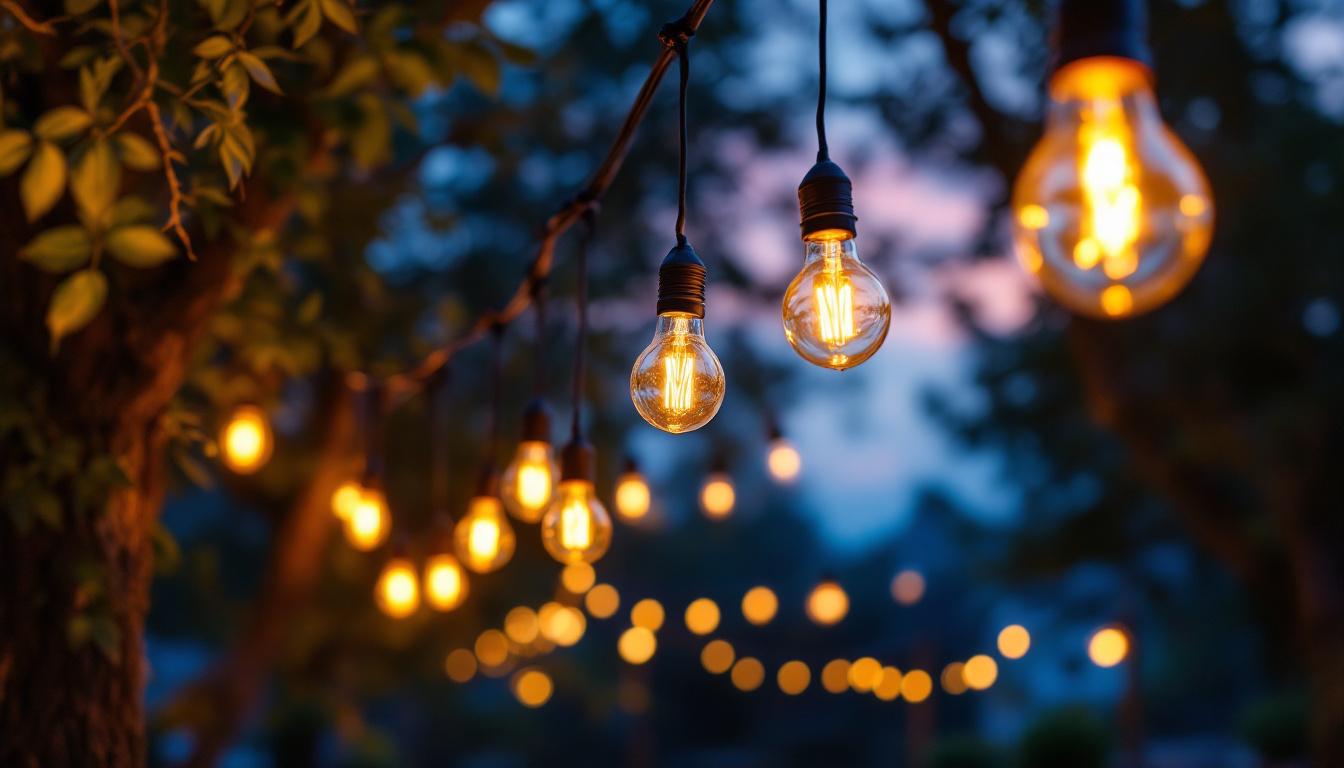
Consider the color temperature as well. Warm white (2700K to 3000K) creates a welcoming atmosphere, perfect for patios or dining areas. Cooler temperatures can be used for security or task lighting but may feel harsh in social spaces. Dimmable bulbs offer flexibility, allowing clients to adjust ambiance according to the occasion. In addition to color temperature, the choice of bulb shape and design can also enhance the overall aesthetic of outdoor spaces. Vintage-style Edison bulbs, for example, can add a charming, nostalgic touch to a garden or patio, while sleek, modern fixtures may suit contemporary settings better. Moreover, the use of decorative filament LEDs can provide the same warm glow as traditional incandescent bulbs while offering the benefits of energy efficiency and longevity.
Ensuring Proper Installation and Safety Compliance
Secure Mounting and Wiring Practices
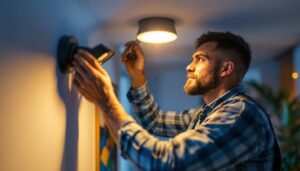
Proper installation is critical to both the longevity of the lighting and the safety of the environment. Hanging bulbs must be securely fastened to withstand wind and other outdoor elements. Use sturdy cables or chains rated for outdoor use, and ensure all mounting points are anchored into solid structures. Additionally, consider the placement of fixtures to minimize exposure to potential hazards such as falling branches or debris. Regularly inspect these installations to ensure they remain secure over time, especially after severe weather events, as this proactive approach can prevent accidents and costly repairs.
Wiring should be rated for outdoor exposure, typically using UF (underground feeder) cable or outdoor-rated extension cords. All connections must be sealed with waterproof connectors or junction boxes to prevent moisture intrusion. Ground fault circuit interrupters (GFCIs) are essential to protect against electrical shock hazards in damp conditions. It is also advisable to use weatherproof covers for any outdoor outlets and to ensure that all wiring is properly buried or protected from physical damage. This attention to detail not only enhances safety but also extends the lifespan of the electrical components involved.
Adhering to Local Electrical Codes
Compliance with local electrical codes is non-negotiable. These codes dictate everything from wire gauge to fixture placement and grounding requirements. Familiarity with the National Electrical Code (NEC) or equivalent local standards ensures installations are safe and pass inspections without delay. Moreover, local regulations may also specify the types of fixtures that can be used in certain environments, such as residential versus commercial spaces, which is crucial for ensuring both compliance and aesthetic appeal.
Lighting professionals should verify that all components, including bulbs, sockets, and wiring, are UL-listed or certified by a recognized testing laboratory for outdoor use. This certification guarantees that the products meet rigorous safety and performance standards. Additionally, it is wise to stay updated on any changes to local codes or advancements in lighting technology, as these can impact installation practices. Engaging with local electrical inspectors or attending workshops can provide valuable insights into best practices and emerging trends, ultimately enhancing the quality and safety of lighting installations.
Design Considerations for Functionality and Aesthetics
Spacing and Layout Planning
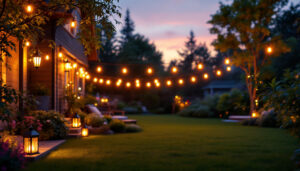
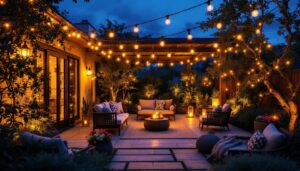
Spacing between hanging bulbs affects both illumination levels and visual appeal. Too close, and the lighting may appear cluttered or overly bright; too far apart, and it may create dark spots or uneven lighting. A general guideline is to space bulbs approximately 6 to 8 feet apart, but this varies depending on bulb wattage and fixture height. Additionally, the arrangement of the bulbs can create different atmospheres. For instance, a linear layout may evoke a more formal feel, while a staggered or zigzag pattern can introduce a playful and relaxed ambiance, perfect for casual gatherings.
Consider the height at which bulbs are hung. Typically, bulbs should be at least 7 feet above ground level to avoid head injuries and to distribute light effectively. In areas with heavy foot traffic, higher placement is preferable. However, in more intimate settings, such as dining areas or patios, lowering the bulbs slightly can create a cozy, inviting atmosphere. It’s also essential to take into account the surrounding environment; for example, trees or structures may block light, necessitating adjustments in both height and spacing to ensure an even distribution of illumination throughout the space.
Choosing the Right Fixtures and Accessories
Fixtures designed for outdoor string lighting often feature protective covers or shatterproof glass to prevent breakage. Selecting weather-resistant materials like powder-coated metals or UV-stabilized plastics extends the lifespan of the installation. Furthermore, the design of the fixtures can significantly impact the overall aesthetic. Sleek, modern fixtures may complement contemporary architecture, while vintage-style Edison bulbs can add a nostalgic charm to rustic settings. The color of the fixtures should also be considered; darker finishes can blend into the night sky, while lighter colors may stand out as decorative elements during the day.
Accessories such as dimmers, timers, and smart controls can enhance the functionality of hanging outdoor bulbs. Wireless controls allow clients to adjust lighting remotely, improving convenience and energy management. Moreover, integrating smart technology can enable users to set schedules, ensuring that lights turn on at dusk and off at dawn, which not only saves energy but also enhances security by creating the illusion of occupancy. Additionally, consider adding smart sensors that adjust brightness based on ambient light, allowing for a dynamic lighting experience that adapts to the changing environment throughout the evening.
Maintenance and Troubleshooting Tips
Routine Inspection and Cleaning
Regular maintenance keeps outdoor lighting looking sharp and functioning safely. Inspect bulbs and fixtures for signs of wear, corrosion, or damage at least twice a year. Clean bulbs gently with a soft cloth to remove dirt and debris, which can reduce light output. Additionally, consider using a gentle cleaning solution specifically designed for outdoor fixtures, as this can help maintain the integrity of the materials and improve the overall brightness of your lighting.
Replace any cracked or broken bulbs immediately to prevent electrical hazards. Check wiring and connectors for signs of fraying or water ingress, addressing issues promptly to avoid outages or safety risks. During your inspection, it’s also wise to examine the surrounding landscape. Overgrown plants or debris can obstruct light and create shadows, diminishing the effectiveness of your outdoor lighting. Trimming back foliage and clearing away any obstructions will enhance visibility and safety in your outdoor spaces.
Common Issues and Solutions
Flickering lights often indicate loose connections or voltage fluctuations. Tighten all connections and verify that the power source is stable. If flickering persists, test bulbs individually to identify faulty units. It may also be beneficial to check the circuit breaker and ensure that the circuit is not overloaded, as this can lead to inconsistent power supply and flickering lights.
Bulbs that burn out prematurely may be exposed to moisture or incompatible fixtures. Confirm that all components are rated for outdoor use and that seals are intact. Upgrading to higher-quality, weatherproof bulbs can reduce replacement frequency. Furthermore, consider installing surge protectors to shield your outdoor lighting from electrical spikes caused by storms or power surges. This proactive measure can significantly extend the lifespan of your lighting system and provide peace of mind during inclement weather.
Client Communication and Project Management
Setting Realistic Expectations
Clear communication with clients about the capabilities and limitations of hanging outdoor light bulbs is essential. Discuss the expected lifespan of bulbs, maintenance requirements, and potential weather-related impacts. This transparency helps avoid misunderstandings and builds trust.
Provide clients with lighting plans that include bulb types, spacing, and control options. Visual aids or mock-ups can help clients envision the final installation and make informed decisions.
Coordinating with Other Trades
Outdoor lighting projects often intersect with landscaping, electrical, and construction work. Coordinating schedules and responsibilities ensures a smooth installation process. Confirm that power sources are in place and that any necessary permits have been secured before beginning work.
Collaboration with other professionals can also enhance the overall design, integrating lighting seamlessly with the outdoor environment.
Conclusion: Mastering Hanging Outdoor Light Bulbs
Success in installing hanging outdoor light bulbs hinges on attention to detail-from selecting the right bulbs and fixtures to ensuring safe, code-compliant installation. A well-planned layout combined with regular maintenance maximizes both functionality and aesthetic appeal.
Lighting professionals who follow this checklist can deliver reliable, beautiful outdoor lighting solutions that meet client expectations and withstand the elements for years to come.
Illuminate Your Projects with LumenWholesale
Ready to elevate your outdoor lighting projects with premium, spec-grade solutions? Look no further than LumenWholesale, where we provide lighting professionals like you with the highest quality products at unbeatable wholesale prices. Say goodbye to inflated markups and hello to a vast selection of reliable, high-performance lighting that meets the most rigorous industry standards. Plus, with the convenience of free shipping on bulk orders, you can ensure that your installations shine brightly without breaking the bank. Don’t compromise on quality or value—discover the best wholesale lighting deals at LumenWholesale today.