Understanding the Importance of Garage Wall Lighting
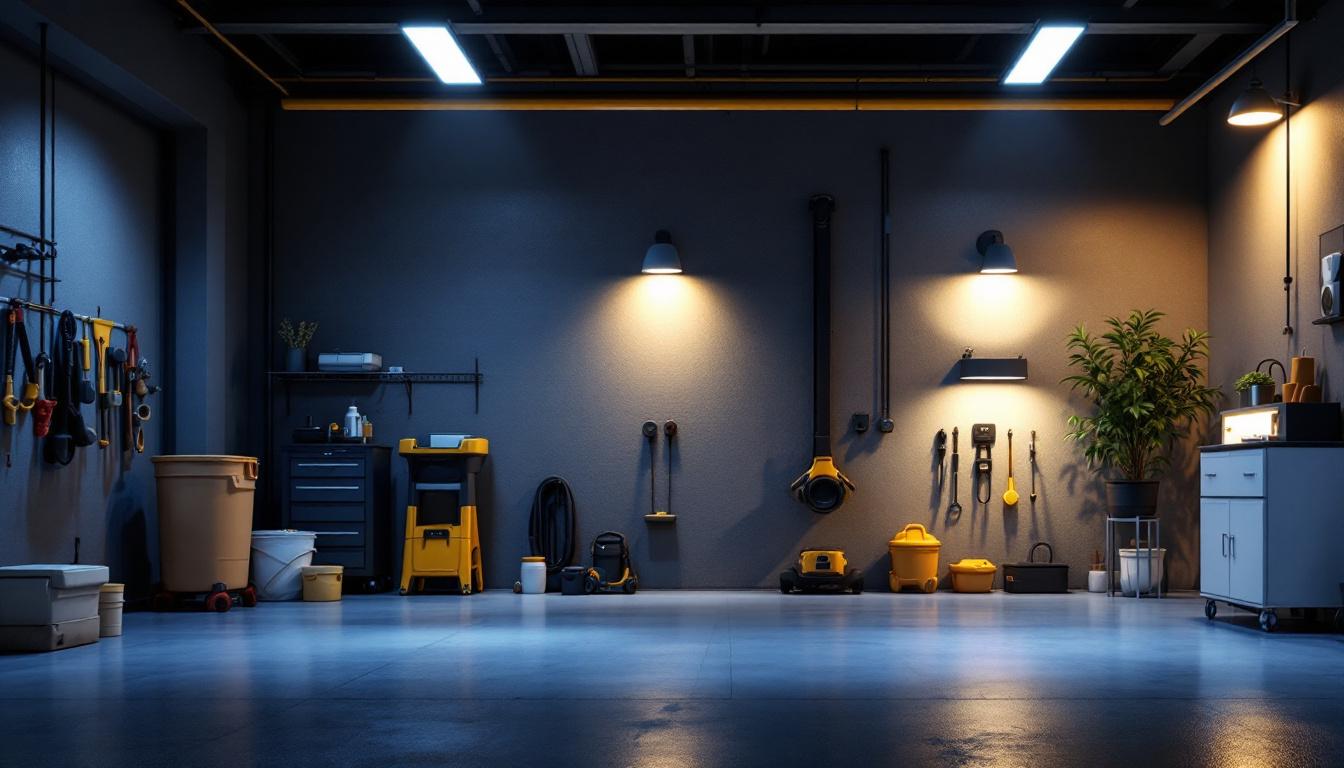
Garage wall lighting plays a crucial role in both residential and commercial settings. For lighting contractors, understanding the unique requirements of garage spaces is essential to delivering solutions that enhance safety, functionality, and aesthetics. Unlike typical room lighting, garage lighting must address a variety of challenges including limited natural light, moisture exposure, and the need for task-specific illumination.
Properly designed garage wall lighting not only improves visibility but also contributes to energy efficiency and security. According to industry research, well-lit garages can reduce the risk of accidents and deter potential intruders, making lighting a critical component of any garage renovation or new construction project.
The Multifaceted Role of Garage Lighting
Garages serve multiple purposes beyond vehicle storage—they often function as workshops, laundry areas, or storage spaces. This diversity demands lighting solutions that are adaptable and tailored to specific activities. Wall-mounted fixtures are particularly effective in these environments, providing focused light without occupying valuable ceiling space.
Moreover, garage lighting impacts the overall user experience. Contractors who recommend and install the right fixtures can significantly enhance the usability of the space, making it safer and more welcoming for homeowners and commercial users alike. For instance, integrating LED strip lights along workbenches can provide excellent task lighting for intricate projects, while motion-sensor lights can automatically illuminate the area when someone enters, ensuring that users never have to fumble for a switch in the dark.
In addition to practical considerations, the aesthetic aspect of garage wall lighting should not be overlooked. With a variety of styles available—from sleek, modern designs to more traditional fixtures—contractors can help clients choose options that complement the overall design of their homes or businesses. This attention to detail not only enhances the functionality of the garage but also contributes to the property’s curb appeal, making it an integral part of the overall architectural vision.
Key Considerations for Selecting Garage Wall Lighting
When advising clients on garage wall lighting, contractors must evaluate several factors to ensure optimal performance and longevity of the installation.
Durability and Environmental Resistance
Garages are often exposed to fluctuating temperatures, humidity, dust, and sometimes chemical fumes. Lighting fixtures must be rated for damp or wet locations, with appropriate ingress protection (IP) ratings to withstand these conditions. For example, fixtures with an IP65 rating are dust-tight and protected against water jets, making them suitable for most garage environments.
Materials such as powder-coated aluminum or stainless steel housings offer enhanced durability and corrosion resistance, which is vital for maintaining fixture integrity over time. Additionally, the use of tempered glass lenses can further enhance the longevity of the fixtures, as they are less prone to cracking or shattering under impact, a common occurrence in busy garages where tools and equipment are frequently moved around.
Lighting Performance and Efficiency
Energy efficiency is a top priority for many clients. LED technology has become the standard for garage lighting due to its low energy consumption, long lifespan, and superior light quality. Contractors should recommend LEDs with a high Color Rendering Index (CRI) to ensure colors appear natural, which is particularly important for tasks like automotive repair or detailed handiwork.
Brightness levels are measured in lumens, and garages typically require between 2,000 and 4,000 lumens depending on size and usage. Adjustable fixtures or those with dimming capabilities offer additional flexibility for users. Furthermore, integrating smart lighting solutions can enhance energy efficiency; clients can control their garage lighting remotely or set schedules, ensuring lights are only on when needed, thus reducing electricity bills and extending the lifespan of the fixtures.
Fixture Placement and Light Distribution
Wall-mounted lighting must be strategically positioned to minimize shadows and glare. Placing fixtures at eye level or slightly above helps distribute light evenly across work areas. In larger garages, multiple fixtures may be necessary to avoid dark spots.
Contractors should also consider the beam angle of the fixture. Narrow beams provide focused task lighting, while wider beams are better for general illumination. Combining both types can create a balanced lighting scheme that meets all functional needs. Additionally, incorporating motion sensors can enhance the functionality of the lighting; these sensors ensure that lights automatically turn on when someone enters the garage, providing immediate visibility and convenience, especially in larger spaces where reaching a switch may not be practical. This not only improves safety but also adds an element of modern technology to the garage environment, appealing to tech-savvy clients.
Popular Types of Garage Wall Lighting Fixtures
Lighting contractors have a variety of fixture options to choose from, each with distinct advantages depending on the project requirements.
Wall Pack Lights
Wall pack lights are robust, often used for exterior garage walls but equally effective indoors. They provide broad, powerful illumination and are typically weather-resistant. Their design deters vandalism and is ideal for security lighting, enhancing visibility around garage entrances and driveways.
LED Wall Sconces
For residential garages, LED wall sconces offer a blend of style and function. These fixtures can complement the architectural design while delivering ample light for everyday tasks. Many models come with motion sensors or dusk-to-dawn controls, adding convenience and energy savings.
Strip and Linear Lights
Linear LED fixtures mounted on walls are excellent for workbench areas. They provide uniform, shadow-free illumination, which is critical for precision tasks. Their slim profiles make them unobtrusive, and they can be linked together for continuous lighting along a wall.
Adjustable Wall-Mounted Task Lights
Task lighting that can be directed or angled offers flexibility for garages used as workshops. These fixtures allow users to focus light exactly where it is needed, improving visibility for detailed projects. Many come with extendable arms or swivel heads for maximum adaptability.
Installation Best Practices for Garage Wall Lighting
Proper installation is essential to maximize the benefits of garage wall lighting. Lighting contractors should follow industry standards and best practices to ensure safety, functionality, and client satisfaction.
Electrical Considerations and Code Compliance
All garage lighting installations must comply with local electrical codes and regulations. This includes using appropriate wiring methods, circuit protection, and grounding. Contractors should verify that fixtures are compatible with existing electrical systems and consider dedicated circuits for high-power lighting setups.
Ground Fault Circuit Interrupters (GFCIs) are often required in garages due to the potential for moisture exposure. Ensuring that wall lighting circuits are protected by GFCI breakers or outlets enhances safety.
Mounting Height and Spacing
Mounting height affects both the quality of light and fixture accessibility. Typically, wall fixtures in garages are installed between 6 and 7 feet above the floor. This height balances effective light spread with ease of maintenance.
Spacing between fixtures depends on the lumen output and beam angle. A general guideline is to space fixtures approximately 4 to 6 feet apart to achieve uniform coverage, but contractors should tailor this based on specific fixture specifications and garage dimensions.
Wiring and Control Integration
Integrating lighting controls such as dimmers, timers, and motion sensors can enhance user experience and energy efficiency. Contractors should plan wiring routes to accommodate these devices and advise clients on the benefits of smart lighting systems that can be controlled remotely or programmed for automated operation.
Maintenance and Troubleshooting Tips
Long-term performance of garage wall lighting depends on regular maintenance and prompt troubleshooting. Lighting contractors can provide valuable guidance to clients to extend fixture lifespan and maintain optimal illumination.
Routine Cleaning and Inspection
Dust, dirt, and grease can accumulate on fixtures, reducing light output. Regular cleaning with appropriate non-abrasive materials helps maintain brightness. Inspecting fixtures for signs of corrosion, loose connections, or damage is also important, especially in garages with harsh environmental conditions.
Replacing Components and Upgrades
LED fixtures typically have long service lives, but drivers and sensors may require replacement over time. Contractors should keep records of installed products and recommend timely upgrades or component replacements to avoid unexpected failures.
Addressing Common Issues
Flickering lights, dimming, or complete outages often indicate wiring problems, incompatible dimmers, or fixture defects. Troubleshooting should begin with verifying power supply and connections, followed by testing individual components. Providing clients with clear instructions on when to call a professional can prevent safety hazards and costly repairs.
Emerging Trends and Innovations in Garage Wall Lighting
The lighting industry continues to evolve, offering contractors new tools and technologies to enhance garage lighting solutions.
Smart Lighting Integration
Smart lighting systems enable remote control, scheduling, and customization of lighting scenes. For garages, this means users can turn lights on before entering or adjust brightness based on activity. Integration with home automation platforms adds convenience and energy savings.
Human-Centric Lighting
Advancements in tunable white LED technology allow lighting to mimic natural daylight cycles. This can improve comfort and alertness during extended garage use. Contractors can advise clients on fixtures that support adjustable color temperatures to suit different tasks and times of day.
Energy Harvesting and Sustainable Solutions
Solar-powered wall lights and fixtures with energy harvesting capabilities are gaining traction, particularly for exterior garage lighting. These options reduce reliance on grid power and support green building initiatives, appealing to environmentally conscious clients.
Conclusion: Delivering Value through Expert Garage Wall Lighting
For lighting contractors, mastering garage wall lighting is an opportunity to provide significant value to clients. By understanding the unique demands of garage environments, selecting appropriate fixtures, and adhering to best installation practices, contractors can enhance safety, functionality, and aesthetics.
Staying informed about industry trends and emerging technologies allows contractors to offer innovative solutions that meet evolving client expectations. Ultimately, well-executed garage wall lighting projects contribute to satisfied customers and a strong professional reputation.
Illuminate Your Projects with LumenWholesale
Ready to elevate your garage wall lighting installations with premium products that promise performance and value? Look no further than LumenWholesale, where we specialize in providing lighting contractors with spec-grade lighting solutions at unbeatable wholesale prices. Say goodbye to local distributor markups and hello to a vast selection of high-quality lighting that meets the most rigorous industry standards. Plus, with free shipping on bulk orders, you can stock up on superior lighting without the worry of hidden fees. Don’t compromise on quality or cost—choose LumenWholesale for the perfect blend of affordability and convenience. Discover our extensive range and take advantage of the best value in wholesale lighting by visiting Wholesale Lighting at the Best Value today.