Understanding LED Light Strips: The Basics Every Contractor Should Know
LED light strips have transformed the lighting industry, offering unparalleled flexibility and energy efficiency. For lighting contractors, these strips are more than just a trendy option—they represent a practical solution that meets client demands for sustainability and design versatility.
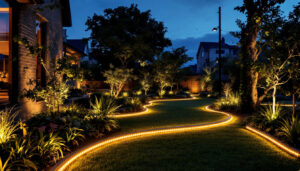
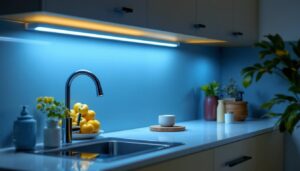
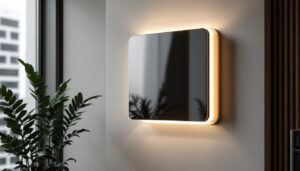
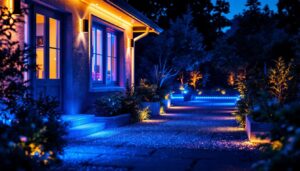
At their core, LED light strips are flexible circuit boards populated with surface-mounted light-emitting diodes (LEDs). Unlike traditional bulbs, these strips can be cut to size and installed in places where conventional lighting simply won’t fit. This adaptability makes them ideal for accent lighting, under-cabinet illumination, cove lighting, and even outdoor applications. Their flexibility also allows for creative installations, such as wrapping around furniture or creating intricate designs that highlight architectural features, thus enhancing the overall aesthetic of a space.
What sets LED strips apart is their low power consumption combined with high luminous efficacy. They deliver bright, consistent light while using a fraction of the energy that incandescent or fluorescent lighting requires. This efficiency translates into lower electricity bills and a reduced carbon footprint—both critical selling points when discussing options with clients. Furthermore, the longevity of LED strips, often exceeding 50,000 hours, means less frequent replacements and maintenance, making them a cost-effective choice in the long run. This durability is particularly appealing for commercial applications where downtime can be costly.
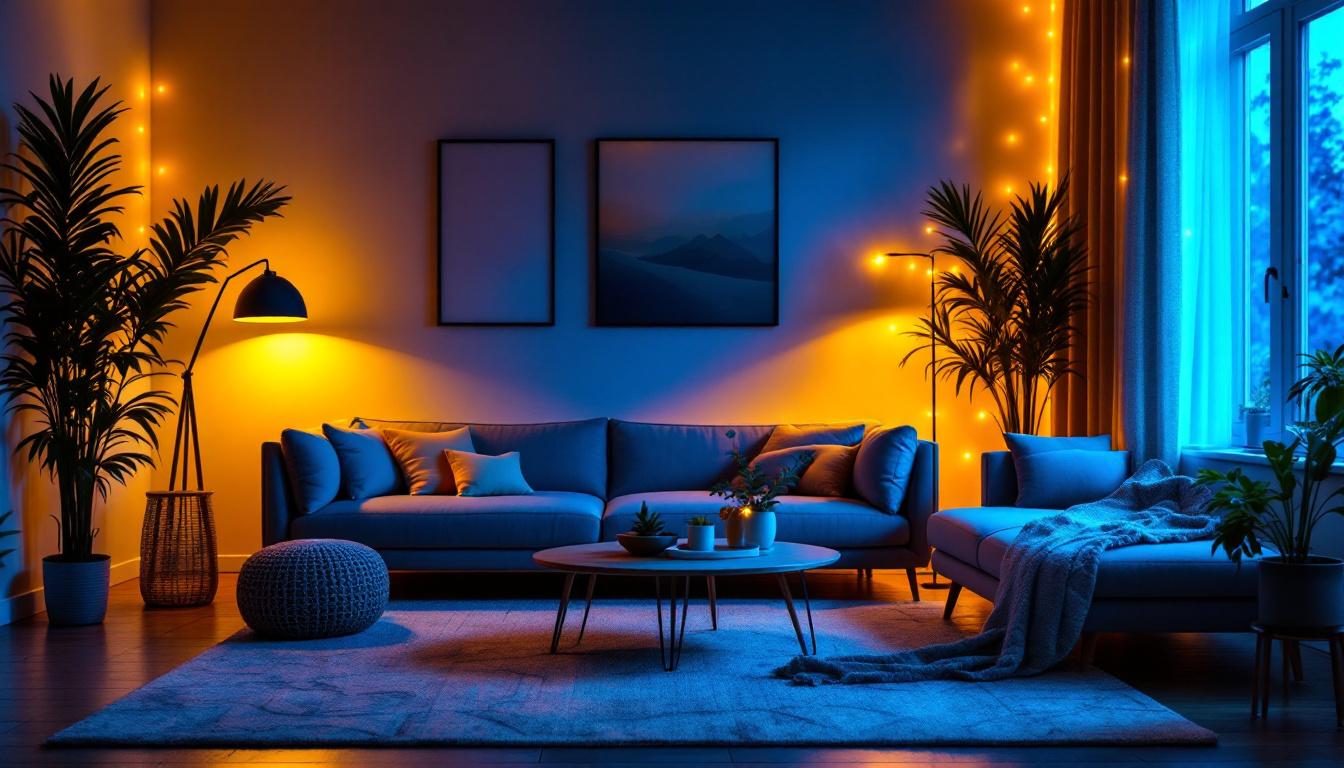
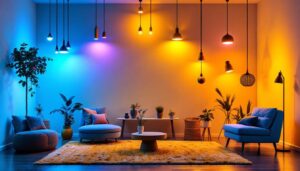
In addition to their practical benefits, LED light strips come in a variety of colors and color temperatures, allowing contractors to create customized lighting solutions that cater to specific client preferences. From warm white tones that evoke a cozy atmosphere to vibrant colors that can change with the push of a button, the possibilities are endless. Many strips also come with smart technology integration, enabling clients to control their lighting through mobile apps or voice commands, further enhancing user experience and convenience. This level of customization not only meets aesthetic demands but also allows for energy-saving features, such as dimming or scheduling, which can significantly reduce energy consumption in both residential and commercial settings.
Energy Efficiency and Cost Savings: Why LED Strips Lead the Way
Reduced Energy Consumption
Energy efficiency is the primary reason contractors recommend LED light strips. These strips use up to 75% less energy than traditional incandescent lighting, and around 30-40% less than compact fluorescents. For commercial projects, this can mean significant savings on operational costs over time.
For example, a retail space outfitted with LED strips for shelf and display lighting can maintain bright, attractive illumination without the heavy energy draw of older lighting technologies. This not only cuts costs but also aligns with corporate sustainability goals that many clients prioritize. Moreover, the reduced energy consumption translates to a smaller carbon footprint, making LED strips an eco-friendly choice that resonates well with environmentally conscious consumers and businesses alike. As more companies seek to enhance their green credentials, the adoption of LED technology becomes a strategic advantage in the marketplace.
Long Lifespan and Lower Maintenance
LED strips boast impressive longevity, often rated for 25,000 to 50,000 hours of use. This far exceeds the lifespan of incandescent bulbs and even many fluorescent options. For contractors, this means fewer service calls and replacements, which benefits both the installer and the end user.
Long-lasting lighting reduces downtime and maintenance costs. In commercial environments like hotels or office buildings, this reliability is invaluable. Clients appreciate lighting solutions that don’t require constant attention or frequent bulb changes. Furthermore, the durability of LED strips makes them resistant to shock and vibration, which is particularly advantageous in high-traffic areas or industrial settings. This resilience not only enhances safety by reducing the risk of lighting failures but also contributes to a more consistent and inviting atmosphere for employees and customers alike. The combination of low maintenance and high durability positions LED strips as a smart investment for any business looking to optimize their operational efficiency.
Installation Considerations for Contractors
Choosing the Right LED Strip
Not all LED strips are created equal. Contractors must evaluate several factors to select the best product for each project:
- Brightness (Lumens): Different applications require different light intensities. Accent lighting might need lower lumens, while task lighting demands brighter strips.
- Color Temperature: LED strips come in a range of color temperatures, from warm white (2700K) to cool white (6500K). Matching the color temperature to the environment enhances ambiance and functionality.
- IP Rating: For outdoor or damp locations, strips with a high Ingress Protection (IP) rating are essential to prevent damage from moisture and dust.
- Voltage and Power Supply: Most LED strips operate on low voltage (12V or 24V), requiring compatible power supplies. Ensuring proper voltage prevents flickering and extends product life.
Additionally, contractors should consider the LED strip’s flexibility and cut-ability. Some projects may require custom lengths or shapes, and strips that can be easily cut to size offer greater versatility. Moreover, the quality of the LED chips used can significantly affect the longevity and color consistency of the light output, making it crucial to choose reputable brands with proven performance records.
Surface Preparation and Mounting
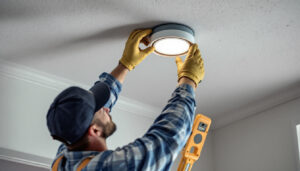
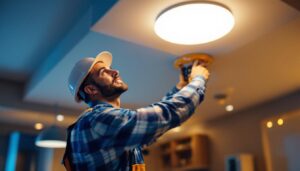
Proper installation begins with surface preparation. LED strips typically come with adhesive backing, but this alone may not suffice on uneven or dusty surfaces. Cleaning the area thoroughly and allowing it to dry ensures a secure bond.
For long-term durability, especially in commercial settings, mechanical fasteners or mounting channels can supplement adhesive backing. This approach prevents strips from peeling over time, which can be a common issue in high-traffic or humid environments. Additionally, using mounting clips can provide extra support and help maintain the alignment of the strips, ensuring an even light distribution that enhances the overall aesthetic of the installation.
Wiring and Control Integration
Integrating LED strips with control systems enhances their functionality. Dimmers, color controllers, and smart home or building automation systems allow clients to customize lighting scenes and schedules.
Contractors should be familiar with wiring standards and control compatibility. Using the correct connectors and ensuring secure, waterproof connections in outdoor installations is critical to system reliability. Furthermore, it is beneficial to educate clients on the advantages of programmable lighting, such as energy savings and the ability to create dynamic environments that can change throughout the day. This not only adds value to the installation but also empowers clients to take full advantage of their lighting systems.
Design Flexibility: Meeting Client Expectations
Architectural and Decorative Applications
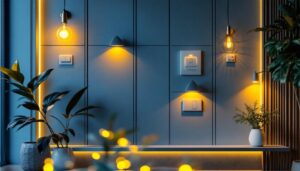
LED strips offer designers and contractors a palette of possibilities. Their slim profile and flexibility allow for creative installations that highlight architectural features, create mood lighting, or provide subtle illumination in tight spaces.
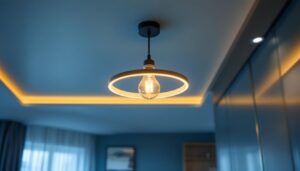
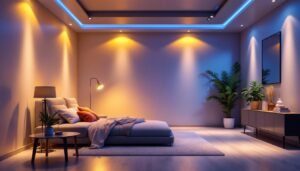
For instance, installing LED strips in recessed ceilings or behind crown molding can produce a soft, indirect glow that enhances room ambiance without overwhelming the space. These subtle effects are highly sought after in upscale residential and hospitality projects.
Color and Dynamic Lighting
RGB and RGBW LED strips enable dynamic color changes and effects. This capability is popular in entertainment venues, restaurants, and retail stores where lighting can influence atmosphere and customer experience.
Contractors should advise clients on the benefits of programmable lighting, including energy savings through automation and the ability to tailor lighting to different times of day or events.
Environmental Impact and Regulatory Compliance
Reducing Carbon Footprint
Energy-efficient lighting is a cornerstone of reducing environmental impact. LED strips consume less power and generate less heat, which can also reduce cooling loads in buildings. These factors contribute to lower greenhouse gas emissions associated with electricity generation.
Clients increasingly demand sustainable solutions, and contractors who can demonstrate the environmental benefits of LED strips position themselves as responsible industry leaders.
Meeting Codes and Standards
Compliance with local and national electrical codes is non-negotiable. Contractors must ensure that LED strip installations meet safety standards, including proper grounding, circuit protection, and fire safety requirements.
Many jurisdictions now require energy-efficient lighting for new constructions and renovations. Being well-versed in these regulations helps contractors guide clients through permitting processes and avoid costly rework.
Common Challenges and How to Overcome Them
Heat Management
Although LED strips generate less heat than traditional lighting, heat buildup can still affect performance and lifespan. Installing strips on heat-dissipating surfaces or using aluminum channels can mitigate this issue.
Contractors should avoid placing strips in enclosed spaces without ventilation. Proper heat management ensures consistent light output and prevents premature failure.
Voltage Drop and Uniformity
Voltage drop along long runs of LED strips can cause uneven brightness, with the far end appearing dimmer. To counter this, contractors can use thicker gauge wiring, supply power at multiple points, or limit strip lengths per power source.
Planning the layout carefully and testing before final installation avoids costly troubleshooting later.
Adhesive Failure
Adhesive backing may fail on textured, dusty, or greasy surfaces. Preparing surfaces thoroughly and using additional mechanical fasteners or mounting channels can prevent strips from detaching.
Future Trends in LED Strip Lighting
As LED technology advances, expect to see even more efficient chips, improved color rendering, and smarter control options. Integration with IoT (Internet of Things) platforms will allow lighting systems to respond dynamically to occupancy, daylight levels, and user preferences.
For contractors, staying current with these trends ensures they can offer cutting-edge solutions that deliver value and satisfaction to clients.
Conclusion: Why LED Light Strips Should Be Part of Every Contractor’s Toolkit
LED light strips are not just a lighting option; they are a strategic choice for energy efficiency, design flexibility, and long-term cost savings. Their versatility makes them suitable for a wide range of applications, from residential to commercial and outdoor environments.
Contractors who understand the technical nuances, installation best practices, and emerging trends will be well-positioned to meet client expectations and contribute to sustainable building practices. Incorporating LED strips into projects is a smart move that benefits everyone involved-from installers to end users.
Illuminate Your Projects with LumenWholesale
Ready to enhance your lighting projects with the efficiency and versatility of LED light strips? Look no further than LumenWholesale for a comprehensive range of spec-grade lighting solutions. We provide contractors with the high-quality, energy-efficient lighting products you need at unbeatable wholesale prices. Say goodbye to inflated markups and hello to premium lighting with the convenience of free shipping. Elevate your next project with the confidence that comes from using reliable, high-performance lighting. Discover the value and quality that LumenWholesale offers by visiting our extensive selection today. Wholesale Lighting at the Best Value is just a click away.