Introduction to Outdoor Electric Lanterns
Outdoor electric lanterns have become an essential component in modern landscape and architectural lighting projects. For lighting contractors, understanding the nuances of these fixtures is critical to delivering high-quality, durable, and aesthetically pleasing installations. Unlike traditional lanterns that rely on candles or gas, electric lanterns offer enhanced safety, energy efficiency, and versatility, making them ideal for a wide range of outdoor applications.
Whether illuminating pathways, enhancing garden features, or providing ambient lighting for outdoor living spaces, electric lanterns combine classic design with contemporary technology. This handbook aims to equip lighting contractors with the knowledge necessary to select, install, and maintain outdoor electric lanterns effectively, ensuring client satisfaction and long-term performance.
One of the key advantages of outdoor electric lanterns is their ability to integrate with smart home technology. Many modern electric lanterns come equipped with features such as remote control, dimming capabilities, and programmable timers, allowing homeowners to customize their outdoor lighting experience. This integration not only enhances convenience but also contributes to energy savings, as users can easily adjust lighting based on their needs and preferences. Additionally, the use of LED bulbs in these lanterns significantly extends their lifespan and reduces maintenance costs, making them a wise investment for both contractors and clients alike.
Moreover, the aesthetic appeal of outdoor electric lanterns cannot be overstated. Available in a myriad of styles, finishes, and designs, these fixtures can complement various architectural themes, from rustic to modern. Lighting contractors can offer clients a tailored solution that aligns with their vision, whether it’s a vintage-inspired lantern that evokes a sense of nostalgia or a sleek, minimalist design that enhances a contemporary outdoor space. The versatility in design also allows for creative lighting solutions, such as highlighting specific features of a landscape or creating inviting atmospheres for gatherings, thereby transforming outdoor spaces into enchanting environments.
Types of Outdoor Electric Lanterns and Their Applications
Traditional Style Lanterns
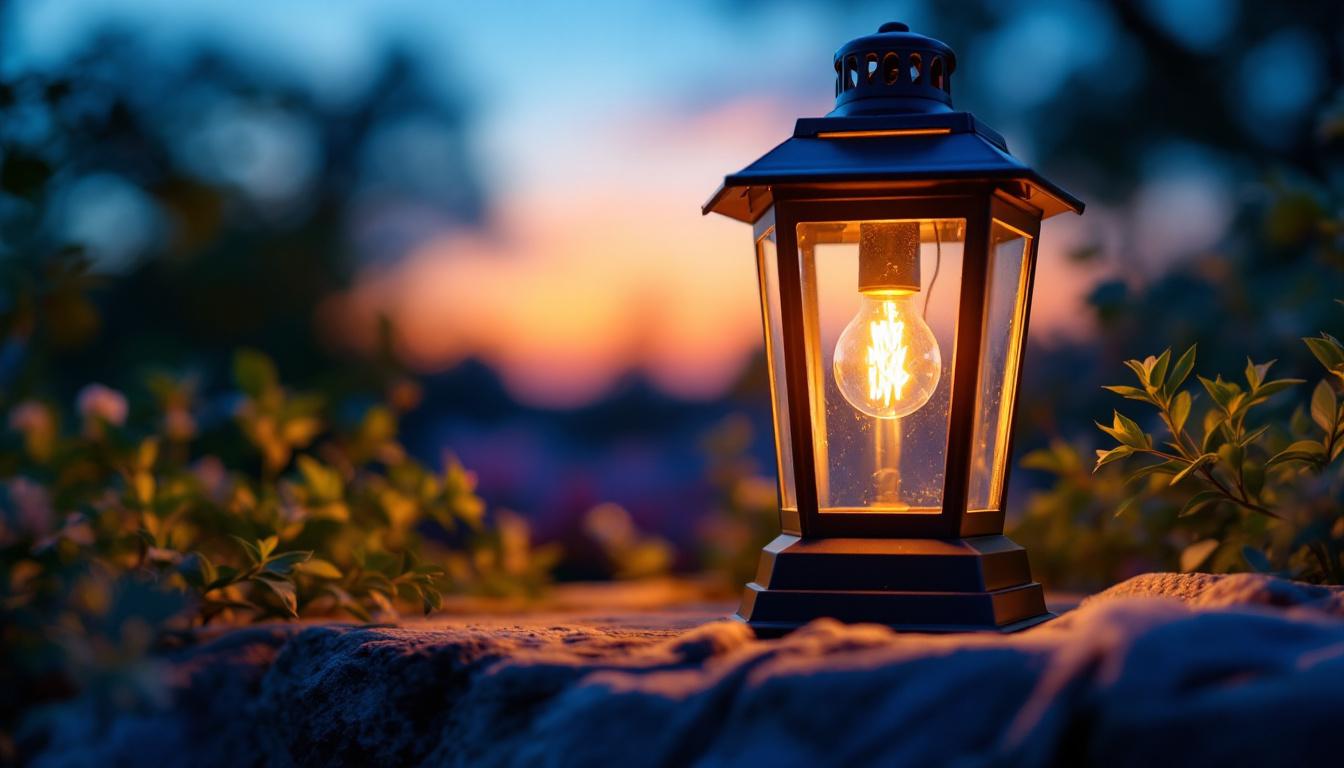
Traditional outdoor electric lanterns often mimic the look of classic gas or candle lanterns, featuring metal frames and glass panels. These fixtures are popular in residential settings and historic districts where maintaining architectural integrity is important. They typically use LED or incandescent bulbs and can be mounted on walls, posts, or ceilings.
Lighting contractors should be aware that while traditional styles offer timeless appeal, they may require more maintenance due to their intricate designs and multiple components. Selecting weather-resistant materials such as powder-coated aluminum or brass can enhance durability. Additionally, these lanterns can be enhanced with decorative elements such as antique finishes or ornate glass patterns, which can further elevate their aesthetic appeal. When installed in gardens or along pathways, they not only provide illumination but also create a charming ambiance, making outdoor spaces more inviting during evening gatherings.
Modern and Minimalist Lanterns
Modern outdoor electric lanterns emphasize sleek lines and minimalist designs, often incorporating materials like stainless steel, frosted glass, or composite plastics. These fixtures are well-suited for contemporary homes, commercial spaces, and urban environments. Many come with integrated LED modules that offer energy savings and long service life.
For contractors, understanding the compatibility of these fixtures with smart lighting controls and dimming systems can add value to installations, providing clients with customizable lighting experiences. Furthermore, some modern lanterns feature motion sensors or timers, which enhance security while optimizing energy consumption. Their versatile designs allow for creative placements, whether lining a driveway, accentuating architectural features, or illuminating outdoor dining areas, thus enhancing both functionality and style in modern outdoor settings.
Solar-Powered Lanterns
Solar-powered outdoor electric lanterns have gained popularity due to their eco-friendly nature and ease of installation. These lanterns harness solar energy during the day and automatically illuminate at night, eliminating the need for wiring. They are ideal for remote areas or projects with limited access to electrical infrastructure.
However, contractors should evaluate the solar panel quality, battery capacity, and light output to ensure the lantern meets the project’s lighting requirements. Seasonal variations in sunlight and potential shading from trees or structures must also be considered during placement. Additionally, many solar lanterns now come equipped with innovative features such as adjustable brightness settings and color-changing capabilities, allowing users to tailor their outdoor lighting to suit different occasions. This adaptability makes solar lanterns not only a practical choice for energy-conscious consumers but also a versatile option for enhancing outdoor aesthetics, whether for festive gatherings or quiet evenings under the stars.
Key Features and Specifications to Consider
Material and Weather Resistance
Outdoor electric lanterns must withstand harsh environmental conditions, including rain, wind, temperature fluctuations, and UV exposure. Materials such as marine-grade aluminum, stainless steel, and tempered glass are preferred for their corrosion resistance and durability. These materials not only enhance the aesthetic appeal of the lanterns but also ensure they remain functional and visually appealing over time, even in the face of the elements.
Contractors should verify that fixtures have appropriate Ingress Protection (IP) ratings—typically IP44 or higher—to ensure protection against dust and water ingress. This is especially critical in coastal or industrial environments where corrosion risk is elevated. Additionally, lanterns designed with UV-resistant coatings can further prolong their lifespan, preventing fading and degradation from prolonged sun exposure. Choosing the right materials and protective features is essential for maintaining the integrity and longevity of outdoor lighting installations.
Light Source and Efficiency
LED technology dominates the outdoor lighting market due to its superior energy efficiency, longevity, and low heat emission. When selecting lanterns, contractors should prioritize fixtures with high luminous efficacy (lumens per watt) and quality LEDs that offer consistent color temperature and minimal flicker. This not only enhances the overall lighting experience but also contributes to energy savings, making LED lanterns a sustainable choice for both residential and commercial applications.
Color temperature is another important factor; warm white (2700K–3000K) creates a cozy ambiance suitable for residential settings, while neutral white (3500K–4100K) or cool white (5000K+) may be preferred for commercial or security lighting. Furthermore, the ability to adjust color temperatures through smart lighting technology is becoming increasingly popular, allowing users to customize their outdoor spaces for different occasions or moods. This flexibility can significantly enhance the usability and appeal of outdoor areas, making them more inviting for gatherings or events.
Mounting Options and Installation Considerations
Outdoor electric lanterns come with various mounting options including wall mounts, post tops, hanging chains, and stake mounts. Proper selection depends on the project’s design, structural support availability, and desired lighting effect. For instance, wall-mounted lanterns can provide focused illumination for pathways, while post tops are ideal for illuminating larger areas such as driveways or gardens.
Contractors must also consider ease of installation and maintenance access. Fixtures with modular designs and tool-free entry simplify bulb replacement and cleaning, reducing labor costs and downtime. Additionally, integrating smart technology into the installation process can streamline operations further; features such as remote control or app-based management allow for convenient adjustments and monitoring of the lighting system. This adaptability not only enhances functionality but also aligns with modern trends in smart home integration, making outdoor spaces more versatile and user-friendly.
Installation Best Practices for Lighting Contractors
Site Assessment and Planning
Before installation, a thorough site assessment is essential. This includes evaluating the landscape layout, existing electrical infrastructure, and environmental factors such as exposure to moisture and potential vandalism.
Lighting contractors should collaborate with landscape architects and clients to understand the functional and aesthetic goals of the project. Proper planning ensures that lantern placement maximizes illumination while minimizing glare and light pollution.
Electrical Safety and Compliance
Adhering to local electrical codes and safety standards is paramount. Outdoor electric lanterns must be connected using weatherproof wiring and fittings, with appropriate grounding and circuit protection.
Contractors should use ground-fault circuit interrupters (GFCIs) for outdoor circuits to prevent electrical shock hazards. Additionally, verifying that all components are UL-listed or certified by recognized testing laboratories ensures compliance and reliability.
Wiring and Connection Techniques
Proper wiring techniques include using outdoor-rated cables, secure connections with waterproof connectors, and strain relief to prevent damage. Concealing wiring within conduit or landscape features protects against physical damage and enhances aesthetics.
When working with solar-powered lanterns, contractors should ensure that solar panels are positioned for optimal sun exposure and that batteries are installed in ventilated, protected enclosures.
Maintenance and Troubleshooting
Routine Inspection and Cleaning
Regular maintenance extends the lifespan of outdoor electric lanterns and maintains optimal light output. Contractors should recommend periodic inspections to check for corrosion, moisture ingress, and damage to wiring or fixtures.
Cleaning glass panels and fixture surfaces removes dirt and debris that can diminish light quality. Using non-abrasive cleaners and soft cloths prevents scratching and preserves finishes.
Common Issues and Solutions
Lighting contractors often encounter issues such as flickering lights, dimming, or complete failure. These problems can stem from loose connections, degraded LEDs, or power supply faults.
Diagnosing problems involves systematic testing of electrical components and replacing defective parts. Keeping a stock of compatible bulbs, drivers, and connectors facilitates quick repairs and minimizes downtime for clients.
Emerging Trends and Technologies in Outdoor Electric Lanterns
Smart Lighting Integration
Advancements in smart lighting technology have transformed outdoor electric lanterns into interactive components of home automation systems. Features such as remote control, scheduling, motion sensing, and color tuning enhance user convenience and energy management.
Lighting contractors should familiarize themselves with popular smart platforms and communication protocols like Zigbee, Z-Wave, and Wi-Fi to offer integrated solutions that meet modern client expectations.
Energy Harvesting and Sustainable Solutions
Beyond solar power, new energy harvesting technologies are emerging, including kinetic and wind-powered lanterns. These innovations align with growing demand for sustainable and off-grid lighting solutions.
Contractors who stay informed about these developments can advise clients on cutting-edge options that reduce environmental impact while maintaining performance.
Conclusion
Outdoor electric lanterns represent a vital intersection of design, technology, and functionality in the lighting industry. For lighting contractors, mastering the selection, installation, and maintenance of these fixtures is essential to delivering superior outdoor lighting solutions.
By understanding the diverse types of lanterns, key technical specifications, best installation practices, and emerging trends, contractors can enhance their expertise, improve project outcomes, and meet the evolving needs of their clients. This comprehensive knowledge not only ensures the longevity and effectiveness of outdoor lighting installations but also positions contractors as trusted professionals in a competitive marketplace.
Illuminate Your Projects with LumenWholesale
Ready to elevate your lighting projects with the finest outdoor electric lanterns on the market? Look no further than LumenWholesale, where we provide lighting contractors with spec-grade lighting products at unbeatable wholesale prices. Say goodbye to local distributor markups and hello to a vast selection of reliable, high-performance lighting that meets the highest industry standards. Make your next project shine with the perfect blend of quality, affordability, and convenience. Take advantage of our hassle-free bulk buying and free shipping today. Discover the best value in lighting by visiting Wholesale Lighting at the Best Value and light up your outdoor spaces with confidence.