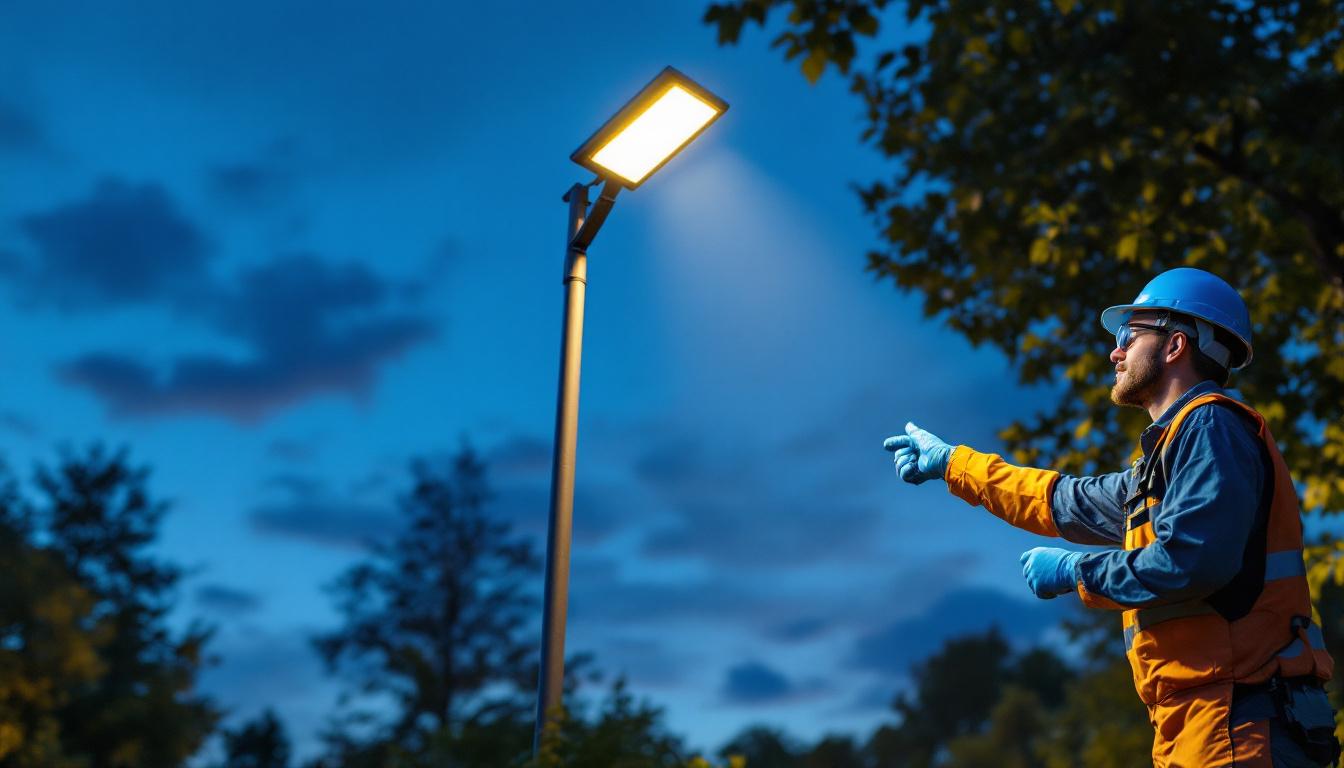
As the demand for effective and efficient lighting solutions continues to grow, lighting contractors play a crucial role in transforming spaces through innovative designs. However, navigating the complexities of lighting projects can be challenging. This article provides essential do’s and don’ts for lighting contractors to ensure successful installations and satisfied clients.
The Importance of Planning
Effective planning is the cornerstone of any successful lighting project. It not only sets the stage for execution but also helps in anticipating potential challenges. A well-thought-out plan allows contractors to align their vision with the client’s expectations, ensuring a smooth workflow. Moreover, a detailed plan can serve as a roadmap throughout the project, helping to keep all stakeholders informed and engaged at every stage of the process. This proactive approach minimizes the risk of costly adjustments or delays, ultimately leading to a more efficient project timeline.
Assess Client Needs
Before diving into the technical aspects of lighting design, it is vital to understand the client’s requirements. Conducting thorough consultations can unveil their preferences, budget constraints, and desired outcomes. This foundational step helps in creating a tailored lighting solution that meets their specific needs. Engaging with clients through questionnaires or interactive workshops can further refine the understanding of their vision, allowing for a more collaborative approach to design.
Listening actively to clients can also foster trust and rapport. By demonstrating an understanding of their vision, contractors can position themselves as knowledgeable partners in the project, rather than just service providers. This relationship-building not only enhances communication but can also lead to referrals and repeat business, as satisfied clients are more likely to share their positive experiences with others. Furthermore, a strong client-contractor relationship can pave the way for innovative ideas, as clients may feel more comfortable sharing their aspirations and feedback throughout the project.
Conduct a Site Evaluation
A comprehensive site evaluation is essential for identifying the unique characteristics of the environment. Factors such as the architecture, existing electrical systems, and natural light sources should be considered. This assessment will guide the selection of appropriate lighting fixtures and placement strategies. Additionally, analyzing the intended use of the space can influence decisions on brightness levels, color temperature, and energy efficiency, ensuring that the lighting not only looks good but also serves its functional purpose effectively.
Furthermore, understanding the space can help in anticipating challenges related to installation. For example, tight spaces or unusual layouts may require creative solutions that can be addressed during the planning phase. It may also be beneficial to consider the long-term implications of lighting choices, such as maintenance requirements and the potential for future upgrades. By taking a holistic view of the site and its needs, contractors can develop a more sustainable lighting strategy that adapts to evolving client needs and technological advancements, ultimately enhancing the overall value of the project.
Choosing the Right Fixtures
The selection of lighting fixtures is a critical component of any project. The right fixtures can enhance the aesthetic appeal of a space while providing adequate illumination. However, making informed choices requires knowledge of the various options available in the market.
Consider Energy Efficiency
In today’s environmentally conscious world, energy efficiency is a significant consideration for lighting contractors. LED fixtures, for instance, are known for their longevity and low energy consumption. By recommending energy-efficient options, contractors can help clients reduce their utility bills and minimize their carbon footprint.
Moreover, many clients are increasingly interested in sustainable practices. Highlighting the benefits of energy-efficient lighting can not only meet their needs but also position contractors as forward-thinking professionals. Furthermore, many regions offer incentives for the installation of energy-efficient lighting, such as rebates or tax credits, which can be an attractive selling point for clients looking to make cost-effective upgrades. Understanding local regulations and available incentives can empower contractors to provide comprehensive solutions that align with their clients’ financial and environmental goals.
Match Fixtures to the Space
Different spaces require different types of lighting. For instance, a retail store may benefit from bright, focused lighting to showcase products, while a residential living room may require softer, ambient lighting for comfort. Understanding the purpose of each space is crucial for selecting the right fixtures.
Additionally, the style of the fixtures should complement the overall design of the space. Whether modern, traditional, or eclectic, aligning the lighting with the aesthetic can significantly enhance the overall appeal of the environment. It’s also important to consider the scale and proportion of fixtures in relation to the room size; oversized fixtures can overwhelm a small space, while tiny fixtures may get lost in a grand setting. Beyond aesthetics, the placement of fixtures can also influence functionality—strategically positioned lights can create focal points, enhance architectural features, and even improve the mood of a room, making it essential to plan their layout carefully.
Installation Best Practices
Once the planning and selection phases are complete, the focus shifts to installation. This stage is where the vision comes to life, but it also requires careful attention to detail to avoid common pitfalls.
Follow Safety Protocols
Safety should always be a top priority during installation. Adhering to local electrical codes and regulations is essential to ensure the safety of both the contractors and the clients. Properly securing fixtures and using appropriate tools can prevent accidents and ensure a successful installation.
Additionally, it is advisable to wear personal protective equipment (PPE) and to educate team members on safety protocols. A culture of safety not only protects individuals but also enhances the credibility of the contracting business.
Test the Lighting Before Finalizing
Before completing the project, it’s crucial to test the lighting to ensure it meets the desired outcomes. This includes checking for adequate illumination levels, color temperature, and the overall ambiance of the space. Testing allows contractors to make necessary adjustments before the final walkthrough with the client.
Moreover, this step can help identify any potential issues that may not have been apparent during the planning phase. Addressing these concerns proactively can lead to higher client satisfaction and fewer callbacks.
Client Communication and Education
Effective communication with clients throughout the project is vital for ensuring satisfaction. Keeping clients informed not only builds trust but also helps manage expectations.
Provide Regular Updates
Regular updates on the progress of the project can reassure clients that their investment is being handled with care. Whether through scheduled meetings or progress reports, keeping clients in the loop can prevent misunderstandings and foster a collaborative atmosphere.
Additionally, being transparent about any challenges faced during the project can demonstrate professionalism and build trust. Clients appreciate contractors who are honest and proactive in addressing potential issues.
Educate Clients on Maintenance
Once the installation is complete, educating clients on the maintenance of their new lighting system is crucial. Providing guidance on how to care for fixtures, replace bulbs, and troubleshoot common issues can empower clients and enhance their overall experience.
Offering a maintenance plan or follow-up service can also be a valuable addition to the contractor’s offerings. This not only ensures the longevity of the lighting system but also keeps the contractor in the client’s mind for future projects.
Common Mistakes to Avoid
Even experienced lighting contractors can fall prey to common mistakes that can impact the success of a project. Being aware of these pitfalls can help in avoiding them and ensuring a smoother workflow.
Neglecting the Importance of Lighting Control
Lighting control systems, such as dimmers and smart lighting, can significantly enhance the functionality and ambiance of a space. Neglecting to incorporate these systems can lead to missed opportunities for customization and energy savings.
Educating clients on the benefits of lighting control can also set contractors apart from competitors. Offering solutions that allow clients to adjust their lighting according to their needs can enhance satisfaction and usability.
Overlooking the Impact of Color Temperature
Color temperature plays a crucial role in the perception of a space. Warm lighting can create a cozy atmosphere, while cool lighting can promote focus and productivity. Overlooking this aspect can lead to a mismatch between the client’s expectations and the final outcome.
Understanding the psychology of color temperature can help contractors make informed decisions that align with the intended use of each space. This knowledge can also be shared with clients to help them understand the choices made during the design process.
Staying Updated with Industry Trends
The lighting industry is constantly evolving, with new technologies and design trends emerging regularly. Staying informed about these changes is essential for lighting contractors to remain competitive and relevant.
Attend Industry Events and Workshops
Participating in industry events, trade shows, and workshops can provide valuable insights into the latest innovations and best practices. Networking with other professionals can also lead to collaborations and opportunities for growth.
These events often feature demonstrations of new products and technologies, allowing contractors to see firsthand how they can be integrated into their projects. This knowledge can enhance the contractor’s skill set and improve service offerings.
Follow Industry Publications and Online Resources
Subscribing to industry publications and following reputable online resources can help contractors stay informed about trends, regulations, and new products. Regularly reading articles, blogs, and case studies can provide inspiration and innovative ideas for future projects.
Additionally, engaging with online forums and communities can facilitate discussions with peers, allowing contractors to share experiences and learn from one another. This collaborative approach can foster professional growth and development.
Conclusion
Lighting contractors play a pivotal role in shaping the environments we inhabit. By adhering to the do’s and don’ts outlined in this article, contractors can enhance their skills, improve client satisfaction, and ensure successful project outcomes. From effective planning and fixture selection to installation best practices and ongoing client communication, each step is crucial in delivering exceptional lighting solutions.
Ultimately, the goal is to create spaces that not only meet functional needs but also inspire and elevate the human experience. By staying informed and embracing best practices, lighting contractors can continue to shine in their field.
Illuminate Your Projects with LumenWholesale
Ready to elevate your lighting projects with the best in spec-grade lighting products? Look no further than LumenWholesale, where we offer an extensive selection of top-quality lighting solutions at unbeatable wholesale prices. Say goodbye to middleman markups and hello to reliable, high-performance lighting that meets the highest industry standards. With free shipping on bulk orders, you can enjoy premium lighting at the best value — all without hidden fees or compromises. Don’t let your projects be dimmed by subpar products; choose LumenWholesale for quality, affordability, and convenience. Wholesale Lighting at the Best Value is just a click away.