Understanding Linear LED Strip Lights: The Foundation for Effective Training
Linear LED strip lights have revolutionized the lighting industry, offering versatile, energy-efficient, and aesthetically pleasing solutions for a wide range of applications. For lighting contractors, mastering the nuances of these lighting systems is essential to delivering high-quality installations and services. Before training a team, it is crucial to establish a solid understanding of what linear LED strip lights are, how they function, and the benefits they bring to both commercial and residential projects.
Linear LED strip lights consist of flexible circuit boards embedded with surface-mounted light-emitting diodes (SMD LEDs). These strips can be cut to size and installed in various environments, making them ideal for accent lighting, task lighting, and decorative purposes. Their low profile and adaptability allow contractors to create seamless lighting effects in coves, under cabinets, along staircases, and more. Moreover, the ability to choose from a variety of color temperatures and brightness levels enables customization to fit any design aesthetic, from warm, inviting tones to cool, modern hues.
From an energy perspective, LED technology consumes significantly less power than traditional incandescent or fluorescent lighting, reducing operating costs and environmental impact. Additionally, LED strips offer long lifespans, often exceeding 50,000 hours, which translates to lower maintenance and replacement expenses. Understanding these foundational aspects equips your team to articulate the value proposition of linear LED strip lights to clients effectively. Furthermore, the dimmable options available with many LED strips allow for enhanced control over ambiance, making them a preferred choice in settings ranging from cozy residential spaces to vibrant commercial environments.
Another important consideration is the installation process, which can vary based on the specific application and environment. Many linear LED strip lights come with adhesive backing, making them easy to install without the need for additional hardware. However, for more permanent solutions or in areas subject to moisture, such as bathrooms or kitchens, using mounting tracks or channels can provide added durability and a polished look. Training your team on these installation techniques not only ensures a professional finish but also helps in troubleshooting potential issues that may arise during the setup process. Understanding the importance of proper installation will empower contractors to deliver exceptional results that meet client expectations and enhance overall satisfaction.
Key Components and Technical Specifications: Building Technical Competency
Types of LED Chips and Their Impact on Performance
Training your team on the different types of LED chips used in linear strips is vital for selecting the right product for each project. Common chip types include 3528, 5050, and 2835, each differing in size, brightness, and power consumption. For instance, 5050 chips are larger and brighter, making them suitable for areas requiring high illumination, while 3528 chips are more energy-efficient and ideal for subtle accent lighting.
Understanding color temperature is equally important. LED strips come in a range of color temperatures, from warm white (around 2700K) to cool white (up to 6500K), affecting the ambiance and functionality of the space. Training should emphasize how to select appropriate color temperatures based on client needs—warm tones for cozy environments and cooler tones for task-oriented spaces. Additionally, the use of RGB (Red, Green, Blue) LED chips allows for dynamic color changing, which can enhance the versatility of lighting designs, making it possible to create mood lighting or themed environments that can be adjusted based on the occasion or time of day.
Voltage, Power, and Dimming Compatibility
Linear LED strips typically operate on low voltage, commonly 12V or 24V DC, which enhances safety and flexibility in installation. Your team should be proficient in calculating power requirements, considering both the length of the strip and the wattage per meter. This knowledge prevents issues such as voltage drop, which can cause uneven brightness or premature failure. Moreover, understanding the importance of proper power supplies and drivers is essential, as these components regulate the voltage and current supplied to the LED strips, ensuring optimal performance and longevity.
Dimming capabilities are a critical feature for many clients. Training should cover the types of dimmers compatible with LED strips, including PWM (Pulse Width Modulation) and analog dimmers, and how to integrate them into control systems. Understanding these technical details ensures your team can deliver customized lighting solutions that meet client expectations. Furthermore, exploring advanced control options such as smart lighting systems, which can be operated via mobile apps or voice commands, can significantly enhance the user experience. This knowledge not only empowers your team to provide innovative solutions but also positions your business as a leader in modern lighting technology, catering to the growing demand for smart home integrations.
Practical Installation Techniques: Ensuring Quality and Efficiency
Surface Preparation and Mounting Methods
Proper installation is fundamental to the performance and longevity of linear LED strip lights. Training should begin with surface preparation, emphasizing the importance of clean, dry, and smooth surfaces to ensure strong adhesion. Many LED strips come with adhesive backing, but for heavier or outdoor installations, additional mounting brackets or channels may be necessary.
Lighting contractors should be taught how to use aluminum profiles or channels, which not only secure the strips but also act as heat sinks to dissipate heat, extending the lifespan of the LEDs. These profiles also enhance the aesthetic by providing a clean, professional finish and diffusing the light to reduce glare.
Wiring Best Practices and Safety Considerations
Electrical safety is paramount. Training must cover proper wiring techniques, including the use of connectors, soldering skills, and ensuring secure, moisture-resistant connections, especially in damp or outdoor environments. Teams should be familiar with relevant electrical codes and standards to guarantee compliance and safety.
Additionally, instructing your team on troubleshooting common issues—such as flickering, uneven lighting, or non-functioning sections—empowers them to resolve problems efficiently on-site, reducing callbacks and enhancing client satisfaction.
Advanced Lighting Design Principles: Elevating Project Outcomes
Layered Lighting and Integration with Other Fixtures
Training should extend beyond installation to include lighting design principles. Linear LED strip lights are often part of a layered lighting scheme, which combines ambient, task, and accent lighting to create balanced and functional spaces. Educating your team on how to integrate LED strips with recessed lighting, pendants, and other fixtures enables them to contribute to comprehensive lighting plans.
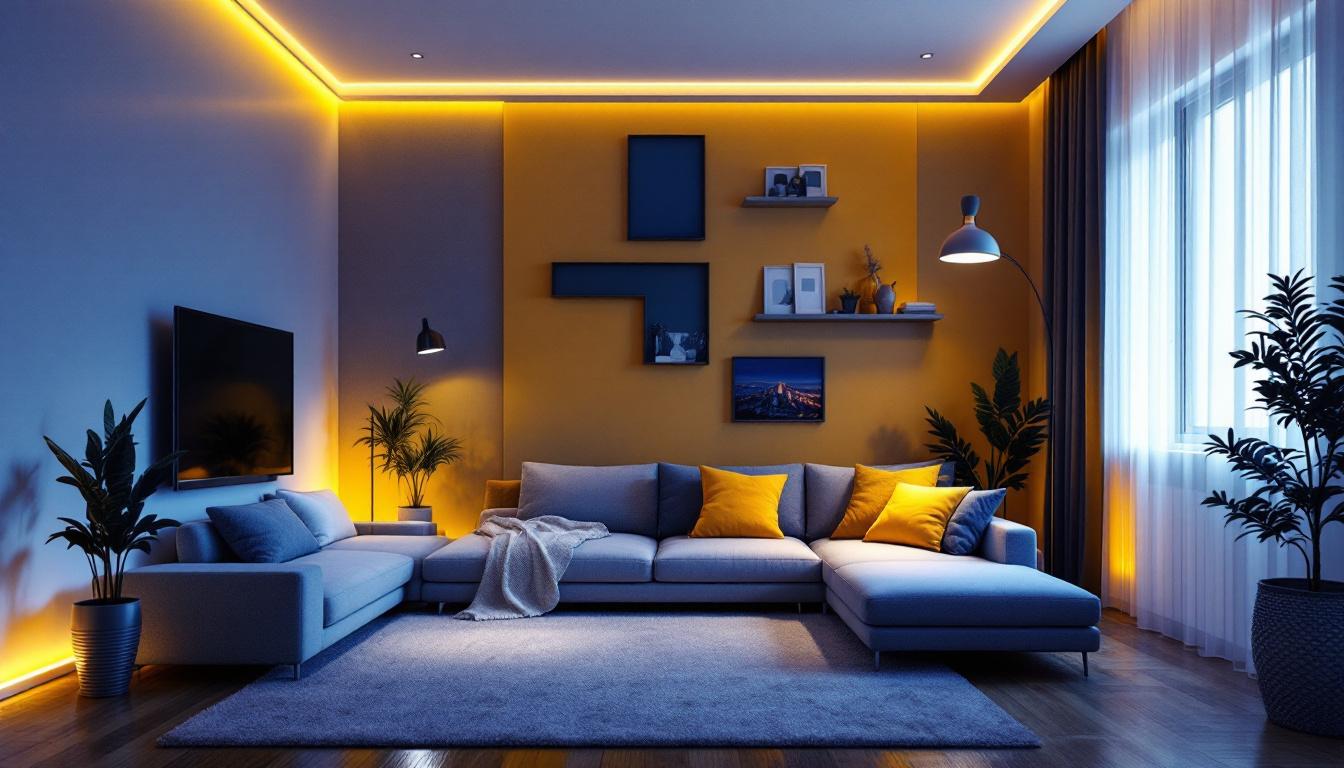
Understanding the interplay of light intensity, color, and placement helps contractors advise clients on achieving desired moods and effects. For example, under-cabinet LED strips provide focused task lighting in kitchens, while cove lighting adds a soft ambient glow to living areas.
Smart Lighting Controls and Automation
Modern lighting systems increasingly incorporate smart controls, allowing users to adjust brightness, color, and scheduling through apps or voice commands. Training your team on the installation and programming of smart lighting controllers enhances your service offerings and positions your company at the forefront of technological trends.
Familiarity with popular smart ecosystems and protocols such as Zigbee, Z-Wave, or Wi-Fi ensures your team can recommend and implement solutions that align with client preferences and future-proof their lighting systems.
Effective Training Strategies: Empowering Your Team for Success
Hands-On Workshops and Real-World Simulations
Theoretical knowledge alone is insufficient for mastering linear LED strip lighting. Incorporating hands-on workshops into your training program allows team members to practice cutting, soldering, mounting, and wiring in controlled environments. Real-world simulations, such as mock installations or troubleshooting exercises, build confidence and problem-solving skills.
Encouraging collaboration during these sessions fosters knowledge sharing and helps identify individual strengths and areas for improvement, enabling tailored coaching and support.
Utilizing Multimedia and Manufacturer Resources
Leverage multimedia tools such as instructional videos, interactive modules, and digital manuals to cater to different learning styles. Many LED manufacturers provide comprehensive training resources and certification programs that can supplement your in-house training efforts.
Regularly updating training materials to reflect the latest product innovations and industry standards ensures your team remains knowledgeable and competitive.
Continuous Learning and Feedback Loops
Lighting technology evolves rapidly, making continuous education essential. Establishing feedback loops where team members share experiences and challenges from the field encourages ongoing learning and process improvement. Regular refresher courses and attendance at industry conferences or trade shows keep your team informed about emerging trends and best practices.
Recognizing and rewarding skill development motivates your workforce and reinforces a culture of excellence.
Measuring Training Effectiveness and Business Impact
Implementing metrics to assess the effectiveness of your training program helps ensure that learning objectives translate into improved performance. Key performance indicators might include installation quality scores, reduction in service callbacks, client satisfaction ratings, and project completion times.
Analyzing these metrics enables management to identify training gaps, allocate resources efficiently, and demonstrate the return on investment of training initiatives. Ultimately, a well-trained team not only enhances project outcomes but also strengthens your company’s reputation and profitability in the competitive lighting market.
Conclusion: Building Expertise to Illuminate the Future
Training your team in the intricacies of linear LED strip lighting is a strategic investment that yields significant dividends. By grounding your training in technical knowledge, practical skills, design principles, and continuous learning, you empower your team to deliver superior lighting solutions that meet evolving client demands.
Lighting contractors who prioritize comprehensive training position themselves as trusted experts, capable of navigating the complexities of modern lighting technology and driving business growth. Embracing this approach ensures your team is not only equipped to install linear LED strip lights but also to innovate and inspire through light.
Take Your Lighting Projects to the Next Level with LumenWholesale
Ready to enhance your team’s expertise with premium lighting solutions? At LumenWholesale, we offer an exceptional range of spec-grade linear LED strip lights and accessories, designed to empower your projects with the quality and affordability you deserve. Say goodbye to local distributor markups and hello to our unbeatable wholesale prices, complete with the convenience of free shipping on bulk orders. Elevate your lighting installations with the reliability and performance that only LumenWholesale can provide. Wholesale Lighting at the Best Value is just a click away—transform your lighting capabilities today!