Understanding the Basics of LED Solar Garden Lights
LED solar lights have revolutionized garden lighting by combining energy efficiency with environmental sustainability. For lighting contractors, these fixtures offer a compelling proposition: they eliminate the need for complex wiring, reduce operational costs, and provide versatile design options. However, the simplicity of installation can be deceptive. Without a thorough understanding of the technology and its limitations, costly mistakes can occur, impacting project outcomes and client satisfaction.
At their core, LED solar garden lights consist of three main components: the solar panel, the rechargeable battery, and the LED bulb. The solar panel captures sunlight during the day, converting it into electrical energy stored in the battery. When darkness falls, the LED bulb illuminates the garden using this stored energy. This system’s efficiency depends heavily on the quality and compatibility of these components, as well as their correct placement and installation. Factors such as the angle of the solar panel, the geographical location, and seasonal variations in sunlight can significantly affect performance, making it essential for contractors to conduct site assessments before installation.
Why LED and Solar Technology Are a Winning Combination
LEDs are known for their low power consumption and long lifespan, often exceeding 25,000 hours. When paired with solar power, they create a self-sustaining lighting solution that requires minimal maintenance. This combination is especially attractive for outdoor spaces where running electrical wiring is impractical or expensive. Additionally, LED solar lights contribute to reducing carbon footprints, aligning with increasing demand for eco-friendly solutions. The ability to harness renewable energy not only lowers electricity bills but also promotes a greener lifestyle, appealing to environmentally conscious consumers.
Moreover, the advancements in solar technology have led to significant improvements in efficiency and aesthetics. Modern solar garden lights come equipped with features such as motion sensors, adjustable brightness settings, and even color-changing capabilities, allowing homeowners to customize their outdoor ambiance. These innovations not only enhance the functionality of garden lighting but also provide an opportunity for creative expression in landscape design. As more homeowners seek to create inviting outdoor spaces for entertainment and relaxation, the role of LED solar lights in enhancing the beauty and safety of gardens becomes increasingly important, making them a valuable asset in any lighting project.
Common Mistakes Lighting Contractors Make with LED Solar Garden Lights
Despite the apparent simplicity, several pitfalls can undermine the success of LED solar lighting projects. Recognizing these common errors is the first step toward avoiding them.
1. Overlooking Solar Panel Placement and Orientation
One of the most frequent mistakes is improper placement of solar panels. Solar panels require direct sunlight to charge effectively. Installing panels in shaded areas, under dense foliage, or on surfaces that receive limited sun exposure drastically reduces their charging capacity. This results in dim lighting or lights that fail to operate through the night.
Lighting contractors should conduct a thorough site assessment to identify optimal locations for solar panels. Panels should face true south in the northern hemisphere (and true north in the southern hemisphere) at an angle that maximizes sun exposure throughout the year. Ignoring these factors can lead to client dissatisfaction and costly rework.
2. Choosing Incompatible or Low-Quality Batteries
The rechargeable battery is the heart of any solar light system. Using batteries that lack sufficient capacity or are incompatible with the LED and solar panel can cause premature failure or insufficient runtime. Many inexpensive solar lights use nickel-cadmium (NiCd) or low-grade nickel-metal hydride (NiMH) batteries, which degrade quickly and have limited charge cycles.
For professional projects, lithium-ion or lithium iron phosphate (LiFePO4) batteries are preferable due to their higher energy density, longer lifespan, and better performance in varying temperatures. Selecting the right battery not only ensures reliability but also reduces maintenance costs and extends the overall lifespan of the lighting system.
3. Ignoring Weather and Environmental Conditions
Outdoor lighting must withstand diverse weather conditions, including rain, snow, wind, and temperature fluctuations. A common oversight is selecting fixtures without adequate ingress protection (IP) ratings or failing to consider local climate impacts on battery performance and solar panel efficiency.
Contractors should specify products with at least an IP65 rating, ensuring protection against dust and water jets. Additionally, understanding how temperature extremes affect battery capacity is crucial. For instance, cold weather can reduce battery efficiency, leading to shorter lighting durations. Designing systems with these factors in mind prevents unexpected failures and client complaints.
Design Considerations for Effective LED Solar Garden Lighting
Beyond technical specifications, thoughtful design plays a pivotal role in the success of solar garden lighting projects.
Balancing Brightness and Energy Consumption
LED brightness is measured in lumens, and selecting the appropriate brightness level is essential. Overly bright lights can cause glare and disrupt the natural ambiance of a garden, while insufficient brightness fails to meet functional needs. Since solar lights rely on stored energy, balancing brightness with energy consumption is critical to maximize runtime.
Lighting contractors should collaborate with clients to determine the desired lighting effect—whether accentuating pathways, highlighting landscape features, or providing security lighting—and select LEDs that deliver the right lumen output without draining the battery prematurely.
Integrating Lighting Controls and Sensors
Incorporating features such as motion sensors, dusk-to-dawn sensors, and adjustable timers enhances the functionality and energy efficiency of solar garden lights. Motion sensors activate lighting only when movement is detected, conserving battery life, while dusk-to-dawn sensors automate operation based on ambient light levels.
These controls not only improve user experience but also extend the lifespan of the lighting system by preventing unnecessary operation. Contractors should ensure that these features are compatible with the solar light’s power capacity and client requirements.
Creating a Cohesive Lighting Layout
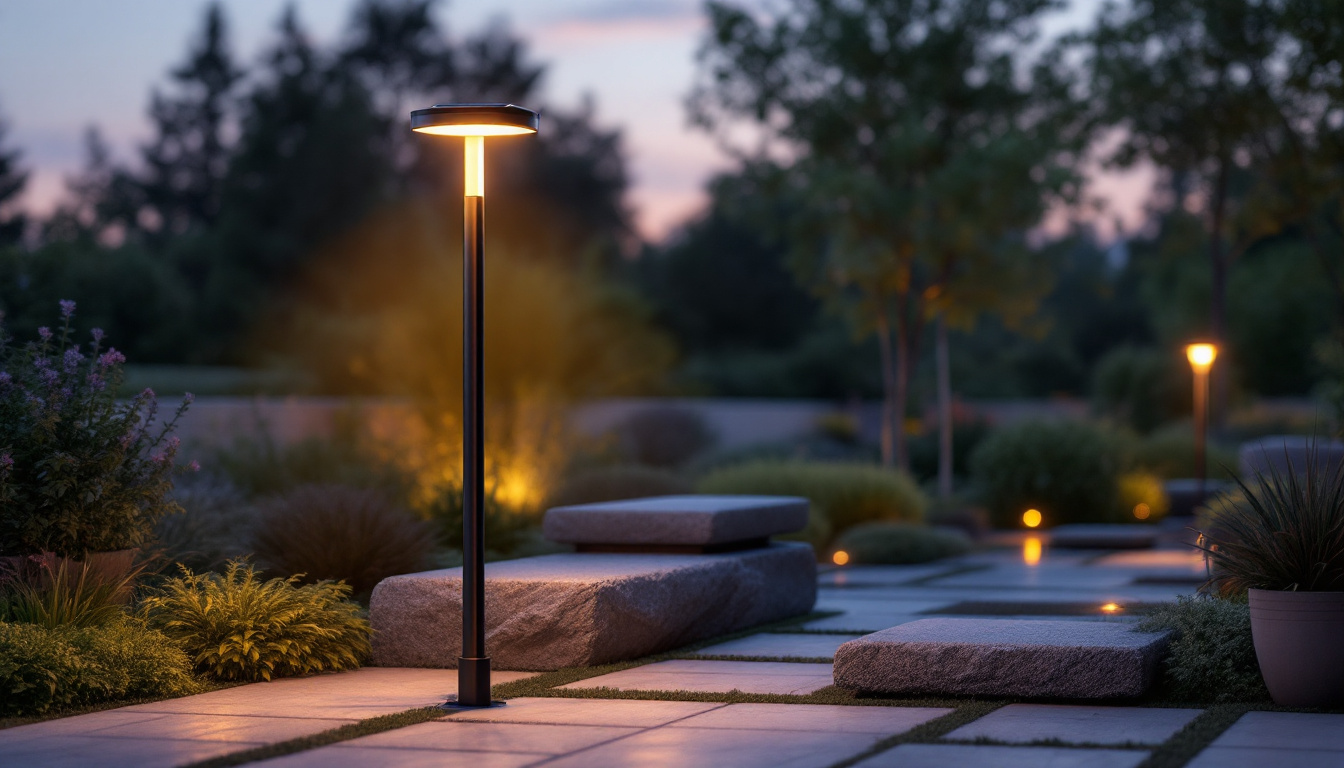
A well-planned lighting layout considers the garden’s spatial characteristics, focal points, and pathways. Strategic placement of solar lights can create layered lighting effects that enhance depth and texture. For example, combining uplighting on trees with pathway lighting and accent lights on garden structures can transform an outdoor space into an inviting and functional environment.
Using lighting design software or detailed sketches helps contractors visualize the final outcome and communicate effectively with clients. This proactive approach minimizes guesswork and reduces the risk of uneven illumination or dark spots.
Installation Best Practices to Avoid Costly Errors
Proper installation is crucial for the long-term success of LED solar garden lighting projects. Attention to detail during this phase can prevent many common problems.
Ensuring Secure and Stable Mounting
Solar panels and light fixtures must be mounted securely to withstand environmental forces such as wind and rain. Loose or unstable installations can lead to physical damage, misalignment of solar panels, and compromised electrical connections.
Contractors should use appropriate mounting hardware and techniques tailored to the surface type—whether soil, concrete, wood, or metal. For example, ground stakes should be driven deep enough to resist wind uplift, and wall-mounted fixtures should be anchored with suitable fasteners.
Proper Wiring and Connection Practices
Although solar lights generally minimize wiring needs, some systems require connecting panels to batteries or control units. Using weatherproof connectors and ensuring tight, corrosion-resistant connections is essential to prevent power loss and system failure.
Contractors should also verify polarity before finalizing connections and test the system thoroughly to confirm proper operation. Documenting wiring diagrams and installation details aids future maintenance and troubleshooting.
Testing and Commissioning
Before project handover, comprehensive testing ensures that all components function as intended. This includes verifying solar panel charging efficiency, battery voltage levels, LED brightness, and sensor responsiveness.
Commissioning under different lighting conditions—daytime for charging and nighttime for illumination—allows contractors to identify and rectify issues proactively. Providing clients with operational instructions and maintenance guidelines further enhances satisfaction and reduces service calls.
Maintenance Strategies to Maximize Longevity and Performance
Even the best-designed and installed solar lighting systems require periodic maintenance to sustain optimal performance.
Regular Cleaning of Solar Panels and Fixtures
Dust, dirt, leaves, and bird droppings can accumulate on solar panels, significantly reducing their ability to capture sunlight. Cleaning panels with a soft cloth and mild detergent periodically ensures maximum energy absorption.
Similarly, cleaning LED fixtures and lenses maintains light quality and prevents corrosion. Contractors should educate clients about the importance of routine cleaning and offer maintenance services as part of ongoing contracts.
Battery Replacement and Monitoring
Batteries have finite lifespans, typically ranging from two to five years depending on chemistry and usage. Monitoring battery health through voltage checks and performance assessments allows for timely replacement before complete failure occurs.
Using high-quality replacement batteries and following manufacturer guidelines preserves system integrity and client trust. Keeping detailed maintenance records supports warranty claims and service planning.
Addressing Environmental Changes
Gardens are dynamic environments; growing vegetation or new structures can alter sunlight exposure and affect solar panel performance. Periodic site evaluations help identify such changes, enabling contractors to adjust panel placement or recommend pruning to maintain optimal lighting conditions.
Conclusion: Delivering Value Through Expertise and Attention to Detail
LED solar lights offer an excellent opportunity for lighting contractors to deliver sustainable, cost-effective, and aesthetically pleasing garden lighting solutions. However, success hinges on a comprehensive understanding of the technology, meticulous design, precise installation, and proactive maintenance.
By avoiding common mistakes—such as improper solar panel placement, using substandard batteries, and neglecting environmental factors—contractors can ensure project longevity and client satisfaction. Integrating thoughtful design elements and robust installation practices further enhances the value delivered.
Ultimately, mastering these aspects not only prevents costly errors but also positions contractors as trusted experts in the growing field of solar-powered outdoor lighting.
Start Your Next Lighting Project with Confidence
Ready to elevate your garden lighting projects with the expertise and attention to detail that clients love? At LumenWholesale, we provide you with the high-quality, spec-grade LED solar lights you need to avoid common pitfalls and deliver sustainable, cost-effective, and visually stunning results. Take advantage of our unbeatable wholesale prices and hassle-free bulk buying with free shipping. Don’t compromise on quality or value—choose LumenWholesale for Wholesale Lighting at the Best Value and make your next outdoor lighting project a resounding success.