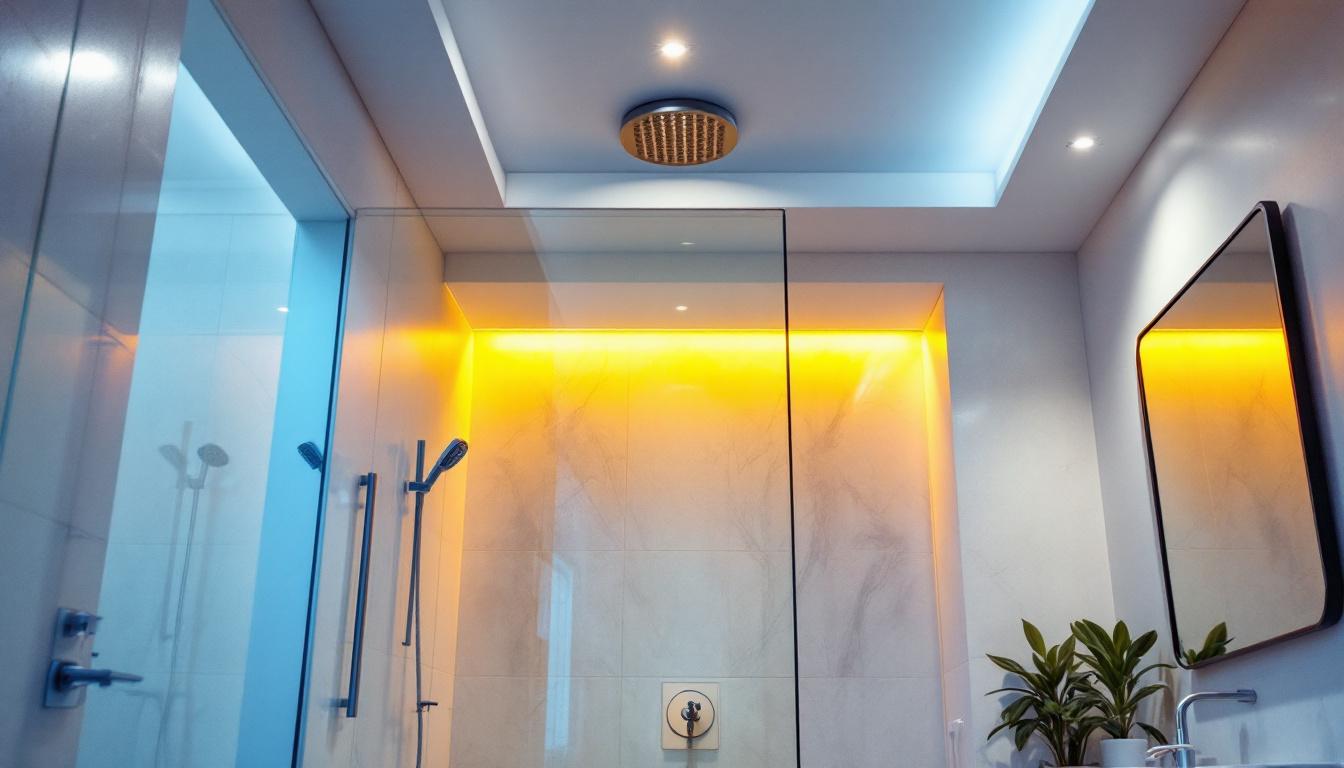
Understanding Recessed Shower Lighting: An Essential Overview
Recessed lighting has become a staple in modern bathroom design, offering a sleek, minimalist aesthetic that complements a variety of styles. For lighting contractors, recessed shower lights present unique opportunities and challenges. Unlike standard ceiling fixtures, these lights must withstand moisture, provide adequate illumination, and comply with safety regulations. Understanding the fundamentals of recessed shower lighting is crucial to delivering a safe, functional, and visually appealing installation.
Recessed shower lights are typically installed flush with the ceiling, creating a clean look that doesn’t intrude on the limited space of a bathroom. They provide focused illumination directly over the shower area, enhancing visibility and safety. However, the bathroom environment is inherently humid and wet, which means that not all recessed fixtures are suitable for this application. Lighting contractors must carefully select fixtures rated for wet or damp locations and ensure proper installation to prevent electrical hazards.
Why Proper Lighting Matters in Showers
Good lighting in the shower is more than a design choice—it’s a safety imperative. Wet surfaces can be slippery, and poor visibility increases the risk of slips and falls. Additionally, well-placed lighting enhances the overall bathroom experience, making the space feel more inviting and functional. For contractors, delivering lighting solutions that meet both aesthetic and safety standards builds trust with clients and reduces the likelihood of callbacks or liability issues.
Moreover, the choice of color temperature in recessed shower lighting can significantly impact the ambiance of the bathroom. Warmer tones can create a cozy, spa-like atmosphere, while cooler tones tend to provide a more clinical feel. This choice not only affects the mood but also influences how colors appear in the bathroom, from the tiles to the fixtures. Lighting contractors should consider the overall design theme and the preferences of the homeowner when selecting the appropriate color temperature, ensuring that the final result aligns with the client’s vision for their space.
In addition to aesthetics, energy efficiency is another critical factor in selecting recessed shower lighting. With advancements in LED technology, contractors can now offer clients options that not only provide superior illumination but also consume less energy and have longer lifespans compared to traditional incandescent bulbs. This shift not only helps homeowners save on energy bills but also contributes to a more sustainable environment. By educating clients on the benefits of energy-efficient lighting, contractors can position themselves as knowledgeable professionals who prioritize both functionality and eco-friendliness in their installations.
Do’s for Installing Recessed Shower Lights
Do Choose the Right Fixture Rating
One of the most critical decisions when installing recessed shower lights is selecting fixtures with the appropriate rating. Fixtures must be rated for wet locations if they will be installed directly above the showerhead or in areas where water can spray directly onto the light. Wet-rated fixtures are sealed to prevent moisture ingress, protecting the electrical components and reducing the risk of short circuits or corrosion.
In areas adjacent to the shower but not exposed to direct water spray, damp-rated fixtures may suffice. However, lighting contractors should err on the side of caution and prioritize wet-rated fixtures in or near the shower to ensure long-term durability and safety. Additionally, it’s wise to consider the brightness and spread of light that the fixture provides. The right fixture not only enhances visibility but also contributes to the overall aesthetic of the bathroom, making it a welcoming space for relaxation and rejuvenation.
Do Use GFCI-Protected Circuits
Ground Fault Circuit Interrupter (GFCI) protection is a legal requirement in many jurisdictions for bathroom electrical circuits, including lighting. GFCI devices quickly cut power if they detect a ground fault, which can occur if water comes into contact with electrical wiring. Installing recessed shower lights on GFCI-protected circuits significantly reduces the risk of electrical shock and enhances overall bathroom safety. This protection is particularly crucial in high-humidity environments where the risk of electrical hazards is elevated.
Moreover, GFCI outlets can be installed in other areas of the bathroom, such as near sinks or bathtubs, providing comprehensive safety coverage. Regular testing of GFCI devices is also essential, as they can wear out over time. Homeowners should be encouraged to familiarize themselves with the test and reset buttons to ensure their safety mechanisms are functioning correctly.
Do Consider LED Technology
LED recessed lights are highly recommended for shower installations due to their energy efficiency, long lifespan, and low heat output. LEDs generate less heat than traditional incandescent bulbs, reducing the risk of heat damage to surrounding materials. Additionally, LEDs offer a range of color temperatures, allowing contractors to tailor the lighting ambiance to client preferences—from warm, relaxing tones to bright, daylight-like illumination. The versatility of LED technology also extends to dimmable options, enabling users to adjust the brightness according to their needs, whether for a soothing bath or a bright morning routine.
Furthermore, the environmental benefits of LED lighting cannot be overlooked. By choosing LEDs, homeowners contribute to energy conservation and lower utility bills, making them a sustainable choice for modern bathrooms. As technology continues to advance, new LED products are emerging, including smart lighting options that can be controlled via mobile apps, adding an extra layer of convenience and customization to bathroom lighting.
Do Ensure Proper Ventilation and Moisture Control
Even with wet-rated fixtures, proper bathroom ventilation is essential to minimize moisture buildup that can damage electrical components and promote mold growth. Lighting contractors should coordinate with HVAC professionals to ensure that exhaust fans are adequately sized and positioned. Installing recessed shower lights in conjunction with effective ventilation helps maintain a dry environment, prolonging the life of the fixtures and improving indoor air quality. It is also beneficial to consider the placement of the exhaust fan; ideally, it should be located as close to the shower as possible to efficiently remove steam and humidity.
In addition to exhaust fans, incorporating features like humidity sensors can further enhance moisture control. These sensors can automatically activate the fan when humidity levels rise, ensuring that the bathroom remains dry without requiring manual intervention. This proactive approach not only protects the lighting fixtures but also contributes to a healthier living space by reducing the likelihood of mold and mildew growth.
Do Follow Manufacturer Installation Guidelines
Each recessed lighting fixture comes with specific installation instructions designed to optimize performance and safety. Lighting contractors must adhere strictly to these guidelines, including requirements for clearance from insulation, mounting methods, and wiring practices. Ignoring manufacturer recommendations can lead to fixture failure, safety hazards, or voided warranties. Furthermore, understanding the specific electrical load requirements for each fixture is crucial to prevent overloading circuits, which can pose fire risks.
Additionally, keeping up with local building codes and regulations is imperative. These codes often dictate specific installation practices and safety measures that must be followed to ensure compliance. By staying informed and meticulous about installation guidelines, contractors not only protect their clients but also enhance their professional reputation in the industry. Engaging in ongoing education about new products and installation techniques can further empower contractors to deliver high-quality work that meets or exceeds expectations.
Don’ts for Installing Recessed Shower Lights
Don’t Use Non-Rated Fixtures in Wet Areas
One of the most common mistakes is installing standard recessed lights that lack wet or damp ratings in shower areas. Non-rated fixtures are not sealed against moisture and can quickly deteriorate when exposed to steam or water spray. This negligence can cause electrical shorts, corrosion, and potential fire hazards. Lighting contractors must avoid shortcuts and always specify the correct fixture type for wet environments.
Don’t Neglect Proper Sealing and Insulation
Improper sealing around recessed shower lights can allow moisture to penetrate the ceiling cavity, leading to structural damage and mold growth. Contractors should use appropriate gaskets or sealants recommended by the fixture manufacturer to create a moisture barrier. Additionally, when installing IC-rated (insulation contact) fixtures, ensure that insulation is properly positioned to prevent overheating and maintain energy efficiency.
Don’t Overlook Local Electrical Codes and Regulations
Electrical codes vary by region but generally impose strict requirements on bathroom lighting installations. Lighting contractors must stay current with local codes, including NEC (National Electrical Code) guidelines, to ensure compliance. Ignoring these regulations can result in failed inspections, costly rework, and legal liabilities. Consulting with local authorities or code experts before installation is a prudent step.
Don’t Install Fixtures Too Close to the Showerhead
While it might seem logical to place recessed lights directly over the showerhead for maximum illumination, this can sometimes lead to premature fixture wear due to constant water exposure. Manufacturers often specify minimum distances from water sources to protect the fixture. Contractors should respect these guidelines and consider alternative placements that still provide adequate lighting without compromising fixture longevity.
Don’t Forget to Test the Installation Thoroughly
After installation, lighting contractors should conduct comprehensive testing to verify that all fixtures operate correctly and safely. This includes checking GFCI functionality, ensuring no flickering or dimming occurs, and confirming that all seals are intact. Testing helps identify potential issues early, preventing future problems and enhancing client satisfaction.
Advanced Tips for Lighting Contractors: Enhancing Recessed Shower Lighting
Incorporate Multiple Lighting Layers
While recessed shower lights provide focused illumination, combining them with other bathroom lighting layers can improve overall ambiance and functionality. For example, pairing recessed lights with wall sconces or vanity lighting creates balanced illumination that reduces shadows and enhances visibility. Lighting contractors should advise clients on integrated lighting designs that elevate the bathroom experience.
Use Adjustable or Directional Fixtures
Adjustable recessed lights allow contractors to direct light precisely where it’s needed, accommodating various shower sizes and configurations. Directional fixtures can highlight architectural features or create accent lighting, adding depth and interest to the space. These options offer flexibility and customization that appeal to discerning clients.
Consider Smart Lighting Controls
Smart lighting technology is gaining popularity in residential bathrooms. Integrating recessed shower lights with dimmers, timers, or voice-activated controls allows users to personalize their lighting environment easily. Lighting contractors who stay abreast of smart home trends can offer added value by recommending compatible fixtures and control systems.
Plan for Maintenance and Accessibility
Recessed shower lights installed in ceilings can be challenging to access for bulb replacement or repairs. Selecting fixtures with long-lasting LEDs minimizes maintenance frequency. Additionally, contractors should plan installations to facilitate future access, such as using removable trims or positioning fixtures near access panels.
Conclusion: Best Practices for Safe and Effective Recessed Shower Lighting
Recessed shower lights are a sophisticated solution that enhances bathroom aesthetics and functionality when installed correctly. For lighting contractors, success hinges on understanding the unique demands of wet environments, selecting appropriate fixtures, adhering to safety codes, and following manufacturer guidelines. Avoiding common pitfalls such as using non-rated fixtures or neglecting moisture control safeguards both the client and the contractor.
By embracing best practices—including choosing wet-rated LED fixtures, ensuring GFCI protection, coordinating with ventilation systems, and considering advanced lighting options—contractors can deliver installations that stand the test of time. Ultimately, meticulous planning, execution, and testing translate into satisfied clients, reduced liability, and a strong professional reputation in the competitive lighting industry.
Get Your Recessed Shower Lighting Supplies at LumenWholesale
Ready to elevate your lighting installations with the best recessed shower lights on the market? Look no further than LumenWholesale. Our commitment to providing contractors with superior, spec-grade lighting products at wholesale prices means you can confidently meet the demands of any project. With LumenWholesale, you’ll find the highest industry standards of reliability and performance, all at unbeatable value. Plus, with free shipping on bulk orders, you can stock up on quality lighting solutions without worrying about hidden fees. Don’t compromise on quality or cost—choose LumenWholesale for the perfect blend of quality, affordability, and convenience. Wholesale Lighting at the Best Value is just a click away.