Understanding the Role of Sterilizing Light in Modern Lighting Solutions
In the evolving landscape of lighting technology, sterilizing light has emerged as a powerful tool for enhancing hygiene and safety in a variety of environments. For lighting contractors, integrating sterilizing light solutions requires a thorough understanding of the science behind ultraviolet (UV) light, its applications, and the best practices to ensure both efficacy and safety.
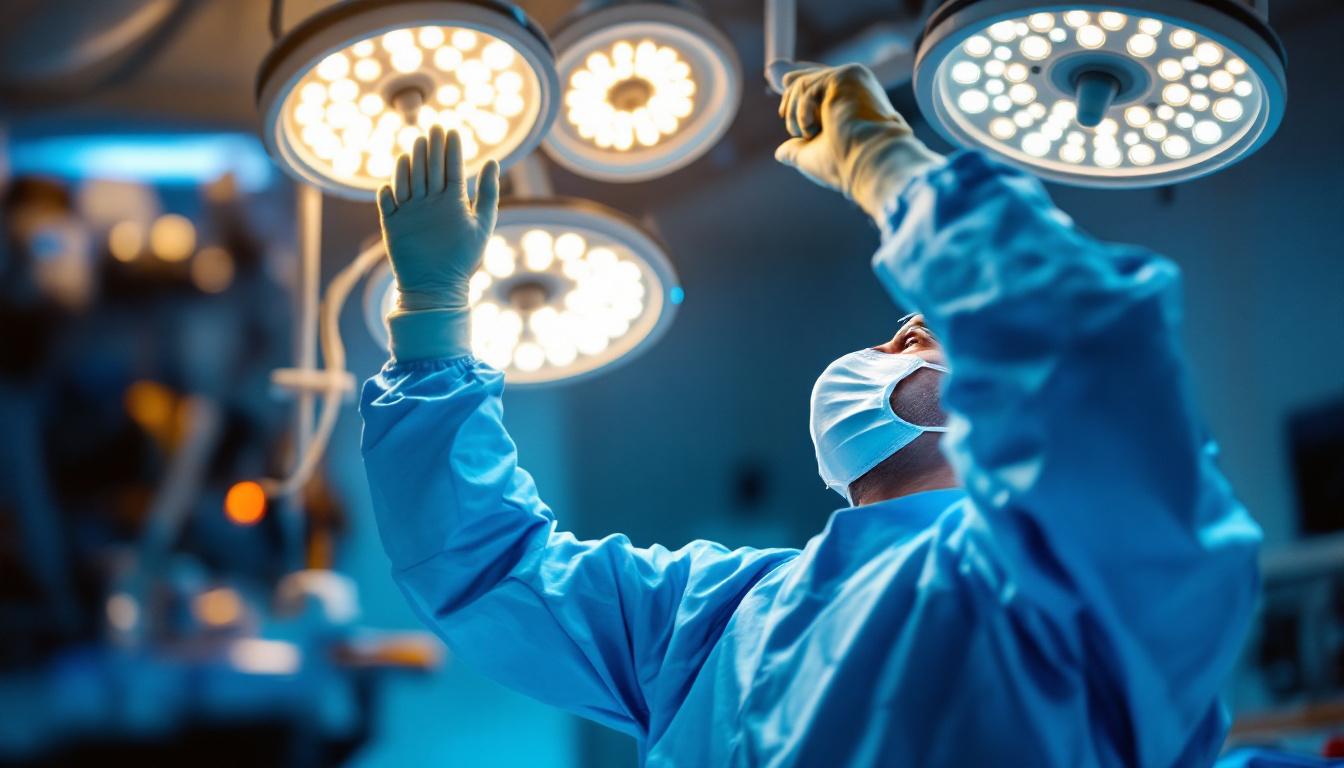
Sterilizing light primarily refers to ultraviolet light, particularly UV-C wavelengths, which have germicidal properties. These wavelengths disrupt the DNA and RNA of microorganisms such as bacteria, viruses, and fungi, effectively neutralizing them. This capability has made UV-C light a critical component in healthcare facilities, laboratories, public transportation, and increasingly in commercial and residential settings.
Contractors must recognize that the demand for sterilizing light solutions is driven by heightened awareness of infection control, especially in high-traffic or vulnerable spaces. As a result, offering UV sterilization options can differentiate a contractor’s portfolio and open doors to new markets focused on health and safety.
Moreover, the integration of sterilizing light technology is not just limited to traditional lighting fixtures. Innovative designs now incorporate UV-C light into air purification systems, HVAC units, and even mobile devices, creating a multi-faceted approach to cleanliness and safety. For instance, some modern air conditioning systems utilize UV-C light to reduce airborne pathogens, thereby enhancing indoor air quality. This holistic approach not only addresses surface contamination but also targets the invisible threats present in the air we breathe, making it an essential consideration for contractors looking to provide comprehensive solutions.
Furthermore, as regulatory bodies and health organizations continue to emphasize the importance of maintaining sanitized environments, the potential for sterilizing light applications is expanding. Educational institutions, restaurants, and retail spaces are increasingly adopting these technologies to reassure customers and staff alike. Contractors must stay informed about the latest research and advancements in UV-C technology to ensure they can recommend the most effective solutions tailored to the specific needs of their clients. This ongoing education will not only enhance their credibility but also empower them to lead the charge in promoting safer, healthier spaces through innovative lighting solutions.
Key Technologies and Their Applications
UV-C Lighting Systems
UV-C lighting remains the cornerstone of sterilizing light technology. These systems are designed to emit light in the 200-280 nanometer range, which is lethal to microorganisms but requires careful handling due to potential safety risks to humans.
Lighting contractors should be familiar with various UV-C products, including fixed installations, mobile units, and integrated HVAC sterilizers. Fixed UV-C fixtures are often installed in hospitals and laboratories to continuously disinfect surfaces and air. Mobile units provide flexibility for periodic sterilization in spaces like hotel rooms, classrooms, and offices. Additionally, the integration of UV-C systems into existing infrastructure can enhance the overall hygiene protocols, especially in high-traffic areas where the risk of pathogen transmission is elevated. The versatility of these systems allows for tailored solutions that can meet the specific needs of diverse environments, from healthcare to hospitality.
Far-UVC: The Safer Alternative
Recent advances have introduced far-UVC light (207-222 nm), which offers sterilization benefits with reduced risks to human skin and eyes. This technology allows for continuous disinfection in occupied spaces, a significant step forward from traditional UV-C systems that require unoccupied rooms during operation.
Contractors should stay informed about far-UVC developments, as this technology is gaining traction in public spaces such as airports, retail stores, and schools. Understanding its installation requirements and limitations will be essential for recommending appropriate solutions to clients. Furthermore, ongoing research into the effectiveness of far-UVC against a broader spectrum of pathogens, including viruses and bacteria, is promising. This could lead to wider acceptance and implementation in everyday environments, fostering a safer atmosphere for both employees and customers alike.
LED-Based Sterilizing Lights
LED technology has revolutionized many aspects of lighting, and UV LEDs are no exception. These compact, energy-efficient devices offer longer lifespans and lower maintenance compared to traditional mercury vapor UV lamps. LED UV-C systems are particularly suited for integration into small appliances, water purification units, and targeted surface sterilization.
Lighting contractors should evaluate LED UV products for their specific use cases and advise clients on the benefits and constraints, including power output, wavelength accuracy, and cost considerations. The adaptability of LED UV technology also opens up opportunities for innovative applications, such as in mobile sterilization devices and portable air purifiers. As demand for energy-efficient and sustainable solutions grows, the role of LED-based sterilizing lights in both commercial and residential settings is likely to expand, promoting better health standards and environmental responsibility.
Best Practices for Installation and Safety
Comprehensive Site Assessment
Before installing sterilizing light systems, a thorough site assessment is critical. Contractors must evaluate the size, layout, and usage patterns of the space to determine the appropriate UV dosage and fixture placement. Factors such as surface materials, airflow, and occupancy schedules influence the effectiveness of sterilization. For instance, reflective surfaces can enhance UV light distribution, while porous materials may absorb some of the UV energy, reducing its efficacy. Additionally, understanding the flow of people and equipment in the area can help in strategizing the positioning of fixtures to maximize their impact.
Engaging with facility managers or clients to understand their hygiene protocols and operational constraints ensures that the lighting solution integrates seamlessly without disrupting daily activities. This collaboration can also uncover specific areas of concern, such as high-touch surfaces or zones with a history of contamination, allowing for a more targeted approach to installation. Furthermore, documenting the assessment process can serve as a valuable reference for future maintenance and upgrades, ensuring that the system remains effective over time.
Ensuring User Safety
UV-C light poses risks including skin burns and eye injuries, so safety measures are paramount. Contractors should implement safeguards such as motion sensors, timers, and warning signage to prevent accidental exposure. For example, UV-C fixtures in healthcare settings often include interlocks that disable the light when doors open. Additionally, utilizing protective barriers or enclosures can further mitigate risks, especially in areas where untrained personnel may inadvertently come into contact with the light.
Training for maintenance personnel and end-users is also essential. Clear instructions on safe operation and emergency procedures minimize risks and liability. Regular safety drills and refresher courses can help ensure that all staff remain vigilant and informed about the potential dangers associated with UV-C light. Moreover, providing personal protective equipment (PPE), such as UV-blocking goggles and protective clothing, can enhance safety measures, fostering a culture of awareness and responsibility regarding UV-C system operations.
Compliance with Standards and Regulations
Adhering to industry standards and governmental regulations is a non-negotiable aspect of installing sterilizing light systems. Organizations such as the Illuminating Engineering Society (IES) and the International Electrotechnical Commission (IEC) provide guidelines on UV exposure limits and equipment safety. These standards not only ensure the effectiveness of the sterilization process but also protect the health of users and maintenance personnel from potential hazards associated with improper use.
Contractors should stay updated on local and international codes, including occupational safety directives, to ensure installations meet all legal requirements. Documentation and certification may be required for client assurance and regulatory inspections. Additionally, engaging with legal and compliance experts can help navigate the complex landscape of regulations, ensuring that all aspects of the installation adhere to best practices. This proactive approach not only safeguards the health of individuals in the space but also protects the contractor from potential liabilities and fosters trust with clients through demonstrated commitment to safety and compliance.
Maintenance and Performance Optimization
Routine Inspection and Cleaning
UV lamps and LEDs can degrade over time, reducing sterilization efficacy. Regular inspection and cleaning of fixtures prevent dust accumulation and ensure optimal light output. Contractors should establish maintenance schedules aligned with manufacturer recommendations and client usage patterns.
Replacing lamps before their end-of-life and verifying output intensity with UV meters are best practices that uphold system performance and client satisfaction.
Monitoring and Feedback Systems
Advanced sterilizing light installations may incorporate sensors and control systems that monitor UV intensity, operating hours, and environmental conditions. These features allow proactive maintenance and real-time adjustments to maximize disinfection while conserving energy.
Contractors can offer value-added services by integrating monitoring solutions and providing clients with performance reports, helping to build trust and long-term partnerships.
Emerging Trends and Future Opportunities
Integration with Smart Building Systems
The convergence of sterilizing light technology with smart building infrastructure is creating new opportunities for lighting contractors. Automated UV disinfection cycles can be programmed based on occupancy data, air quality sensors, and cleaning schedules, enhancing efficiency and user convenience.
Contractors who develop expertise in these integrated systems will be well-positioned to meet the growing demand for intelligent, health-focused environments.
Expanding Markets Beyond Healthcare
While healthcare remains a primary market, sterilizing light applications are expanding rapidly into commercial, educational, transportation, and residential sectors. For example, UV sterilization in HVAC systems is gaining popularity in office buildings to improve indoor air quality.
Lighting contractors should explore these emerging markets and tailor solutions to diverse client needs, leveraging sterilizing light as a competitive advantage.
Research and Innovation
Ongoing research into new UV wavelengths, materials, and delivery methods promises to enhance sterilization effectiveness and safety. Innovations such as pulsed UV light and combined technologies (e.g., UV with photocatalytic oxidation) are on the horizon.
Staying abreast of scientific developments and participating in industry forums will enable contractors to offer cutting-edge solutions and maintain leadership in this dynamic field.
Conclusion: Positioning for Success with Sterilizing Light
For lighting contractors, mastering the nuances of sterilizing light technology is more than a technical challenge—it is a strategic opportunity. By understanding the science, adhering to best practices, prioritizing safety, and embracing innovation, contractors can deliver solutions that meet the critical demand for healthier, safer environments.
As awareness of infection control continues to rise globally, the role of sterilizing light in lighting design will only grow. Contractors who invest in knowledge, training, and quality installation practices will not only enhance their reputation but also contribute meaningfully to public health and safety.
Illuminate Your Projects with LumenWholesale
Ready to elevate your lighting solutions with the power of sterilizing light technology? At LumenWholesale, we provide lighting contractors with the highest quality, spec-grade lighting products at unbeatable wholesale prices. Say goodbye to inflated markups and hello to a vast selection of reliable, high-performance lighting that meets the most rigorous industry standards. Make your next project shine with the assurance of quality, affordability, and convenience. For wholesale lighting that offers the best value, explore our collection today and take advantage of free shipping on bulk orders. Partner with LumenWholesale and light the way to a healthier, safer environment.