Understanding the Relationship Between Lumens and Watts
In the lighting industry, two terms frequently come up in discussions about efficiency and performance: lumens and watts. For lighting contractors, understanding the distinction and relationship between these two measurements is crucial for making informed decisions when specifying or recommending lighting solutions.
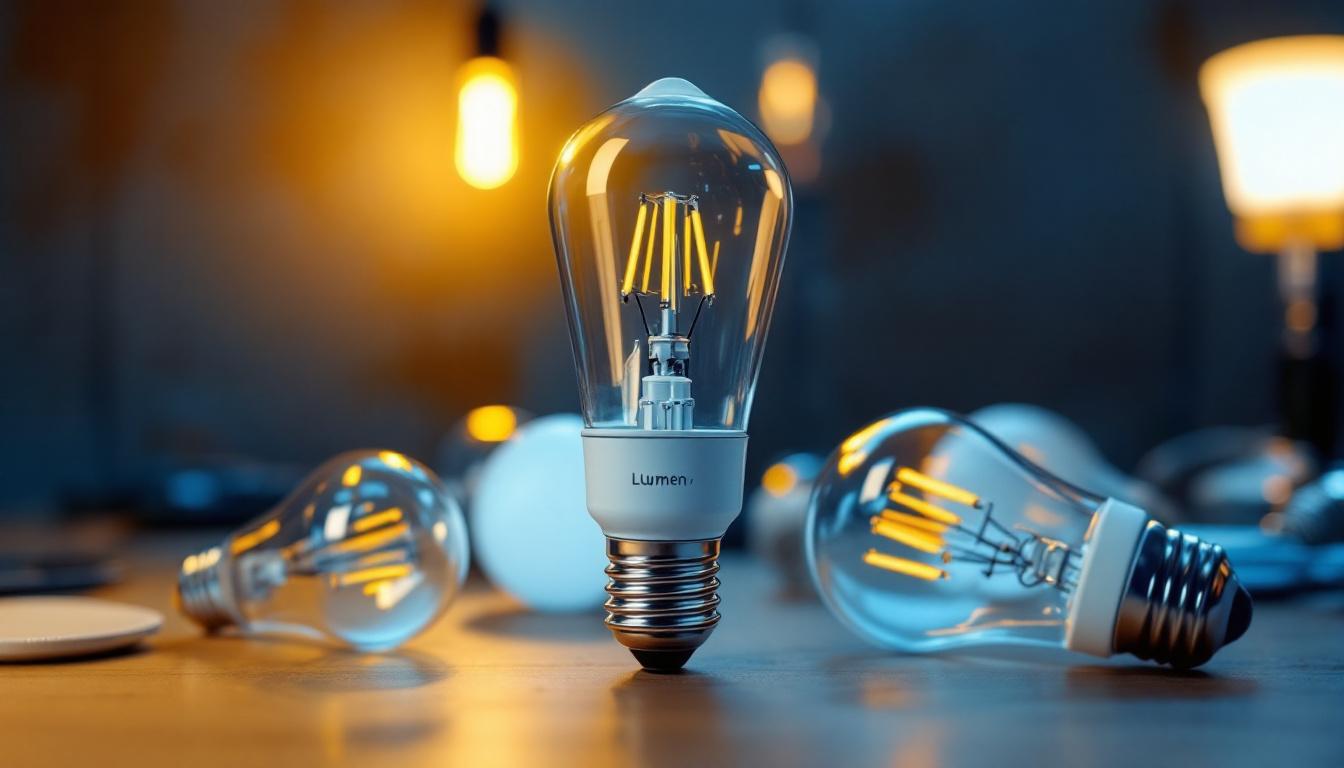
Lumens (Lm) measure the amount of visible light emitted by a source. Essentially, lumens quantify brightness—the higher the lumens, the brighter the light appears. Watts (W), on the other hand, measure electrical power consumption. Historically, watts were often used as a proxy for brightness, but this approach is outdated due to advances in lighting technology.
For example, an incandescent bulb consuming 60 watts produces roughly 800 lumens, whereas a modern LED lamp can deliver 1800 lumens using significantly fewer watts. This evolution has made it necessary for lighting professionals to shift focus from watts to lumens when evaluating lighting products.
Why Lumens Matter More Than Watts Today
The lighting industry has undergone a significant transformation with the widespread adoption of LED technology. Unlike traditional incandescent or fluorescent bulbs, LEDs produce more light per watt of electricity consumed. This shift means watts no longer directly indicate how bright a light source will be.
For contractors, this change emphasizes the importance of specifying lighting based on lumens rather than watts. Clients increasingly demand energy-efficient solutions that provide adequate illumination without excessive power consumption. Understanding how to convert lumens to watts, or more precisely, how to interpret lumen output relative to wattage, enables contractors to design lighting systems that balance brightness, energy efficiency, and cost-effectiveness.
Moreover, the importance of lumens extends beyond mere brightness; it also plays a critical role in enhancing the ambiance and functionality of spaces. For instance, in a commercial setting, the right lumen output can influence productivity and mood. A well-lit workspace can reduce eye strain and improve focus, while a cozy, dimly lit area can create a welcoming atmosphere for relaxation. Therefore, lighting professionals must consider the specific needs of each environment when determining the appropriate lumen levels, ensuring that the lighting not only meets energy efficiency standards but also aligns with the intended use of the space.
Additionally, the concept of lumens per watt (lm/W) has become a vital metric for evaluating the efficiency of lighting products. This ratio provides insight into how effectively a light source converts electrical energy into visible light. As technology advances, manufacturers are continuously striving to improve this ratio, leading to the development of innovative lighting solutions that not only save energy but also enhance the quality of light. By staying informed about these advancements, contractors can better serve their clients and contribute to a more sustainable future in lighting design.
Converting 1800 Lumens to Watts: Practical Implications
When a lighting contractor encounters a specification requiring 1800 lumens, the question often arises: how many watts will this require? The answer depends on the type of lighting technology used.
Incandescent Bulbs
Incandescent bulbs are the least efficient common light source. They typically produce about 10-17 lumens per watt. To achieve 1800 lumens, an incandescent bulb would consume approximately 100 to 150 watts. This high power consumption translates into increased energy costs and heat generation, making incandescent bulbs less favorable for modern applications. Additionally, the short lifespan of incandescent bulbs, often around 1,000 hours, means they require more frequent replacements, further adding to maintenance costs and environmental waste.
Compact Fluorescent Lamps (CFLs)
CFLs improved efficiency significantly, producing roughly 35-60 lumens per watt. For 1800 lumens, a CFL would require about 30 to 50 watts. While more efficient than incandescent bulbs, CFLs contain mercury and have longer warm-up times, which can be drawbacks in certain installations. Furthermore, the light quality of CFLs can sometimes be perceived as harsh or unflattering, particularly in residential settings where warm, inviting light is often desired. Despite these drawbacks, CFLs still represent a significant step forward in energy efficiency compared to their incandescent counterparts.
Light Emitting Diodes (LEDs)
LEDs are the most efficient widely available lighting technology, typically delivering 80-120 lumens per watt or more. To produce 1800 lumens, an LED fixture might consume as little as 15 to 22 watts. This efficiency reduces energy costs and cooling requirements, making LEDs the preferred choice for commercial and residential projects. Moreover, LEDs have an exceptionally long lifespan, often exceeding 25,000 hours, which means they not only save on energy but also reduce the frequency of replacements, contributing to lower long-term costs. The versatility of LED technology allows for a wide range of color temperatures and dimming capabilities, making them suitable for various applications from task lighting to ambient illumination.
For lighting contractors, these differences highlight the importance of specifying lighting products based on lumen output rather than wattage alone. Understanding the wattage equivalent for a given lumen level helps ensure that clients receive the desired brightness with optimal energy use. Additionally, as energy efficiency standards continue to evolve, staying informed about the latest advancements in lighting technology can empower contractors to make informed decisions that align with both client expectations and sustainability goals. This knowledge not only enhances the quality of lighting solutions provided but also fosters a more environmentally conscious approach to lighting design and implementation.
The Growing Importance of Lumen-Based Specifications in Lighting Projects
As energy codes and sustainability standards evolve, lumen-based specifications have become increasingly important in the lighting industry. Lighting contractors must adapt to these changes to remain competitive and compliant.
Energy Codes and Regulations
Many jurisdictions now require lighting designs to meet specific energy efficiency criteria, often expressed in lumens per watt or total lumen output per area. These codes aim to reduce energy consumption and greenhouse gas emissions by encouraging the use of efficient lighting technologies.
For instance, commercial buildings may be required to achieve a minimum lighting power density (LPD), which is the maximum allowed wattage per square foot or square meter. By focusing on lumens rather than watts, contractors can select fixtures that meet brightness requirements while staying within power limits.
Client Expectations and Sustainability Goals
Clients increasingly prioritize sustainability and operational cost savings. Lighting contractors who can demonstrate expertise in lumen-based design and energy-efficient lighting solutions are better positioned to meet these demands.
Specifying 1800 lumens with the lowest possible wattage aligns with these goals, enabling contractors to deliver bright, comfortable lighting environments that minimize energy use and reduce utility bills. This approach also supports green building certifications such as LEED and WELL, which often include lighting performance criteria.
Case Studies: Effective Use of 1800 Lumens in Various Applications
Examining real-world applications helps illustrate the practical significance of converting 1800 lumens to watts and selecting appropriate lighting technologies.
Office Lighting
In office environments, lighting must balance brightness, glare control, and energy efficiency. A typical task light or downlight providing 1800 lumens can adequately illuminate workstations or meeting areas. Using LED fixtures consuming around 20 watts achieves this brightness while minimizing energy costs and heat output.
Lighting contractors specifying these fixtures contribute to improved occupant comfort and productivity, while helping building owners reduce operational expenses.
Retail Spaces
Retail lighting demands high-quality illumination to enhance product visibility and create inviting atmospheres. A 1800-lumen LED spotlight or track light can highlight merchandise effectively without excessive power consumption.
Contractors who understand lumen-to-watt conversions can recommend fixtures that meet both aesthetic and energy requirements, supporting retailers’ goals of attracting customers and controlling overhead.
Residential Applications
In residential settings, 1800 lumens is suitable for general lighting in medium-sized rooms such as living rooms or kitchens. LED bulbs providing this output typically consume under 20 watts, offering homeowners bright, energy-efficient lighting that reduces electricity bills.
Lighting contractors advising homeowners on upgrades or new installations can leverage lumen-based specifications to recommend products that improve lighting quality and sustainability.
Tools and Resources for Lighting Contractors
To navigate the complexities of lumen-to-watt conversions and energy-efficient lighting design, contractors can utilize various tools and resources.
Lighting Calculators and Software
Several online calculators allow contractors to input desired lumen levels and receive wattage estimates based on different lighting technologies. These tools help streamline specification processes and ensure accurate recommendations.
Advanced lighting design software also incorporates lumen output, power consumption, and energy code compliance checks, enabling comprehensive project planning and documentation.
Manufacturer Data and Product Labels
Reliable product data sheets and labels provide essential information on lumen output, wattage, color temperature, and efficacy (lumens per watt). Contractors should prioritize products with clear, standardized labeling to facilitate accurate comparisons and client communication.
Continuing Education and Industry Standards
Staying current with industry standards, such as those published by the Illuminating Engineering Society (IES), and participating in continuing education programs helps contractors deepen their understanding of lighting metrics and technologies.
This knowledge supports better decision-making and enhances professional credibility.
Conclusion: Embracing Lumen-Based Lighting Specifications for Future Success
The shift from wattage to lumen-based lighting specifications represents a fundamental change in the lighting industry. For lighting contractors, mastering the conversion of 1800 lumens to watts and understanding the implications of different lighting technologies is essential.
By focusing on lumens as the primary measure of brightness and selecting energy-efficient fixtures accordingly, contractors can deliver superior lighting solutions that meet client expectations, comply with evolving regulations, and contribute to sustainability goals.
Ultimately, embracing lumen-based design principles empowers lighting professionals to stay competitive and drive innovation in a rapidly changing industry.
Illuminate Your Projects with LumenWholesale
Ready to take advantage of the lumens-to-watts conversion for your next lighting project? Look no further than LumenWholesale for a vast array of top-quality, spec-grade lighting products at unbeatable wholesale prices. Our commitment to cutting out the middleman means you get superior lighting without the inflated markups, ensuring every project shines with reliability and high performance. Plus, with free shipping on bulk orders, you can stock up on premium lighting solutions at the best value — all without hidden fees or compromises. Elevate your lighting game and experience the perfect blend of quality, affordability, and convenience. Visit LumenWholesale today and discover Wholesale Lighting at the Best Value for all your lighting needs.